Introduction
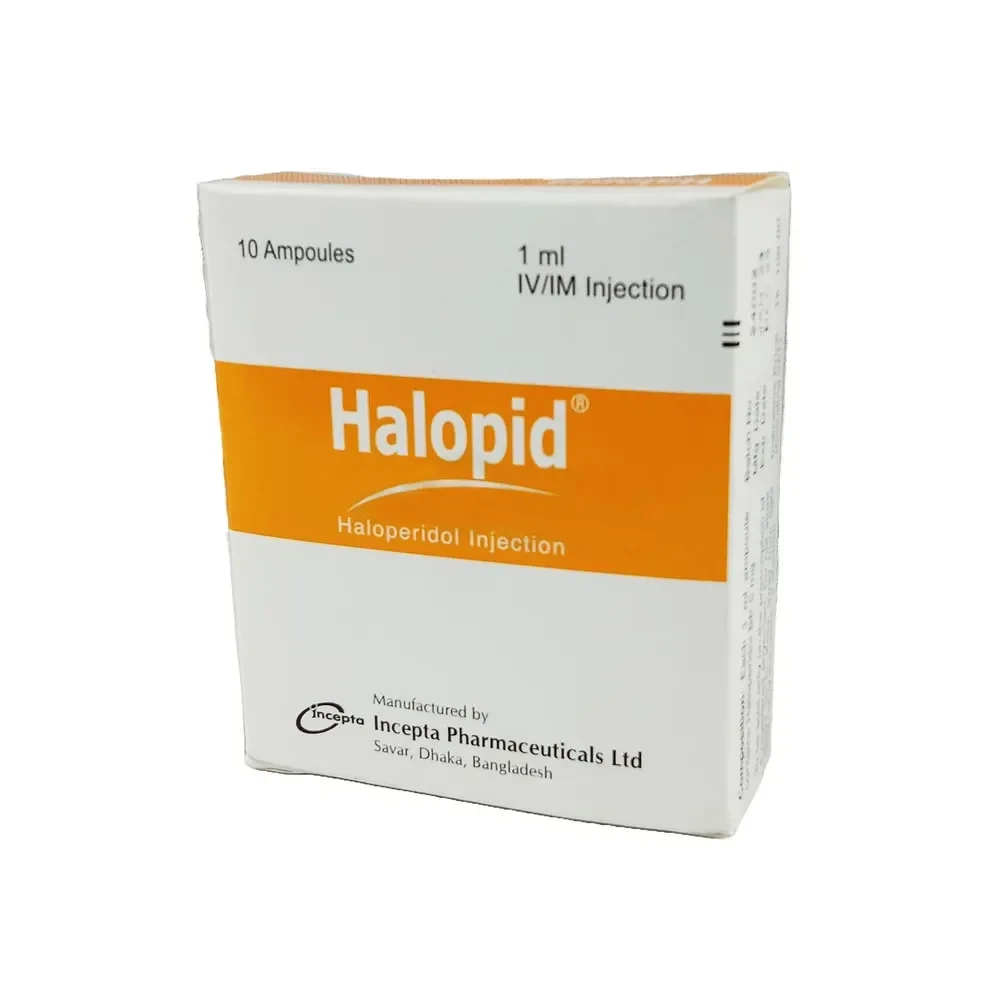
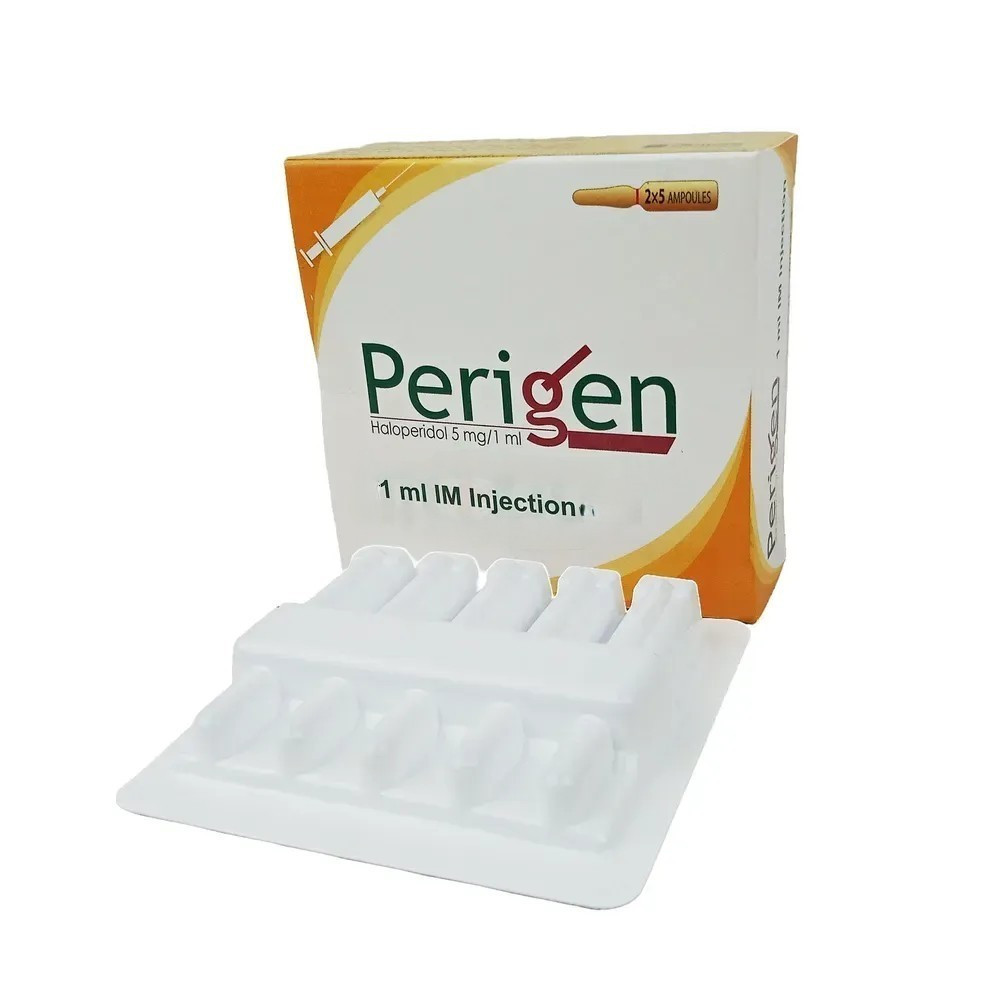
Perol IM Injection 5 mg/ml is a high potency first-generation (typical) antipsychotic and one of the most frequently used antipsychotic medications used worldwide. While haloperidol has demonstrated pharmacologic activity at a number of receptors in the brain, it exerts its antipsychotic effect through its strong antagonism of the dopamine receptor (mainly D2), particularly within the mesolimbic and mesocortical systems of the brain. Perol IM Injection 5 mg/ml is indicated for the treatment of the manifestations of several psychotic disorders including schizophrenia, acute psychosis, Tourette syndrome, and other severe behavioural states. It is also used off-label for the management of chorea associated with Huntington's disease and for the treatment of intractable hiccups as it is a potent antiemetic. Dopamine-antagonizing medications such as haloperidol are though to improve psychotic symptoms and states that are caused by an over-production of dopamine, such as schizophrenia, which is theorized to be caused by a hyperdopaminergic state within the limbic system of the brain.
Use of the first-generation antipsychotics (including haloperidol) is considered highly effective for the management of the "positive" symptoms of schizophrenia including hallucinations, hearing voices, aggression/hostility, disorganized speech, and psychomotor agitation. However, this class of drugs is also limited by the development of movement disorders induced by dopamine-blockade such as drug-induced parkinsonism, akathisia, dystonia, tardive dyskinesia, as well as other side effects including sedation, weight gain, and prolactin changes. While there are limited high-quality studies comparing haloperidol to lower-potency first-generation antipsychotics such as Chlorpromazine, Zuclopenthixol, Fluphenazine, and Methotrimeprazine, haloperidol typically demonstrates the least amount of side effects within this class, but demonstrates a stronger disposition for causing extrapyramidal symptoms (EPS). These other low‐potency antipsychotics are limited by their lower affinity for dopamine receptors, which requires a higher dose to effectively treat symptoms of schizophrenia. In addition, they block many receptors other than the primary target (dopamine receptors), such as cholinergic or histaminergic receptors, resulting in a higher incidence of side effects such as sedation, weight gain, and hypotension.
Interestingly, in vivo pharmacogenetic studies have demonstrated that the metabolism of haloperidol may be modulated by genetically determined polymorphic CYP2D6 activity. However, these findings contradict the findings from studies in vitro with human liver microsomes and from drug interaction studies in vivo. Inter-ethnic and pharmacogenetic differences in haloperidol metabolism may possibly explain these observations.
First-generation antipsychotic drugs have largely been replaced with second- and third-generation (atypical) antipsychotics such as Risperidone, Olanzapine, Clozapine, Quetiapine, Aripiprazole, and Ziprasidone. However, haloperidol use remains widespread and is considered the benchmark for comparison in trials of the newer generation antipsychotics.
The efficacy of haloperidol was first established in controlled trials in the 1960s.
Uses
Perol IM Injection 5 mg/ml is an antipsychotic agent used to treat schizophrenia and other psychoses, as well as symptoms of agitation, irritability, and delirium.
Perol IM Injection 5 mg/ml is indicated for a number of conditions including for the treatment of schizophrenia, for the manifestations of psychotic disorders, for the control of tics and vocal utterances of Tourette’s Disorder in children and adults, for treatment of severe behavior problems in children of combative, explosive hyperexcitability (which cannot be accounted for by immediate provocation). Perol IM Injection 5 mg/ml is also indicated in the short-term treatment of hyperactive children who show excessive motor activity with accompanying conduct disorders consisting of some or all of the following symptoms: impulsivity, difficulty sustaining attention, aggressivity, mood lability, and poor frustration tolerance. Perol IM Injection 5 mg/ml should be reserved for these two groups of children only after failure to respond to psychotherapy or medications other than antipsychotics.
Associated Conditions
Pharmacodynamics
Use of the first-generation antipsychotics (including haloperidol) is considered highly effective for the management of the "positive" symptoms of schizophrenia including hallucinations, hearing voices, aggression/hostility, disorganized speech, and psychomotor agitation. However, this class is limited by the development of movement disorders such as drug-induced parkinsonism, akathisia, dystonia, and tardive dyskinesia, and other side effects including sedation, weight gain, and prolactin changes. Compared to the lower-potency first-generation antipsychotics such as Chlorpromazine, Zuclopenthixol, Fluphenazine, and Methotrimeprazine, haloperidol typically demonstrates the least amount of side effects within class, but demonstrates a stronger disposition for causing extrapyramidal symptoms (EPS). Low‐potency medications have a lower affinity for dopamine receptors so that a higher dose is required to effectively treat symptoms of schizophrenia. In addition, they block many receptors other than the primary target (dopamine receptors), such as cholinergic or histaminergic receptors, resulting in a higher incidence of side effects such as sedation, weight gain, and hypotension.
The balance between the wanted drug effects on psychotic symptoms and unwanted side effects are largely at play within dopaminergic brain pathways affected by haloperidol. Cortical dopamine-D2-pathways play an important role in regulating these effects and include the nigrostriatal pathway, which is responsible for causing extrapyramidal symptoms (EPS), the mesolimbic and mesocortical pathways, which are responsible for the improvement in positive schizophrenic symptoms, and the tuberoinfundibular dopamine pathway, which is responsible for hyperprolactinemia.
A syndrome consisting of potentially irreversible, involuntary, dyskinetic movements may develop in patients. Although the prevalence of the syndrome appears to be highest among the elderly, especially elderly women, it is impossible to rely upon prevalence estimates to predict, at the inception of antipsychotic treatment, which patients are likely to develop the syndrome.
Cases of sudden death, QT-prolongation, and Torsades de Pointes have been reported in patients receiving haloperidol. Higher than recommended doses of any formulation and intravenous administration of haloperidol appear to be associated with a higher risk of QT-prolongation and Torsades de Pointes. Although cases have been reported even in the absence of predisposing factors, particular caution is advised in treating patients with other QT-prolonging conditions (including electrolyte imbalance [particularly hypokalemia and hypomagnesemia], drugs known to prolong QT, underlying cardiac abnormalities, hypothyroidism, and familial long QT-syndrome).
A potentially fatal symptom complex sometimes referred to as Neuroleptic Malignant Syndrome (NMS) has been reported in association with antipsychotic drugs. Clinical manifestations of NMS are hyperpyrexia, muscle rigidity, altered mental status (including catatonic signs) and evidence of autonomic instability (irregular pulse or blood pressure, tachycardia, diaphoresis, and cardiac dysrhythmias). Additional signs may include elevated creatine phosphokinase, myoglobinuria (rhabdomyolysis) and acute renal failure.
Mechanism of Action
While haloperidol has demonstrated pharmacologic activity at a number of receptors in the brain, it exerts its antipsychotic effect through its strong antagonism of the dopamine receptor (mainly D2), particularly within the mesolimbic and mesocortical systems of the brain. Schizophrenia is theorized to be caused by a hyperdopaminergic state within the limbic system of the brain. Dopamine-antagonizing medications such as haloperidol, therefore, are thought to improve psychotic symptoms by halting this over-production of dopamine. The optimal clinical efficacy of antipsychotics is associated with the blockade of approximately 60 % - 80 % of D2 receptors in the brain.
While the exact mechanism is not entirely understood, haloperidol is known to inhibit the effects of dopamine and increase its turnover. Traditional antipsychotics, such as haloperidol, bind more tightly than dopamine itself to the dopamine D2 receptor, with dissociation constants that are lower than that for dopamine. It is believed that haloperidol competitively blocks post-synaptic dopamine (D2) receptors in the brain, eliminating dopamine neurotransmission and leading to the relief of delusions and hallucinations that are commonly associated with psychosis. It acts primarily on the D2-receptors and has some effect on 5-HT2 and α1-receptors, with negligible effects on dopamine D1-receptors. The drug also exerts some blockade of α-adrenergic receptors of the autonomic system.
Antagonistic activity regulated through dopamine D2 receptors in the chemoreceptive trigger zone (CTZ) of the brain renders its antiemetic activity. Of the three D2-like receptors, only the D2 receptor is blocked by antipsychotic drugs in direct relation to their clinical antipsychotic abilities.
Clinical brain-imaging findings show that haloperidol remains tightly bound to D2 dopamine receptors in humans undergoing 2 positron emission tomography (PET) scans with a 24h pause in between scans. A common adverse effect of this drug is the development of extrapyramidal symptoms (EPS), due to this tight binding of haloperidol to the dopamine D2 receptor.
Due to the risk of unpleasant and sometimes lifelong extrapyramidal symptoms, newer antipsychotic medications than haloperidol have been discovered and formulated. Rapid dissociation of drugs from dopamine D2 receptors is a plausible explanation for the improved EPS profile of atypical antipsychotics such as Risperidone. This is also consistent with the theory of a lower affinity for D2 receptors for these drugs. As mentioned above, haloperidol binds tightly to the dopamine receptor, potentiating the risk of extrapyramidal symptoms, and therefore should only been used when necessary.
Absorption
Perol IM Injection 5 mg/ml is a highly lipophilic compound and is extensively metabolized in humans, which may cause a large interindividual variability in its pharmacokinetics.
Studies have found a wide variance in pharmacokinetic values for orally administered haloperidol with 1.7-6.1 hours reported for time to peak plasma concentration (tmax), 14.5-36.7 hours reported for half-life (t1⁄2), and 43.73 μg/L•h [range 14.89-120.96 μg/L•h] reported for AUC. Perol IM Injection 5 mg/ml is well-absorbed from the gastrointestinal tract when ingested orally, however, the first-pass hepatic metabolism decreases its oral bioavailability to 40 - 75%.
After intramuscular administration, the time to peak plasma concentration (tmax) is 20 minutes in healthy individuals or 33.8 minutes in patients with schizophrenia, with a mean half-life of 20.7 hours. Bioavailability following intramuscular administration is higher than that for oral administration.
Administration of haloperidol decanoate (the depot form of haloperidol for long-term treatment) in sesame oil results in slow release of the drug for long-term effects. The plasma concentrations of haloperidol gradually rise, reaching its peak concentration at about 6 days after the injection, with an apparent half-life of about 21 days. Steady-state plasma concentrations are achieved after the third or fourth dose.
Volume of Distribution
The apparent volume of distribution was found to range from 9.5-21.7 L/kg. This high volume of distribution is in accordance with its lipophilicity, which also suggests free movement through various tissues including the blood-brain barrier.
Protein Binding
Studies have found that free fraction of haloperidol in human plasma is 7.5-11.6%. This was found to be comparable among healthy adults, young adults, elderly patients with schizophrenia, and even in patients with liver cirrhosis.
Route of Elimination
In radiolabeling studies, approximately 30% of the radioactivity is excreted in the urine following a single oral administration of 14C-labelled haloperidol, while 18% is excreted in the urine as haloperidol glucuronide, demonstrating that haloperidol glucuronide is a major metabolite in the urine as well as in plasma in humans.
Half Life
Following oral administration, the half-life was found to be 14.5-36.7 hours. Following intramuscular injection, mean half-life was found to be 20.7 hours.
Clearance
Following intravenous administration, the plasma or serum clearance (CL) was found to be 0.39-0.708 L/h/kg (6.5 to 11.8 ml/min/kg). Following oral administration, clearance was found to be 141.65 L/h (range 41.34 to 335.80 L/h).
Perol IM Injection 5 mg/ml clearance after extravascular administration ranges from 0.9-1.5 l/h/kg, however this rate is reduced in poor metabolizers of CYP2D6 enzyme. Reduced CYP2D6 enzyme activity may result in increased concentrations of haloperidol. The inter-subject variability (coefficient of variation, %) in haloperidol clearance was estimated to be 44% in a population pharmacokinetic analysis in patients with schizophrenia .
Genetic polymorphism of CYP2D6 has been demonstrated to be an important source of inter-patient variability in the pharmacokinetics of haloperidol and may affect therapeutic response and incidence of adverse effects.
Toxicity
Acute oral toxicity (LD50): 71 mg/kg in rats .
Food Interactions
- Avoid alcohol. Alcohol may potential hypotension and CNS adverse effects.
Dosage
Initial dose for adults-
- Moderate symptomatology: 0.5 mg to 3.0 mg 2 to 3 times daily
- Severe symptomatology: 3.0 mg to 5.0 mg 2 to 3 times daily
- Elderly patients: 0.5 mg to 4.5 mg 2 to 3 times daily
- Chronic or Resistant patients: 3.0 mg to 6.0 mg 2 to 3 times daily
Children: A suggested dose for the management of behaviour disorders in disturbed and schizophrenic children is 50 microgram per kg body weight.
Injection (intramuscular or intravenous)-
Schizophrenia and other psychosis, mania:
- Initially 2-10 mg, then every 4-8 hours according to response to total maximum 18 mg daily
- Severely disturbed patients may require an initial dose of up to 18 mg
- Elderly (or debilitated) initially half adult dose
- For children not recommended.