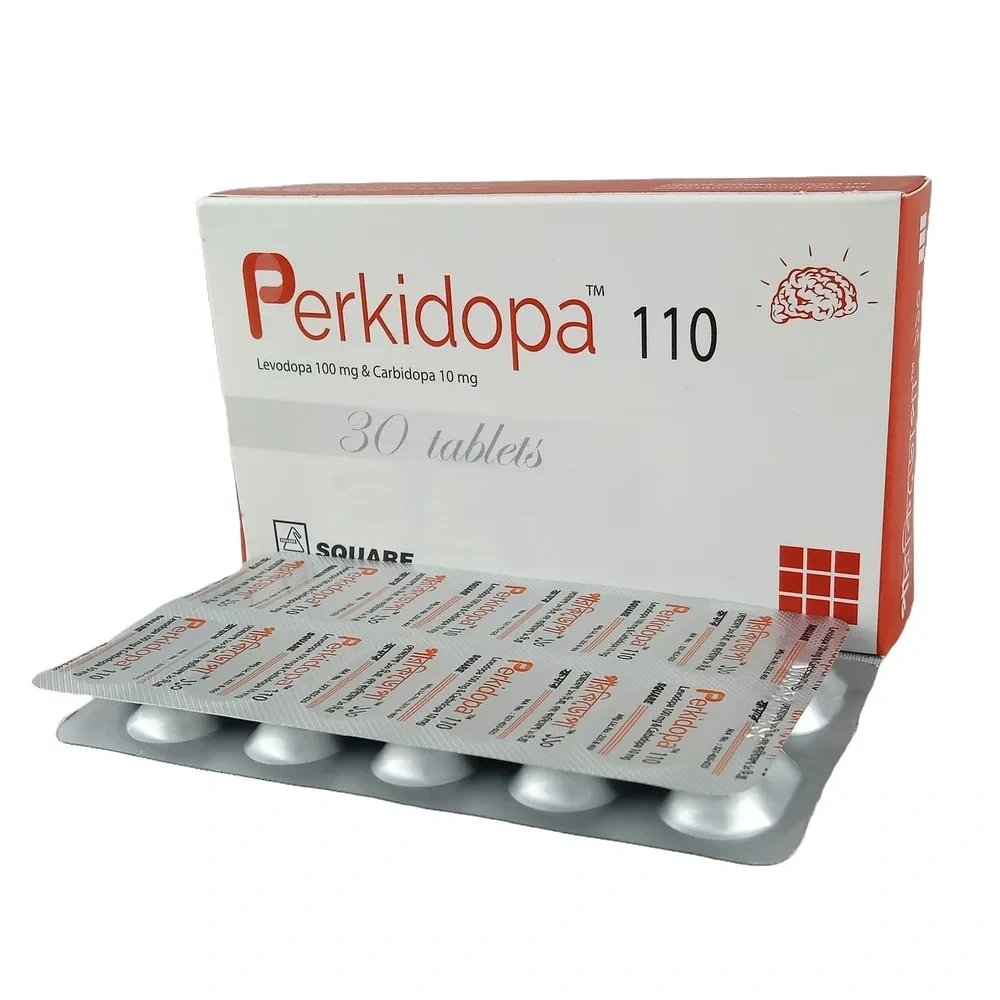
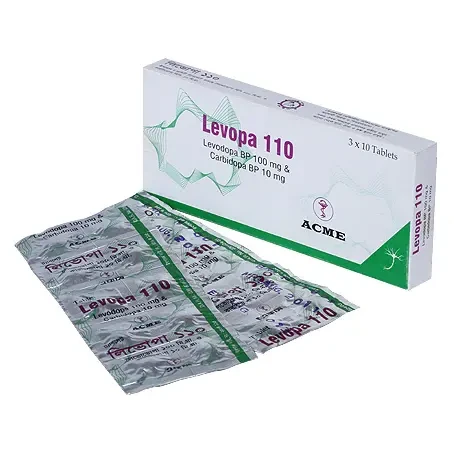
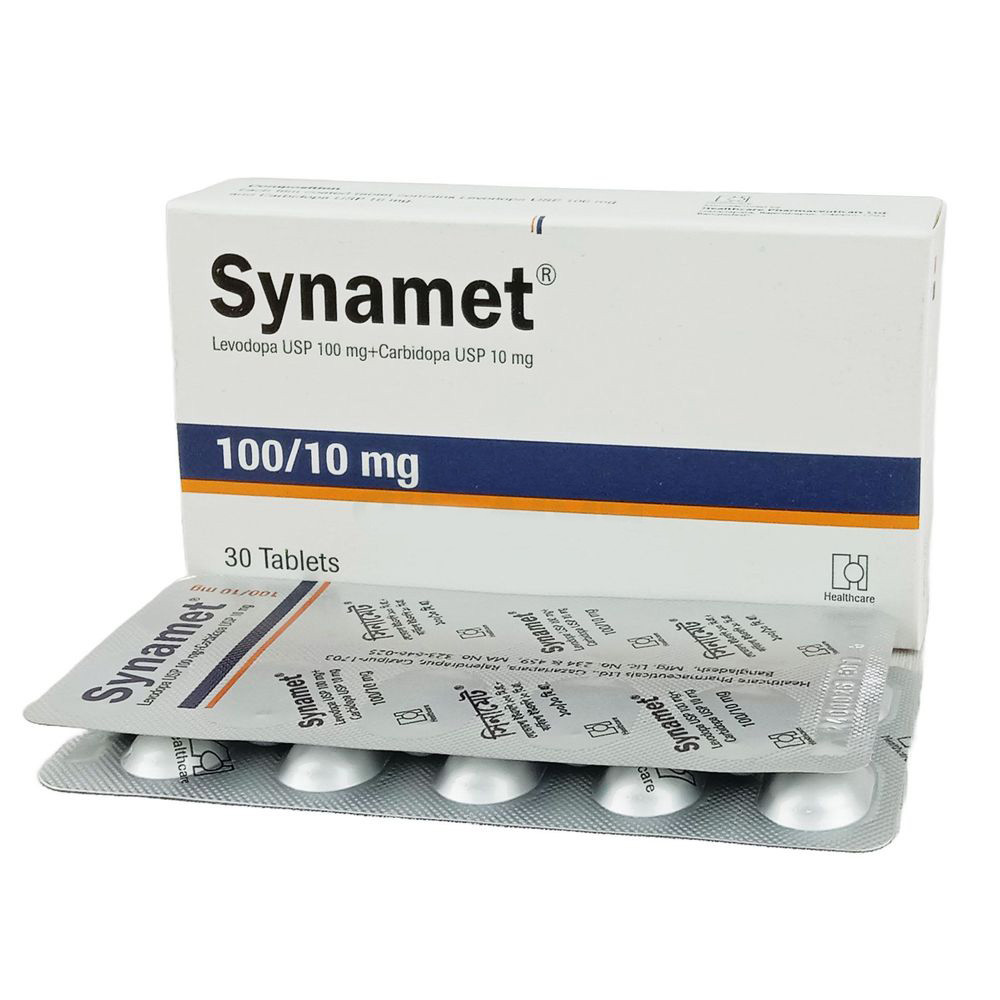
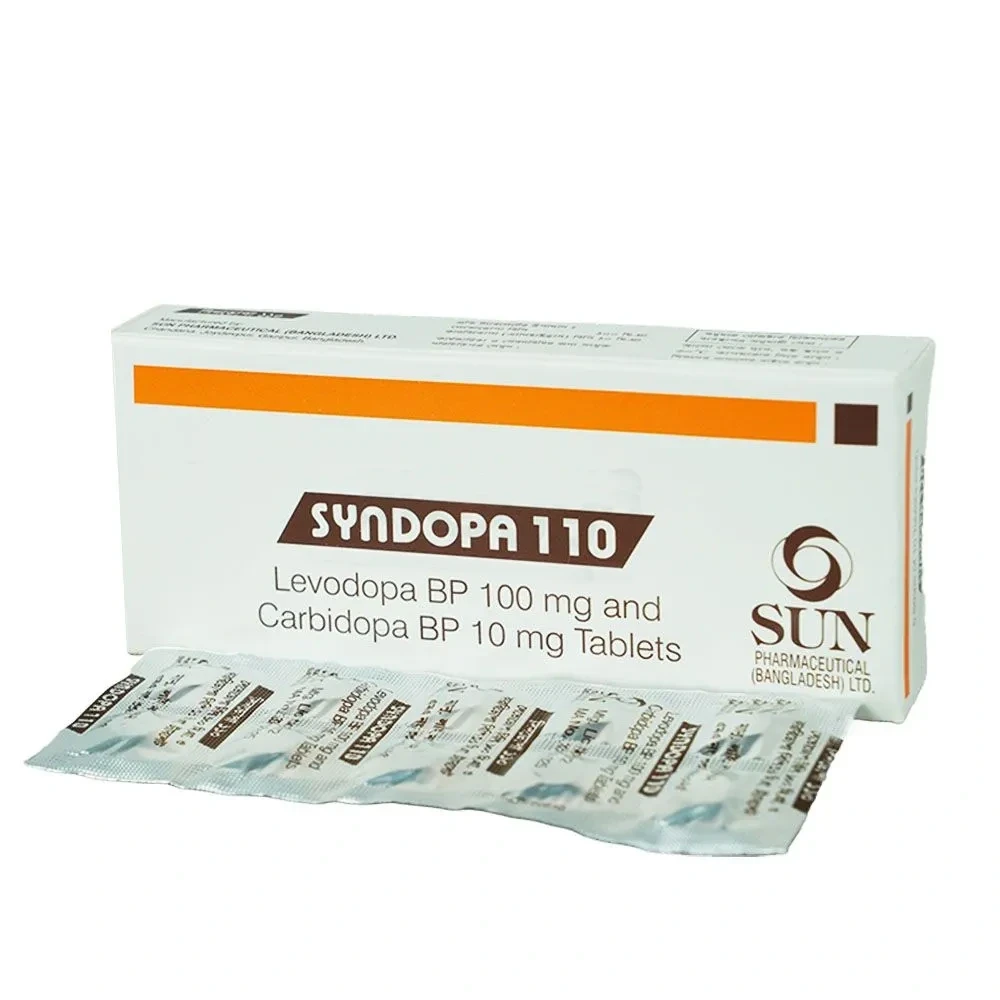
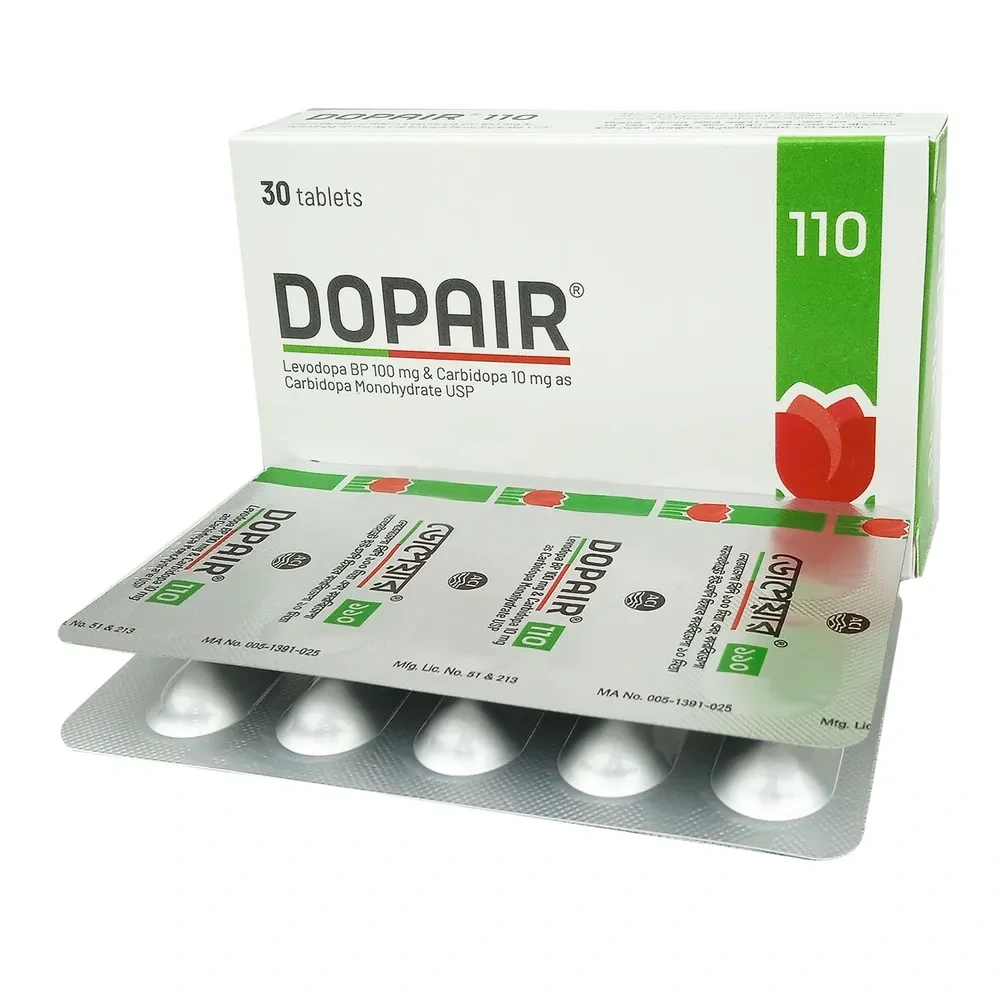
Perkidopa Tablet 100 mg+10 mg is a combination of two drugs, Levodopa and Carbidopa, that are used to treat Parkinson's disease. Levodopa (L-dopa) helps to restore the level of the chemical dopamine in the brain, and Carbidopa helps to prevent the body from breaking down L-dopa too quickly. This combination medication is commonly used for lowering the frequency of involuntary movement associated with Parkinson's disease, although it may also be used to treat restless leg syndrome and other disorders.
Uses
Perkidopa Tablet 100 mg+10 mg is used to treat Parkinson’s disease, as well as other disorders such as restless leg syndrome, in which patients experience involuntary movements. It can help to reduce the frequency of these movements and ease some of the symptoms associated with them.
Levodopa (L-dopa) is a chemical precursors to the brain chemical dopamine. When taken, it is converted into dopamine in the brain, helping to increase levels of the compound. However, the body tends to break down L-dopa quickly. Carbidopa helps to prevent the breakdown of L-dopa by blocking an enzyme that normally breaks down the substance. This allows the medication to remain in the body longer and to deliver its effects more slowly.
How Long Does It Take to Work?
Perkidopa Tablet 100 mg+10 mg usually takes several weeks before significant improvement is seen as the dosage of the medication is gradually increased.
Absorption
Perkidopa Tablet 100 mg+10 mg is rapidly absorbed from the gastrointestinal tract. Peak concentrations are reached within 1-2 hours after oral administration.
Route of Elimination
Perkidopa Tablet 100 mg+10 mg is eliminated primarily in the urine.
Dosage
The typical dosage of Perkidopa Tablet 100 mg+10 mg is 100 to 400 mg per day depending on the individual’s condition. It is usually taken 3-4 times a day, about every 4-6 hours. It is important to follow the doctor’s instructions when taking the medication.
Administration
Perkidopa Tablet 100 mg+10 mg should be taken by mouth with a full glass of water. It can be taken with or without food, but it is best to take it with food to avoid stomach upset. It is important to take the medication at around the same time every day so the concentrations of the compound are kept consistent in the body.
Side Effects
The most common side effects of Perkidopa Tablet 100 mg+10 mg are nausea, vomiting, and dizziness. Other possible side effects include constipation, difficulty sleeping, and difficulty urinating.
Toxicity
The most significant toxicity associated with Perkidopa Tablet 100 mg+10 mg is an increased risk of developing complications associated with dopamine-related drugs. These complications can include a condition known as neuroleptic malignant syndrome, where patients experience fever, confusion, and muscle rigidity.
Precautions
It is important to discuss any medical conditions with a doctor before starting treatment with Perkidopa Tablet 100 mg+10 mg. The medication can interact with some drugs or supplements, so it is important to tell a doctor about any other medications that are being taken. It is also important to tell the doctor about any problems with vision, liver, or kidney function, as these can be affected by the drug.
Interactions
Perkidopa Tablet 100 mg+10 mg can interact with some medications, including non-steroidal anti-inflammatory drugs, iron supplements, antihistamines, and some antidepressants. It can also interact with some herbs or supplements, so it is important to discuss these with a healthcare provider.
Disease Interactions
Patients with any psychiatric condition should be closely monitored when taking Perkidopa Tablet 100 mg+10 mg, as the medication can worsen symptoms in some cases. Patients with liver or kidney disease, dehydration, or certain blood disorders should also be monitored closely.
Drug Interactions
Perkidopa Tablet 100 mg+10 mg can interact with some drugs, including non-steroidal anti-inflammatory drugs, antihistamines, antidepressants, and some iron supplements. It can also cause an interaction with certain herbs or supplements, so it is important to tell a healthcare provider about any supplements that are being taken.
Food Interactions
Perkidopa Tablet 100 mg+10 mg may interact with some fatty foods, so it is best to take it at least 1 hour before or after eating. Grapefruit juice may also interact with the medication, so it is best to avoid it.
Pregnancy Use
Perkidopa Tablet 100 mg+10 mg should not be used by pregnant women, unless the potential benefit outweighs the potential risks to the fetus. Women of childbearing age should use effective contraception while taking the medication.
Lactation Use
There is not enough information available to determine if Perkidopa Tablet 100 mg+10 mg is safe for use during lactation. Women taking the medication should not breastfeed.
Acute Overdose
An overdose of Perkidopa Tablet 100 mg+10 mg should be treated with symptomatic and supportive treatment. Patients may experience nausea, vomiting, dizziness, confusion, or abnormal heart rate.
Contraindication
Perkidopa Tablet 100 mg+10 mg should not be used by patients who are allergic to either of the drugs, or by patients with certain blood disorders or liver conditions.
Use Direction
Perkidopa Tablet 100 mg+10 mg should be taken exactly as prescribed by a doctor. It is important to follow the dosage and timing instructions given. The medication should also not be abruptly stopped, as that can worsen symptoms.
Storage Condition
Perkidopa Tablet 100 mg+10 mg should be stored at room temperature in a tightly sealed container out of reach of children.
Volume of Distribution
The volume of distribution of Perkidopa Tablet 100 mg+10 mg is not known.
Half Life
The elimination half-life of Perkidopa Tablet 100 mg+10 mg is about 4 hours.
Clearance
The clearance of Perkidopa Tablet 100 mg+10 mg is not known.