Introduction
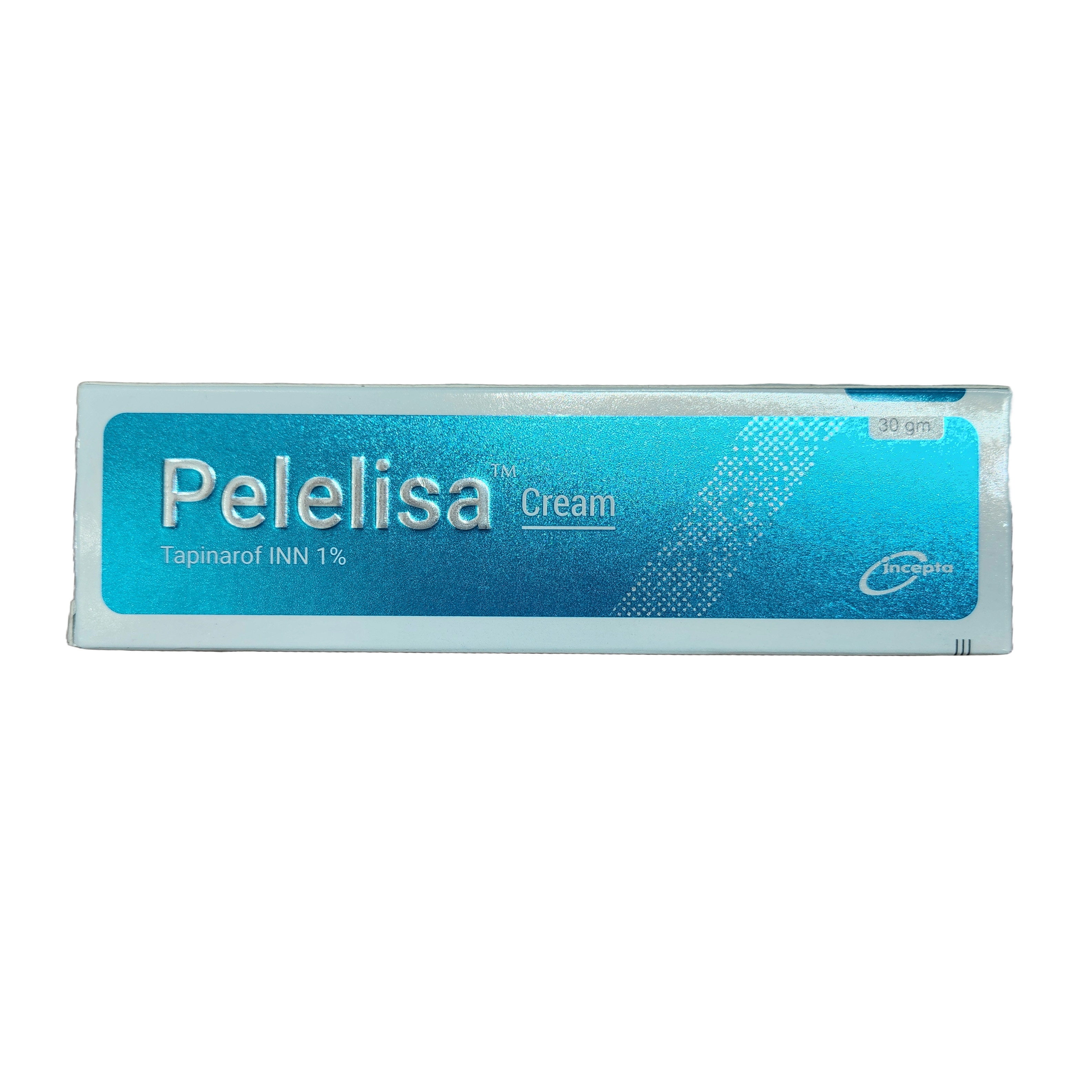
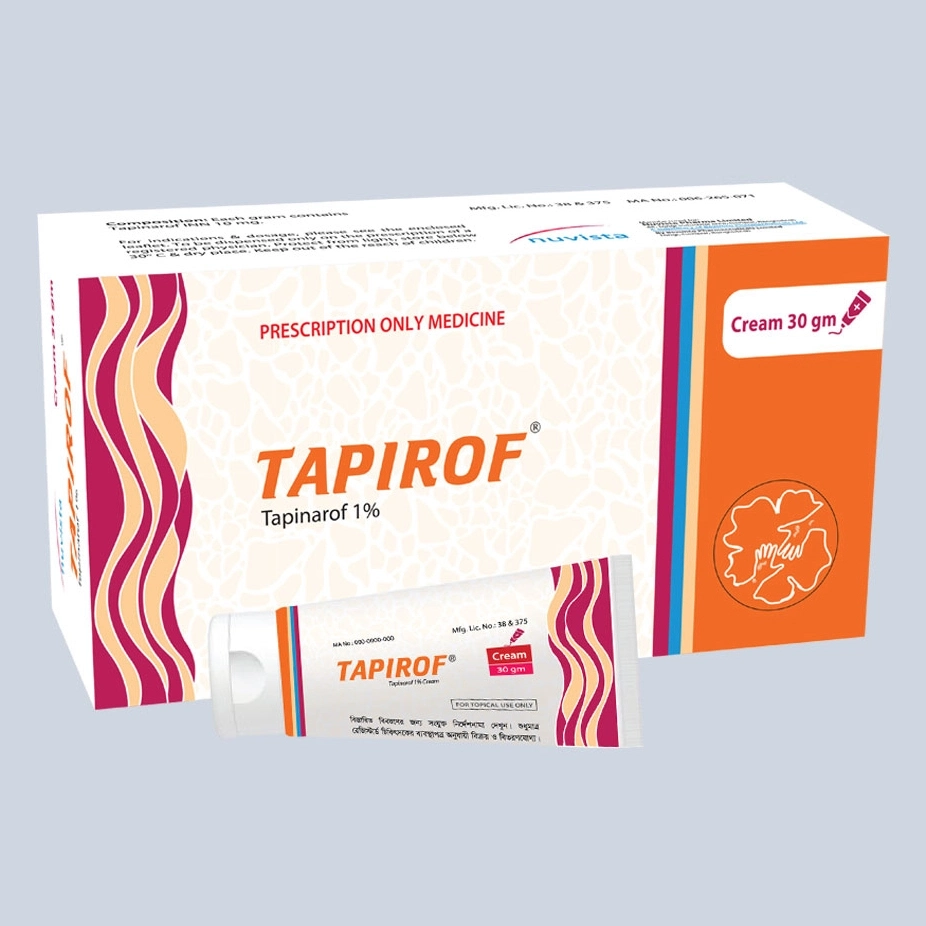
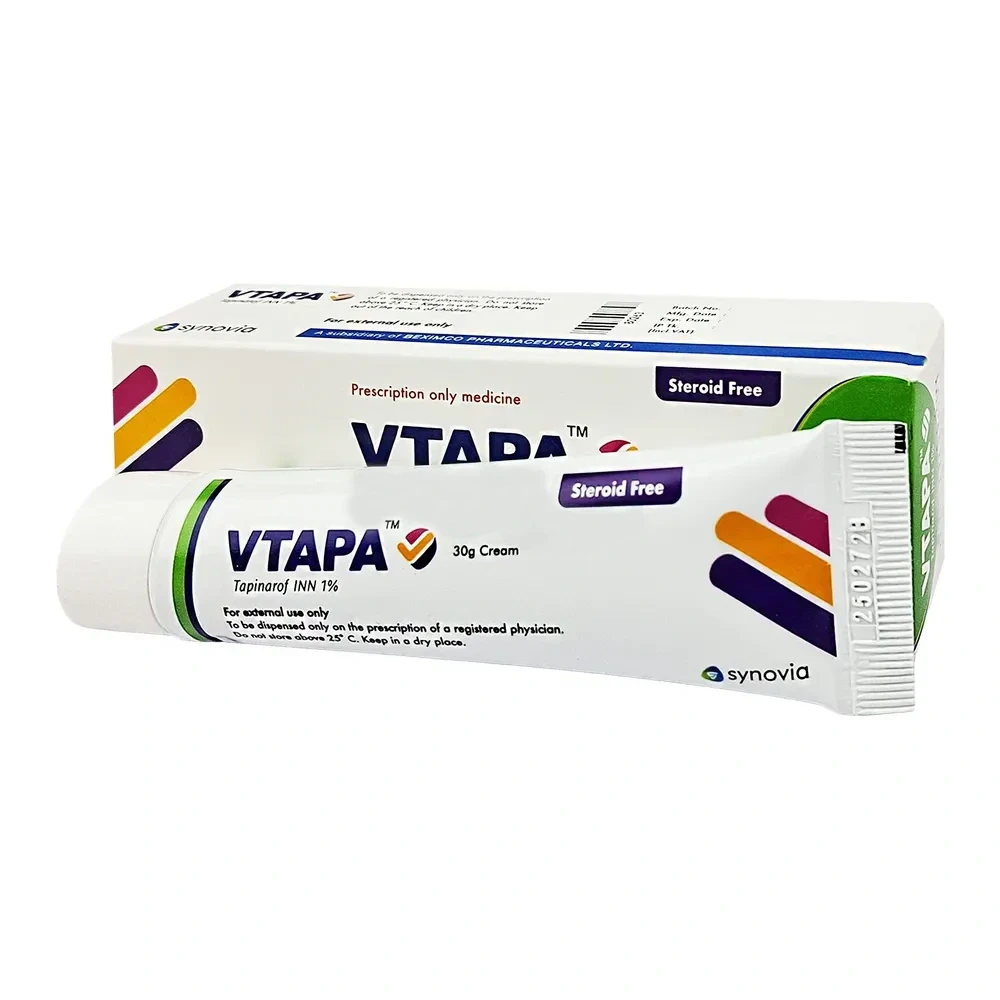
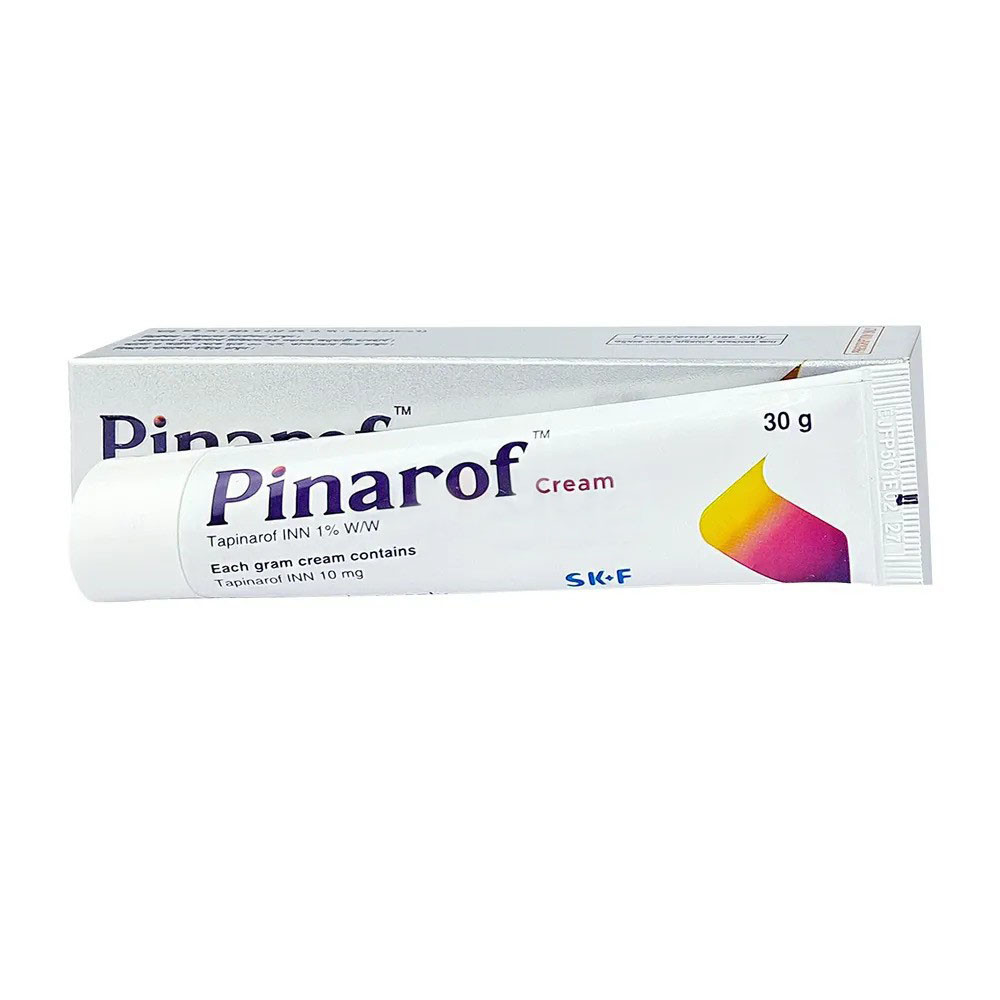
Pelelisa Cream 1% is a novel topical agent designed for the treatment of chronic inflammatory skin conditions. It is primarily used in the management of plaque psoriasis and atopic dermatitis. Pelelisa Cream 1% is notable for being a non-steroidal treatment option that targets specific pathways involved in skin inflammation.
Uses
Pelelisa Cream 1% is used to treat:
- Plaque Psoriasis: A chronic condition characterized by red, scaly patches on the skin.
- Atopic Dermatitis: An inflammatory skin disease marked by itching, redness, and irritation.
| Brand Name | Pelelisa |
|---|---|
| Type | Cream |
| Weight | 1% |
| Generic | Tapinarof |
| Manufacturer | Incepta Pharmaceuticals Ltd. |
| Available in | English বাংলা |
Mechanism of Action
Pelelisa Cream 1% works by activating the aryl hydrocarbon receptor (AhR) in the skin. This activation modulates the immune response and reduces the levels of inflammatory cytokines. By restoring skin barrier function and modulating immune responses, Pelelisa Cream 1% helps to alleviate symptoms of inflammatory skin conditions.
How Long Does It Take to Work?
Patients may begin to notice improvements in their skin condition within 2 to 4 weeks of starting treatment with Pelelisa Cream 1%. However, the full benefits might take longer, depending on the severity of the condition and individual patient response.
Absorption
Pelelisa Cream 1% is applied topically and is absorbed through the skin. The systemic absorption is minimal, which reduces the risk of systemic side effects.
Route of Elimination
Pelelisa Cream 1% is primarily eliminated through the skin with minimal systemic absorption. The drug does not significantly enter the bloodstream, thus minimizing the risk of systemic side effects.
Dosage
Apply a thin layer of Tapinarof cream to affected areas once daily. Wash hands after application, unless Tapisis cream is for treatment of the hands. Tapinarof cream is not for oral, ophthalmic, or intravaginal use.Pediatric Use: Safety and efficacy of Tapinarof cream have not been established in pediatric subjects with psoriasis under 18 years of age.
The usual dosage of Pelelisa Cream 1% is to apply a thin layer to the affected areas of the skin once daily. The exact dosage may vary based on the specific condition and patient response. Always follow the prescribing physician’s instructions.
Administration
Pelelisa Cream 1% is administered topically. It should be applied to clean, dry skin, and the affected areas should be covered lightly. It should not be applied to broken or infected skin.
Side Effects
Common side effects may include:
- Skin irritation
- Burning sensation
- Redness
Toxicity
Pelelisa Cream 1% has a low toxicity profile, especially due to its minimal systemic absorption. Overuse or misuse can lead to local skin reactions but is unlikely to cause systemic toxicity.
Precautions
Precautions include avoiding contact with the eyes, mucous membranes, and broken skin. It is also advised to use Pelelisa Cream 1% with caution in patients with a history of skin sensitivity or allergic reactions.
Interaction
There are no well-documented drug interactions with Pelelisa Cream 1%. However, it is advisable to consult a healthcare provider before combining it with other topical treatments or medications.
Disease Interaction
Patients with a history of hypersensitivity or allergic reactions to topical agents should use Pelelisa Cream 1% with caution. It is also important to monitor for any exacerbation of skin conditions.
Drug Interaction
Pelelisa Cream 1% is primarily used as a topical agent, and systemic drug interactions are unlikely. However, consult a healthcare provider if other medications are being used concurrently.
Food Interactions
There are no known food interactions with Pelelisa Cream 1%. It is used topically and does not affect or get affected by food intake.
Pregnancy Use
Use of Pelelisa Cream 1% during pregnancy should be discussed with a healthcare provider. There is limited data on its safety during pregnancy, so it is used only if the benefits outweigh the potential risks.
Lactation Use
The safety of Pelelisa Cream 1% during lactation is not well established. It should be used with caution, and breastfeeding mothers should consult their healthcare provider before use.
Acute Overdose
Acute overdose is unlikely due to the topical application and minimal systemic absorption. In case of accidental ingestion or overuse, seek medical attention.
Contraindication
Pelelisa Cream 1% should not be used in individuals with known hypersensitivity to the drug or its components. It is also contraindicated in patients with active skin infections.
Use Direction
Apply Pelelisa Cream 1% to the affected areas of the skin once daily. Ensure the skin is clean and dry before application. Avoid contact with eyes and mucous membranes.
Storage Conditions
Store Pelelisa Cream 1% at room temperature, away from direct sunlight and moisture. Keep the medication out of reach of children.
Volume of Distribution
The volume of distribution for Pelelisa Cream 1% is not well-documented due to its minimal systemic absorption when applied topically.
Half Life
Pelelisa Cream 1%'s half-life in systemic circulation is not applicable as it is minimally absorbed systemically. Its action is localized to the application site.
Clearance
Pelelisa Cream 1% is cleared primarily through the skin with minimal systemic clearance. The drug does not significantly enter systemic circulation.
See in details version Pelelisa Cream 1% also Pelelisa Cream 1% in bangla
Social card