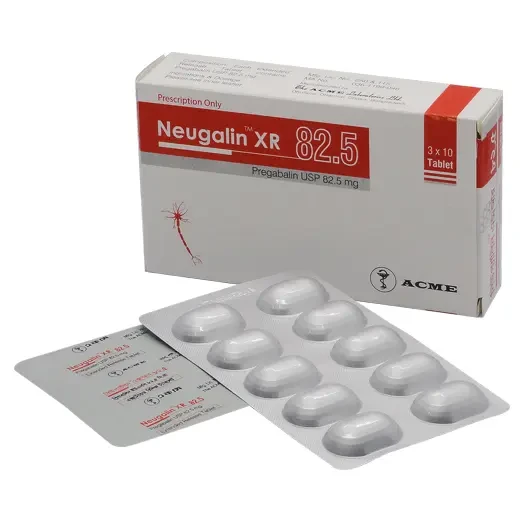
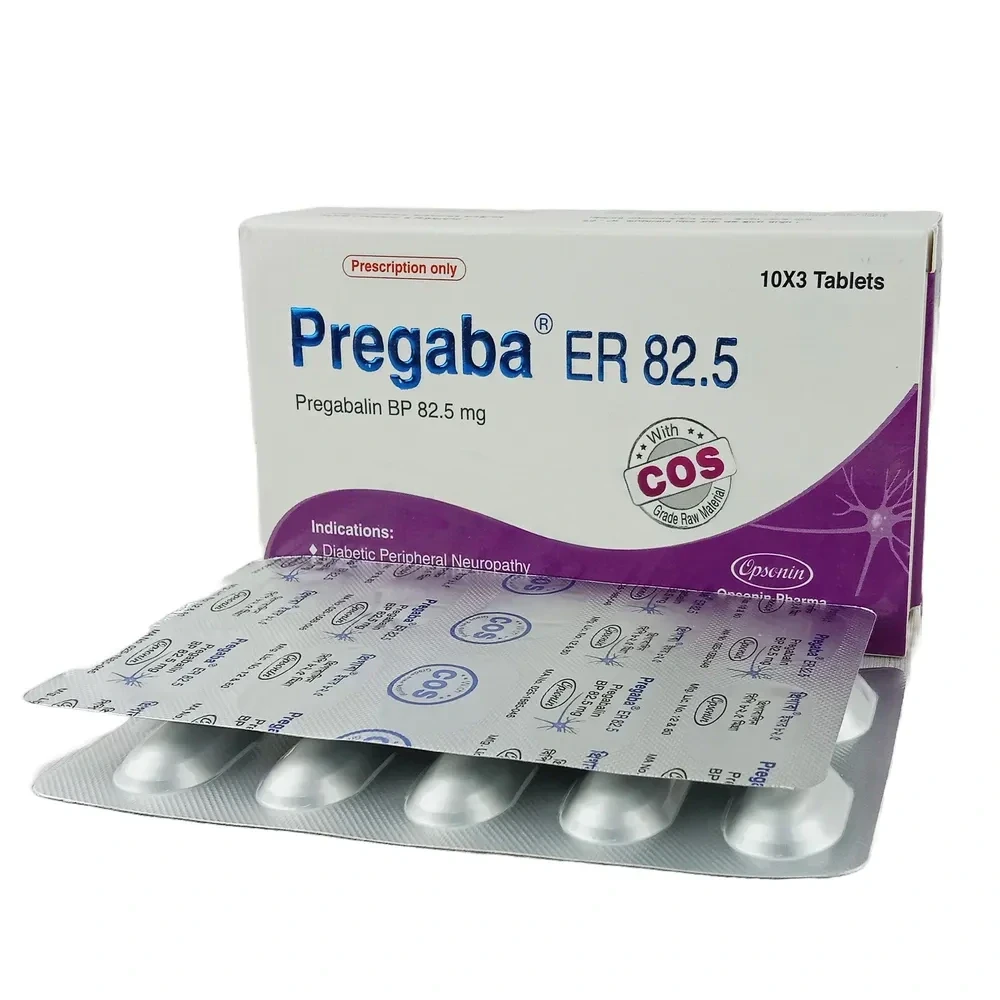
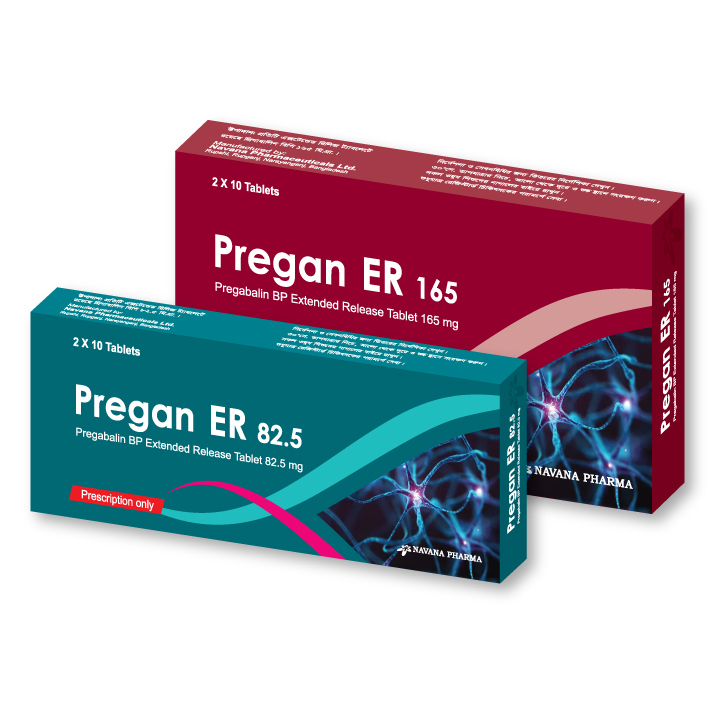
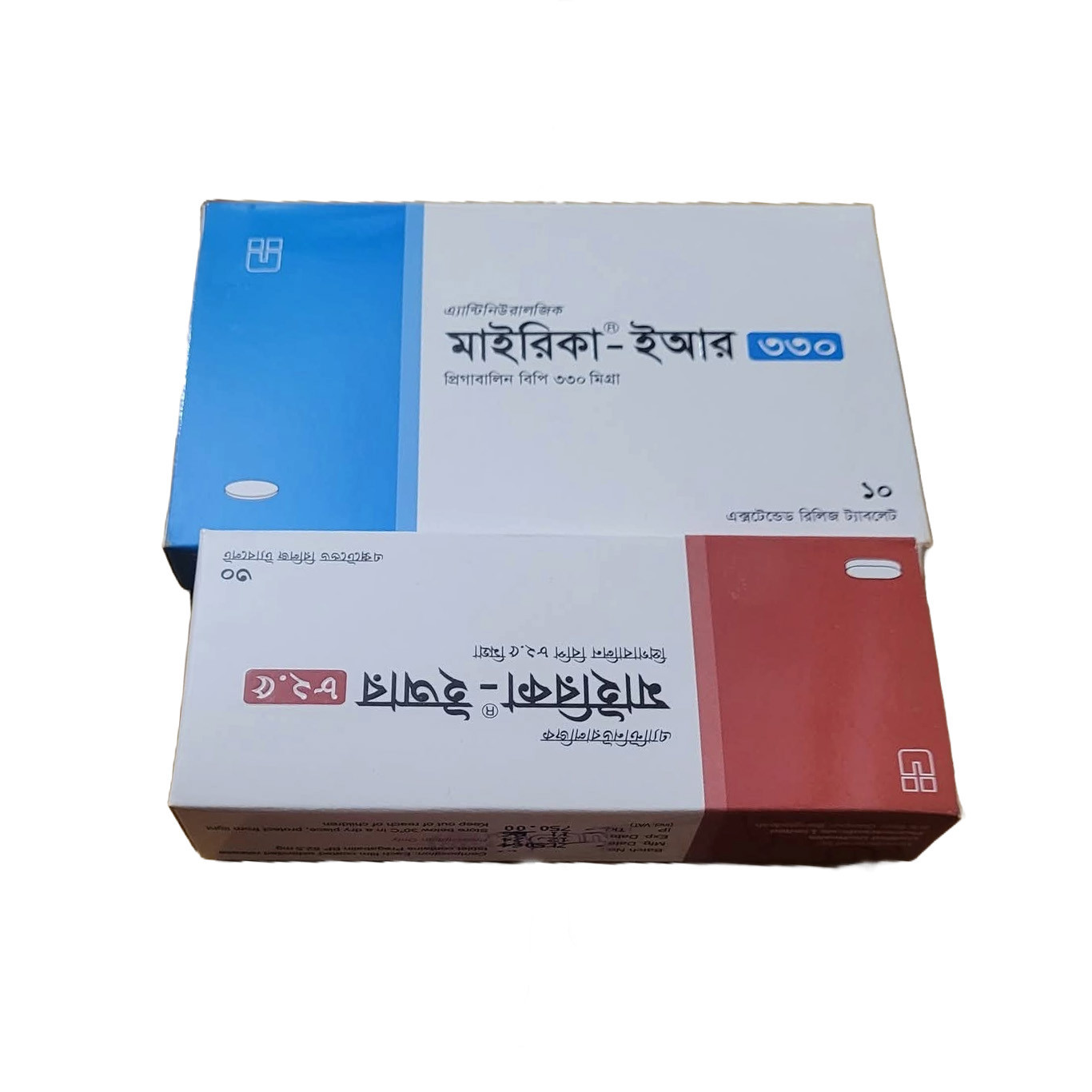
Introduction
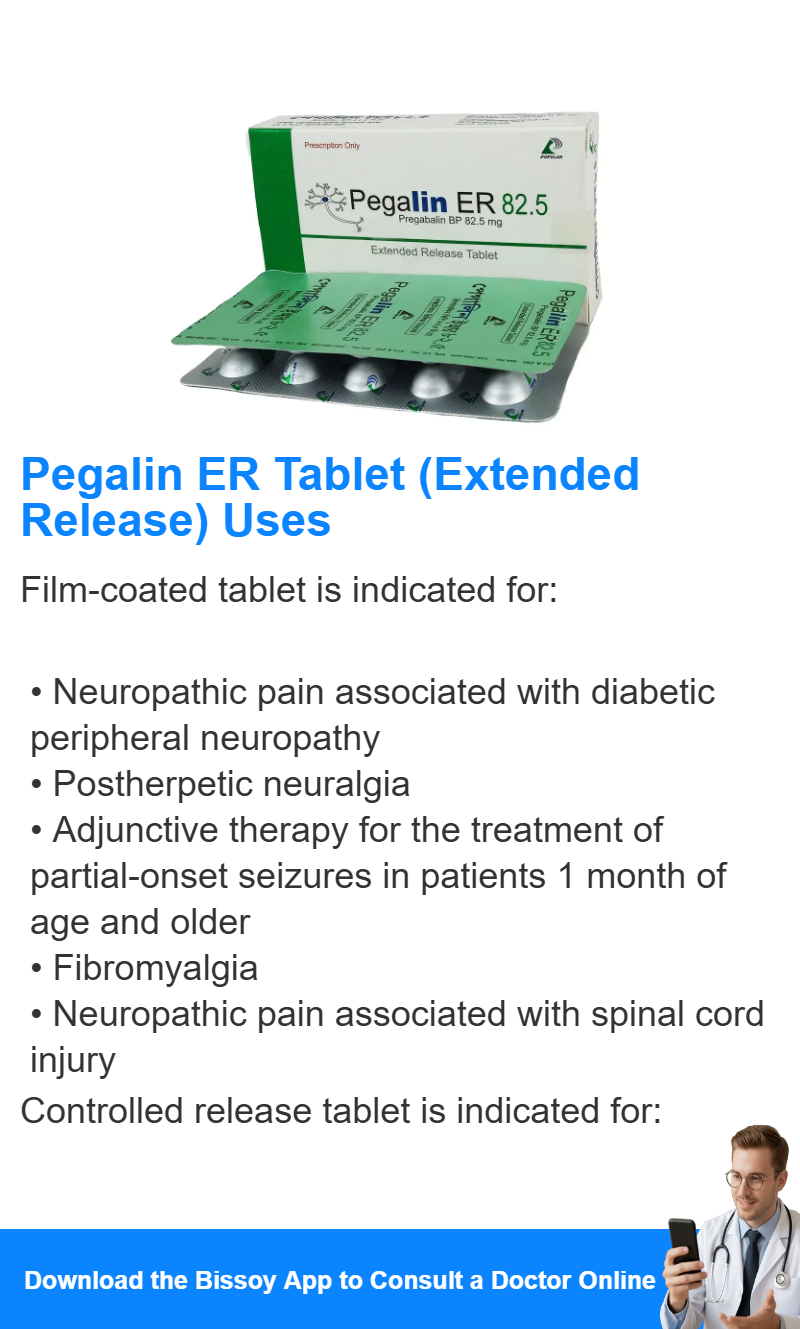
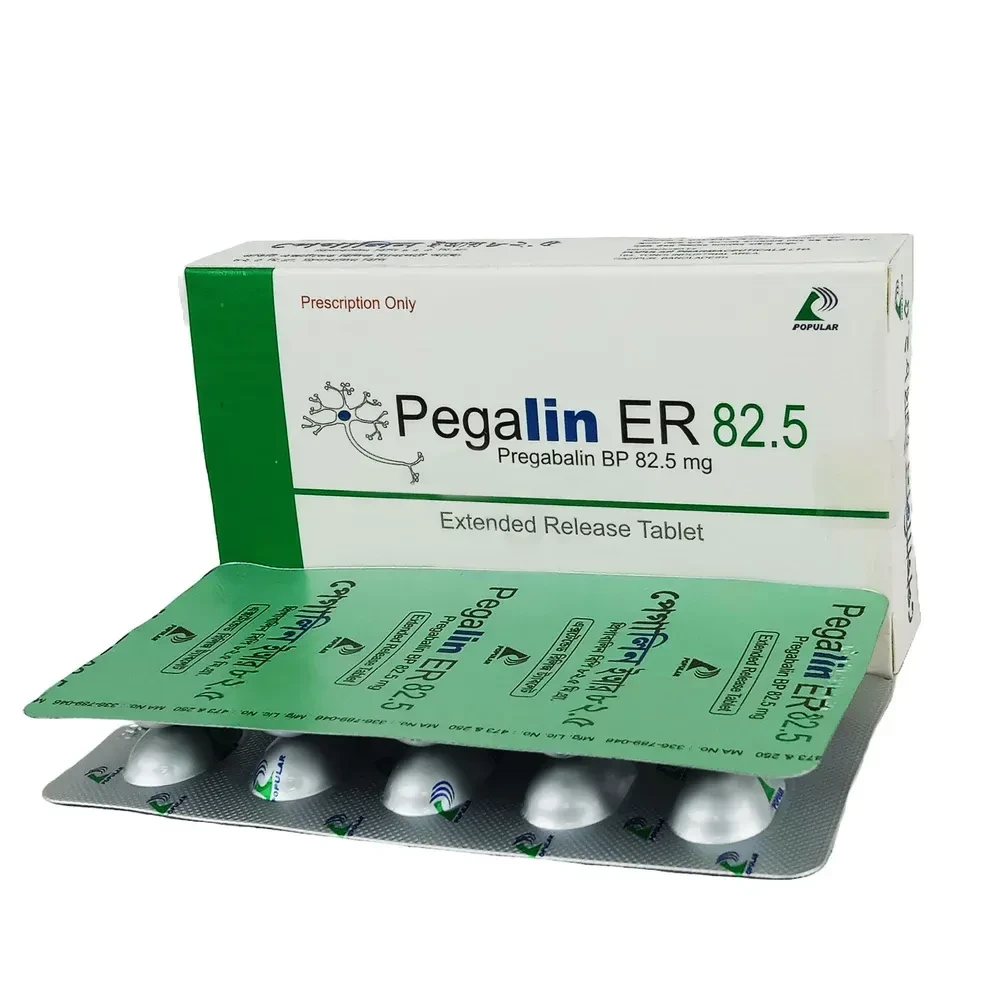
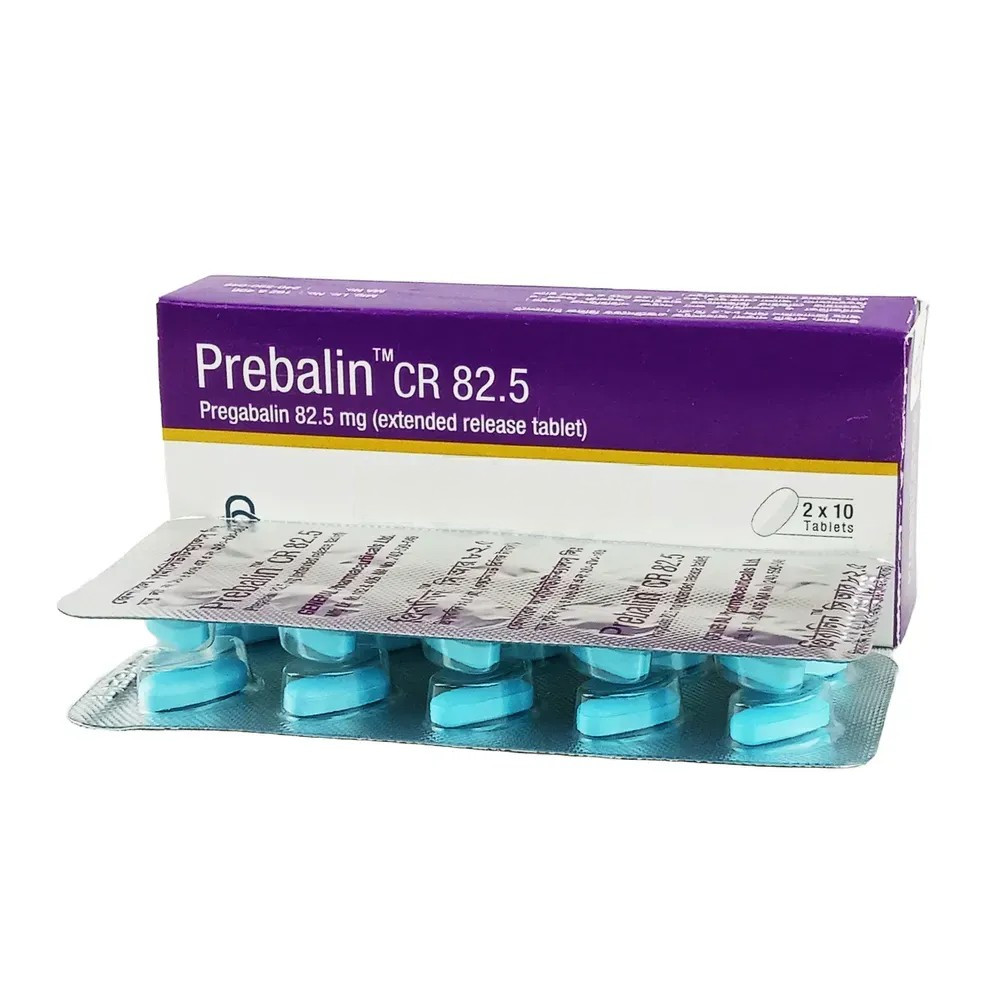
Pegalin ER Tablet (Extended Release) 82.5 mg is a GABA analogue used to treat neuropathic pain, postherpetic neuralgia, fibromyalgia, and certain seizure disorders. It exerts its effects by binding to the α2δ subunit of voltage-gated calcium channels, reducing the release of excitatory neurotransmitters and thereby relieving pain and decreasing neuronal excitability. Although generally well tolerated, pregabalin has the potential for misuse and dependence, particularly in individuals with a current or past history of substance use disorders.
Uses
Pegalin ER Tablet (Extended Release) 82.5 mg is an anticonvulsant drug used to treat neuropathic pain conditions and fibromyalgia, and for the treatment of partial onset seizures in combination with other anticonvulsants.
Pegalin ER Tablet (Extended Release) 82.5 mg is indicated for the management of neuropathic pain associated with diabetic peripheral neuropathy, postherpetic neuralgia, fibromyalgia, neuropathic pain associated with spinal cord injury, and as adjunctive therapy for the treatment of partial-onset seizures in patients 1 month of age and older.
Associated Conditions
Pharmacodynamics
Although the structure of pregabalin is similar to gamma-aminobutyric acid (GABA), it does not bind to GABA receptors. Instead, it binds the alpha2-delta subunit of presynaptic voltage-gated calcium channels in the central nervous system. Pegalin ER Tablet (Extended Release) 82.5 mg does not modulate dopamine receptors, serotonin receptors, opiate receptors, sodium channels or cyclooxygenase activity.
Mechanism of Action
Although the mechanism of action has not been fully elucidated, studies involving structurally related drugs suggest that presynaptic binding of pregabalin to voltage-gated calcium channels is key to the antiseizure and antinociceptive effects observed in animal models.
By binding presynaptically to the alpha2-delta subunit of voltage-gated calcium channels in the central nervous system, pregabalin modulates the release of several excitatory neurotransmitters including glutamate, substance-P, norepinephrine, and calcitonin gene related peptide. In addition, pregabalin prevents the alpha2-delta subunit from being trafficked from the dorsal root ganglia to the spinal dorsal horn, which may also contribute to the mechanism of action.
Although pregabalin is a structural derivative of the inhibitory neurotransmitter gamma-aminobutyric acid (GABA), it does not bind directly to GABA or benzodiazepine receptors.
Absorption
After oral dosing administered in the fasted state, pregabalin absorption is rapid, and extensive. Pegalin ER Tablet (Extended Release) 82.5 mg oral bioavailability is reported to be ≥90% regardless of the dose. Cmax is attained within 1.5 hours after single or multiple doses, and steady state is attained within 24-48 hours with repeated administration. Both Cmax and AUC appear to be dose proportional.
Food decreases the rate of pregabalin absorption and as a result, lowers the Cmax by an estimated 25-30% and increases the Tmax to approximately 3 hours. However, the effect of food does not appear to impact the total absorption of pregabalin in a way that is clinically relevant. As a result, pregabalin can be administered with or without food.
Volume of Distribution
After oral administration of pregabalin, the reported apparent volume of distribution is roughly 0.5 L/kg.
Although pregabalin is not very lipophilic, it is able to cross the blood brain barrier(BBB). System L transporters facilitate the transport of large amino acids across the BBB and it has been confirmed that pregabalin is a substrate. This information suggests that system L transporters are responsible for pregabalin uptake into the BBB.
In rat models, pregabalin has been shown to cross the placenta.
Protein Binding
Pegalin ER Tablet (Extended Release) 82.5 mg is not plasma protein bound.
Route of Elimination
Pegalin ER Tablet (Extended Release) 82.5 mg is almost exclusively eliminated in the urine.
Further, based on preclinical studies, pregabalin does not appear to undergo racemization to the R enantiomer in the body.
Half Life
The elimination half life of pregabalin is 6.3 hours.
Clearance
In young healthy subjects the mean renal clearance is estimated to be 67.0 to 80.9 mL mL/min. Given pregabalin's lack of plasma protein binding, this clearance rate suggests that renal tubular reabsorption is involved.
Toxicity
In a systematic review that included 38 randomized controlled trials, there were 20 identified adverse effects that were significantly associated with pregabalin, most of which involve the central nervous system and cognition. The identified adverse effects include vertigo, dizziness, balance disorder, incoordination, ataxia, blurred vision, diplopia, amblyopia, somnolence, confusional state, tremor, disturbance in attention, abnormal thinking, asthenia, fatigue, euphoria, edema, peripheral edema, dry mouth, and constipation .
The most common symptoms of pregabalin toxicity (dose range includes 800 mg/day and single doses up to 11,500 mg) include somnolence, confusion, restlessness, agitation, depression, affective disorder and seizures.
Since there is no antidote for pregabalin overdose, patients should receive general supportive care. If appropriate, gastric lavage or emesis may help eliminate unabsorbed pregabalin (healthcare providers should take standard precautions to maintain the airway).
Pegalin ER Tablet (Extended Release) 82.5 mg pharmacokinetic properties suggest that extra-corporeal elimination methods including haemodialysis, may be useful in situations of severe toxicity. However, there are cases where patients have presented with very high serum levels of pregabalin and have been successfully managed with supportive care alone.
Food Interactions
- Avoid alcohol. Alcohol may increase CNS effects.
- Take with or without food. Food alters drug absorption, but not to a clinically significant extent.