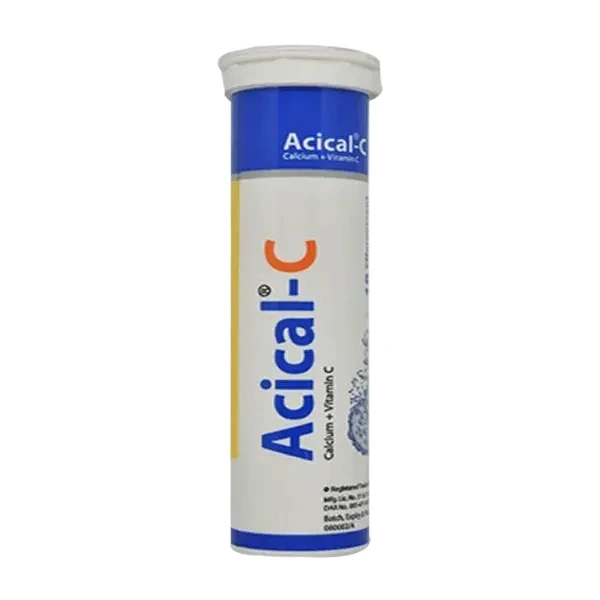
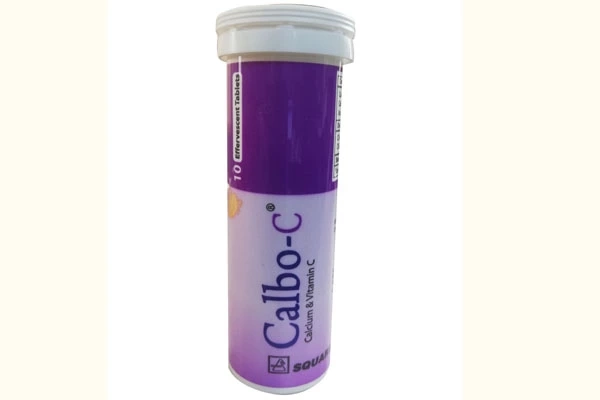
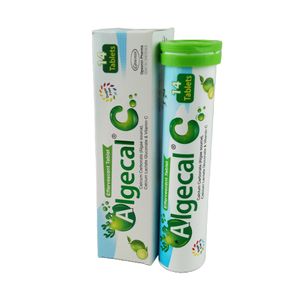
1. What is Ostocal-C Effervescent Tablet 1000 mg+327 mg+500 mg?
Calcium Lactate Gluconate, Calcium Carbonate, and Vitamin C is a combination supplement used to support bone health, enhance calcium absorption, and maintain overall well-being. It provides essential calcium, which is vital for bones and teeth, while Vitamin C aids in collagen production and improves calcium absorption.
2. What are the main uses of this combination?
This combination is primarily used for:
- Preventing and treating calcium deficiency
- Supporting bone health and reducing osteoporosis risk
- Enhancing immune system function
- Promoting wound healing
- Supporting muscle and nerve function
3. How does Calcium Lactate Gluconate differ from Calcium Carbonate?
Calcium Lactate Gluconate is a more soluble form of calcium, making it easier to absorb, especially for individuals with low stomach acid. Calcium Carbonate contains more elemental calcium but requires stomach acid for proper absorption.
4. What role does Vitamin C play in this combination?
Vitamin C enhances calcium absorption by improving its solubility and bioavailability. It also helps in collagen formation, which is important for bone and joint health, and boosts the immune system.
5. Who should take this supplement?
Individuals who may benefit from this supplement include:
- Those with calcium deficiency
- People at risk of osteoporosis
- Pregnant and lactating women
- Elderly individuals with weak bones
- People recovering from fractures
- Individuals with Vitamin C deficiency
6. Can this supplement prevent osteoporosis?
Yes, adequate calcium intake along with Vitamin C can help maintain bone density and reduce the risk of osteoporosis, especially in postmenopausal women and older adults.
7. How should this supplement be taken?
It should be taken as directed by a healthcare professional, usually with food to enhance absorption. The dosage depends on age, medical condition, and dietary calcium intake.
8. Can this supplement be taken on an empty stomach?
Calcium Carbonate is best absorbed with food, while Calcium Lactate Gluconate can be taken with or without food. Taking it with meals can enhance calcium absorption.
9. What is the recommended daily dose?
The recommended daily intake varies based on age and gender. Generally, adults need 1000-1200 mg of calcium per day, and Vitamin C intake should be around 65-90 mg per day.
10. What are the possible side effects?
Common side effects include:
- Mild stomach upset
- Constipation
- Nausea
- Bloating
- Hypercalcemia (if taken in excessive amounts)
11. Can children take this supplement?
Yes, children with calcium or Vitamin C deficiency can take it, but the dosage should be determined by a pediatrician.
12. Can pregnant women take this supplement?
Yes, pregnant women need adequate calcium and Vitamin C for fetal development. However, they should consult their doctor for the correct dosage.
13. Can this supplement be taken with dairy products?
Yes, but consuming excessive calcium from both supplements and dairy can increase the risk of kidney stones. Moderation is key.
14. Does this supplement interact with other medications?
It may interact with certain medications like:
- Antibiotics (tetracyclines and fluoroquinolones)
- Bisphosphonates (used for osteoporosis)
- Thyroid medications
- Diuretics
Always consult a doctor before taking it with other medications.
15. Can I take this supplement with iron?
Calcium can interfere with iron absorption, so it’s best to take them at different times of the day.
16. Can I overdose on calcium?
Yes, excessive calcium intake can lead to hypercalcemia, causing symptoms like kidney stones, muscle weakness, and irregular heartbeat.
17. Does Vitamin C help in calcium absorption?
Yes, Vitamin C increases calcium absorption and supports collagen production for bone and joint health.
18. How long does it take to see the benefits?
It may take weeks to months to notice improvements in bone health and immunity.
19. Can this supplement be used for skin health?
Yes, Vitamin C promotes collagen production, which helps in maintaining healthy skin.
20. Does this supplement help with muscle cramps?
Yes, calcium is essential for muscle contraction and can help reduce muscle cramps.
21. Can this supplement be taken by diabetics?
Yes, but diabetics should consult their doctor before taking any supplements.
22. Can it be used for heart health?
Calcium supports heart muscle function, but excessive intake can cause heart problems. Consult a doctor before use.
23. Can it cause kidney stones?
Excessive calcium intake may increase the risk of kidney stones, especially if fluid intake is low.
24. Is this supplement vegetarian-friendly?
Most calcium supplements are derived from minerals, but check the label for any animal-derived ingredients.
25. Can this supplement help with wound healing?
Yes, Vitamin C promotes wound healing by supporting collagen synthesis.
26. Can it be taken with coffee or tea?
Coffee and tea contain oxalates that can reduce calcium absorption. It's best to take the supplement separately.
27. Can this supplement help with stress and fatigue?
Yes, Vitamin C helps in reducing stress, and calcium supports nerve function, which can help with fatigue.
28. Does this supplement expire?
Yes, check the expiration date and avoid using expired supplements.
29. Can I break or crush the tablet?
Some tablets can be crushed, but check with your pharmacist to ensure effectiveness.
30. Is it safe for long-term use?
Yes, if taken within the recommended dose. However, long-term use should be monitored by a doctor.
31. Does it help with dental health?
Yes, calcium strengthens teeth and helps prevent decay.
32. Can I take it with multivitamins?
Yes, but check for overlapping nutrients to avoid excessive intake.
33. Can it help in menopause?
Yes, calcium and Vitamin C help reduce bone loss in postmenopausal women.
34. Does it help in hair growth?
Vitamin C supports hair growth by improving collagen production.
35. Can I take it before bed?
Yes, but taking it earlier in the day may improve absorption.
36. Is it safe for breastfeeding mothers?
Yes, but consult a doctor for the correct dosage.
37. Does it support immunity?
Yes, Vitamin C is known to boost the immune system.
38. Can it be taken with probiotics?
Yes, probiotics do not interfere with calcium absorption.
39. Can this supplement be taken daily?
Yes, it is generally safe for daily use within recommended limits.
40. What should I do if I miss a dose?
Take it as soon as you remember, but do not double the dose.