Introduction

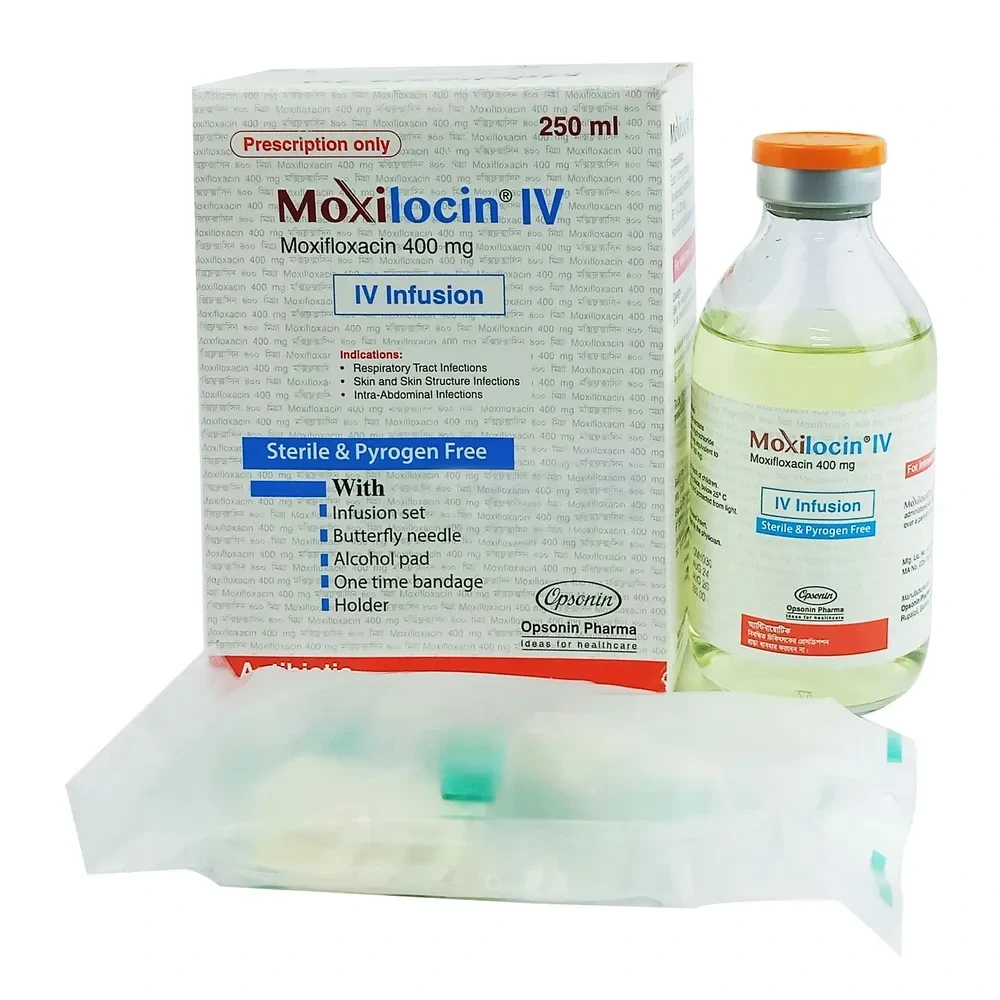
Moxifloxacin hydrochloride is a broad-spectrum fluoroquinolone antibiotic used to treat a variety of bacterial infections. It is often administered intravenously in hospital settings for more severe infections or when oral administration is not possible.

Uses

Moxifloxacin hydrochloride injection is used to treat infections caused by susceptible strains of bacteria. Indications include:

  • Community-acquired pneumonia
  • Complicated skin and soft tissue infections
  • Complicated intra-abdominal infections
  • Acute bacterial sinusitis

Brand Name Optimox
Type IV Infusion
Weight 400 mg/250 ml
Generic Moxifloxacin Hydrochloride (Injection)
Manufacturer Aristopharma Ltd.
Available in English বাংলা

Mechanism of Action

Moxifloxacin works by inhibiting bacterial DNA gyrase and topoisomerase IV, enzymes essential for bacterial DNA replication, transcription, and repair. By blocking these enzymes, moxifloxacin prevents bacterial cell division and growth, ultimately leading to bacterial cell death.

How Long Does It Take to Work?

The onset of action for moxifloxacin can vary, but improvement in symptoms may be observed within a few days of starting treatment. The full course of therapy should be completed as prescribed to ensure complete eradication of the infection.

Absorption

When administered intravenously, moxifloxacin achieves immediate and complete bioavailability. The systemic absorption is direct, bypassing the gastrointestinal tract, which is beneficial in cases where oral administration is not feasible.

Route of Elimination

Moxifloxacin is primarily eliminated through the liver. It undergoes hepatic metabolism and is excreted in the urine and feces. A small amount is eliminated unchanged in the urine.

Dosage

The dose of Moxifloxacin is 400 mg once daily. The duration of therapy depends on the type of infection as described in following:
  • Acute Bacterial Sinusitis: 400 mg once daily for 10 days.
  • Acute Bacterial Exacerbation of Chronic Bronchitis: 400 mg once daily for 5 days.
  • Community Acquired Pneumonia: 400 mg once daily for 7-14 days.
  • Uncomplicated Skin and Skin Structure Infections: 400 mg once daily for 7 days.
  • Complicated Skin and Skin Structure Infections: 400 mg once daily for 7-21 days.
  • Complicated Intra-Abdominal Infections: 400 mg once daily for 5-14 days.

The dosage of moxifloxacin hydrochloride injection depends on the type and severity of the infection. Typical dosages are:

  • For community-acquired pneumonia and complicated skin infections: 400 mg administered intravenously once daily.
  • For complicated intra-abdominal infections: 400 mg administered intravenously once daily.
Treatment duration generally ranges from 5 to 14 days depending on the infection.

Administration

Moxifloxacin hydrochloride is administered intravenously as an infusion. It should be infused slowly over 60 minutes to minimize the risk of adverse reactions. It is important to follow proper aseptic techniques during administration.

Side Effects

Common side effects of moxifloxacin injection include:

  • Nausea and vomiting
  • Diarrhea
  • Headache
  • Dizziness
  • Rash
Serious side effects may include tendonitis, tendon rupture, and QT interval prolongation. Immediate medical attention should be sought if severe side effects occur.

Toxicity

Toxicity can occur with overdose or prolonged use. Symptoms of toxicity may include severe gastrointestinal symptoms, CNS effects such as confusion, and cardiovascular issues. In case of overdose, supportive measures and symptomatic treatment should be employed.

Precautions

- **Tendon Damage**: Moxifloxacin has been associated with tendonitis and tendon rupture, particularly in older adults and those receiving concomitant corticosteroids. - **QT Interval Prolongation**: Use with caution in patients with a history of QT interval prolongation or who are taking other QT-prolonging drugs. - **Liver Function**: Monitor liver function tests in patients with pre-existing liver conditions.

Interaction

Moxifloxacin may interact with other medications, including:

  • Anticoagulants (e.g., warfarin) which may increase bleeding risk.
  • Drugs that prolong the QT interval.
Inform healthcare providers of all medications being taken to avoid potential interactions.

Disease Interaction

Use cautiously in patients with renal impairment, liver disease, or a history of seizures. Adjustments in dosage or monitoring may be required.

Drug Interaction

Potential interactions include:

  • Antacids and iron supplements may reduce moxifloxacin absorption.
  • Drugs that inhibit CYP450 enzymes may increase moxifloxacin levels.
Consult healthcare providers about all medications and supplements being used.

Food Interactions

There are no significant food interactions with moxifloxacin injection as it is administered intravenously. However, oral moxifloxacin should be taken with adequate hydration and away from meals containing calcium or magnesium.

Pregnancy Use

Moxifloxacin is classified as Category C for pregnancy. It should be used during pregnancy only if the potential benefit justifies the potential risk to the fetus. Consult a healthcare provider before use.

Lactation Use

Moxifloxacin is excreted in breast milk. Use with caution during lactation, and weigh the potential benefits against the risks to the infant. Consult a healthcare provider if breastfeeding.

Acute Overdose

In case of acute overdose, supportive care and symptomatic treatment are recommended. There is no specific antidote. Monitor the patient for adverse effects and provide appropriate interventions.

Contraindication

Moxifloxacin is contraindicated in individuals with a known hypersensitivity to fluoroquinolones. It should also be avoided in patients with a history of tendon disorders related to fluoroquinolone use.

Use Direction

Follow the prescribed dosage and administration guidelines. Administer the infusion slowly over 60 minutes and monitor the patient for any adverse reactions during and after infusion.

Storage Conditions

Store moxifloxacin hydrochloride injection at room temperature (20-25°C) and protect from light. Do not freeze or expose to extreme temperatures. Keep out of reach of children.

Volume of Distribution

The volume of distribution for moxifloxacin is approximately 2.2 to 2.8 L/kg, indicating good tissue penetration.

Half Life

The half-life of moxifloxacin is approximately 12 hours. This allows for once-daily dosing when administered intravenously.

Clearance

Moxifloxacin is primarily cleared by the liver with a clearance rate of approximately 2.7 L/h. Renal clearance is minimal, reflecting its predominant hepatic metabolism.

See in details version Optimox IV Infusion 400 mg/250 ml also Optimox IV Infusion 400 mg/250 ml in bangla

Social card

Uses

Some Frequently Asked Questions About Optimox IV Infusion 400 mg/250 ml

*** Taking medicines without doctor's advice can cause long-term problems.
Prof. Dr. Md. Faruque

Prof. Dr. Md. Faruque

Clinical & Interventional Cardiologist

Call Doctor
Dr. Shiplu Bosak

Dr. Shiplu Bosak

Gastrointestinal, Liver Medicine & Pancreatic Diseases Specialist

Call Doctor
Dr. AFM Ekramuddaula

Dr. AFM Ekramuddaula

ENT (Ear, Nose, Throat) Specialist & Head Neck Surgeon

Call Doctor
Related Medicines