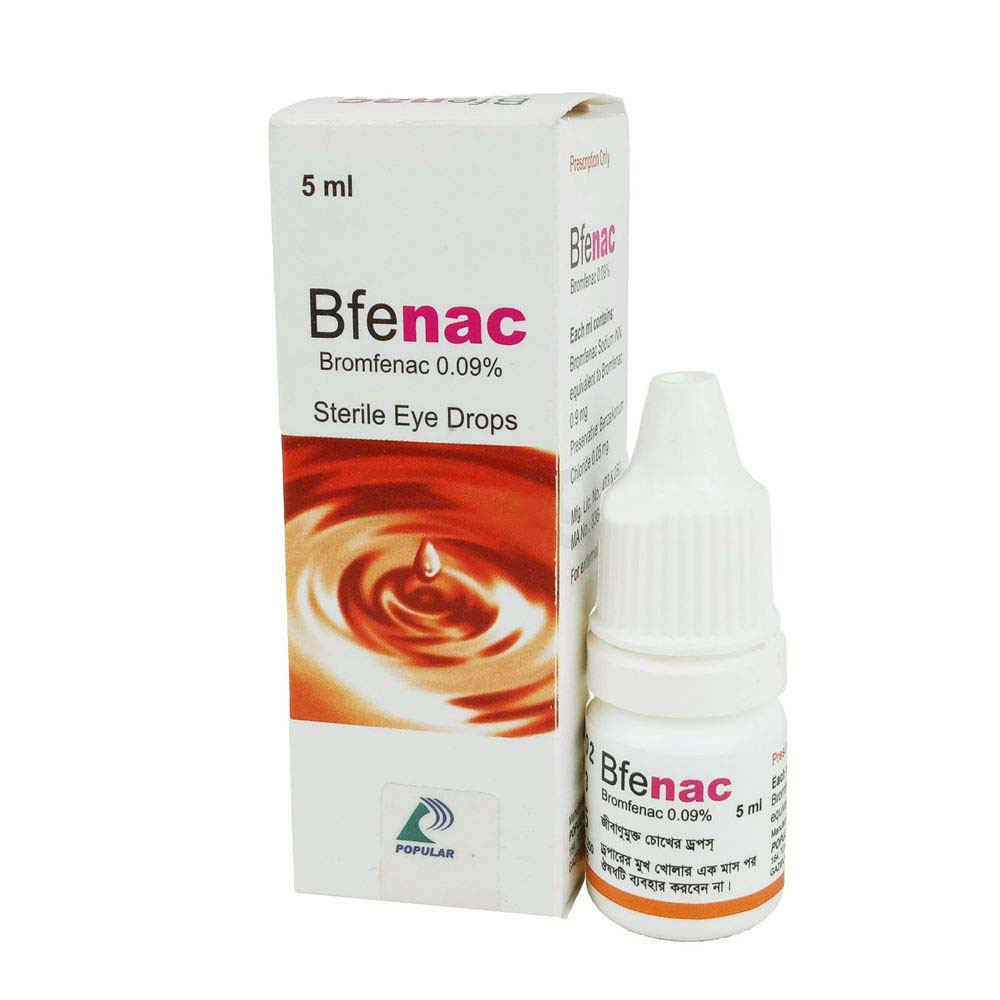
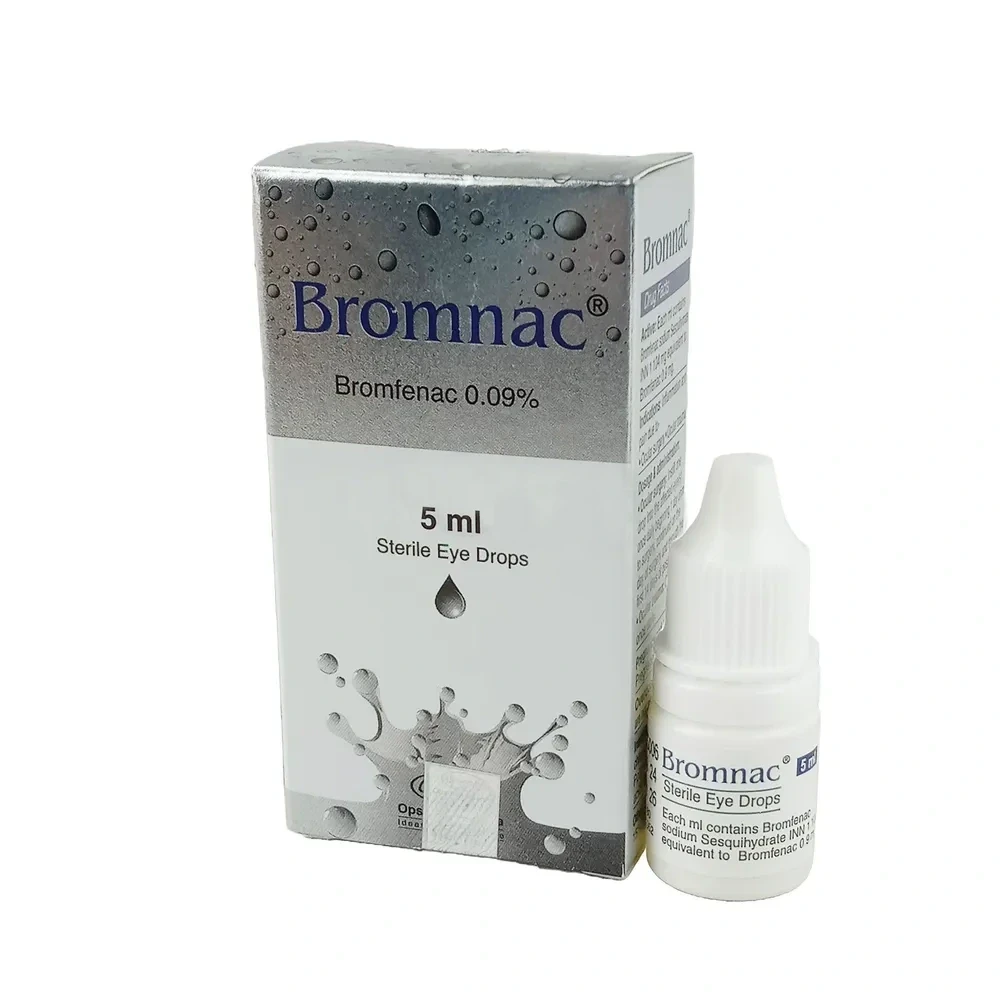
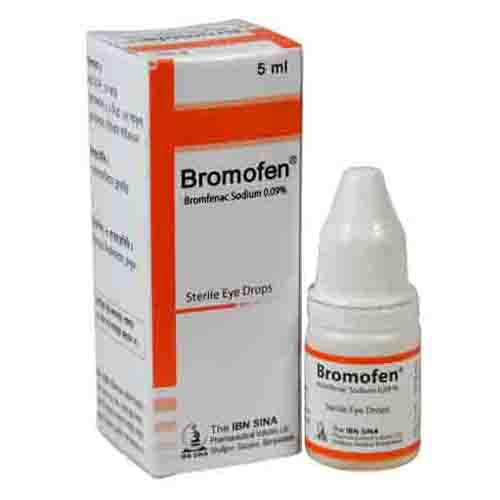
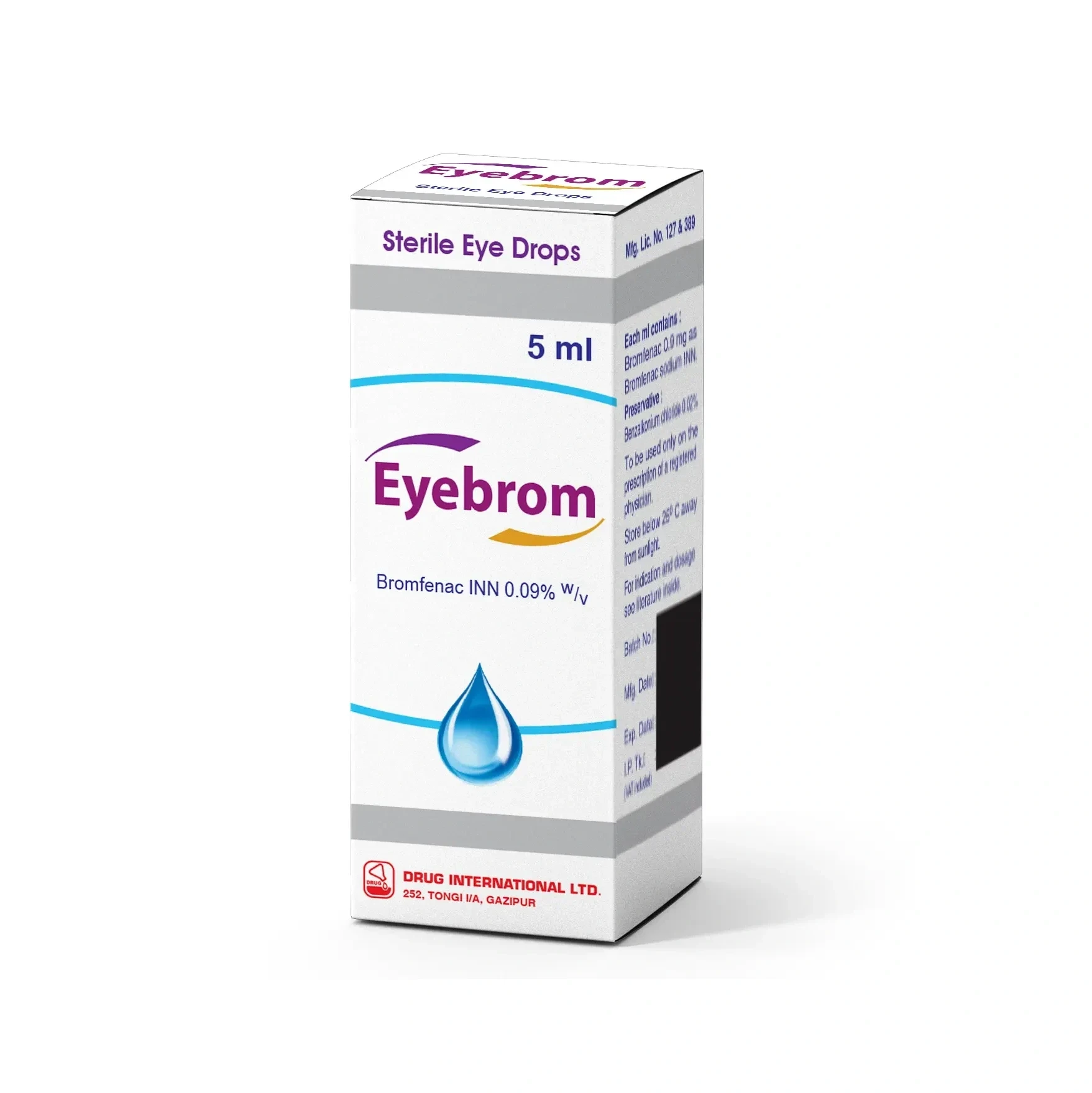
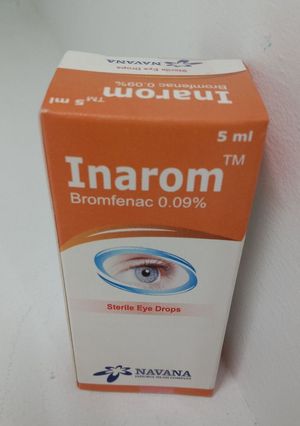
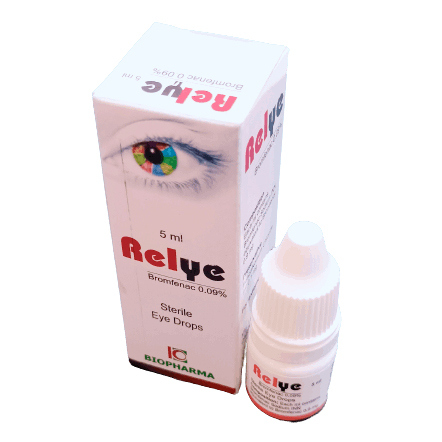
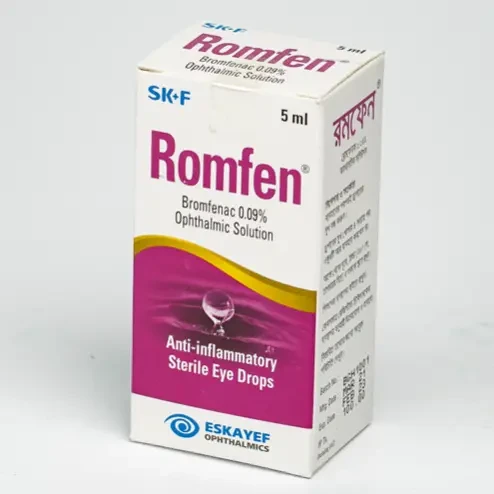
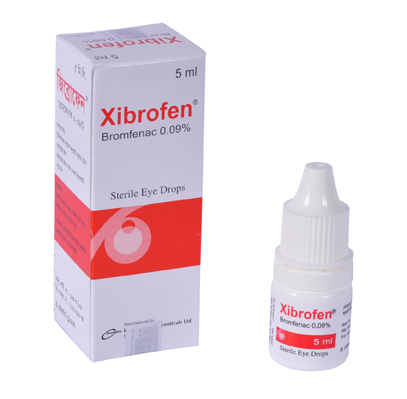
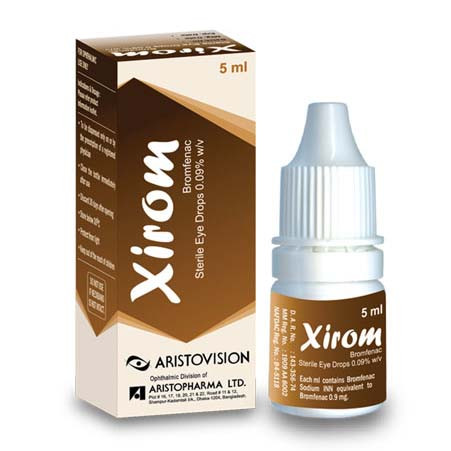
Optifen Ophthalmic Solution 0.09% is a nonsteroidal anti-inflammatory drug (NSAID) used to treat inflammation and pain. It works by blocking the production of certain natural substances that cause the inflammation and pain. Optifen Ophthalmic Solution 0.09% is used in the treatment of symptoms of rheumatoid arthritis, osteoarthritis, juvenile rheumatoid arthritis, and ankylosing spondylitis.
Optifen Ophthalmic Solution 0.09% is commonly used for the treatment of inflammatory conditions, such as rheumatoid arthritis, osteoarthritis, juvenile rheumatoid arthritis, and ankylosing spondylitis. It is also used to reduce pain associated with these conditions.
| Brand Name | Optifen |
|---|---|
| Type | Ophthalmic Solution |
| Weight | 0.09% |
| Generic | Bromfenac Sodium |
| Manufacturer | Globe Pharmaceuticals Ltd. |
| Available in | English বাংলা |
Optifen Ophthalmic Solution 0.09% works by blocking the production of certain natural substances that cause inflammation and pain. This reduces the inflammation and pain in the affected area.
Optifen Ophthalmic Solution 0.09% can take up to 4-6 weeks to take full effect. It is best to continue taking the medication for the full course of treatment to ensure the best results.
Optifen Ophthalmic Solution 0.09% is absorbed through the gastrointestinal tract. It reaches peak absorption within 1-2 hours after taking it orally, with blood levels of the drug increasing up to four times.
Optifen Ophthalmic Solution 0.09% is eliminated through the kidneys. Most of the drug (80%) is excreted in urine within 24 hours, while the remaining 20% is eliminated in feces.
Optifen Ophthalmic Solution 0.09% is available in tablets of 0.5 mg and 1.5 mg. The usual dose for adults is one tablet of 0.5 mg twice daily or one tablet of 1.5 mg once daily, depending on the condition being treated. For children, the dose of Optifen Ophthalmic Solution 0.09% should be determined by a doctor.
Optifen Ophthalmic Solution 0.09% is usually taken orally, with or without food. It should be taken at the same time each day to help maintain an even drug level in the body.
Common side effects of Optifen Ophthalmic Solution 0.09% include stomach discomfort, vomiting, nausea, diarrhea, inflammations, headache, dizziness, blurred vision, itching, and rashes. If any of these symptoms persist or worsen, contact a doctor or pharmacist immediately.
Optifen Ophthalmic Solution 0.09% is generally well-tolerated and has a low risk of toxicity when taken as directed. However, taking more than the recommended dosage can lead to an increased risk of side effects and toxicity.
Optifen Ophthalmic Solution 0.09% should be used with caution in individuals with a history of gastrointestinal ulcers or bleeding, heart problems, kidney or liver problems, or high blood pressure. It should also be used with caution in pregnant or breastfeeding women. Patients should avoid alcohol and other NSAIDs while taking Optifen Ophthalmic Solution 0.09%.
Optifen Ophthalmic Solution 0.09% may interact with other medications, such as anticoagulants, corticosteroids, NSAID pain relievers, potassium-sparing diuretics, lithium, and water pills. Patients should inform their doctor about all the medications they are taking before starting Optifen Ophthalmic Solution 0.09%.
Optifen Ophthalmic Solution 0.09% may interact with certain diseases, such as hypertension, cardiovascular diseases, and bleeding disorders. Therefore, it should be used with caution in patients with these conditions.
Optifen Ophthalmic Solution 0.09% may interact with certain drugs, such as anticoagulants, corticosteroids, NSAID pain relievers, water pills, and lithium. It is important to tell your doctor about all the drugs you are taking before starting Optifen Ophthalmic Solution 0.09%.
Optifen Ophthalmic Solution 0.09% interacts with food and should be taken at least 1 hour before or 2 hours after eating. Patients should avoid alcohol and other NSAIDs while taking Optifen Ophthalmic Solution 0.09%.
Optifen Ophthalmic Solution 0.09% should not be used during pregnancy unless the benefits outweigh the risks. It is not known if Optifen Ophthalmic Solution 0.09% passes into breast milk, so it should be used with caution in breastfeeding women.
Symptoms of an acute overdose of Optifen Ophthalmic Solution 0.09% may include stomach pain, nausea, vomiting, dizziness, and headaches. If an overdose is suspected, contact a poison control center or local emergency department immediately.
Optifen Ophthalmic Solution 0.09% is contraindicated in patients who are allergic to it or those with a history of gastrointestinal ulcers or bleeding, heart problems, kidney or liver problems, or high blood pressure.
Optifen Ophthalmic Solution 0.09% should be taken as directed by a healthcare provider. It should be taken with a full glass of water and with or without food, at least 1 hour before or 2 hours after meals. Do not crush or chew the tablets. The dosage and duration of treatment should be adjusted according to the individual patient’s needs.
Optifen Ophthalmic Solution 0.09% should be stored at room temperature away from moisture and heat. Keep it out of the reach of children and pets.
The volume of distribution of Optifen Ophthalmic Solution 0.09% is 0.5 L/kg.
The half life of Optifen Ophthalmic Solution 0.09% is 11-17 hours.
The clearance of Optifen Ophthalmic Solution 0.09% is 125 mL/min.
See in details version Optifen Ophthalmic Solution 0.09% also Optifen Ophthalmic Solution 0.09% in bangla