Introduction
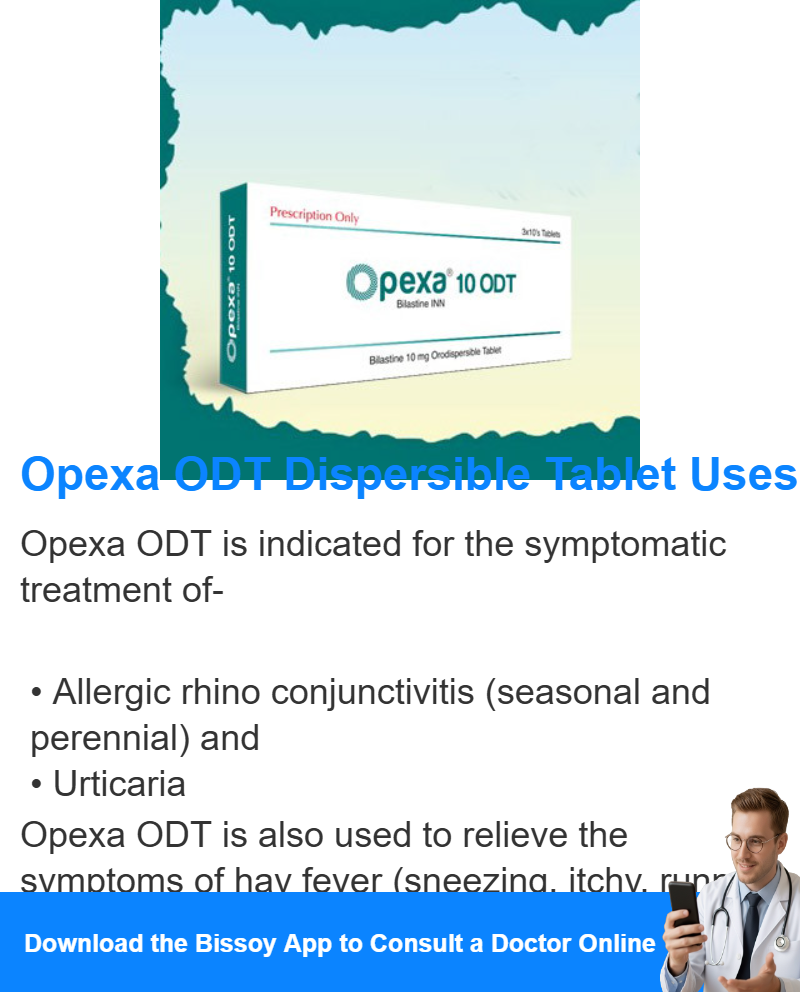
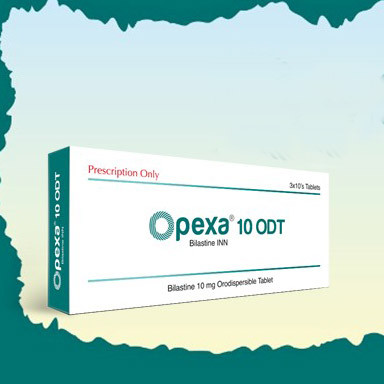
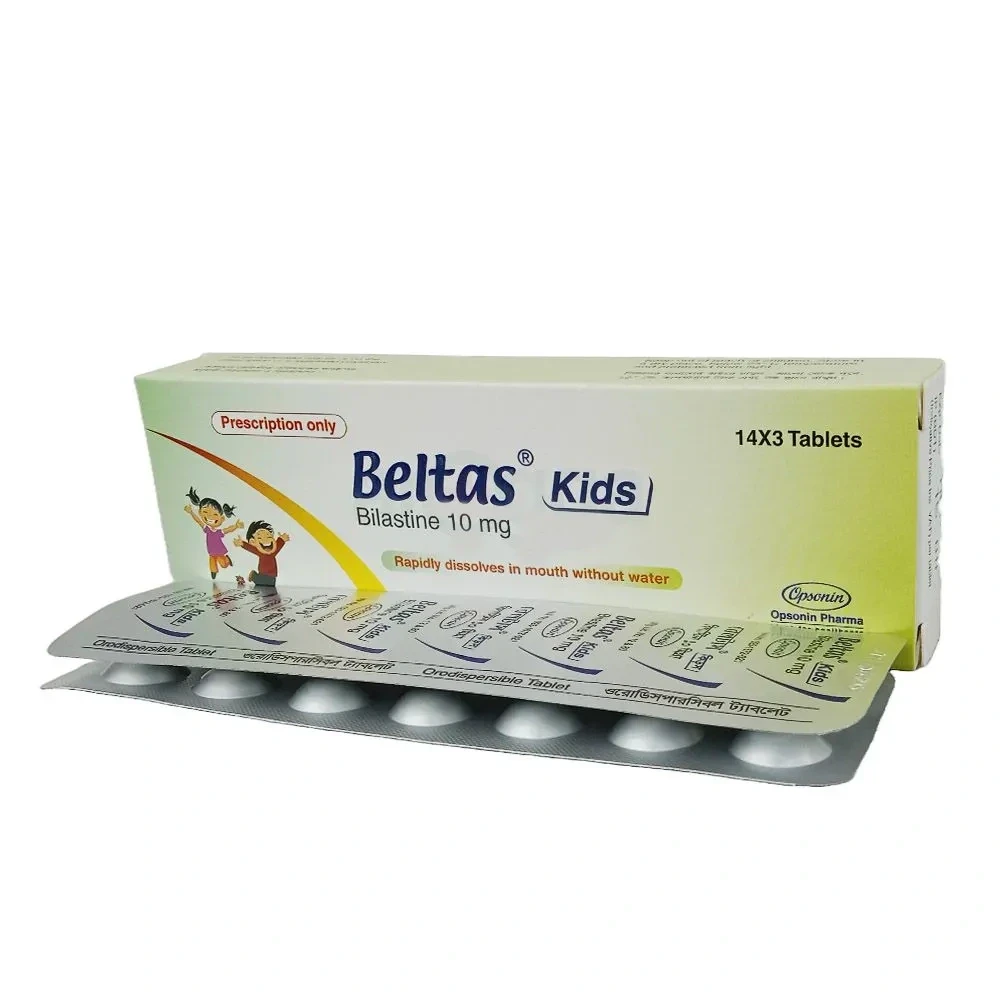
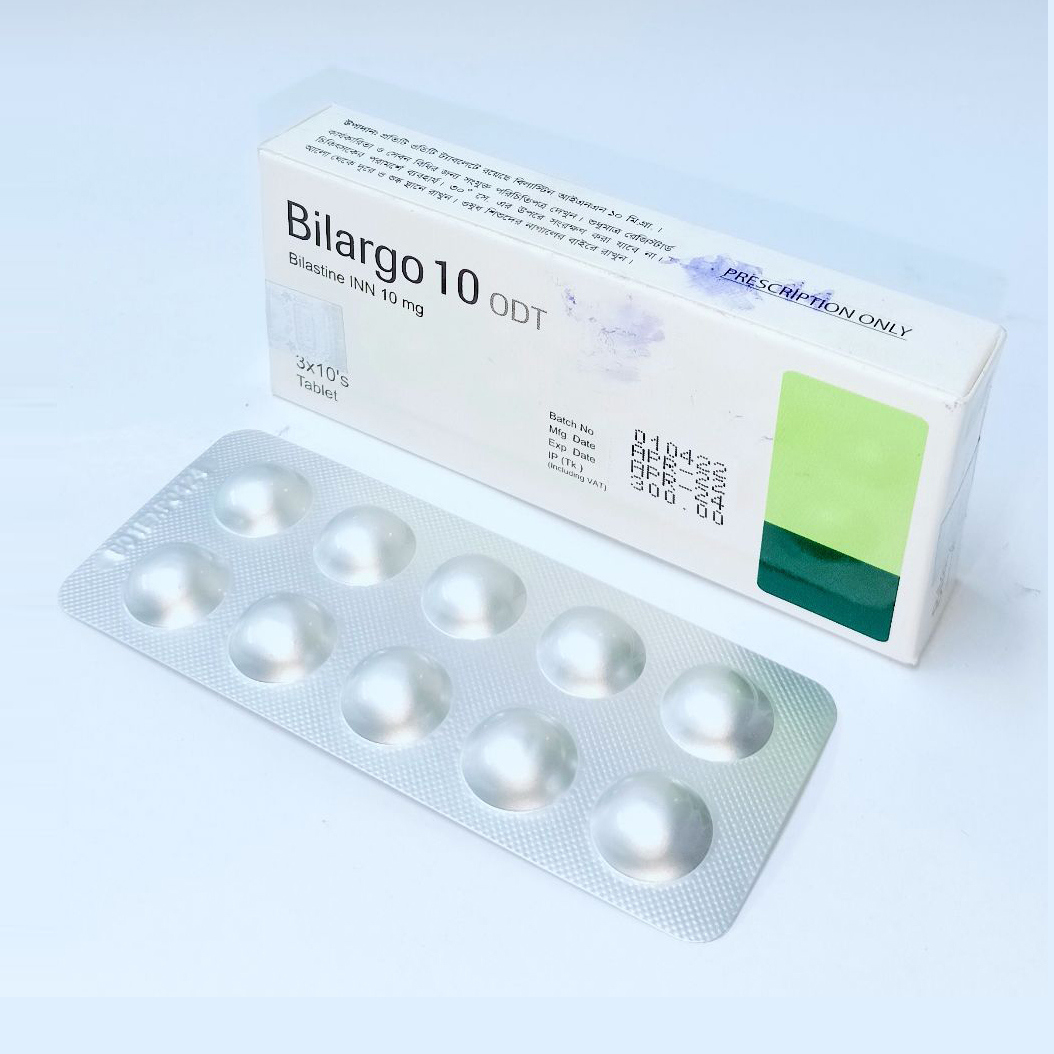
Opexa ODT Dispersible Tablet 10 mg is a novel new-generation antihistamine that is highly selective for the H1 histamine receptor, has a rapid onset and prolonged duration of action.
Uses
Opexa ODT Dispersible Tablet 10 mg is a peripheral histamine H1-antagonist used to treat seasonal allergic rhinitis and chronic spontaneous urticaria.
For symptomatic relief of nasal and non-nasal symptoms of seasonal rhinitis in patients 12 years of age and older and for symptomatic relief in chronic spontaneous urticaria in patients 18 years of age and older .
Associated Conditions
Pharmacodynamics
Opexa ODT Dispersible Tablet 10 mg is an antiallergenic and acts to reduce allergic symptoms such as nasal congestion and urticaria .
Mechanism of Action
Opexa ODT Dispersible Tablet 10 mg is a selective histamine H1 receptor antagonist (Ki = 64nM) . During allergic response mast cells undergo degranulation which releases histamine and other subastances. By binding to and preventing activation of the H1 receptor, bilastine reduces the development of allergic symptoms due to the release of histamine from mast cells.
Absorption
Opexa ODT Dispersible Tablet 10 mg has a Tmax of 1.13 h . The absolute bioavailability is 61%. No accumulation observed with daily dosing of 20-100 mg after 14 days. Cmax decreased by 25 % and 33% when taken with a low fat and high fat meal compared to fasted state. Administration with grapefruit juice decreased Cmax by 30%.
Protein Binding
Opexa ODT Dispersible Tablet 10 mg is 84-90% bound to human plasma proteins .
Route of Elimination
Opexa ODT Dispersible Tablet 10 mg is mainly excreted in the feces (66.5%) with some excreted in the urine (28.3%) . Nearly all is excreted as the parent compound.
Half Life
The mean half life of elimination is 14.5h .
Clearance
Opexa ODT Dispersible Tablet 10 mg has a total clearance is 9.20 L/h and a renal clearance of 8.7 L/h .
Toxicity
The most common adverse effects experienced during clinical trials were abdominal pain, dizziness, headache, and somnolence . Opexa ODT Dispersible Tablet 10 mg is associated with Q/T prolongation. The no observed adverse effect level of bilastine is 1200 mg/kg/day in rats and 125 mg/kg/day in dogs .
Food Interactions
- Avoid grapefruit products. Avoid other fruit juice as well for optimal absorption.
- Take on an empty stomach. Take at least two hours before or one hour after eating.
Dosage
Children between 6 to 11 years: 10 mg mouth dissolving tablet for the symptomatic relief of allergic rhinitis, allergic rhinoconjunctivitis and urticaria. The Mouth dissolving tablet is for oral use only. It should be placed in the mouth. It will disperse rapidly in saliva and can be easily swallowed. Alternatively, the mouth dissolving tablet can be dispersed in a tea spoon of water before being swallowed by the children. The maximum recommended daily dose for children in between 6 to 11 years is 10 mg Opexa ODT Dispersible Tablet 10 mg mouth dissolving tablet (1 tablet) and should not be exceeded. If a dose is missed, the next scheduled dose should be taken. An extra dose should not be taken.
Children between 2 to 11 years: 4 ml once daily.