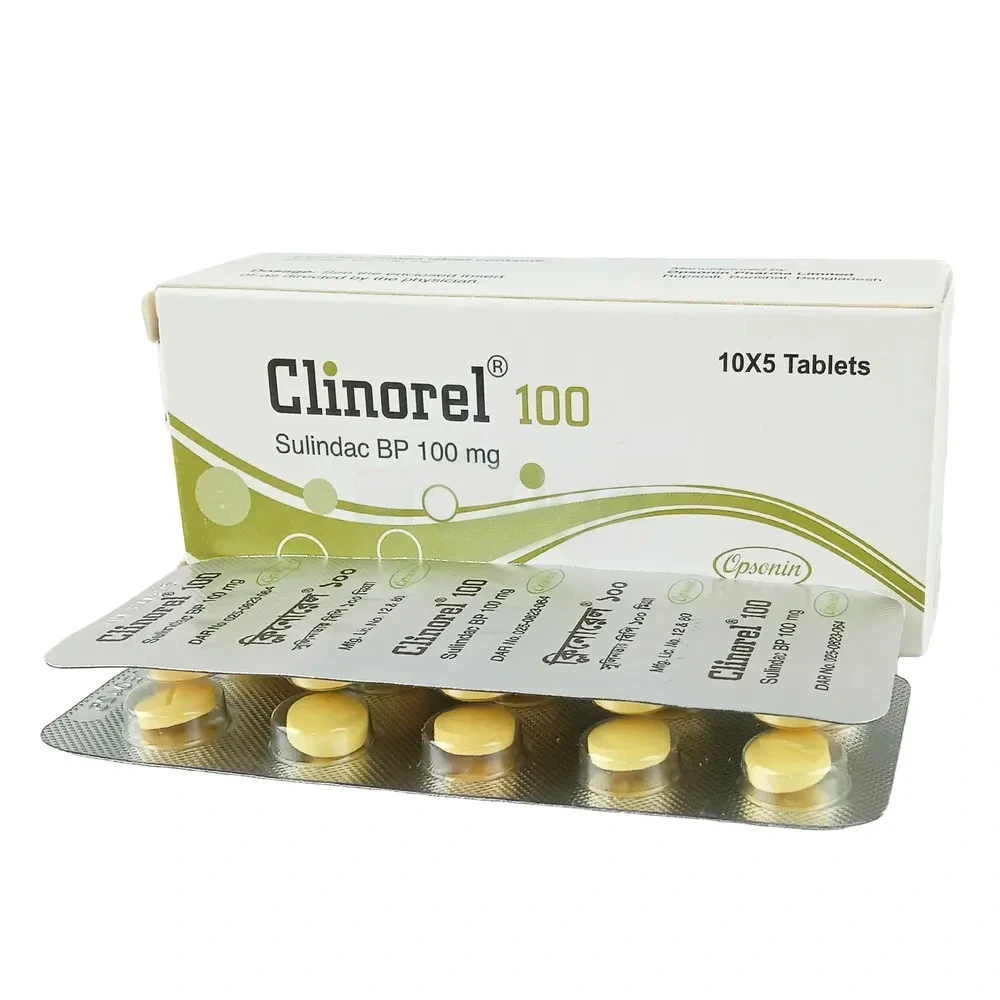
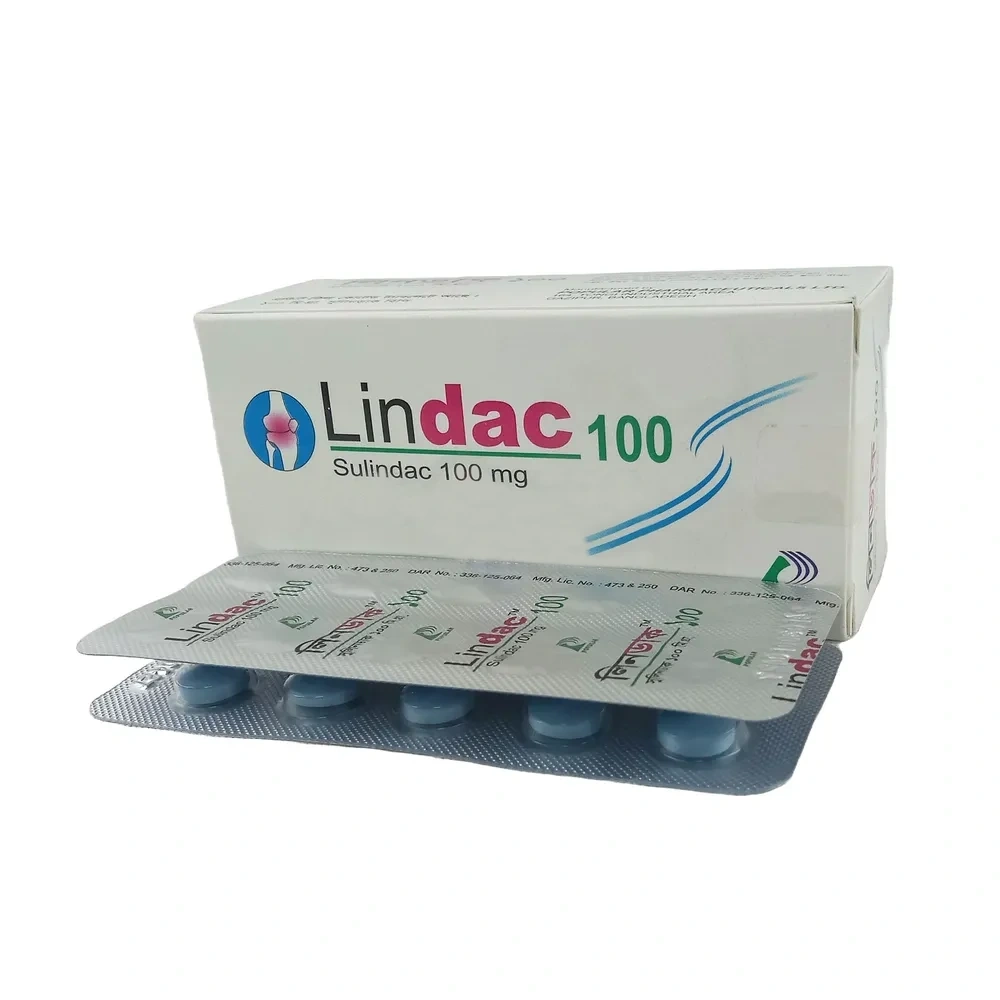
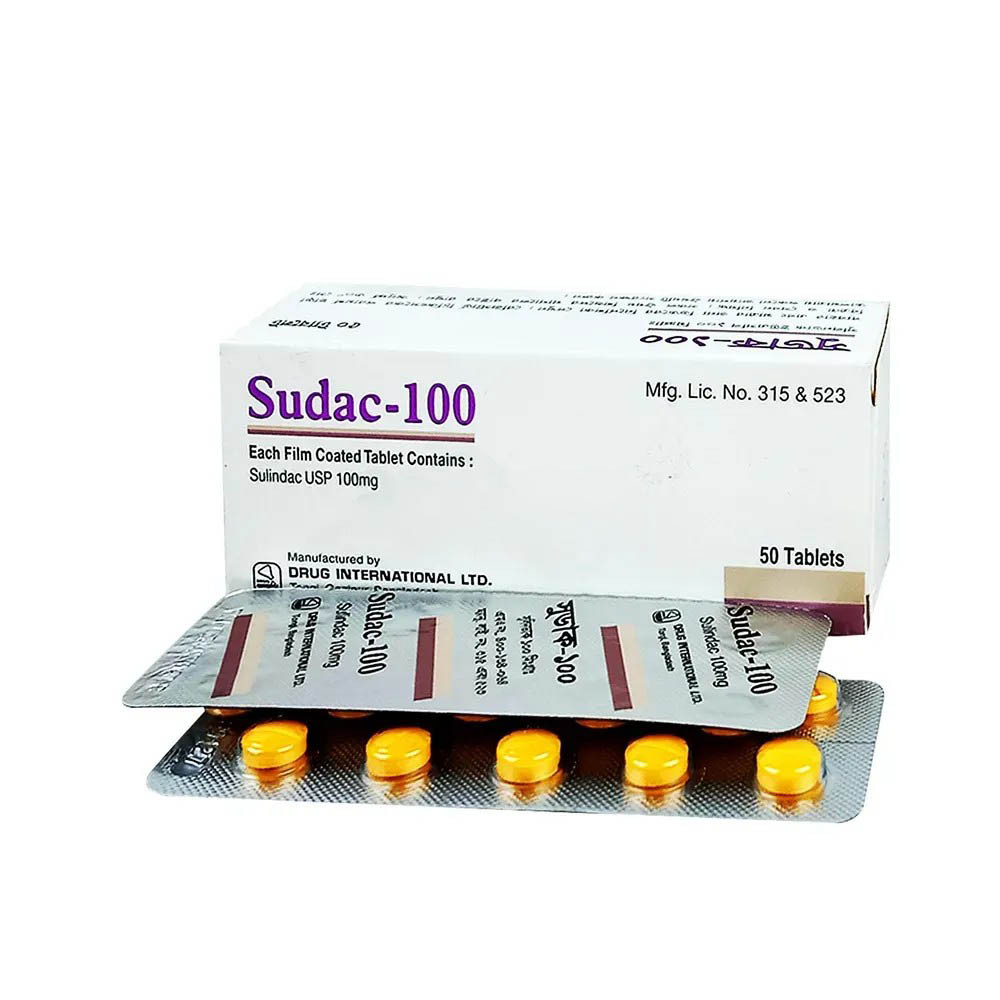
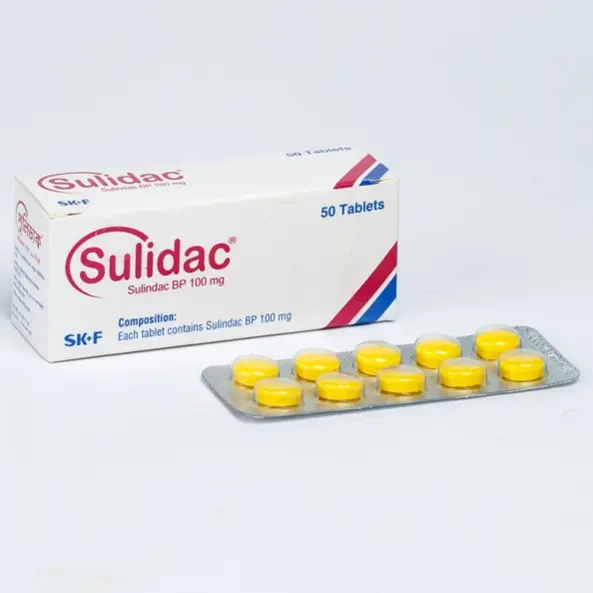
Olida Tablet 100 mg

Olida Tablet 100 mg is a nonsteroidal anti-inflammatory drug (NSAID) used to treat pain and inflammation. It is used to reduce inflammation and pain associated with rheumatoid arthritis, ankylosing spondylitis, bursitis, and gout. Olida Tablet 100 mg may also be used to relieve pain caused by tension headaches and mild to moderate pain following surgical procedures.

Uses For Olida Tablet 100 mg

Olida Tablet 100 mg is indicated for the relief of the signs and symptoms of rheumatoid arthritis, ankylosing spondylitis, bursitis, and gout. It can also be used to reduce pain still associated with tension headaches and mild to moderate pain following surgical procedures.

Mechanism Of Action

Olida Tablet 100 mg works by blocking the action of cyclooxygenase enzymes, which in turn reduces the production of the prostaglandins that cause inflammation and pain. Olida Tablet 100 mg is a prodrug which is converted to sulindac sulfide in the liver by phase I metabolic pathways.

How Long Does It Take To Work?

It may take several days or weeks of taking Olida Tablet 100 mg for it to reach its maximum effectiveness. Generally, Olida Tablet 100 mg starts to work within a few days and its full effects may be seen within two to four weeks.

Absorption

Olida Tablet 100 mg is rapidly and nearly completely absorbed from the gastrointestinal tract.

Route Of Elimination

Olida Tablet 100 mg is eliminated mainly via the kidneys, with only a small amount being eliminated in the feces.

Dosage

Sulindac should be administered orally twice a day with food. The maximum dosage is 400 mg per day. Dosages above 400 mg per day are not recommended. In osteoarthritis, rheumatoid arthritis & ankylosing spondylitis, the recommended starting dosage is 150 mg. In acute painful shoulder & acute gouty arthritis the recommended dosage is 200 mg twice a day. The dosage may be lowered or raised depending on the response. After a satisfactory response has been achieved, the dosage may be reduced according to the response. Or, as directed by the registered physicians.

The recommended adult dosage of Olida Tablet 100 mg is 150 mg to 300 mg taken orally twice per day. Dosage should be adjusted as needed depending on the individual's needs. However, the maximum recommended dose is 600 mg per day.

Administration

Olida Tablet 100 mg should be taken with food or milk to reduce stomach irritation. It should be taken with a full glass of water and may be taken with or without food. Do not break, crush, or chew the tablet. Do not take more than the recommended dose.

Side Effects

The most common side effects of Olida Tablet 100 mg include stomach upset, heartburn, nausea, diarrhea, constipation, headache, mild skin rash, and dizziness.

Toxicity

Olida Tablet 100 mg can be toxic when taken in large doses or for a long period of time. Signs of toxicity include dizziness, confusion, nausea, vomiting, abdominal pain, and loss of appetite.

Precaution

Patients with a history of allergies, asthma, kidney, or liver disease should inform their doctor prior to taking Olida Tablet 100 mg as it can worsen the symptoms of those conditions. Olida Tablet 100 mg should also be avoided in individuals with a history of bleeding disorders as it can increase the risk of bleeding. It is also important to inform your doctor if you are pregnant, breastfeeding, or planning to become pregnant.

Interaction

It is important to inform your doctor and pharmacist of all medications that are being taken in order to avoid potential drug interactions with Olida Tablet 100 mg. Olida Tablet 100 mg may interact with other NSAIDs, corticosteroids, diuretics, SSRIs, and vasodilators.

Disease Interaction

Olida Tablet 100 mg may worsen the symptoms of certain diseases such as asthma, allergies, kidney disease, and liver disease. It is important to inform your doctor of any medical conditions you may have prior to taking Olida Tablet 100 mg.

Drug Interaction

Drug interactions may occur when Olida Tablet 100 mg is taken with other medications such as anticoagulants, SSRIs, aspirin, and corticosteroids. It is important to inform your doctor and pharmacist of all medications that are being taken in order to avoid potential drug interactions.

Food Interactions

Foods containing high amounts of salicylates such as raisins, apples, wine, and beer should be avoided while taking Olida Tablet 100 mg as these foods may increase the risk of stomach irritation.

Pregnancy Use

Olida Tablet 100 mg should be used during pregnancy only if the potential benefit justifies the potential risk to the fetus. It is important to inform your doctor if you are pregnant or planning to become pregnant.

Lactation Use

Olida Tablet 100 mg should not be used while breastfeeding as it may pass through breast milk and cause harm to the infant.

Acute Overdose

If an overdose of Olida Tablet 100 mg is suspected, it is important to seek medical attention immediately. Signs of a Olida Tablet 100 mg overdose can include dizziness, nausea, vomiting, and abdominal pain.

Contraindication

Olida Tablet 100 mg is contraindicated in patients with a history of allergy, asthma, kidney or liver disease, bleeding disorders, or uncontrolled hypertension.

Use Direction

Olida Tablet 100 mg should be taken orally, usually twice a day with food or milk. The dosage should be adjusted according to the individual's needs, but the maximum recommended daily dose is 600 mg.

Storage Condition

Olida Tablet 100 mg should be stored at room temperature, away from light and moisture. It should also be kept out of reach of children.

Volume of Distribution

The volume of distribution of Olida Tablet 100 mg is approximately 5.2 L/kg.

Half Life

The elimination half-life of Olida Tablet 100 mg is between 3 and 4 hours.

Clearance

The clearance of Olida Tablet 100 mg is approximately 3.2 L/h/kg.

See in details version Olida Tablet 100 mg also Olida Tablet 100 mg in bangla

Some Frequently Asked Questions About Olida Tablet 100 mg

*** Taking medicines without doctor's advice can cause long-term problems.
Dr. Md. Afzalur Rahman

Dr. Md. Afzalur Rahman

Urology Specialist & Laparoscopic Surgeon

Call Doctor
Dr. Md. Rafiqul Islam

Dr. Md. Rafiqul Islam

Brain, Nerve, Spine & Neurosurgeon

Call Doctor
Related Medicines