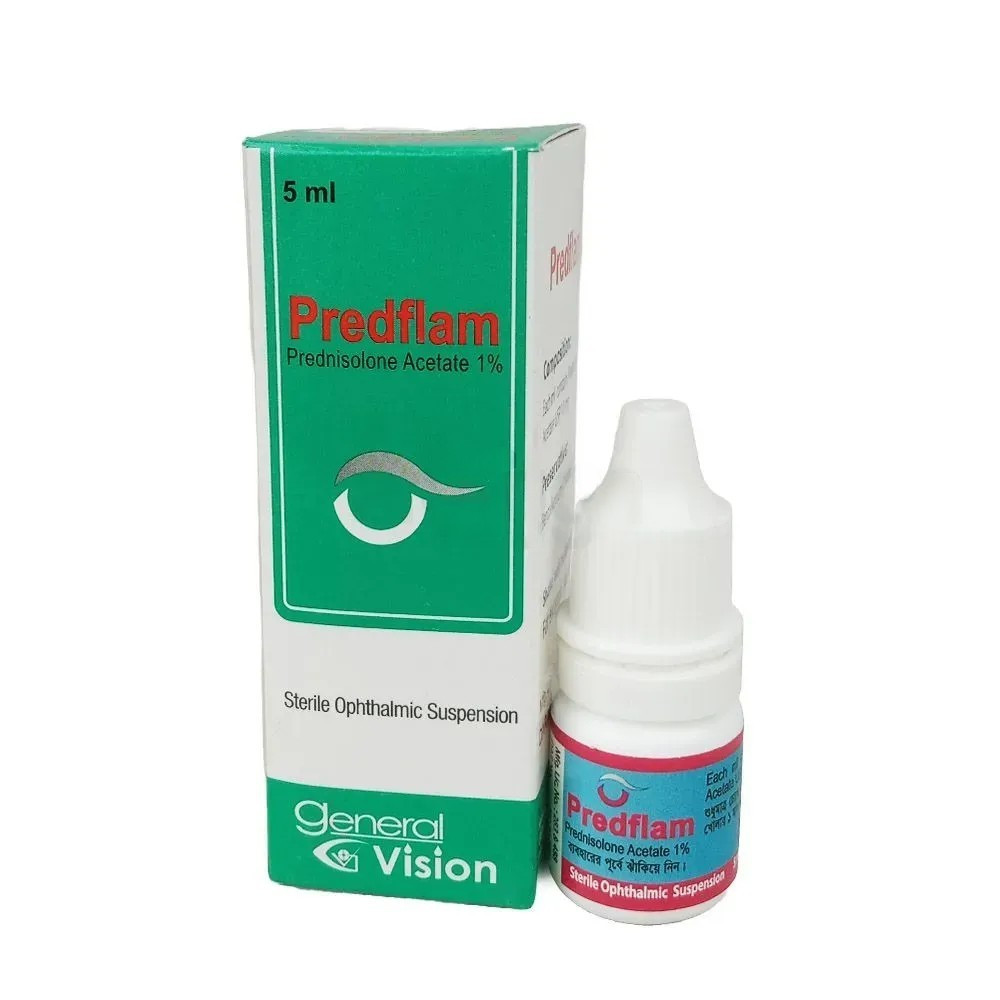
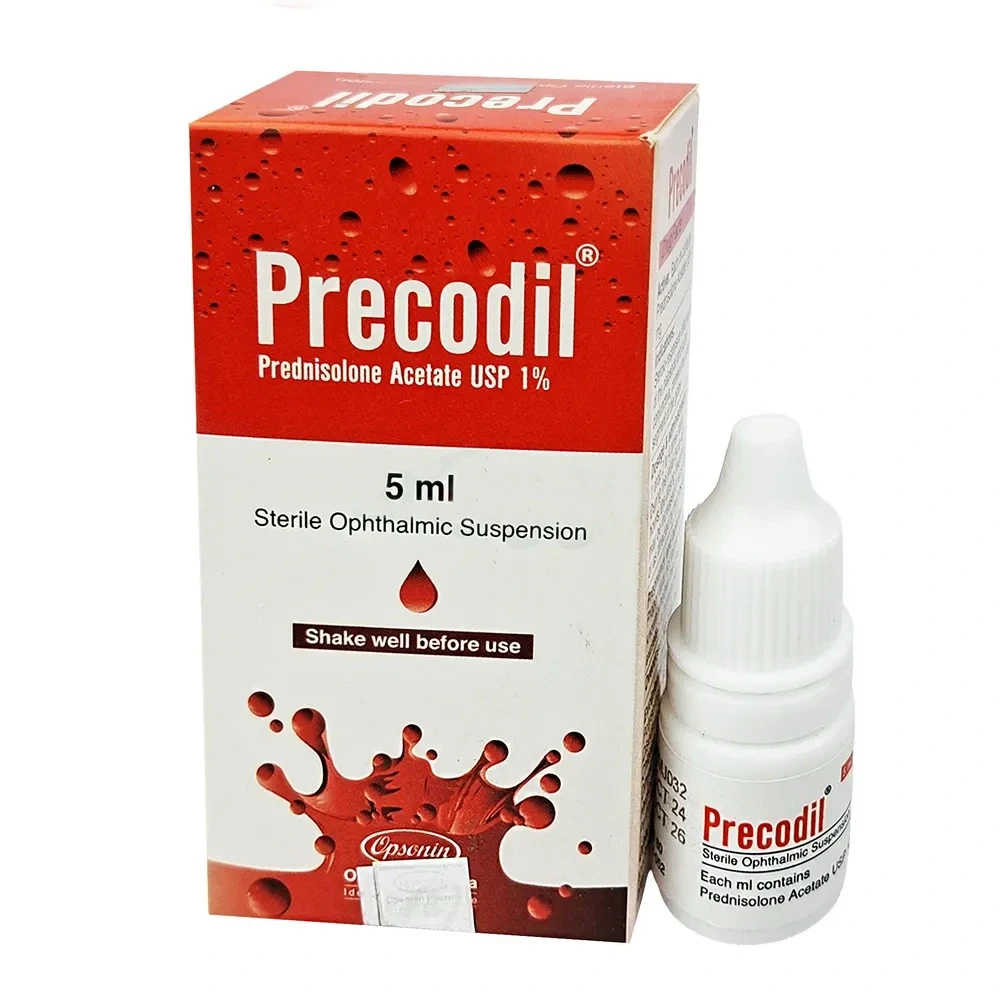
Introduction
Prednisolone acetate is a prednisolone molecule bound to an acetate functional group by an ester bond.
Uses
Prednisolone acetate is a glucocorticoid used to treat a wide variety of endocrine, inflammatory, and immune conditions as well as for palliation of neoplastic conditions.
Prednisolone acetate is indicated as an anti-inflammatory or immunosuppressive agent for allergic, dermatologic, gastrointestinal, hematologic, ophthalmologic, nervous system, renal, respiratory, rheumatologic, or infectious conditions. Prednisolone acetate is also indicated in organ transplant patients, as well as endocrine or neoplastic conditions.
Associated Conditions
Pharmacodynamics
Corticosteroids bind to the glucocorticoid receptor, inhibiting pro-inflammatory signals, and promoting anti-inflammatory signals. Prednisolone acetate has a short duration of action as the half life is 2-3 hours. Corticosteroids have a wide therapeutic window as patients make require doses that are multiples of what the body naturally produces. Patients taking corticosteroids should be counselled regarding the risk of hypothalamic-pituitary-adrenal axis suppression and increased susceptibility to infections.
Mechanism of Action
The short term effects of corticosteroids are decreased vasodilation and permeability of capillaries, as well as decreased leukocyte migration to sites of inflammation. Corticosteroids binding to the glucocorticoid receptor mediates changes in gene expression that lead to multiple downstream effects over hours to days.
Glucocorticoids inhibit neutrophil apoptosis and demargination; they inhibit phospholipase A2, which decreases the formation of arachidonic acid derivatives; they inhibit NF-Kappa B and other inflammatory transcription factors; they promote anti-inflammatory genes like interleukin-10.
Lower doses of corticosteroids provide an anti-inflammatory effect, while higher doses are immunosuppressive. High doses of glucocorticoids for an extended period bind to the mineralocorticoid receptor, raising sodium levels and decreasing potassium levels.
Absorption
Prednisolone acetate oral suspension given at a dose equivalent to 15mg prednisolone has a Cmax of 321.1ng/hr, a Tmaxof 1-2 hours, and an AUC of 1999.4ng*hr/mL. The absorption pharmacokinetics of prednisolone acetate are not significantly different from a comparable dose of prednisolone.
Volume of Distribution
The volume of distribution of the active metabolite, prednisolone, is 0.22/0.7L/kg.
Protein Binding
The active metabolite, prednisolone, is 70-90% protein bound in plasma.
Route of Elimination
Prednisolone acetate is predominantly excreted in the urine.
Half Life
Oral prednisolone acetate has a plasma half life of 2-3 hours.
Clearance
Data regarding the clearance of prednisolone acetate is not readily available.
Toxicity
The oral LD50 of prednisolone acetate in mice is 1680 mg/kg. Patients experiencing an overdose of oral prednisolone acetate may experience an increased severity in the adverse effects of corticosteroids. Overdose of oral prednisolone acetate may be treated by gastric lavage or inducing vomiting if the overdose was recent, as well as supportive and symptomatic therapy. Chronic overdosage may be treated by dose reduction or treating patients on alternate days. An overdose by the ophthalmic route is not expected to cause problems.
Food Interactions
- Avoid excessive or chronic alcohol consumption. Alcohol may cause gastric irritation.
- Take with food. Food reduces gastrointestinal irritation.
Dosage
Paediatric: Safety and effectiveness in pediatric patients have not been established.