Introduction
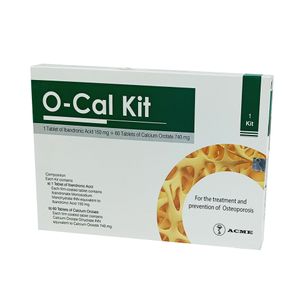
Ibandronic Acid and Calcium Orotate are used together in the treatment and prevention of osteoporosis. Ibandronic Acid is a bisphosphonate that helps to reduce bone loss, while Calcium Orotate is a calcium salt that supports bone health by providing essential calcium.
Uses
Ibandronic Acid is primarily used for:
- Treating and preventing osteoporosis in postmenopausal women.
- Reducing the risk of fractures associated with osteoporosis.
Calcium Orotate is used for:
- Providing supplemental calcium to support bone health.
- Preventing and treating calcium deficiencies that can contribute to osteoporosis.
Mechanism of Action
Ibandronic Acid works by inhibiting osteoclast-mediated bone resorption, which slows down the loss of bone mass and reduces the risk of fractures. It binds to bone hydroxyapatite and decreases bone turnover. Calcium Orotate, on the other hand, provides calcium that is crucial for maintaining bone density and strength.
How Long Does It Take to Work?
Ibandronic Acid can start to show effects on bone density within 3 to 6 months of use, but significant benefits may take up to 1 to 2 years to become apparent. Calcium Orotate provides immediate supplementation of calcium, though the improvement in bone health will depend on the overall management of osteoporosis and dietary intake.
Absorption
Ibandronic Acid is poorly absorbed from the gastrointestinal tract, with less than 1% of the dose reaching the systemic circulation. It is best absorbed when taken on an empty stomach with plain water. Calcium Orotate is absorbed through the gastrointestinal tract, where it provides calcium for bone mineralization.
Route of Elimination
Ibandronic Acid is primarily eliminated through the urine, with minimal metabolism occurring. Calcium Orotate is also excreted via the kidneys, though calcium can be reabsorbed in the body as needed.
Dosage
The dosage of Ibandronic Acid typically is:
- 150 mg once monthly, taken orally.
The dosage of Calcium Orotate may vary depending on the specific formulation, but a common dosage is:
- 500 mg to 1000 mg daily, divided into two or three doses.
Administration
Ibandronic Acid should be taken on an empty stomach with a full glass of plain water, at least 30 minutes before the first food or drink of the day. It is recommended that patients remain upright for at least 30 minutes after taking the medication to reduce the risk of esophageal irritation. Calcium Orotate can be taken with or without food, depending on the specific instructions provided with the supplement.
Side Effects
Common side effects of Ibandronic Acid include:
- Gastrointestinal symptoms such as nausea, abdominal pain, and dyspepsia.
- Musculoskeletal pain.
- Rarely, esophageal irritation or ulceration.
Common side effects of Calcium Orotate include:
- Constipation.
- Flatulence.
- Potential kidney stones with excessive use.
Toxicity
Acute toxicity from Ibandronic Acid is unlikely with proper dosing, but excessive doses can lead to esophageal ulcers or severe gastrointestinal symptoms. Chronic toxicity may result in abnormal bone mineralization. Excessive intake of Calcium Orotate can lead to hypercalcemia and renal complications.
Precautions
Precautions for Ibandronic Acid include:
- Avoid use in patients with esophageal abnormalities or renal impairment.
- Monitor for signs of gastrointestinal irritation.
Precautions for Calcium Orotate include:
- Monitor calcium levels to avoid hypercalcemia.
- Use with caution in patients with kidney disease or a history of kidney stones.
Interaction
Drug interactions with Ibandronic Acid include:
- Antacids and other medications that alter gastric pH can reduce the absorption of Ibandronic Acid.
- NSAIDs and other medications that can cause gastrointestinal irritation should be used cautiously.
Interactions with Calcium Orotate include:
- Calcium supplements may interfere with the absorption of certain medications like tetracyclines and thyroid hormone replacements.
- Calcium can also interact with diuretics and certain heart medications.
Disease Interaction
Patients with:
- Severe renal impairment should avoid or use Ibandronic Acid with caution.
- Kidney disease or a history of kidney stones should be monitored when using Calcium Orotate.
Drug Interaction
Drug interactions include:
- Use Ibandronic Acid cautiously with other medications that affect bone metabolism or gastrointestinal function.
- Calcium Orotate may interact with medications affecting calcium metabolism or renal function.
Food Interactions
Ibandronic Acid should be taken on an empty stomach to enhance absorption. Calcium Orotate can be taken with or without food, though some foods high in oxalates or phytates may reduce calcium absorption.
Pregnancy Use
Ibandronic Acid is generally not recommended during pregnancy due to potential risks to the fetus. Calcium Orotate is usually considered safe during pregnancy as it provides essential calcium, but it should be used according to medical advice.
Lactation Use
During lactation, Ibandronic Acid should be used with caution due to limited data on its safety. Calcium Orotate is considered safe during lactation, as calcium is crucial for both maternal and infant health.
Acute Overdose
Acute overdose of Ibandronic Acid can lead to severe gastrointestinal symptoms and esophageal damage. Acute overdose of Calcium Orotate may cause hypercalcemia and renal issues. Seek medical attention in case of overdose.
Contraindication
Ibandronic Acid is contraindicated in patients with:
- Severe renal impairment.
- Esophageal abnormalities.
Calcium Orotate is contraindicated in patients with:
- Severe hypercalcemia.
- Active kidney stones.
Use Direction
Use Ibandronic Acid as directed on an empty stomach and avoid eating or drinking for at least 30 minutes afterward. Take Calcium Orotate as directed, with or without food, and follow any specific dosing recommendations provided by a healthcare provider.
Storage Conditions
Store Ibandronic Acid at room temperature, away from moisture and light. Store Calcium Orotate according to the product's storage instructions, typically in a cool, dry place, away from direct sunlight.
Volume of Distribution
The volume of distribution for Ibandronic Acid is not extensively documented due to its minimal systemic absorption. Calcium Orotate's volume of distribution is related to its absorption and utilization in bone and other tissues.
Half Life
The half-life of Ibandronic Acid is approximately 10 years due to its strong binding to bone, though its effective therapeutic duration is shorter. The half-life of Calcium Orotate is not well-defined, as it is influenced by the body's calcium balance and metabolic needs.
Clearance
Ibandronic Acid is cleared primarily via the kidneys, with minimal metabolism. Calcium Orotate is also excreted via the kidneys, with its clearance affected by dietary intake and renal function.