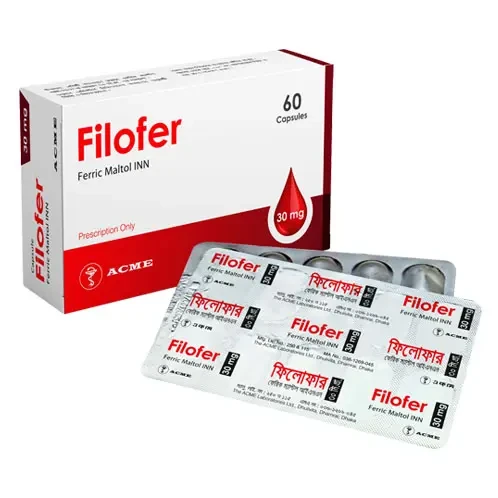
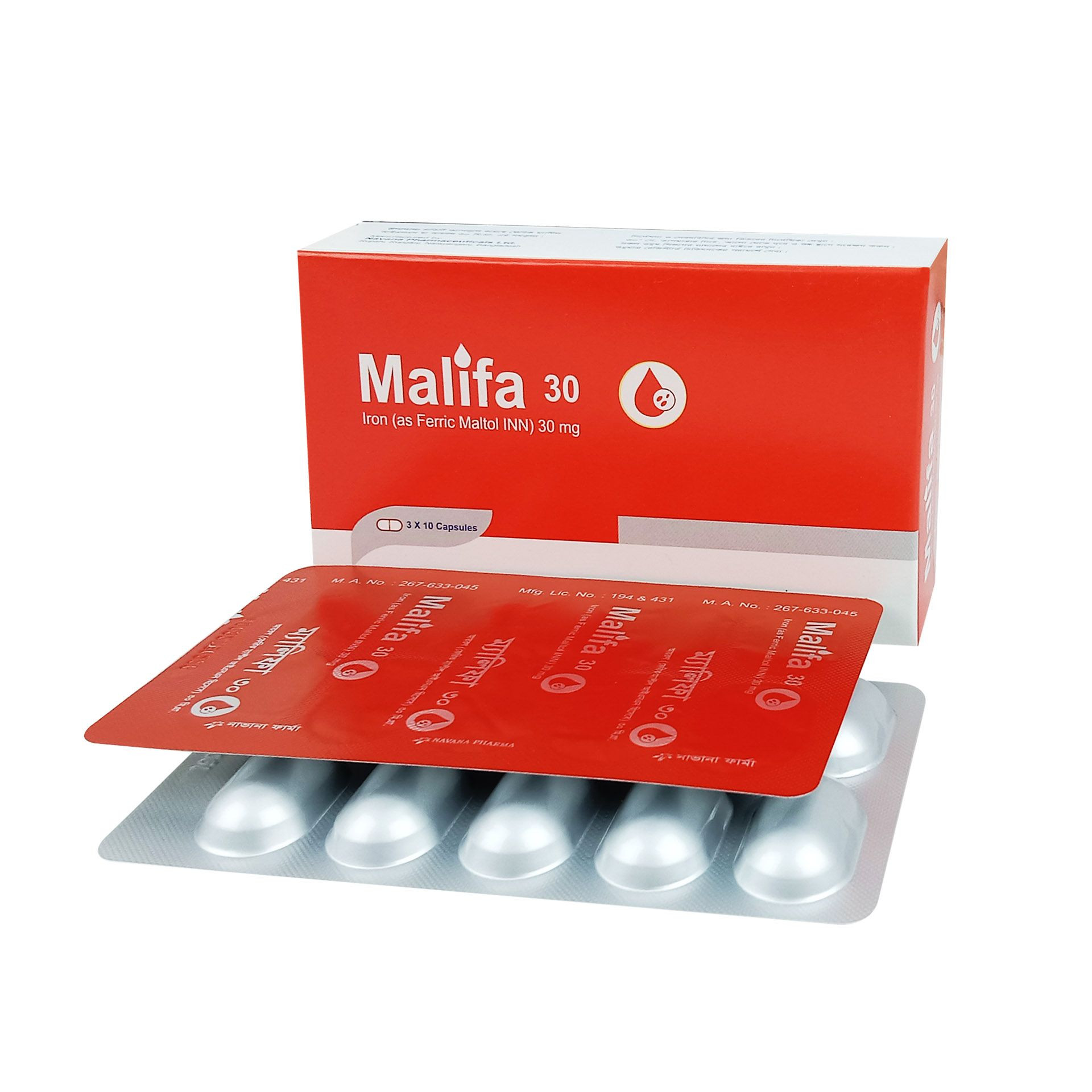
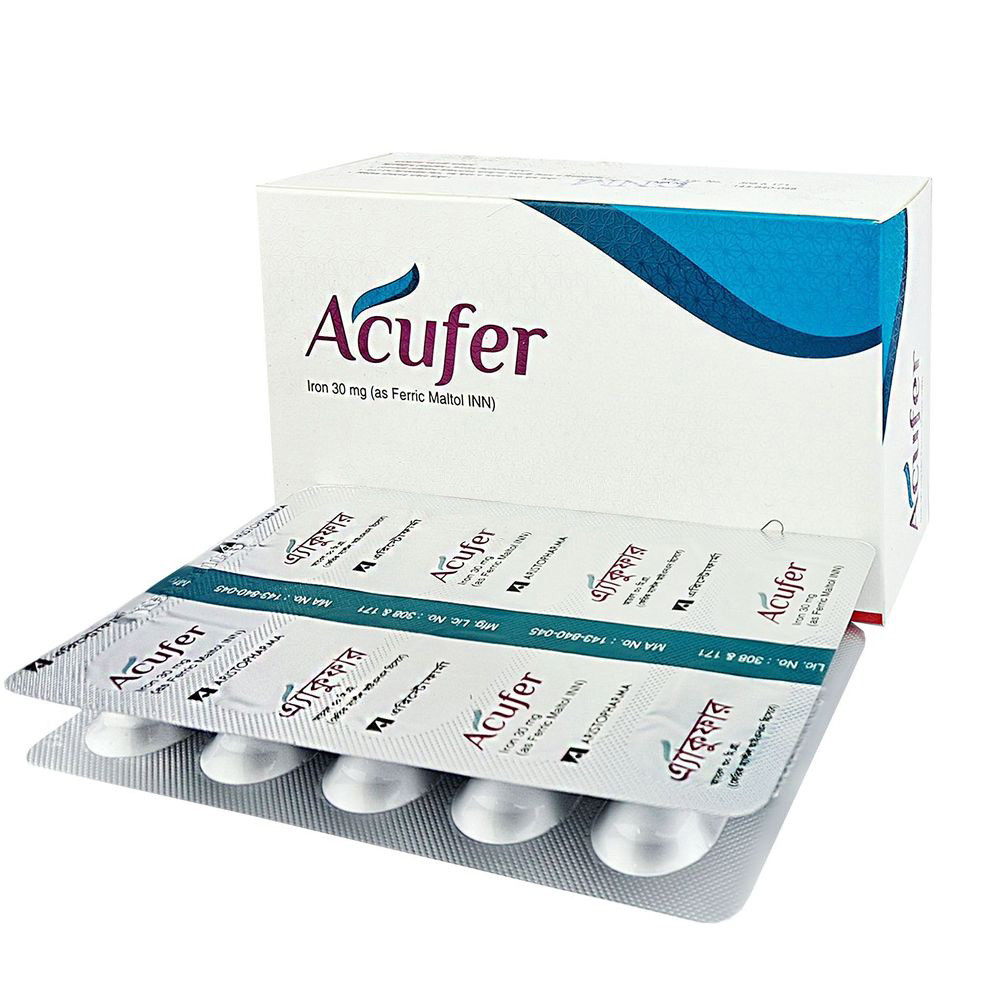
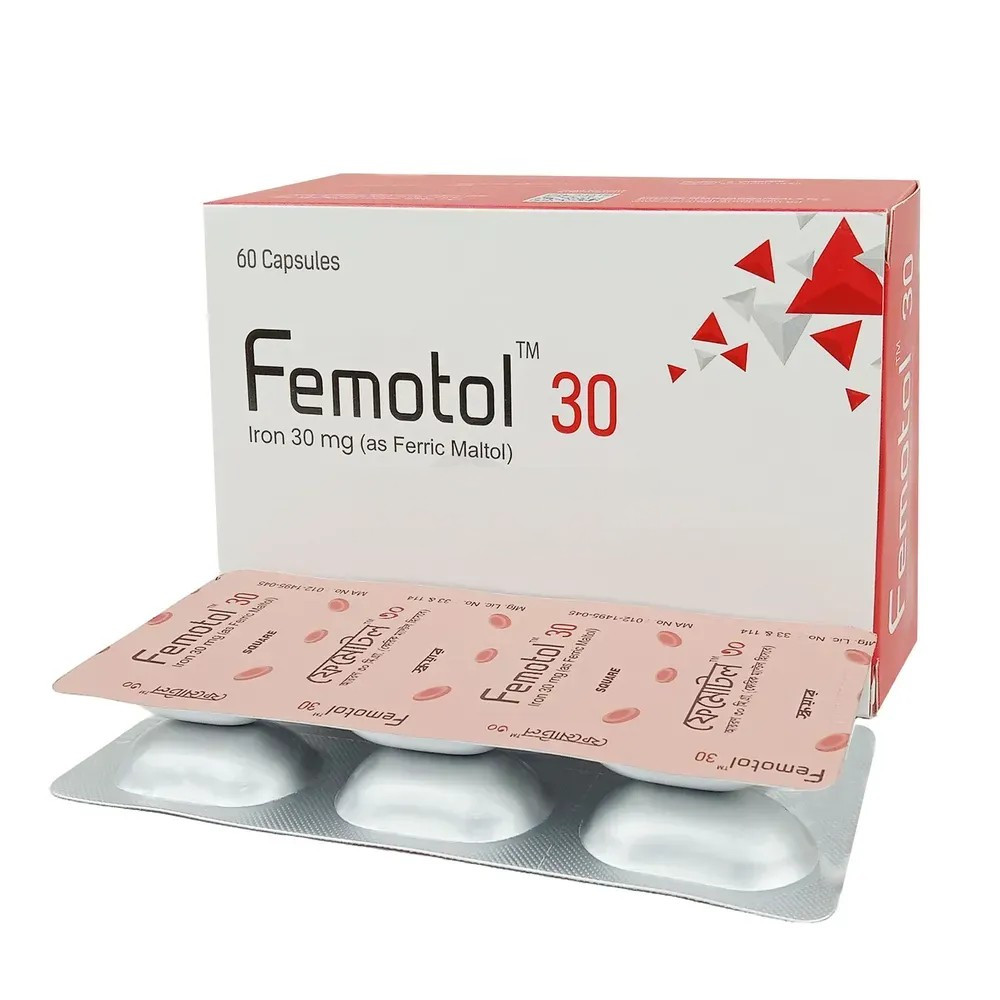
Introduction
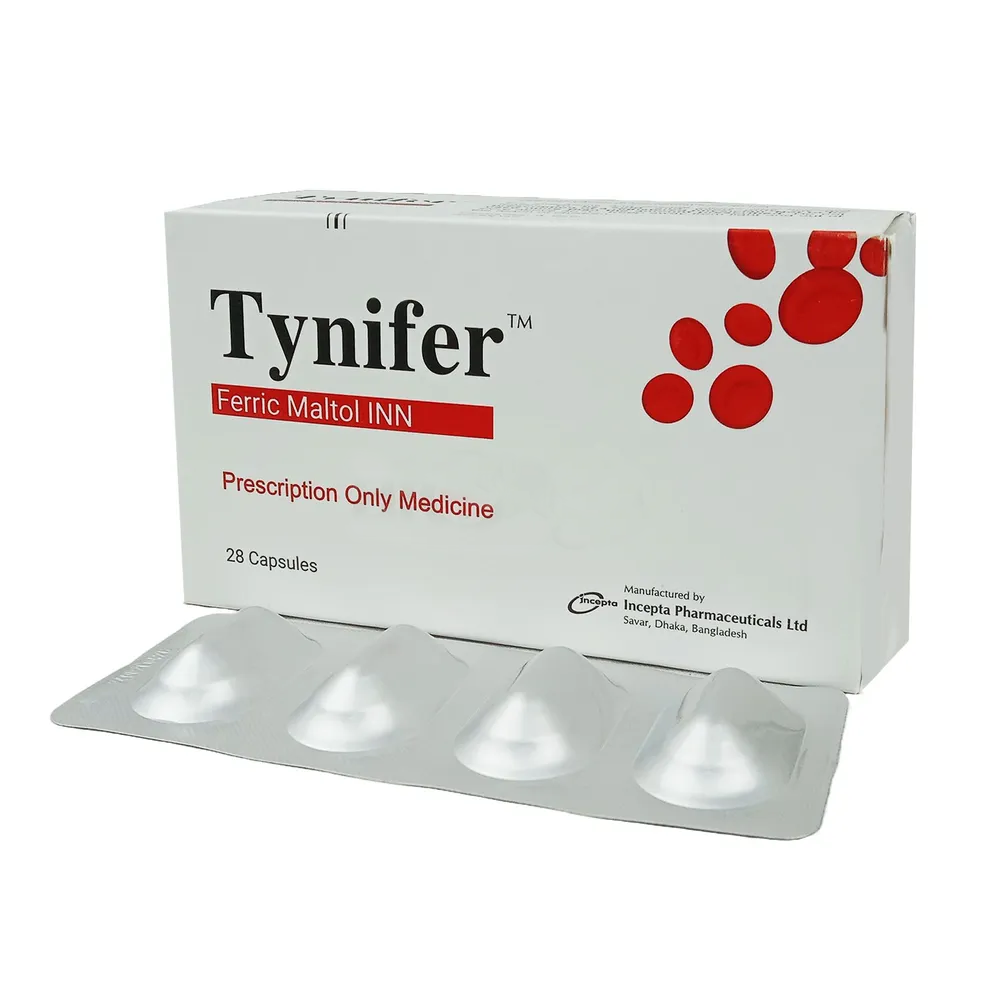
Ferric maltol is an iron(III) atom complexed with 3 maltol molecules to increase the bioavailability compared to iron(II), without depositing it in the duodenum as insoluble ferric hydroxide and phosphate. Ferric maltol has been described in literature since at least the late 1980s as a potential treatment for iron deficiency.
Ferric maltol was granted FDA Approval on 25 July 2019.
Uses
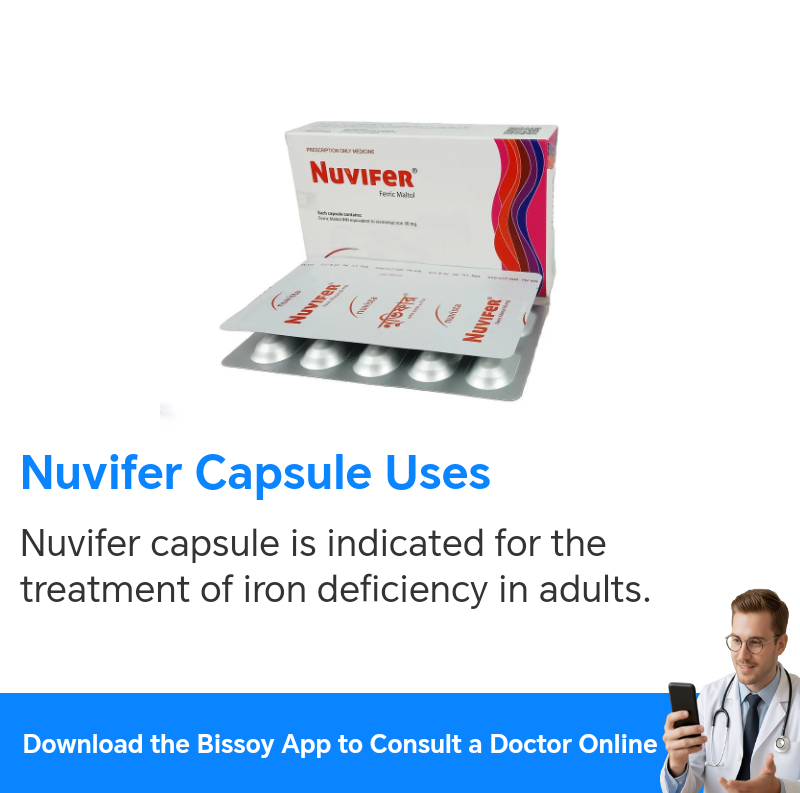
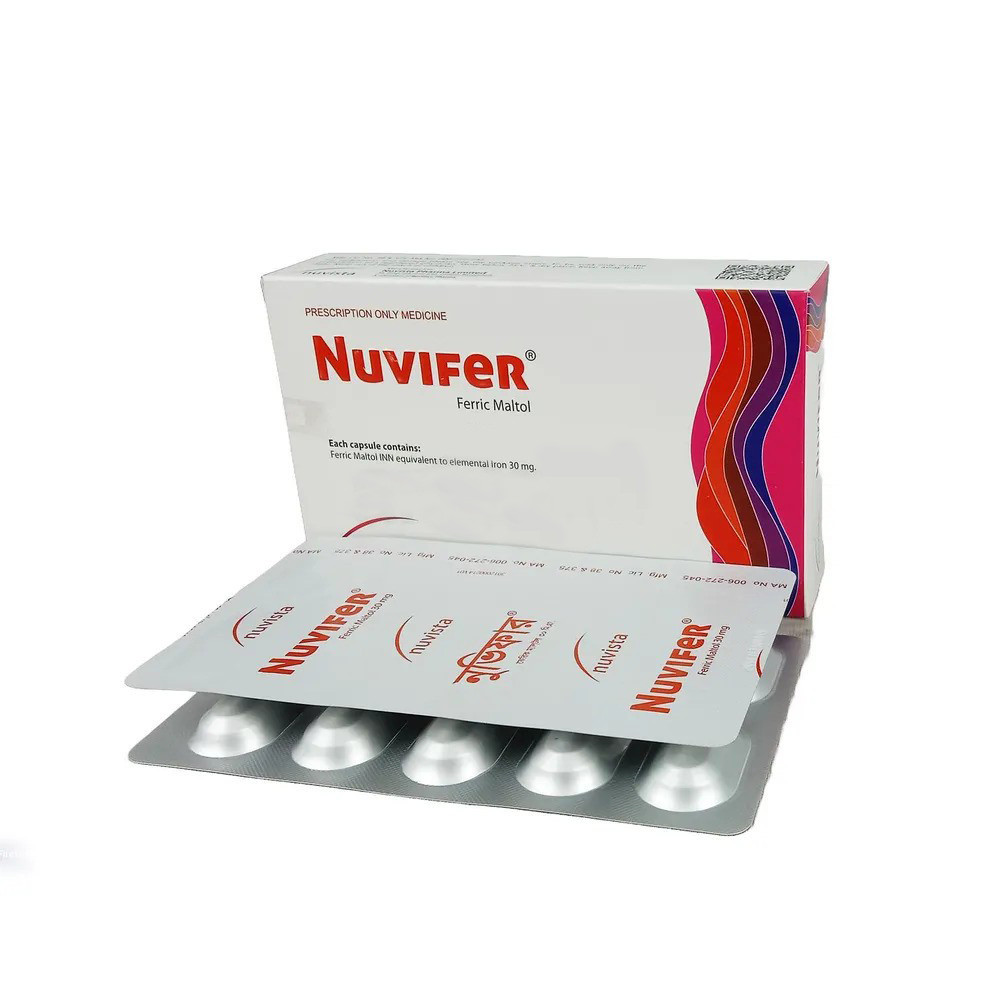
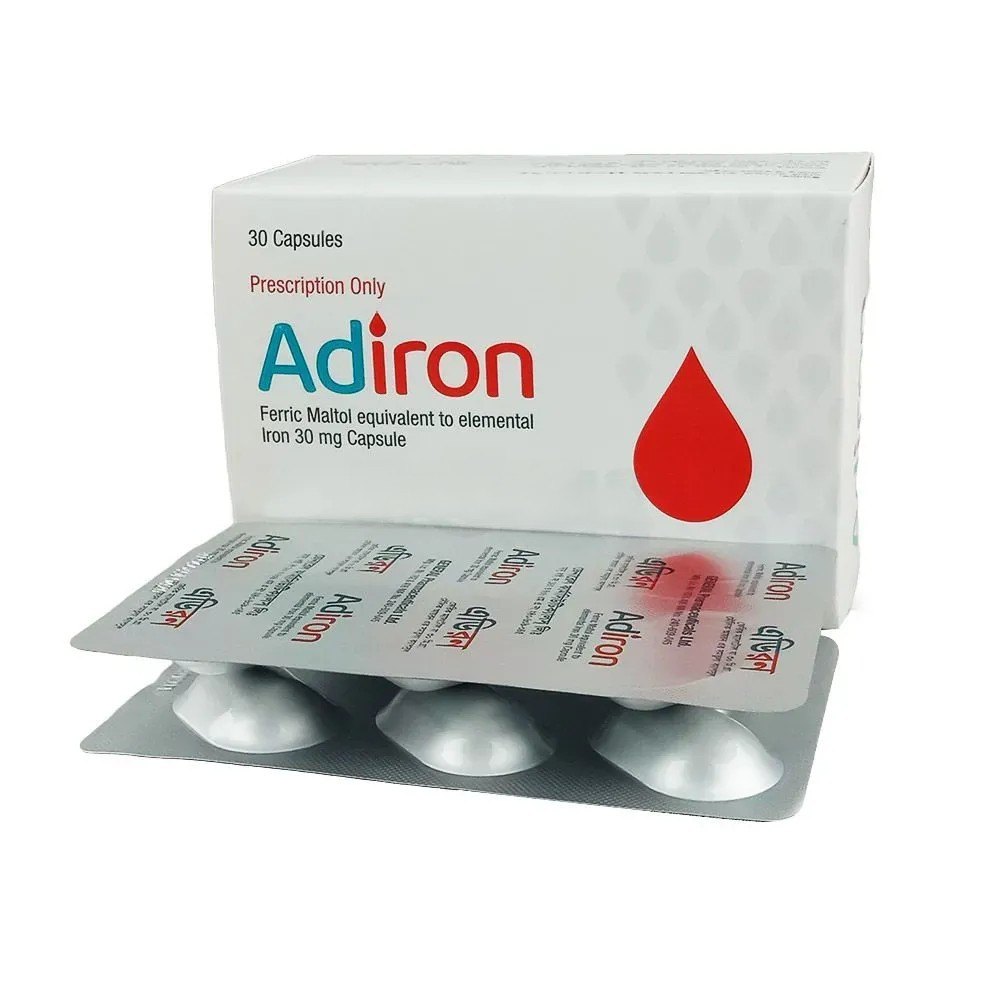
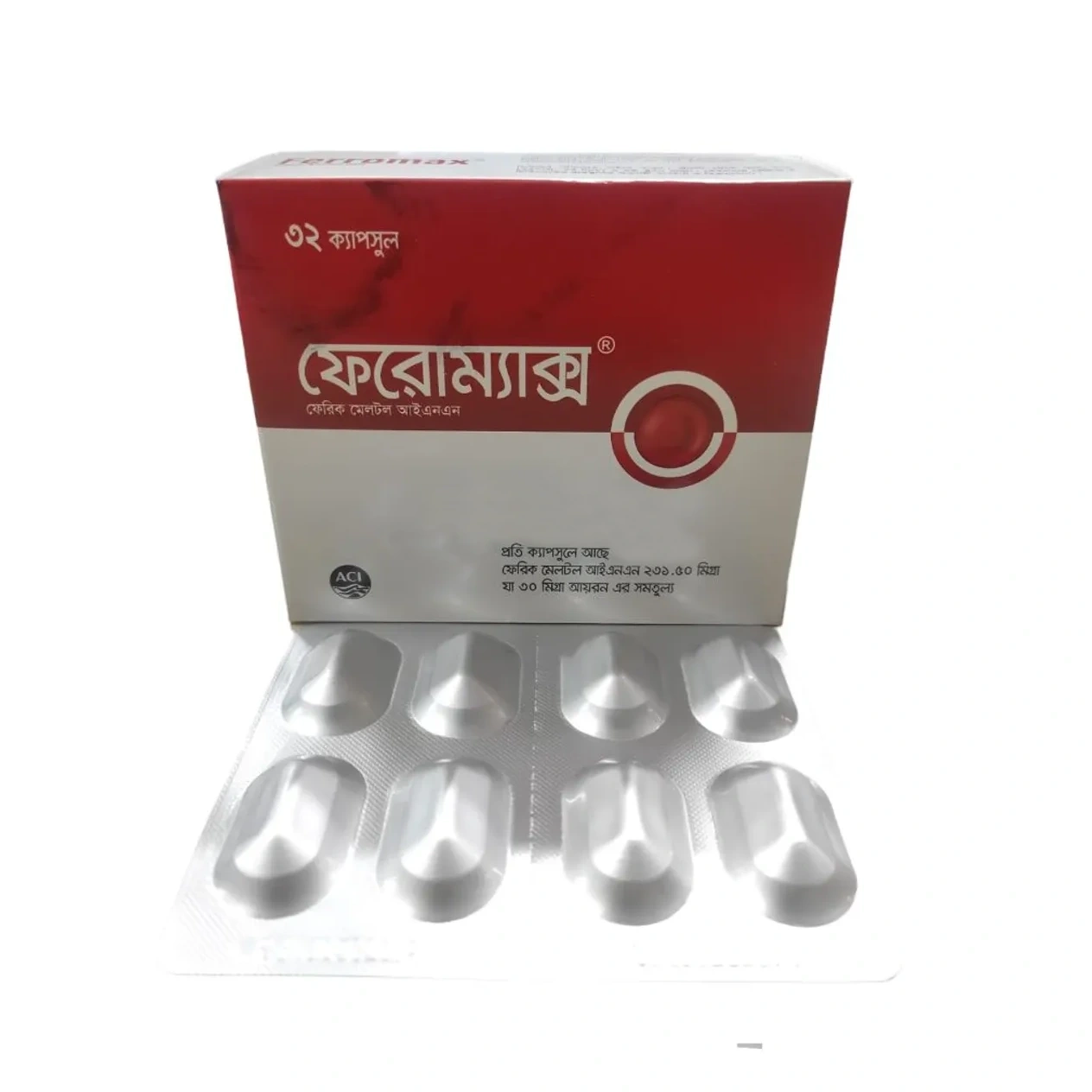
Ferric maltol is a complexed iron supplement used to treat iron deficiency in adults.
Ferric maltol is indicated to treat iron deficiency in adults.
Associated Conditions
Pharmacodynamics
Ferric maltol is used to provide supplemental iron to patients with an iron deficiency. It has a wide therapeutic index as patients generally take 30mg twice daily, while concentrations of 20mg/kg may produce toxicity. Patients should be counselled regarding the risk of inflammatory bowel disease flares, iron overload, and accidental ingestion in children.
Mechanism of Action
Ferric maltol dissociates as the iron atom is donated to unknown iron uptake mechanisms, possibly beta 3 integrin or divalent metal transporter 1, in the ileum and duodenum. Once the iron is in circulation, it then associates with transferrin and ferritin.
Absorption
Ferric maltol dissociates in the gastrointestinal tract, leading to a Tmax of 1.5-3.0 hours for iron concentrations. Mean serum iron increases by 14±6µmol/L in iron deficient patients following a single dose. a 60mg dose is approximately 14% bioavailable. 60 minutes after injection of radiolabelled ferric maltol, 11+2% of the dose is present in the bone marrow, 18±1% is present in the liver, and 2.6±1% is in the urine. Maltol has an AUC of 0.022-0.205h*µg/mL and maltol glucuronide has an AUC of 9.83-30.9h*µg/mL.
Volume of Distribution
Data regarding the volume of distribution of ferric maltol is not readily available.
Protein Binding
Data regarding the protein binding of ferric maltol is not readily available.
Route of Elimination
39.8-60% of an oral dose of ferric maltol is excreted in the urine as a glucuronide conjugate. Iron and ferric maltol are not excreted in the urine and unabsorbed ferric maltol is eliminated in the feces.
Half Life
Maltol has a half life of 0.7h.
Clearance
Data regarding the clearance of ferric maltol is not readily available.
Toxicity
Data regarding overdoses of ferric maltol are not readily available, however toxicity is expected with acute ingestion of 20mg/kg and 200-250mg/kg is potentially fatal. Patients experiencing an overdose may present with nausea, vomiting, abdominal pain, diarrhea, hypoperfusion, metabolic acidosis, and systemic toxicity. Overdoses should be treated with symptomatic and supportive measures which may include the use of desferroxamine. Hemodialysis will not remove iron but will remove the iron-desferroxamine complex.
Food Interactions
- Take on an empty stomach.
Dosage
Use in children and adolescents: Safety and effectiveness of ferric maltol have not been established in pediatric patients.