Introduction
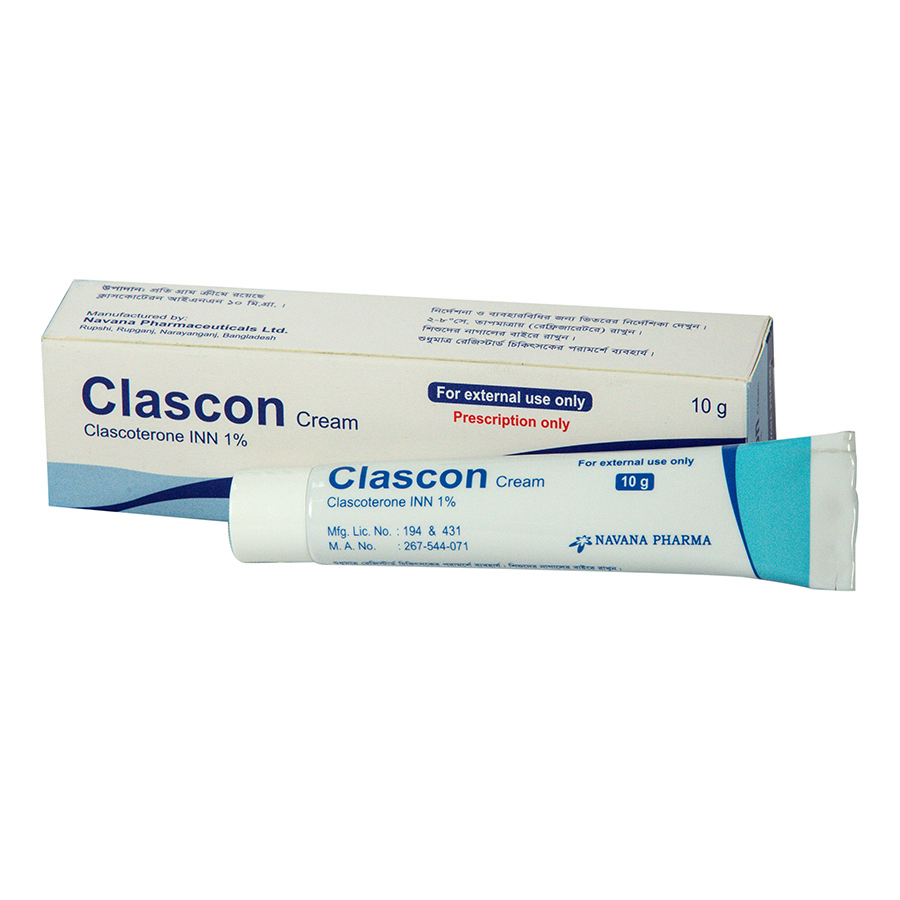
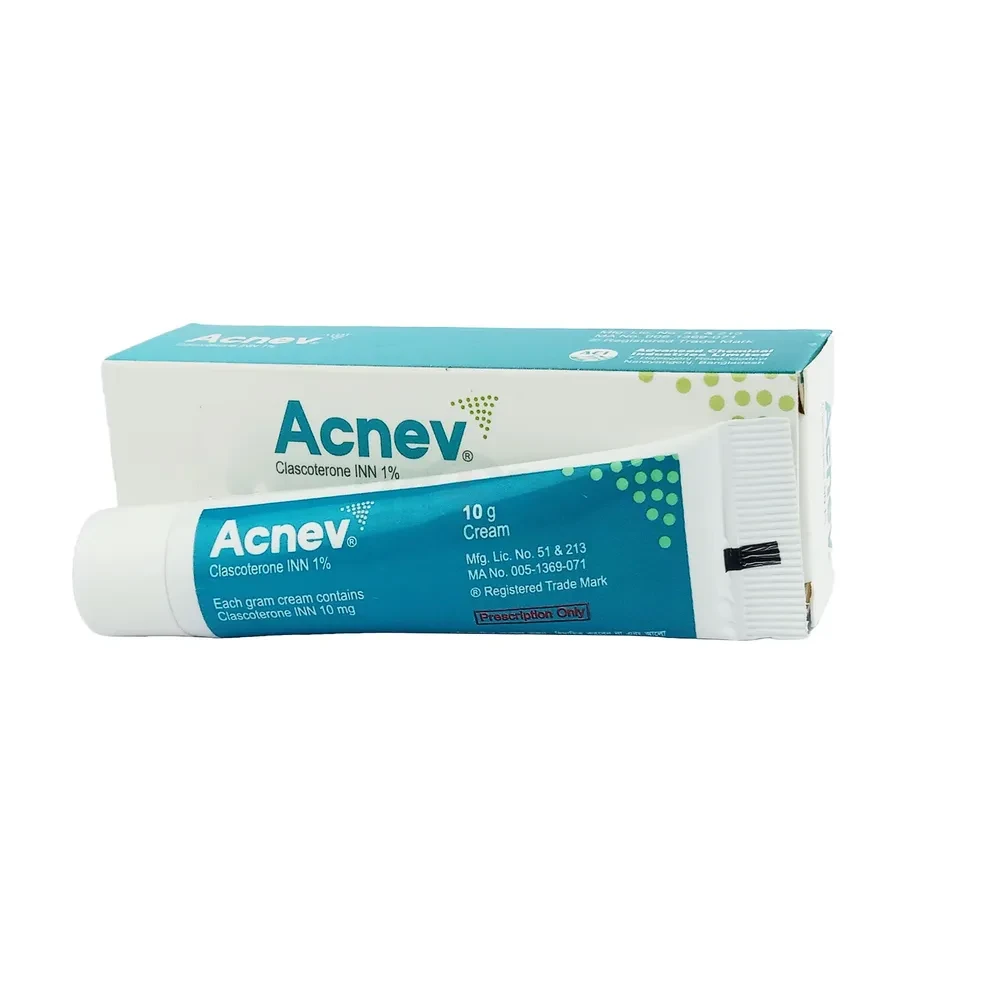
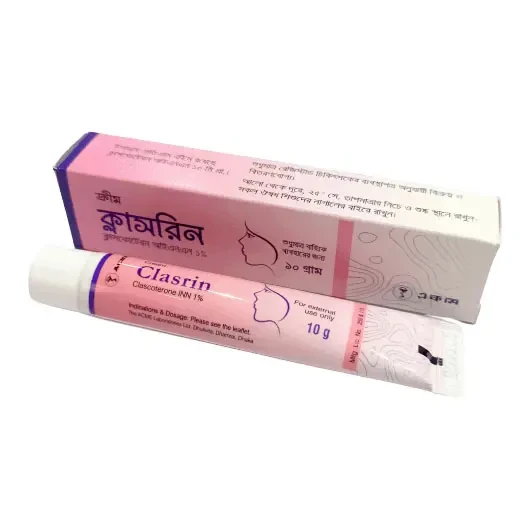
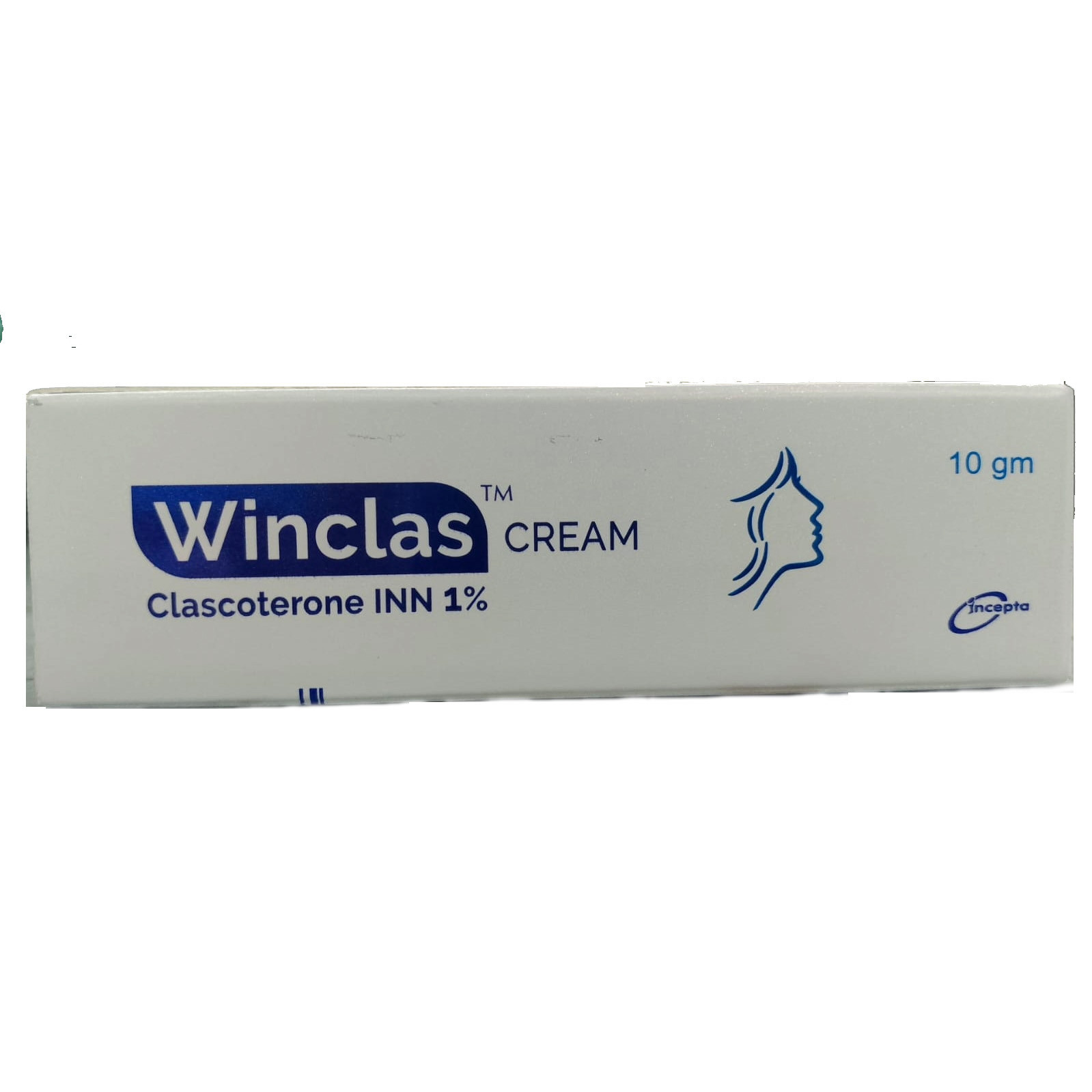
Nulevi Cream 1% w/w (cortexolone 17α-propionate, CB-03-01) is a novel antagonist of androgen receptors. It binds to androgen receptors with high affinity. By competing with androgens for binding to androgen receptors, clascoterone works by blocking the androgen receptor signalling cascades that promote acne pathogenesis, such as sebaceous gland proliferation, excess sebum production, and inflammatory pathways. Nulevi Cream 1% w/w is also being investigated as a novel treatment for androgenetic alopecia.
Uses
Nulevi Cream 1% w/w is an androgen receptor antagonist used for the topical treatment of acne vulgaris in patients 12 years of age and older.
Nulevi Cream 1% w/w is indicated for the topical treatment of acne vulgaris in patients 12 years of age and older.
Associated Conditions
Pharmacodynamics
Nulevi Cream 1% w/w exerts anti-androgenic effects by working as an antagonist at androgen receptors (ARs) expressed throughout the skin, including sebaceous glands, sebocytes, and dermal papilla cells. Nulevi Cream 1% w/w blocks the effects of testosterone and dihydrotestosterone (DHT), which are androgens that bind to the ARs and contribute to the development of androgen-dependent conditions such as acne and alopecia. In vitro, the antiandrogenic effects of clascoterone in human primary sebocytes occurred in a dose-dependent manner. Nulevi Cream 1% w/w mediates selective topical activity by mainly targeting androgen receptors at the site of application. It has limited systemic effects.
In clinical trials, HPA axis suppression was observed as a 30-minute post-stimulation serum cortisol level of ≤18 mcg/dL in 5% of adult subjects and 9% of adolescent subjects with acne vulgaris following two weeks of topical treatment of clascoterone. HPA axis function returned to normal following the discontinuation of drug treatment.
Mechanism of Action
Acne is a multifactorial skin condition characterized by excess sebum production, epithelial hyperkeratinization, proliferation of the skin commensal bacteria, and inflammation. Circulating and locally synthesized natural ligands, testosterone and dihydrotestosterone (DHT), serve as causative factors in both males and females. Upon binding of DHT, the DHT-androgen receptor complex dimerizes and translocates to the nucleus where it promotes the transcription of genes involved in acne pathogenesis, including proliferation and differentiation of sebocytes, excess sebum production, and inflammatory cytokine production. Nulevi Cream 1% w/w is a potent antagonist at ARs and competes for androgens in binding to the receptor, thereby inhibiting downstream signalling of ARs that promote acne.
Androgenetic alopecia is also an androgen-dependent and highly genetic condition. Dihydrotestosterone (DHT) binds to ARs expressed on dermal papilla cells (DPC) in the scalp to induce AR-mediated transcription of genes that contribute to androgenic alopecia. By blocking the interaction between DHT and aARs, clascoterone inhibits AR-regulated transcription and DHT-induced IL-6 synthesis.
Absorption
Upon topical application, clascoteronet permeates the skin to the dermal levels with minimal systemic absorption. In clinical trials, adult subjects with moderate to severe facial acne vulgaris received twice-daily topical application of six grams of clascoterone. The steady-state concentrations of the drug were reached within five days. Following two weeks, the mean ± SD Cmax was 4.5 ± 2.9 ng/mL and the mean ± SD area under the plasma concentration-time over the dosing interval (AUCꞇ) was 37.1 ± 22.3 h*ng/mL. The mean ± SD average plasma concentration (Cavg) was 3.1 ± 1.9 ng/mL.
Volume of Distribution
There is no information available on the volume of distribution.
Protein Binding
Nulevi Cream 1% w/w is 84% to 89% bound to plasma proteins in vitro, regardless of drug concentrations.
Route of Elimination
Excretion of clascoterone has not been fully characterized in humans. Upon topical application, clascoterone is quickly hydrolyzed in the epidermis.
Half Life
There is limited information on the half life of clascoterone.
Clearance
There is limited information on clearance of clascoterone.
Toxicity
There is no information available on the toxicity profile of clascoterone, such as LD50 and overdose in humans.
Food Interactions
No interactions found.
Dosage
cream twice per day in the morning and evening to the affected area. Avoid accidental transfer of Nulevi Cream 1% w/w cream into eyes, mouth, or other mucous membranes. If contact with mucous membranes occurs, this should be rinsed thoroughly with water or as directed by physician.
Use in Children and Adolescents: Safety and effectiveness of Nulevi Cream 1% w/w cream for the topical treatment of acne vulgaris have not been established in pediatric patients under 12 years of age