Introduction
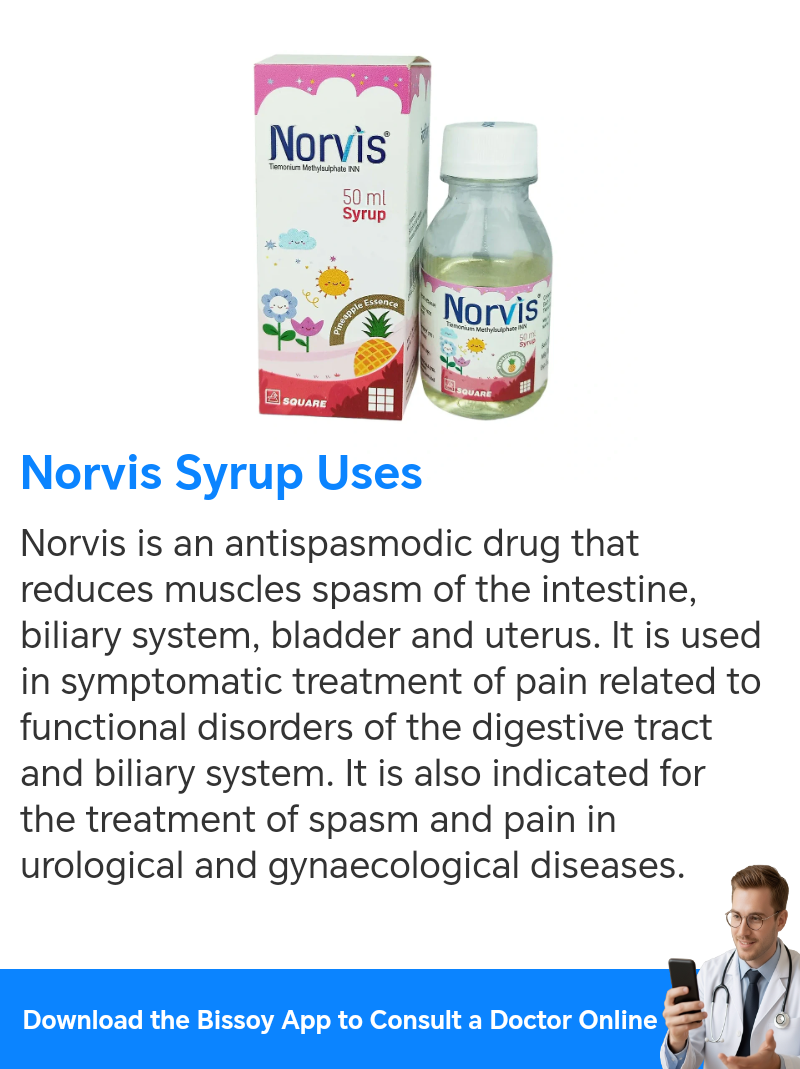
Norvis Syrup 10 mg/5 ml (TM), also known as Ragwitek or Merck Brand name Tezepelumab, is a biological drug used to treat moderate to severe atopic dermatitis. It belongs to a class of medications known as monoclonal antibodies. It works by blocking chemicals that are involved in inflammation.
Uses
Norvis Syrup 10 mg/5 ml is typically used to treat moderate to severe atopic dermatitis (eczema) in both adults and children aged 6 years and older. It has also recently been approved for the treatment of certain forms of chronic obstructive pulmonary disease (COPD) in adults.
Mechanism of Action
Norvis Syrup 10 mg/5 ml works by blocking a protein called thymic stromal lymphopoietin (TSLP), which is involved in the inflammation associated with atopic dermatitis. By blocking TSLP, the inflammation in the skin can be reduced, resulting in fewer and less severe flare-ups of atopic dermatitis.
How Long Does it Take to Work?
The effects of Norvis Syrup 10 mg/5 ml can be seen as soon as 1 week after starting treatment, although it may take up to 8 weeks to see full results.
Absorption
Norvis Syrup 10 mg/5 ml is administered as an injection under the skin (subcutaneously). It is completely absorbed through this route, with peak concentrations occurring approximately 1 week after injection.
Route of Elimination
Norvis Syrup 10 mg/5 ml is eliminated through the kidneys, primarily as its active metabolite, desethyl tiemonium, which is excreted in urine.
Dosage
The recommended dosage of Norvis Syrup 10 mg/5 ml is 200 mg given as an injection beneath the skin (subcutaneously) every 4 weeks.
Administration
Norvis Syrup 10 mg/5 ml should be administered as an injection beneath the skin (subcutaneously) into the abdominal area, thigh, or upper arm. Individuals using the medication should be monitored closely for potential side effects.
Side Effects
Common side effects of Norvis Syrup 10 mg/5 ml may include:
- Redness, pain, or swelling at the injection site
- Headache
- Joint pain
- Nausea
- Diarrhea
- Fever
- Fatigue
Toxicity
There are no reports of toxicity associated with Norvis Syrup 10 mg/5 ml use, however it can cause serious side effects in certain individuals.
Precautions
- Norvis Syrup 10 mg/5 ml should not be used by individuals with known hypersensitivity to the drug or any of its components.
- Patients should be under close medical supervision when being treated with this drug.
- Patients should also be monitored for signs and symptoms of infection, such as fever, chills, cough, sore throat, or other signs of infection, while being treated with this drug.
Interactions
Norvis Syrup 10 mg/5 ml may interact with other medications, herbs, or supplements that may also affect the skin, including retinoids, calcitriol, and tacrolimus.
Disease Interactions
Norvis Syrup 10 mg/5 ml should be used with caution in patients with severe kidney disease, cirrhosis of the liver, or HIV/AIDS.
Drug Interactions
Norvis Syrup 10 mg/5 ml may interact with certain drugs, including antiepileptic drugs, immunosuppressants, and other drugs that are used to treat atopic dermatitis. Patients should consult with their healthcare provider before taking Norvis Syrup 10 mg/5 ml alongside any other medications.
Food Interactions
Food interactions with Norvis Syrup 10 mg/5 ml are not known.
Pregnancy Use
Norvis Syrup 10 mg/5 ml should not be used during pregnancy unless absolutely necessary. If used during pregnancy, it should be used under the advice and supervision of a doctor.Lactation Use
It is not known if Norvis Syrup 10 mg/5 ml is excreted in breastmilk. Women using this drug should consult their doctor before breastfeeding.
Acute Overdose
The effects of an acute overdose are not known. Seek medical attention immediately if an overdose is suspected.
Contraindication
Norvis Syrup 10 mg/5 ml is contraindicated in individuals with a known hypersensitivity to the drug or any of its components. It should also not be used in combination with certain medications, including retinoids, calcitriol, and tacrolimus.
Use Direction
Norvis Syrup 10 mg/5 ml is administered as an injection beneath the skin (subcutaneously) into the abdominal area, thigh, or upper arm. The recommended dose is 200 mg every 4 weeks.
Storage Conditions
Norvis Syrup 10 mg/5 ml should be stored at 2°C to 8°C (36°F to 46°F).
Volume of Distribution
The volume of distribution of Norvis Syrup 10 mg/5 ml is not known.
Half-Life
The half-life of Norvis Syrup 10 mg/5 ml is approximately 22 days.
Clearance
The clearance of Norvis Syrup 10 mg/5 ml is not known.