Introduction

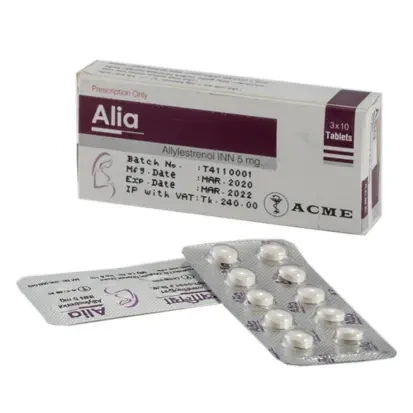
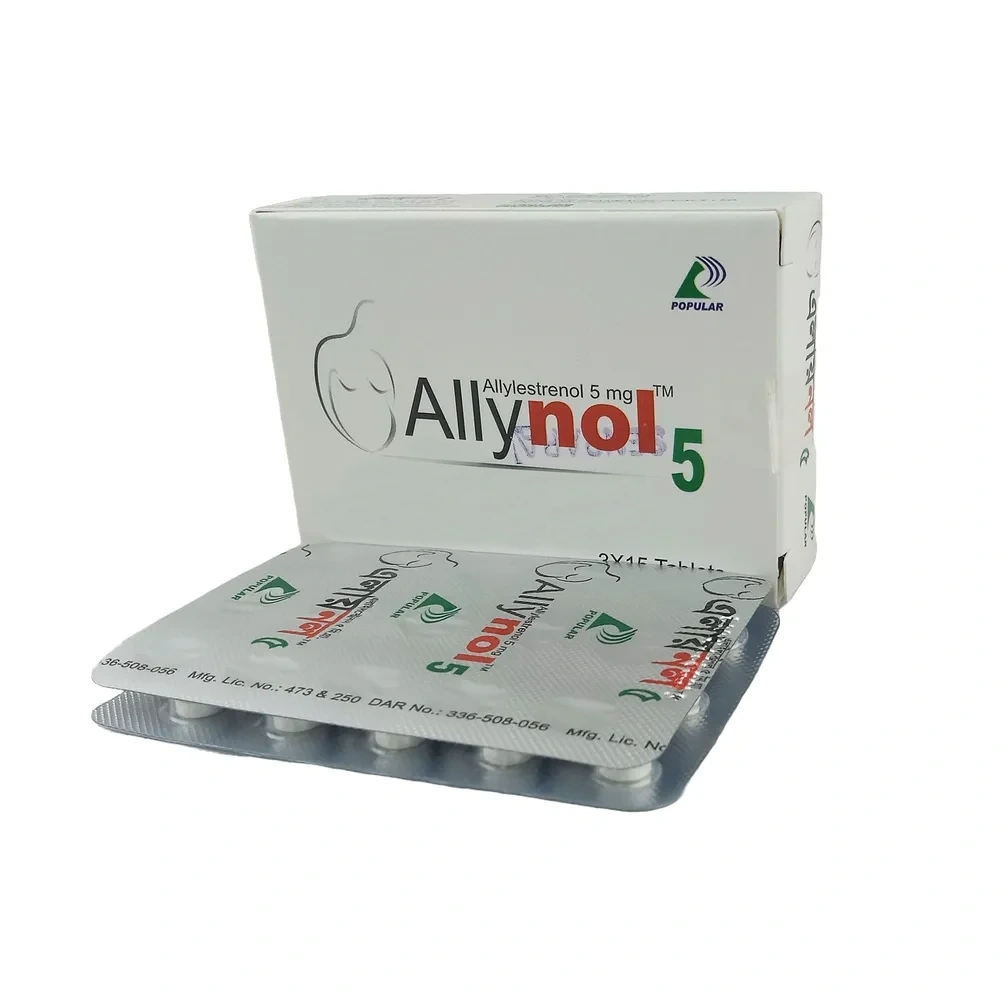
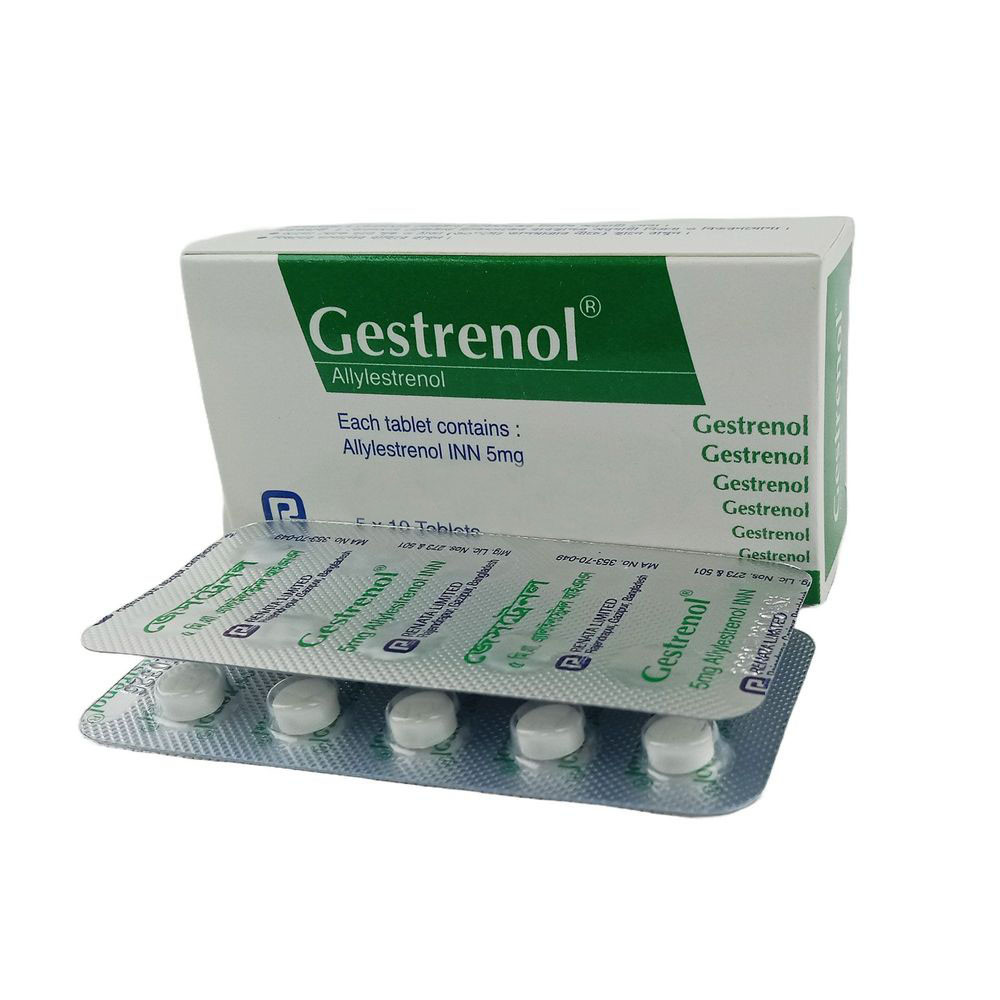
Nidagest Tablet 5 mg (INN) is a synthetic steroidal progestin with antigonadotropic and antiglucocorticoid activity used as a treatment for recurrent miscarriage and threatened miscarriage.

Uses for

Nidagest Tablet 5 mg is indicated for the prevention and treatment of recurrent and threatened miscarriages, and for the prevention of preterm labor.

Brand Name Nidagest
Type Tablet
Weight 5 mg
Generic Allylestrenol
Manufacturer Chemist Laboratories Ltd.
Available in English বাংলা

Mechanism of Action

Nidagest Tablet 5 mg is believed to act mainly through its estrogenic component. It promotes the development of the endometrium, enhancing the likelihood of successful implantation of a fertilized ovum. It also improves the strength of uterine contractions and exerts a sedative effect on the uterus and relaxes its smooth muscles.

How Long Does It Take to Work?

Nidagest Tablet 5 mg begins to work immediately on administration, although its effects may not be fully manifest in the body until some weeks later. For example, if it is being used to reduce the risk of preterm labor, its effects may be seen within the week following administration.

Absorption

Nidagest Tablet 5 mg is rapidly and completely absorbed from the gastrointestinal tract following oral administration.

Route of Elimination

Nidagest Tablet 5 mg is metabolized primarily in the liver and excreted in the bile as metabolites. Approximately 40% of a dose of allylestrenol is excreted in the urine and 10% in the feces.

Dosage

Intra Uterine Growth Retardation: 1 tablet three times a day at least two months. Dose to be reduced if symptoms improve.
Threatened abortion: 1 tablet three times daily until symptoms disappear.
Habitual abortion: 1-2 tablets daily as soon as pregnancy is diagnosed. The administration should be continued for at least one month after the end of the critical period.
Threatened premature delivery: Dosage must be determined individually. High dosages (up to 40 mg daily) have been used.

In case of a missed dose, it should be taken as soon as the patient remembers & she should continue the regular dosing schedule. A double dose is not recommended.


The recommended starting dose of allylestrenol is 10 mg three times daily for three to six days. The dose may be increased up to 20 mg three times daily depending on the patient's response to treatment.

Administration

Nidagest Tablet 5 mg is taken orally, usually with a full glass of water, after meals or at bedtime.

Side Effect

The most frequently reported side effects of allylestrenol include nausea, dizziness, bloating, and breast tenderness.

Toxicity

No cases of toxicity from allylestrenol have been reported.

Precautions

Nidagest Tablet 5 mg should be used with caution in patients who have a history of liver or kidney disease, diabetes, or any other endocrine disorder. Women taking allylestrenol should not breastfeed while using the drug.

Interactions

Nidagest Tablet 5 mg may interact with certain medications and reduce their effectiveness. Patients taking hormone replacement therapy, oral contraceptives, or anticoagulants should not take allylestrenol.

Disease Interactions

Nidagest Tablet 5 mg should not be used in patients with a history of any of the following conditions: stroke, breast cancer, endometrial hyperplasia, or a history of jaundice or liver disease.

Drug Interactions

Nidagest Tablet 5 mg may interact with certain medications and reduce their effectiveness. Patients taking hormone replacement therapy, oral contraceptives, or anticoagulants should not take allylestrenol. This drug should also not be used in combination with barbiturates, phenytoin, cyclosporine, or any other drug metabolized by CYP3A4 enzyme.

Food Interactions

It is not known if allylestrenol interacts with food. Patients should discuss diet and potential food interactions with their doctor prior to beginning treatment.

Pregnancy Use

Nidagest Tablet 5 mg should not be used during pregnancy as it may cause harm to the fetus.

Lactation Use

It is not known if allylestrenol is excreted in breast milk. This drug should not be used while breastfeeding.

Acute Overdose

No cases of acute overdose of allylestrenol have been reported. However, if an overdose is suspected, contact a healthcare provider immediately.

Contraindication

Nidagest Tablet 5 mg should not be used in patients with any of the following conditions: porphyria, thromboembolism, undiagnosed vaginal bleeding, or a history of breast or endometrial cancer.

Use Direction

Nidagest Tablet 5 mg should be taken orally, usually with a full glass of water, after meals or at bedtime. The recommended starting dose is 10 mg three times daily for three to six days. The dose may be increased up to 20 mg three times daily depending on the patient's response to treatment.

Storage Condition

Nidagest Tablet 5 mg should be stored at room temperature in a tight, light-resistant container. It should not be stored in the bathroom or near any heat source.

Volume of Distribution

The volume of distribution of allylestrenol is approximately 18 – 22 L/kg.

Half Life

The half-life of allylestrenol is estimated to range from 3.4 – 7.5 hours.

Clearance

The average clearance of allylestrenol is approximately 5.1 mL/min/kg.

See in details version Nidagest Tablet 5 mg also Nidagest Tablet 5 mg in bangla

Some Frequently Asked Questions About Nidagest Tablet 5 mg

*** Taking medicines without doctor's advice can cause long-term problems.
Dr. Emdadul Haque

Dr. Emdadul Haque

Cardiology, Diabetes & Medicine Specialist

Call Doctor
Related Medicines