Introduction
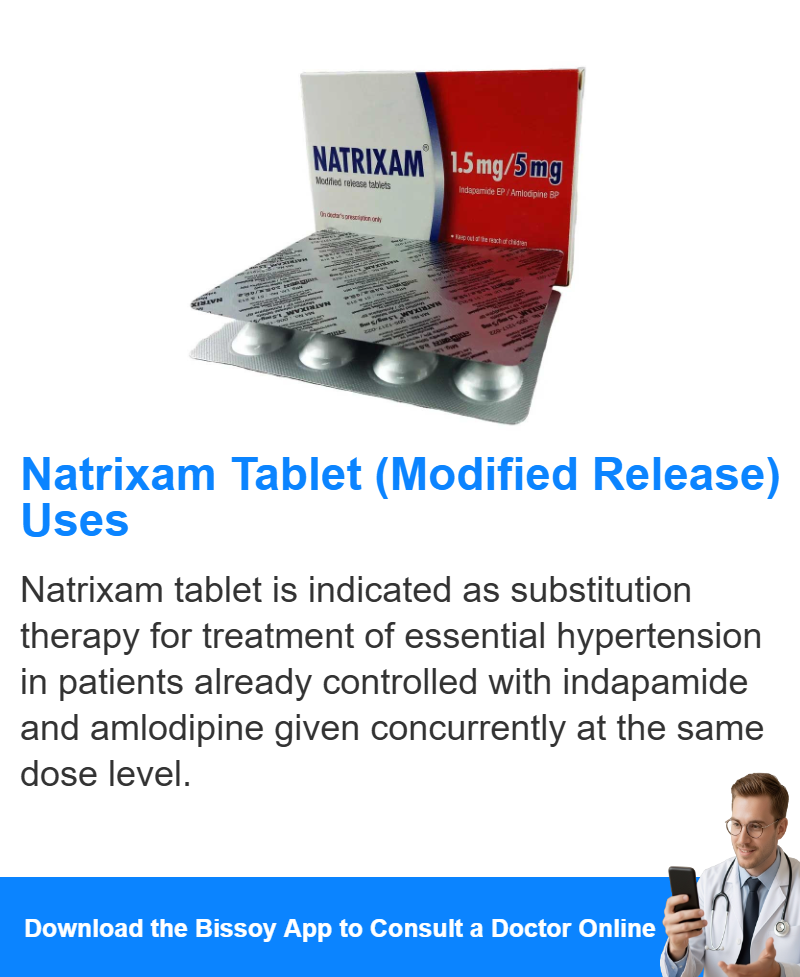
Indapamide and Amlodipine are two medications commonly used in combination to treat hypertension (high blood pressure). Indapamide is a thiazide-like diuretic that helps reduce fluid retention and lower blood pressure by increasing urine production. Amlodipine is a calcium channel blocker that relaxes the blood vessels, improving blood flow and further lowering blood pressure. The combination of these drugs is effective for patients who require multiple mechanisms to control their hypertension.
Uses
Indapamide and Amlodipine are primarily used to manage:
- Hypertension (high blood pressure).
- Prevention of cardiovascular events, such as heart attacks or strokes, in patients with hypertension.
- Management of edema associated with heart failure or renal diseases (primarily by Indapamide).
Mechanism of Action
Indapamide acts by inhibiting sodium reabsorption in the kidneys, leading to increased excretion of sodium and water, which lowers blood volume and decreases blood pressure. Amlodipine, a calcium channel blocker, works by inhibiting the influx of calcium ions into vascular smooth muscle cells, causing vasodilation and reducing peripheral resistance. Together, these actions synergistically lower blood pressure and reduce the workload on the heart.
How Long Does It Take to Work?
Indapamide begins to take effect within 1-2 hours of oral administration, with peak diuretic effects occurring within 6 hours. Amlodipine takes 6-12 hours to reach peak plasma concentrations after administration. However, it may take up to 1-2 weeks for the full antihypertensive effects of the combination therapy to be noticeable.
Absorption
Indapamide is well absorbed after oral administration, with approximately 93% bioavailability. Amlodipine is also well absorbed, with an oral bioavailability of 60-90%. Both drugs have prolonged half-lives, allowing for once-daily dosing.
Route of Elimination
Indapamide is primarily metabolized by the liver and its metabolites, along with a small amount of unchanged drug, are excreted via urine. Amlodipine is extensively metabolized in the liver and its metabolites are excreted via urine and feces.
Dosage
One tablet per day as single dose, preferably to be taken in the morning, to be swallowed whole with water and not chewed. The fixed dose combination is not suitable for initiation therapy. If a change of the posology is required, titration should be done with the individual components.Pediatric population: The safety and efficacy of this medicine in children and adolescents have not been established. No data are available.
Patients with renal impairment: In severe renal impairment (creatinine clearance below 30 ml/min), treatment is contraindicated. In patients with mild to moderate renal impairment, no dose adjustment is needed. Older people can be treated with this medicine according to renal function.
Patients with hepatic impairment: In severe hepatic impairment, treatment is contraindicated. Dosage recommendations of amlodipine have not been established in patients with mild to moderate hepatic impairment; therefore dose selection should be cautious and should start at the lower end of the dosing range
The typical dosages for Indapamide and Amlodipine in combination therapy are as follows:
- Indapamide: 1.25 mg to 2.5 mg once daily.
- Amlodipine: 5 mg to 10 mg once daily.
Administration
Indapamide and Amlodipine are administered orally, usually once daily. The tablets can be taken with or without food. Consistency in the timing of doses is recommended for optimal blood pressure control.
Side Effects
Common side effects of the Indapamide and Amlodipine combination may include:
- Dizziness or lightheadedness.
- Headache.
- Swelling (edema), particularly in the legs and ankles.
- Fatigue.
- Nausea or gastrointestinal discomfort.
Toxicity
In cases of overdose, Indapamide may cause excessive diuresis, leading to dehydration, hypotension, and electrolyte imbalances (especially hypokalemia). Amlodipine overdose may result in severe hypotension, bradycardia, or even cardiogenic shock. Immediate medical intervention is required in cases of overdose.
Precautions
Use caution in patients with liver or kidney impairment, as both drugs are metabolized by the liver and/or excreted by the kidneys. Monitoring of blood electrolytes (especially potassium levels) is essential during treatment due to the risk of hypokalemia with Indapamide. Amlodipine should be used cautiously in patients with severe aortic stenosis or heart failure.
Interaction
Indapamide and Amlodipine may interact with various medications:
- Nonsteroidal anti-inflammatory drugs (NSAIDs) may reduce the effectiveness of both drugs.
- Indapamide can potentiate the effects of other antihypertensive agents, leading to an increased risk of hypotension.
- Amlodipine may interact with CYP3A4 inhibitors, leading to increased plasma concentrations of the drug and enhanced effects.
Disease Interaction
Use with caution in patients with:
- Renal or hepatic impairment.
- Electrolyte imbalances (particularly hypokalemia or hypercalcemia).
- Severe coronary artery disease, where sudden reductions in blood pressure may worsen angina.
Drug Interaction
Drug interactions may include:
- Increased risk of hypotension when used with other antihypertensives (e.g., ACE inhibitors, beta-blockers).
- Electrolyte disturbances when combined with corticosteroids or laxatives (due to Indapamide).
- Potential increased plasma concentration of Amlodipine when used with CYP3A4 inhibitors such as ketoconazole or itraconazole.
Food Interactions
There are no significant food interactions with Indapamide and Amlodipine. However, it is advisable to maintain a low-sodium diet to optimize blood pressure control and avoid excessive fluid retention.
Pregnancy Use
Amlodipine is classified as Pregnancy Category C, meaning that risk to the fetus cannot be ruled out. Indapamide is also not recommended during pregnancy due to the potential risk of harm to the developing fetus. Use should be avoided unless absolutely necessary and prescribed by a healthcare provider.
Lactation Use
The use of Indapamide and Amlodipine during lactation should be approached with caution. Both drugs may pass into breast milk, and their effects on the nursing infant are not well-studied. Consult a healthcare provider before use during breastfeeding.
Acute Overdose
Symptoms of acute overdose with Indapamide include dehydration, electrolyte imbalances, and severe hypotension. Amlodipine overdose may cause pronounced hypotension, bradycardia, and even cardiovascular collapse. Treatment typically involves supportive care, including fluid replacement and monitoring of vital signs. Activated charcoal may be used if the overdose is recent.
Contraindication
The combination of Indapamide and Amlodipine is contraindicated in patients with:
- Hypersensitivity to any of the components.
- Severe hypotension.
- Severe hepatic or renal impairment.
- Conditions like hypercalcemia or significant electrolyte imbalances.
Use Direction
Indapamide and Amlodipine should be taken exactly as prescribed by a healthcare provider. The medication is typically taken once daily, with or without food. Do not stop or change the dosage without consulting a healthcare provider.
Storage Conditions
Store Indapamide and Amlodipine tablets at room temperature (20-25°C) in a dry place away from moisture and heat. Keep the medication out of reach of children.
Volume of Distribution
The volume of distribution for Amlodipine is approximately 21 L/kg, indicating extensive distribution into tissues. The volume of distribution for Indapamide is around 25 L/kg, reflecting significant tissue penetration.
Half Life
The half-life of Indapamide is approximately 14-16 hours, allowing for once-daily dosing. Amlodipine has a longer half-life of approximately 30-50 hours, which supports once-daily administration for blood pressure control.
Clearance
Indapamide is cleared primarily through renal excretion, with a clearance rate of approximately 20 mL/min. Amlodipine is cleared primarily by hepatic metabolism, with an elimination clearance of around 7 mL/min/kg.