Introduction
Lefamulin is a pleuromutilin antibiotic used for the treatment of bacterial community-acquired pneumonia. A pleuromotilin is a more recently developed type of antibiotic that is derived from the fungus, Pleurotus mutilus. Lefamulin is available in intravenous and oral preparations and was granted FDA approval in August 2019. This drug is the first semi-synthetic pleuromutilin that has been designed for systemic administration. Lefamulin features a novel mechanism of action that shows benefit against resistant bacteria that cause pneumonia. The chemical structure of lefamulin contains a tricyclic mutilin core that is necessary for some of its antimicrobial activity.
Uses
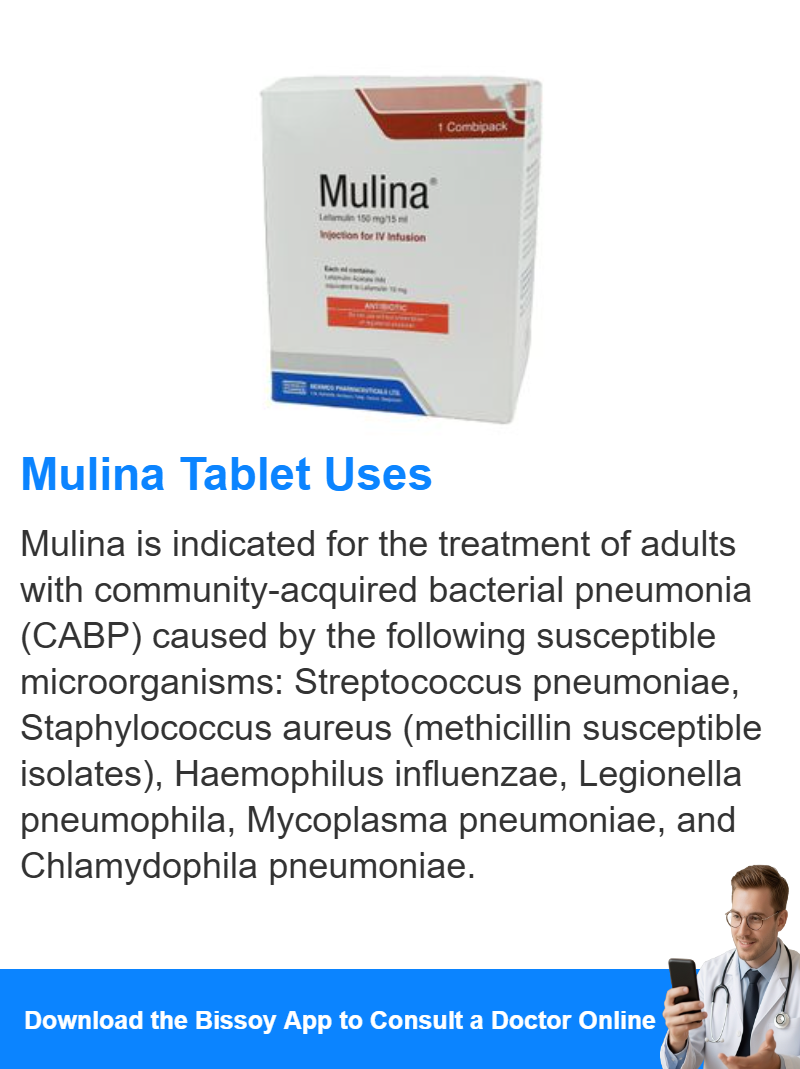
Lefamulin is a pleuromutilin antibacterial used to treat community-acquired bacterial pneumonia (CABP).
Lefamulin is indicated to treat adults diagnosed with community-acquired bacterial pneumonia (CABP) that is caused by susceptible bacteria. Its use should be reserved for confirmed susceptible organisms or a high probability of infection with susceptible organisms. The list of susceptible bacteria includes Streptococcus pneumoniae, Staphylococcus aureus (methicillin-susceptible), Legionella pneumophila, Haemophilus influenza, Chlamydophila pneumoniae, and Mycoplasma pneumoniae.
Associated Conditions
Pharmacodynamics
Lefamulin demonstrates strong antibacterial activity against several microbes that are found to be common in both acute bacterial skin and skin structure infections as well as community-acquired bacterial pneumonia. It shows antibacterial activity against gram-positive and atypical microbes (for example, Streptococcus pneumoniae, Legionella pneumophila, Mycoplasma pneumoniae, Haemophilus influenzae, and Chlamydophila pneumoniae). Lefamulin also exerts activity against Staphylococcus aureus, methicillin-resistant Staphylococcus aureus, and vancomycin-resistant Enterococcus faecium. It does not treat Pseudomonas aeruginosa infections. During in vitro studies, drug has also has demonstrated activity against Neisseria gonorrhoeae and Mycoplasma genitalium.
A note on QT prolongation and Clostridium difficile
According to the FDA label, lefamulin may have cardiac QT interval prolonging effects and advises against the administration of this drug in patients with diagnosed QT prolongation or ventricular arrhythmias. The administration of lefamulin should also be avoided in patients being administered antiarrhythmic agents and other drugs that prolong the QT interval. As with other antibiotics, the risk of Clostridium difficile associated diarrhea is increased with lefamulin use. Any case of diarrhea should be evaluated for C. difficile.
Mechanism of Action
Lefamulin inhibits prokaryotic ribosomal protein synthesis via its binding to the peptidyl transferase center (PTC) of the ribosomal bacterial 50S subunit. It inhibits protein translation through binding to both the A and P sites of the PTC via four hydrogen bonds, resulting in the interruption of peptide bond formation. Lefamulin's tricyclic mutilin core is the common moiety for binding of all members of its drug class, the pleuromutilins. Although the tricyclic motilin core doesn’t form any hydrogen bonds with the PTC nucleotides, it is stabilized or anchored by hydrophobic and Van der Waals interactions. Lefamulin exerts a selective inhibition of protein translation in eukaryotes, however, does not affect ribosomal translation of eukaryotes. Lefamulin demonstrates a unique induced-fit type of action that closes the binding pocket within a ribosome, conferring close contact of the drug to its target, therefore improving therapeutic efficacy. Because of its mechanism of action that differs from that of other antimicrobials, cross-resistance to other antibiotic classes is less likely.
Absorption
In a pharmacokinetic study of healthy subjects, lefamulin was rapidly absorbed after oral administration. The median Tmax was measured at 1.00 h for the intravenous preparation and 1.76 h for the tablet preparation.At steady-state doses, the Cmax of oral lefamulin is 37.1 mcg/mL. The AUC at steady-state concentrations of this drug is 49.2 mcg·h/mL. The estimated bioavailability of the oral tablets is 25%. Clinical studies have found that the AUC of lefamulin is decreased by about 10-28% in the fed state. To optimize absorption, this drug should be administered a minimum of 1 hour before a meal or, at minimum, 2 hours after a meal with water.
Volume of Distribution
The average volume of distribution of lefamulin is 86.1 L in patients with community-acquired bacterial pneumonia, but can range from 34.2 to 153 L. During clinical studies, lefamulin has been shown to significantly concentrate in the lung tissue, likely increasing its effectiveness in treating pneumonia. After lefamulin is administered, penetration into various tissues is observed, and is about 6 times greater in concentration in the fluid of the pulmonary epithelium, when compared with concentrations in the plasma. Animal studies demonstrate that lefamulin crosses the placenta.
Protein Binding
The average plasma protein binding of lefamulin is between 94.8 to 97.1% in healthy adults. A systematic review identifies the plasma protein binding at 80-87%.
Route of Elimination
Lefamulin is largely excreted by the gastrointestinal tract and about 14% excreted by the kidneys. In healthy adult volunteers during clinical trials, a radiolabeled dose of lefamulin was administered. The total radioactivity found to be excreted in the feces was 77.3% on average with 4.2% to 9.1% as unchanged drug when the drug was administered via the intravenous route. A total radioactivity of 88.5% was measured in the feces with 7.8-24.8% as unchanged drug after a dose administered via the oral route. In the urine, it was found to be 15.5% with 9.6-14.1% excretd as unchanged drug after an intravenous dose and 5.3% after an oral dose.
Half Life
The average elimination half-life of lefamulin is about 8 hours in patients diagnosed with community-acquired bacterial pneumonia. One pharmacokinetic study of healthy volunteers revealed a mean half-life of 13.2 hours after an intravenous infusion of lefamulin.
Clearance
The total body clearance of lefamulin has been determined to range from 2.94 to 30.0 L/h after an injected dose.
Toxicity
In the case of overdose with lefamulin, the patient should be monitored closely and provided with supportive treatment, according to symptoms and signs. This drug and its active metabolite are not removable by dialysis.
Food Interactions
- Exercise caution with grapefruit products. Grapefruit inhibits CYP3A, which may increase the serum concentration of lefamulin.
- Exercise caution with St. John's Wort. This herb induces the CYP3A metabolism of lefamulin and may reduce its serum concentration.
- Take on an empty stomach. This drug should be taken at least 1 hour before or 2 hours after a meal.
- Take with a full glass of water. The tablet should be swallowed whole with water.
Dosage
Dosage Adjustment for Patients with Hepatic Impairment-
- Lefamulin Injection: Reduce the dosage of Lefamulin Injection to 150 mg infused intravenously over 60 minutes every 24 hours for patients with severe hepatic impairment. No dosage adjustment of Lefamulin Injection is needed for patients with mild or moderate hepatic impairment.
- Lefamulin Tablets: Lefamulin Tablets have not been studied in and are not recommended for patients with moderate or severe hepatic impairment. No dosage adjustment of Lefamulin Tablets is needed for patients with mild hepatic impairment.
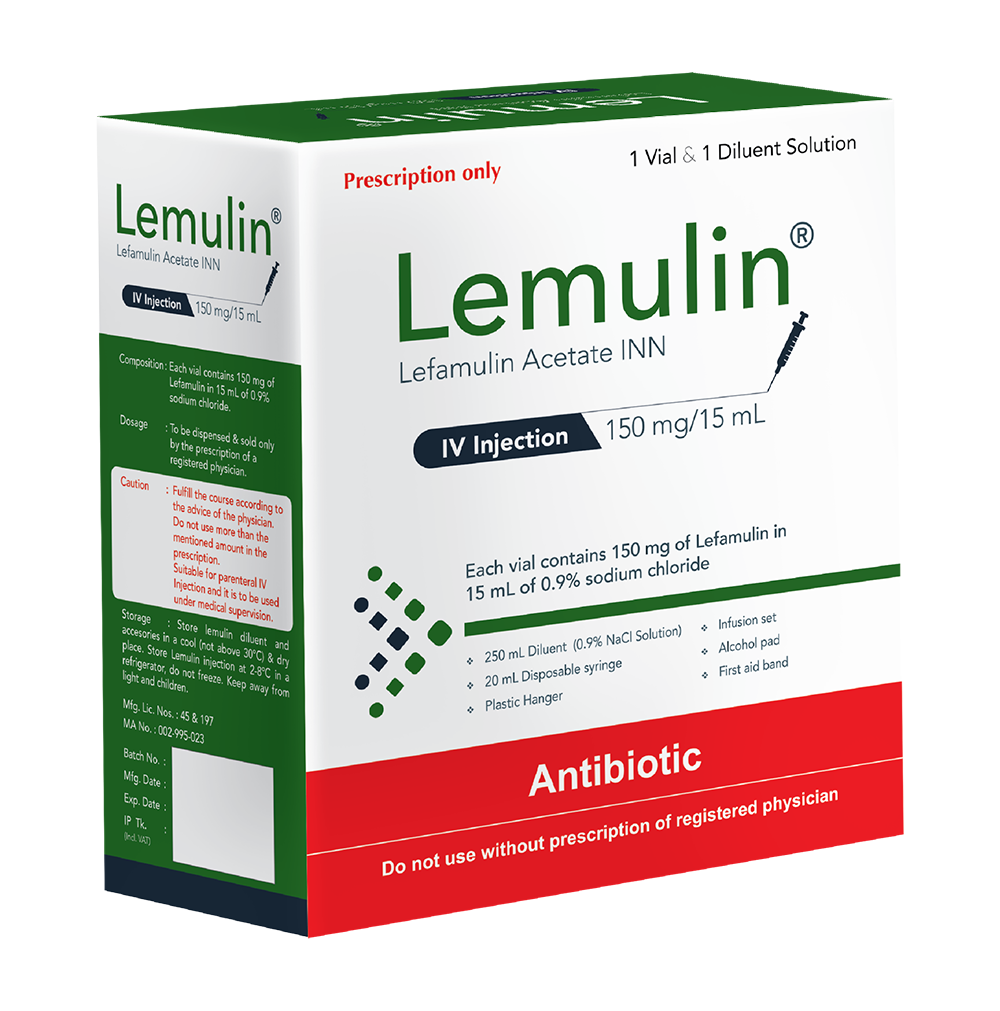
- Lefamulin Injection: Administer Lefamulin Injection by intravenous infusion over 60 minutes. Must dilute in a 250 ml solution of citrate buffered 0.9% sodium chloride for injection supplied with Lefamulin Injection before use.
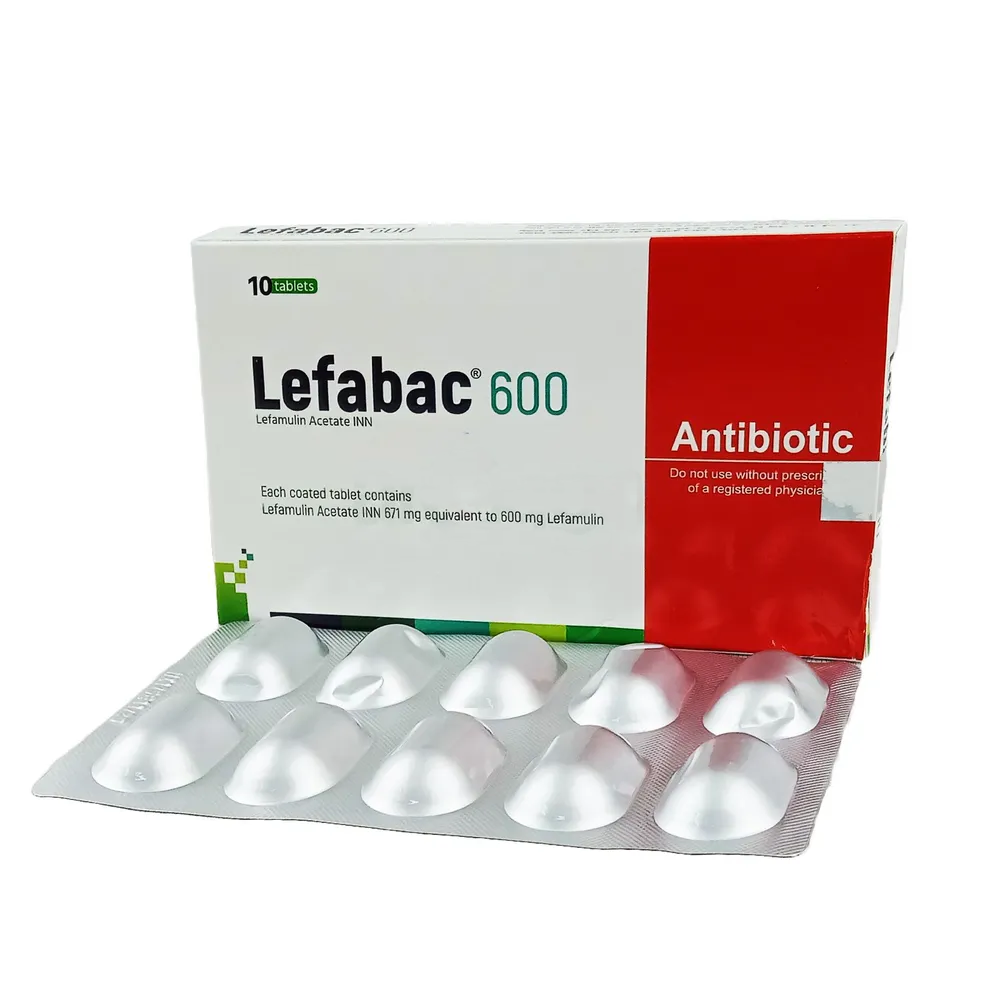
- Lefamulin Tablets: Take Lefamulin Tablets at least 1 hour before a meal or 2 hours after a meal. Do not crush or divide Lefamulin Tablet.
- Missed Dose: If a dose is missed, the patient should take the dose as soon as possible and anytime up to 8 hours prior to the next scheduled dose. If less than 8 hours remain before the next scheduled dose, do not take the missed dose, and resume dosing at the next scheduled dose.
- Dilute the entire 15 ml vial of Lefamulin Injection into the diluent bottle supplied with Lefamulin injection that contains 250 ml citrate buffered 0.9% sodium chloride solution.
- Use aseptic technique when adding Lefamulin Injection into the diluent bottle. Mix thoroughly.
- Use the diluent bottle only if the solution is clear and the container is undamaged.
- Do not use the diluent bottle in series connections.
- Do not add other additives to the diluent bottle because their compatibilities with Lefamulin Injection have not been established.