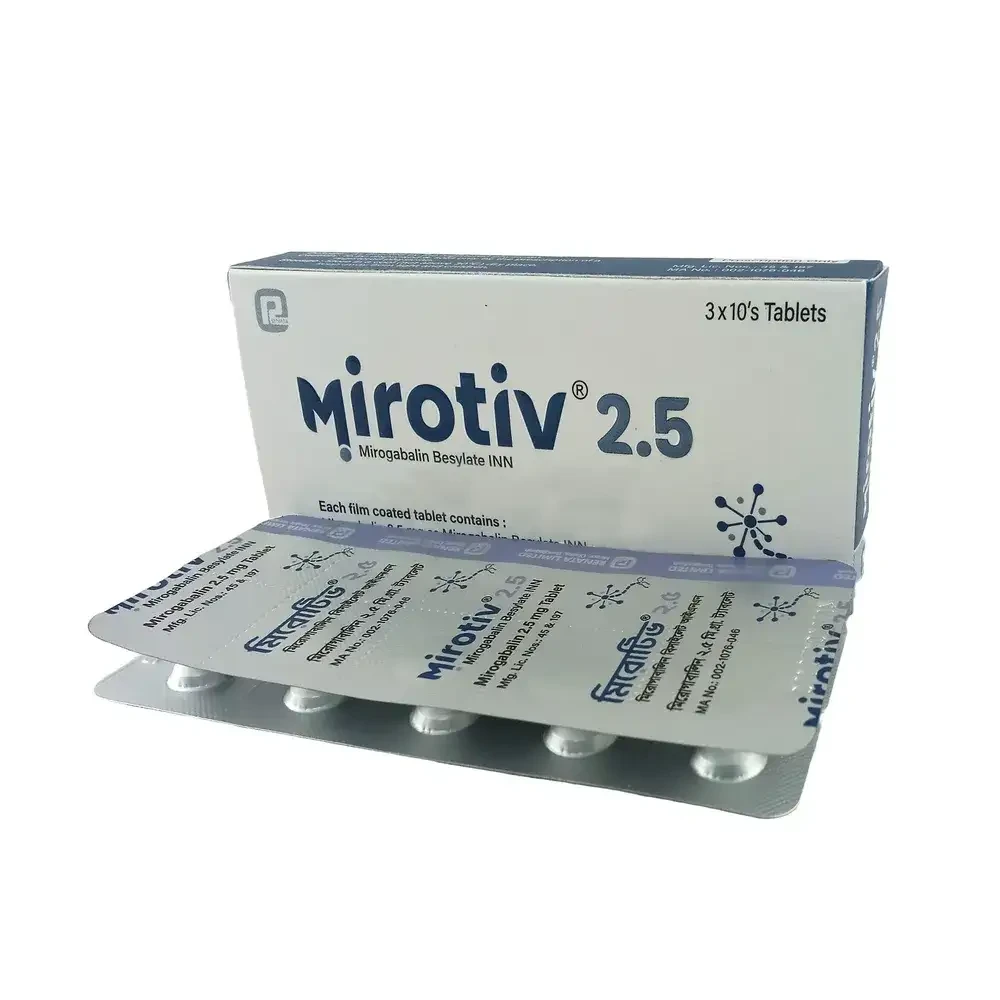
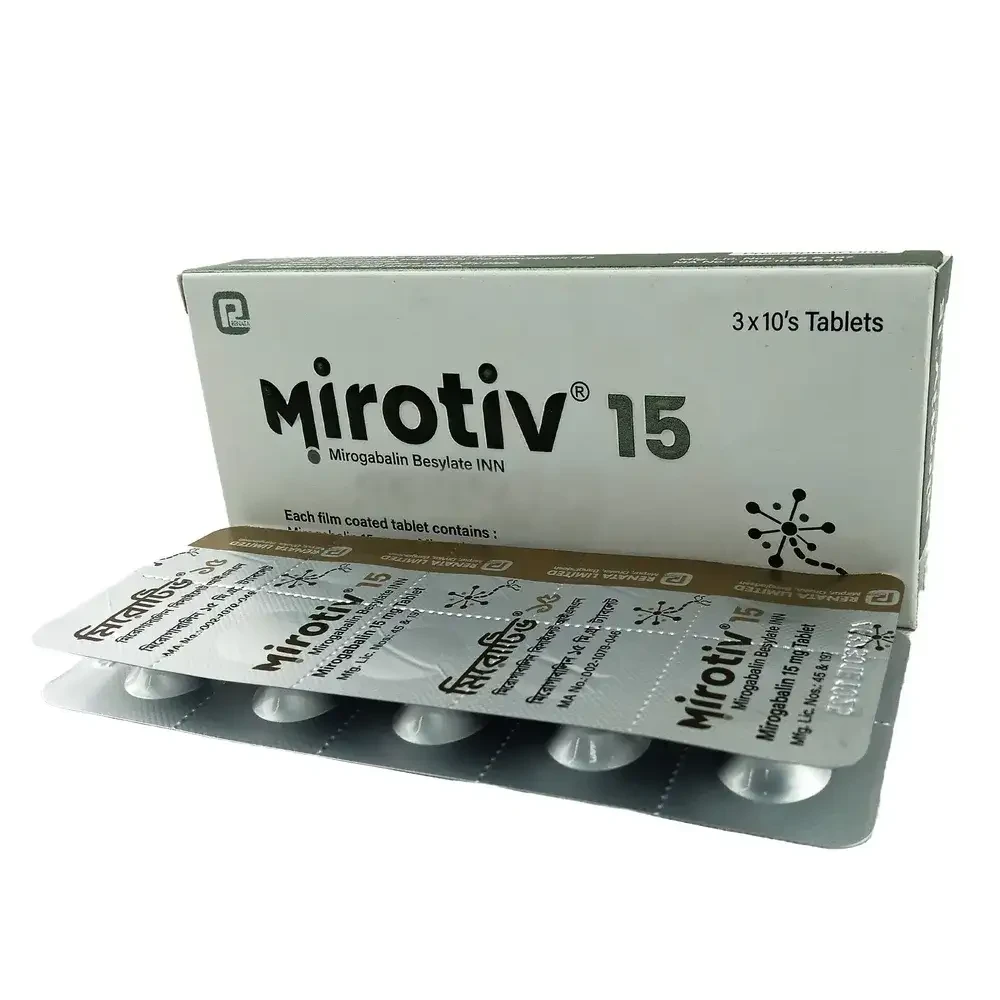
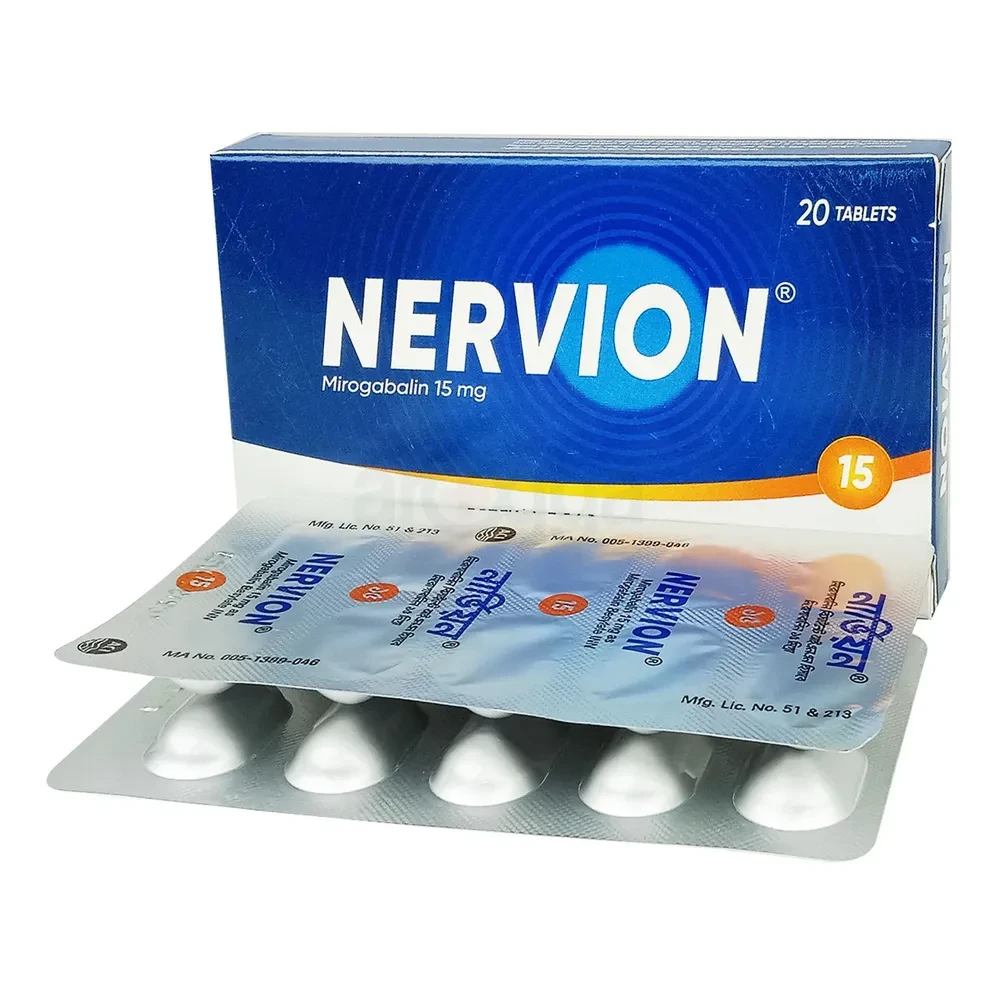
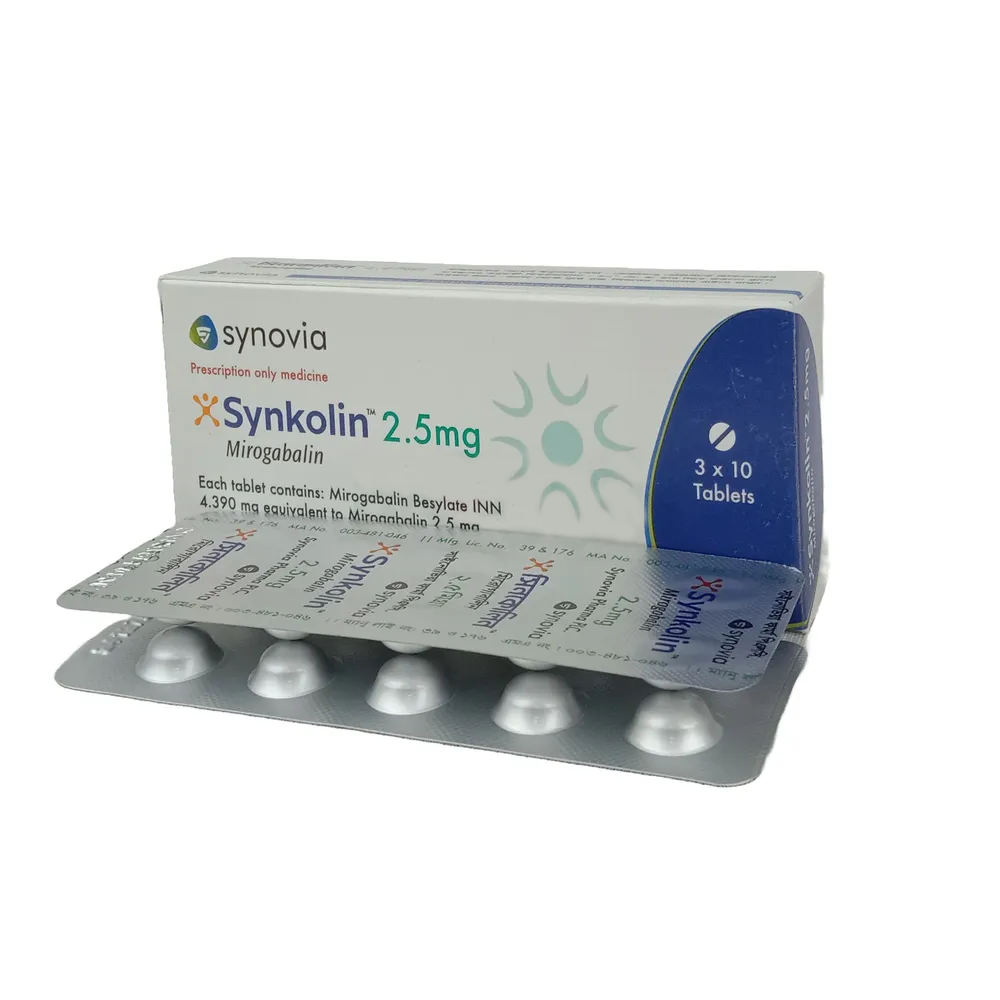
Introduction
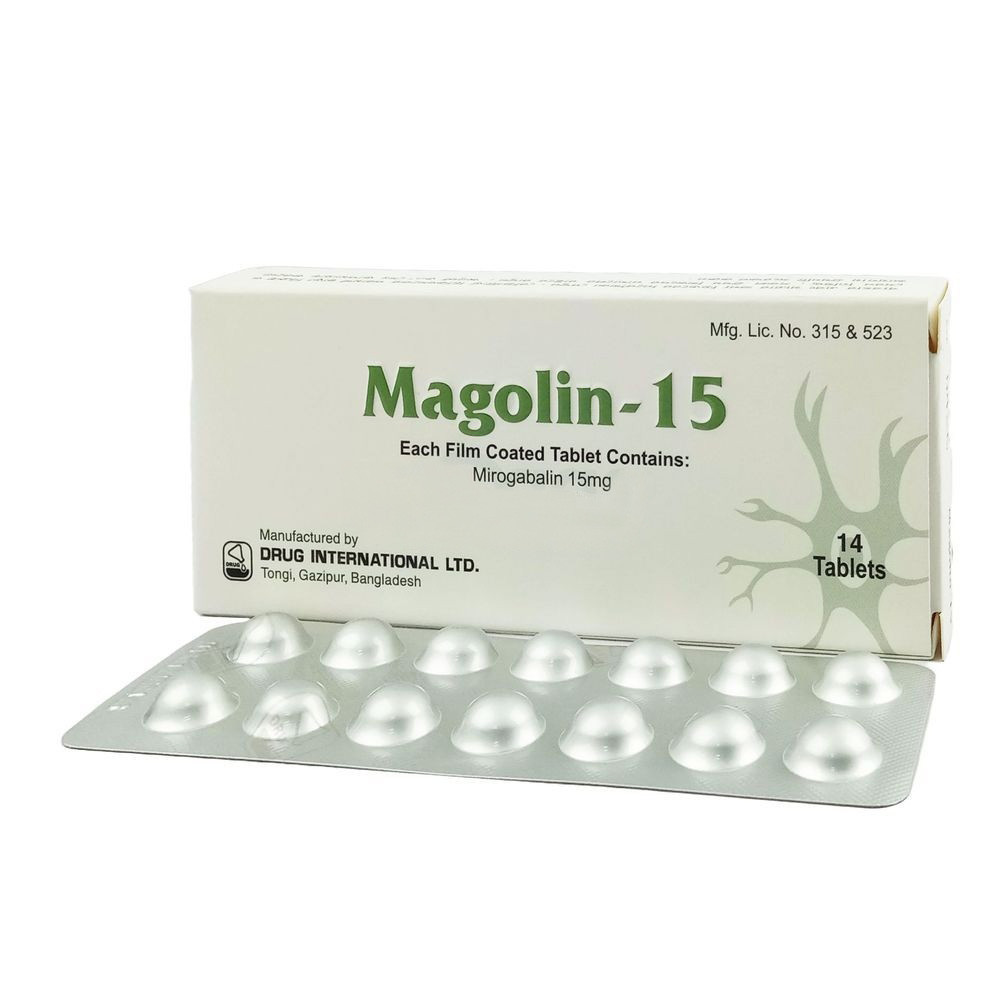
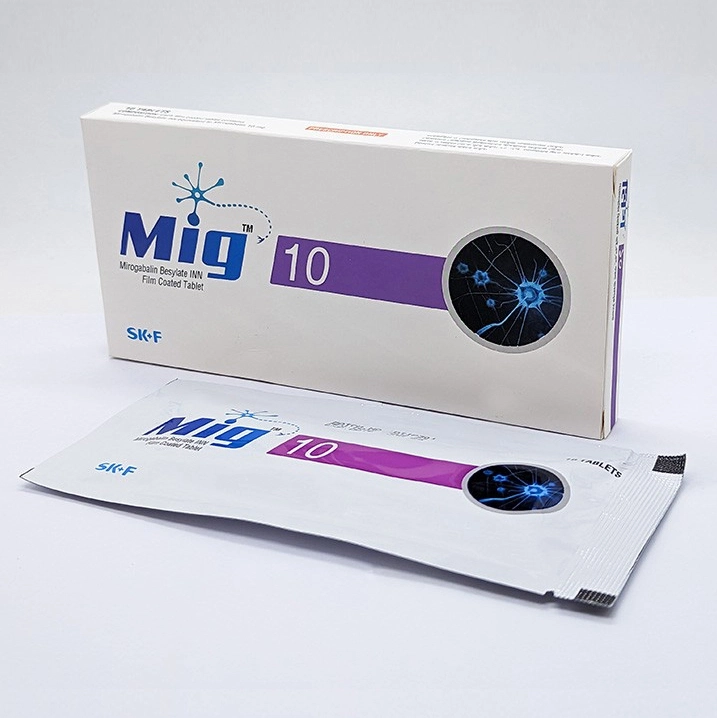
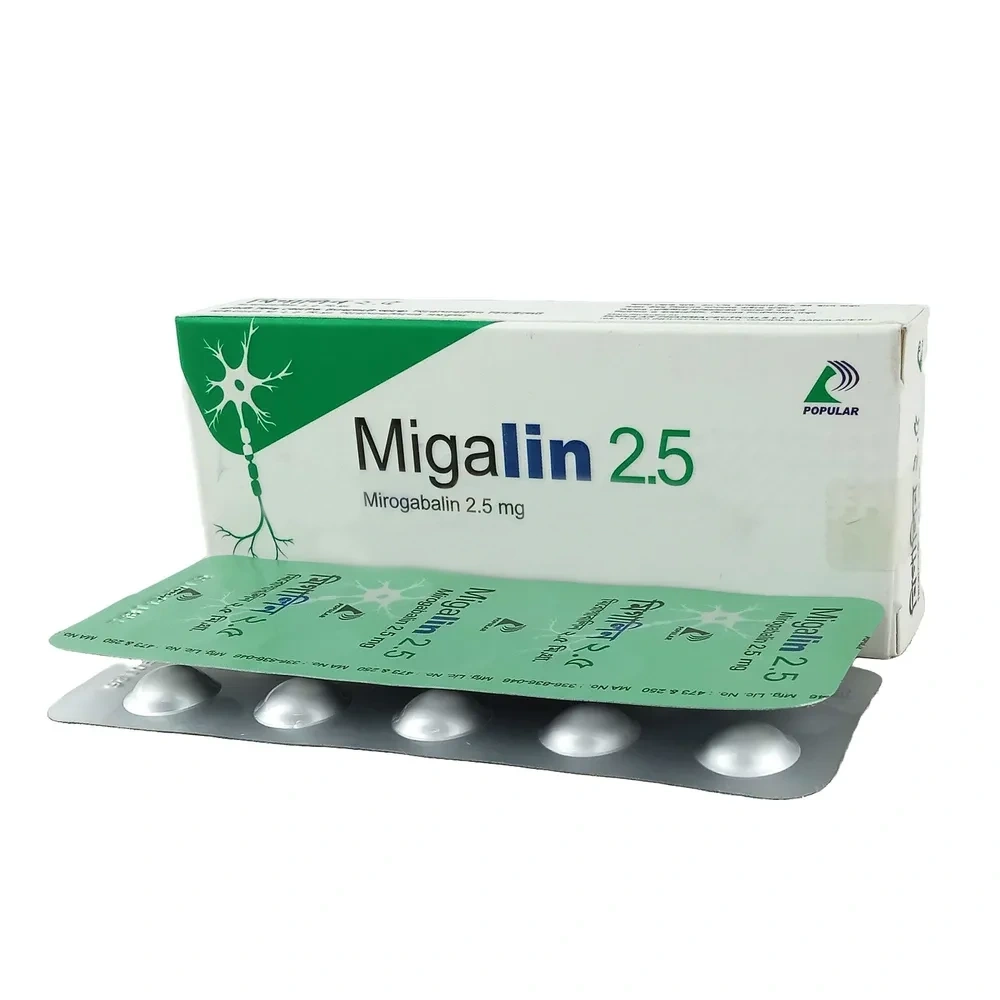
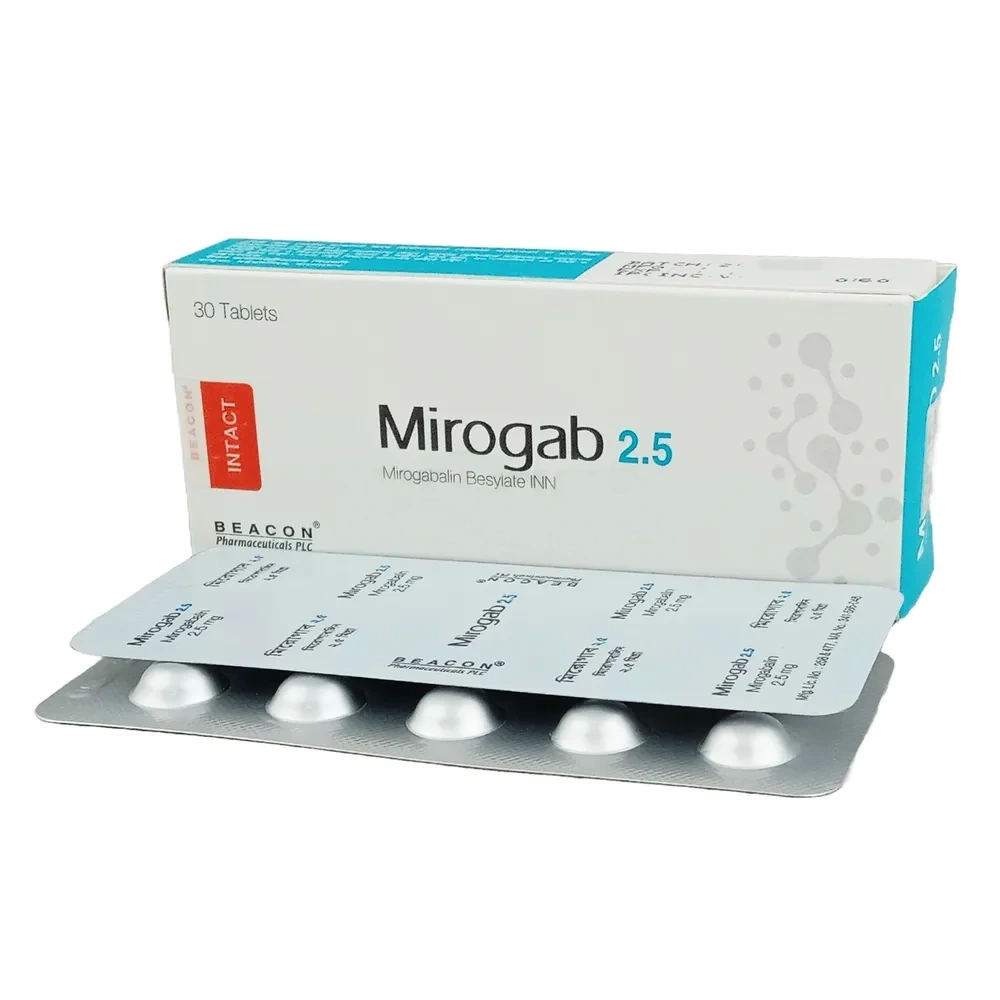
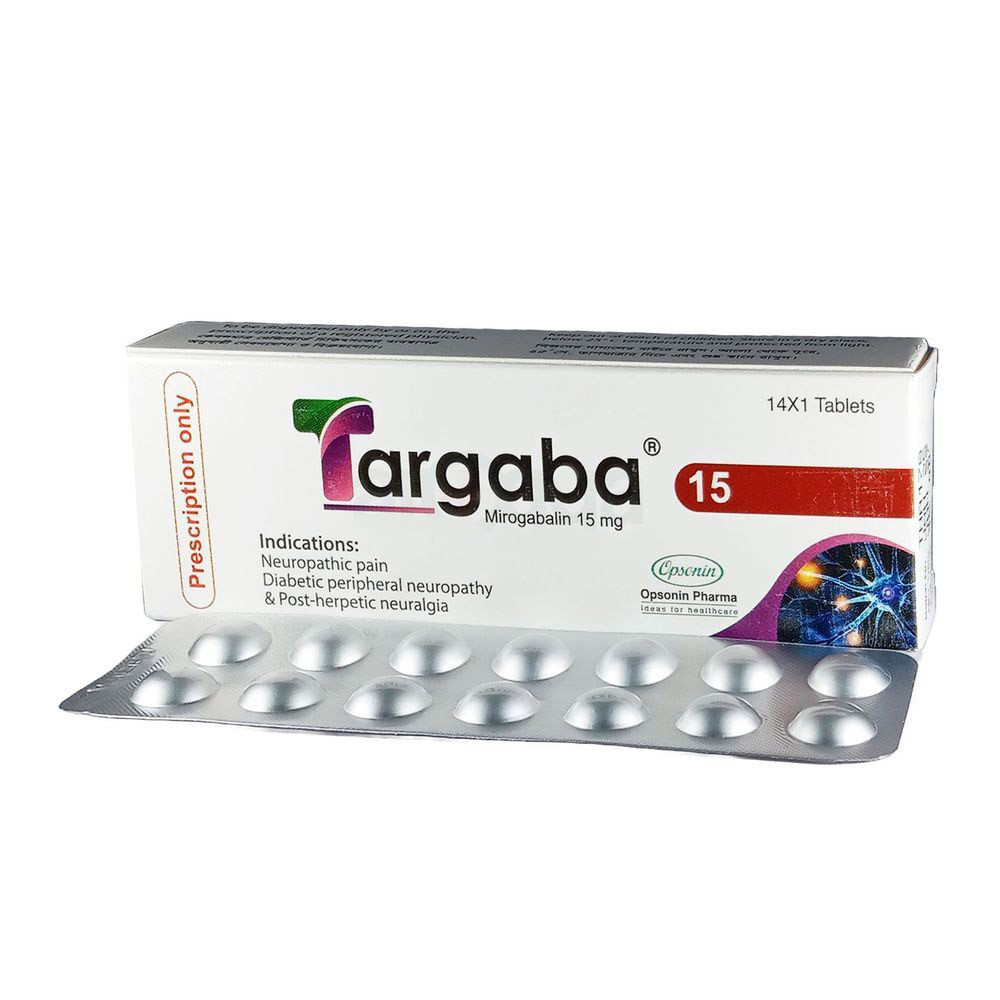
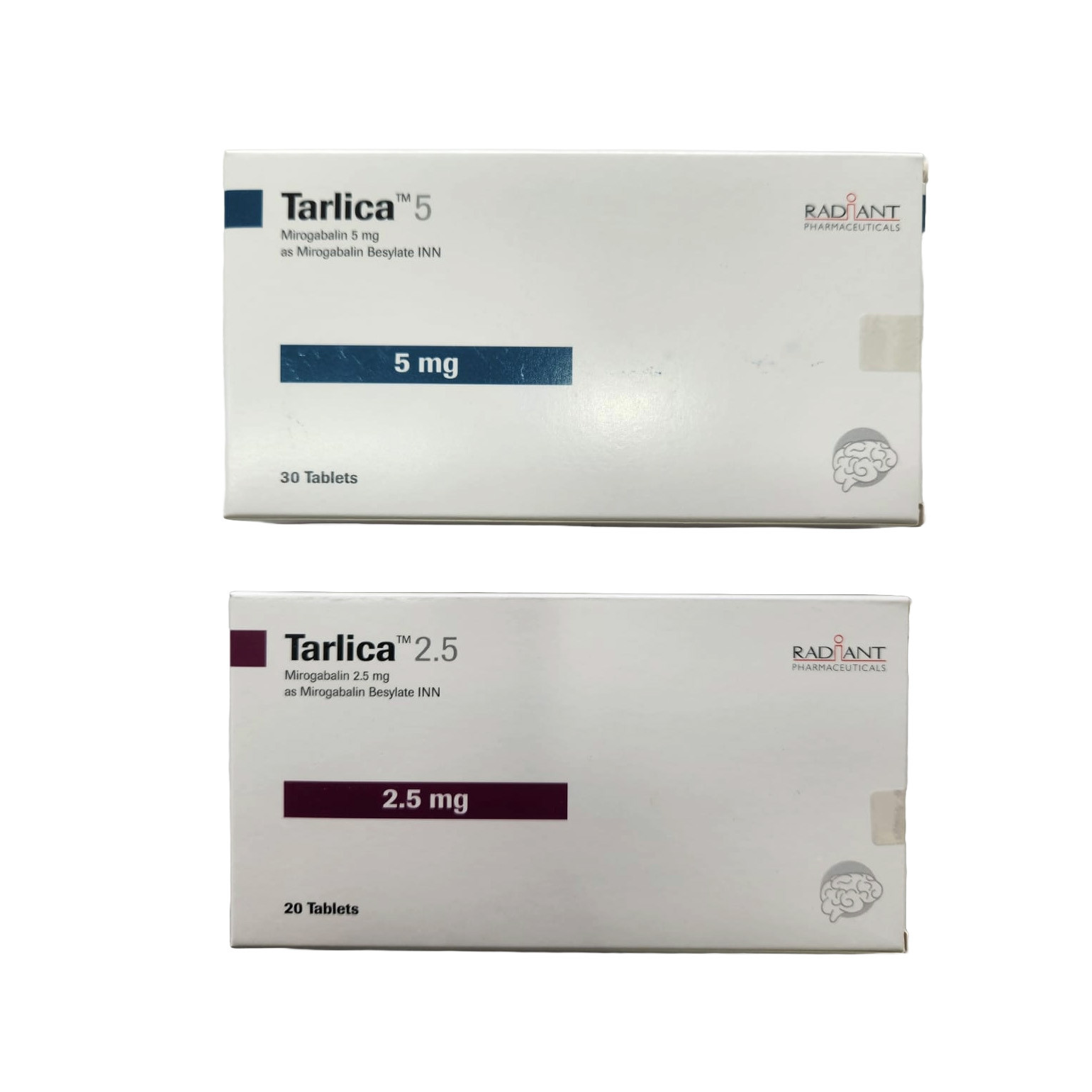
Mirogabalin Besylate (MGB) is a central nervous system (CNS) depressant used as an adjunctive therapy for the treatment of patients with partial seizures with or without secondary generalization. It is also indicated for the treatment of neuropathic pain associated with diabetic peripheral neuropathy and postherpetic neuralgia.
Uses
MGB is approved for the treatment of partial seizures with or without secondary generalization in patients 12 years of age and older. MGB is also used for the treatment of neuropathic pain associated with diabetic peripheral neuropathy and postherpetic neuralgia.
Mechanism of Action
MGB is a GABA analogue, similar to acamprosate and gabapentin. It appears to act centrally, blocking calcium channels in the brain and central nervous system, decreasing the release of neurotransmitters such as glutamate and norepinephrine. This leads to a reduction in the frequency and severity of seizures and pain.
How Long Does It Take to Work?
The effects of MGB are sometimes seen as early as 24 hours after beginning treatment, but it can take up to two weeks or more for the full effects to be seen.
Absorption
MGB is rapidly and completely absorbed after oral administration with peak concentrations in plasma occurring 1-2 hours after administration.
Route of Elimination
MGB is eliminated primarily via the kidney with a half-life of approximately 12 hours.
Dosage
Adult dose: The initial dose for adults is 5 mg of Mirogabalin twice daily. Then the dose is gradually increased by 5 mg at an interval of at least a week to 15 mg twice daily. The dose may be adjusted appropriately between 10 mg and 15 mg twice daily depending on ages and symptoms.Use in Children and Adolescent: It is not known if Mirogabalin is safe and effective in children and adolescent.
Hepatic Impairment: A single 15 mg dose of Mirogabalin does not produce significant adverse reaction, in patients with mild to moderate hepatic impairment. No data available for severe hepatic impairment.
Renal Impairment: In mild renal dysfunction, the initial dose starts from 5 mg twice a day, slowly increased by 5 mg at an interval of 1 week to 10 mg. In moderate renal dysfunction, the initial dose starts from 2.5 mg twice a day, slowly increased by 2.5 mg at an interval of 1 week to 7.5 mg twice a day. In severe renal dysfunction, the initial dose starts from 2.5 mg once a day, slowly increased by 2.5 mg at an interval of 1 week to 7.5 mg once a day.
The recommended starting dose of MGB for the treatment of partial seizures is 600 mg per day divided into three doses, taken with meals. The dose may be titrated up by 300 mg every 7 to 14 days, with a maximum of 1,600 mg per day.
The recommended starting dose of MGB for the treatment of neuropathic pain is 400 mg per day divided into two doses, taken with meals. The dose may be titrated up by 200-400 mg every week, with a maximum of 3,200 mg per day.
Administration
MGB should be taken orally and with meals.
Side Effect
MGB has been associated with various side effects including dizziness, headache, drowsiness, confusion, memory problems, dry mouth, blurred vision, vomiting, depression, agitation, anxiety, and insomnia.
Toxicity
MGB is generally well tolerated; however, it may have potential for abuse and can produce physical and psychological dependence. Symptoms of overdose can include sedation, low blood pressure, slowed breathing, confusion, decreased heart rate, blurred vision, agitation, and coma.
Precaution
MGB should not be used by patients with a history of hypersensitivity to it or other related compounds, a history of renal impairment, or any condition that predisposes to falls, including alcoholism, gait disturbances, and prescription sedatives. Patients should be closely monitored for signs of CNS depression, especially when starting, changing, or discontinuing therapy. MGB should be used with caution in patients with a history of depression or suicidal thoughts, as these can be worsened with this medication.
Interaction
Patients taking medications that interact with MGB may need to have their dosages adjusted or changed. Drugs that interact with MGB can include sedatives, muscle relaxants, certain antidepressants, narcotics, antihypertensives, and certain antiepileptic drugs.
Disease Interaction
MGB should be used with caution in patients with renal impairment, as these patients are at an increased risk of adverse effects.
Drug Interaction
MGB can interact with some drugs, such as anticoagulants, oral contraceptives, aspirin, and certain drugs used to treat HIV. It is important to carefully consider all drugs to avoid potential drug interactions.
Food Interaction
MGB can interact with certain food items, such as grapefruit juice and alcohol. It is important to follow your doctor’s instructions regarding food and alcohol intake.
Pregnancy Use
MGB should not be used during pregnancy, as it has been associated with an increased risk of birth defects.
Lactation Use
MGB should be avoided in breastfeeding mothers, as it can pass into breast milk and can affect a nursing infant.
Acute Overdose
In case of acute overdose, seek medical attention immediately. Symptoms can include sedation, low blood pressure, slowed breathing, confusion, decreased heart rate, blurred vision, agitation, and coma.
Contraindication
MGB should not be used in patients with a history of hypersensitivity to it or other related compounds.
Use Direction
MGB should be taken orally according to your doctor’s instructions. The recommended dose and frequency should be followed.
Storage Condition
MGB should be stored at room temperature and away from light and moisture.
Volume of Distribution
The volume of distribution of MGB is approximately 6.3L/kg.
Half Life
The half-life of MGB is approximately 12 hours.
Clearance
The clearance of MGB is approximately 17.1 mL/min/kg.