Introduction
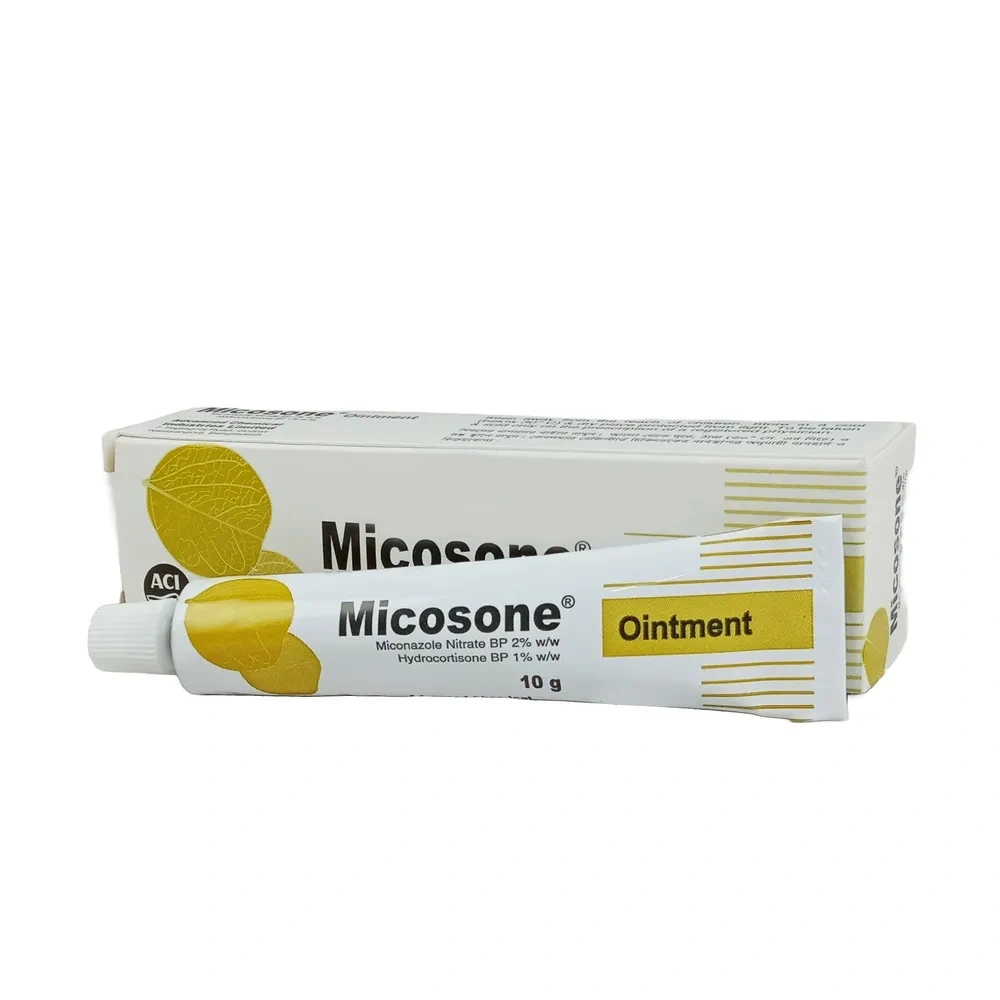
Miconazole nitrate combined with hydrocortisone is a topical medication used to treat fungal infections and associated inflammation. Miconazole is an antifungal agent that combats fungal infections, while hydrocortisone is a corticosteroid that reduces inflammation and itching. This combination is often used in creams or ointments for treating various skin conditions.
Uses
The combination of miconazole nitrate and hydrocortisone is used for:
- Treating fungal skin infections such as athlete's foot, ringworm, and jock itch.
- Relieving inflammation, itching, and discomfort associated with these infections.
- Managing skin conditions where fungal infection and inflammation coexist, such as candidiasis or dermatitis complicated by fungal infection.
Mechanism of Action
Miconazole nitrate works by inhibiting the synthesis of ergosterol, an essential component of fungal cell membranes. This leads to increased permeability and cell death. Hydrocortisone works by suppressing the immune response and reducing inflammation through the inhibition of inflammatory mediators and the stabilization of lysosomal membranes.
How Long Does It Take to Work?
The onset of action for miconazole nitrate is typically within 2 to 4 weeks for noticeable improvement in fungal infections. Hydrocortisone provides relief from inflammation and itching within a few days of application. The combination allows for both rapid symptomatic relief and effective treatment of the fungal infection.
Absorption
When applied topically, miconazole nitrate and hydrocortisone are minimally absorbed into the systemic circulation. Their primary action is localized at the site of application. However, prolonged use or application over large areas can increase systemic absorption, especially with hydrocortisone.
Route of Elimination
Both miconazole and hydrocortisone are predominantly eliminated through the skin. A small amount may be metabolized in the liver and excreted in the urine. The systemic elimination of hydrocortisone involves metabolism in the liver and excretion via the kidneys.
Dosage
Apply to the affected area as a thin film two or four times daily for 1 to 2 weeks. Rub it well with your finger until this cream fully vanished on the skin. Treatment should be continued at least one week after the disappearance of all signs and symptoms. The same dosage applies to both adults and children.The dosage and application of miconazole nitrate and hydrocortisone should be as follows:
- For topical use: Apply a thin layer of the cream or ointment to the affected area of the skin once or twice daily, as directed by a healthcare provider.
- Duration: Typically used for up to 2 weeks, but duration may vary based on the condition being treated and patient response.
Follow the specific dosing instructions provided on the product label or by a healthcare provider.
Administration
- Apply the cream or ointment directly to the affected area of the skin.
- Wash hands before and after application to prevent the spread of infection.
- Avoid applying to broken or irritated skin unless directed by a healthcare provider.
Side Effects
Common side effects may include:
- Skin irritation or burning sensation at the site of application.
- Dryness, redness, or peeling of the skin.
- Secondary bacterial infections if the skin barrier is compromised.
Severe side effects are rare but may include allergic reactions such as rash, swelling, or difficulty breathing. Seek medical attention if severe reactions occur.
Toxicity
Topical application generally results in minimal systemic toxicity. However, excessive use or application over large areas can lead to systemic absorption of hydrocortisone, potentially causing symptoms like adrenal suppression or Cushing's syndrome. Monitor for signs of excessive side effects with prolonged use.
Precautions
- Avoid using on open wounds, mucous membranes, or eyes.
- Use with caution in individuals with a history of skin sensitivity or allergic reactions to corticosteroids or antifungal agents.
- Prolonged use should be monitored by a healthcare provider to avoid systemic effects of hydrocortisone.
Interaction
- Interactions are minimal with topical applications. However, use caution when combining with other topical products to avoid potential interactions.
- Consult a healthcare provider if using other medications or treatments simultaneously.
Disease Interaction
- Use with caution in patients with a history of diabetes, as hydrocortisone can affect blood glucose levels.
- Monitor closely in individuals with fungal infections complicated by secondary bacterial infections.
Drug Interaction
- Topical use generally has minimal drug interactions. However, caution should be taken when using other topical treatments or corticosteroids.
- Discuss with a healthcare provider if taking systemic medications that could interact with hydrocortisone.
Food Interactions
There are no significant food interactions with topical miconazole nitrate and hydrocortisone. Maintain a balanced diet as part of overall health management.
Pregnancy Use
The use of miconazole nitrate and hydrocortisone during pregnancy should be done only if clearly needed and prescribed by a healthcare provider. The potential benefits should be weighed against the possible risks. Use the lowest effective dose for the shortest duration possible.
Lactation Use
When used topically, miconazole nitrate and hydrocortisone are unlikely to affect a breastfeeding infant. However, consult a healthcare provider before use to ensure safety and discuss any potential risks. Avoid applying to areas of the breast that will come into contact with the infant.
Acute Overdose
Acute overdose is unlikely with topical use. In case of accidental ingestion or excessive application, seek medical attention immediately. Symptoms may include gastrointestinal distress or systemic effects of hydrocortisone.
Contraindication
- Contraindicated in individuals with known hypersensitivity to miconazole, hydrocortisone, or any other components of the formulation.
- Avoid use in viral skin infections (e.g., herpes simplex) or tuberculosis of the skin.
Use Direction
- Apply as directed by a healthcare provider or as specified on the product label.
- Do not use more than recommended or for longer than prescribed to avoid potential side effects.
Storage Conditions
- Store at room temperature, away from excessive heat and moisture.
- Keep in a tightly closed container and out of reach of children.
Volume of Distribution
The volume of distribution for topical miconazole and hydrocortisone is not well-defined as systemic absorption is minimal. The primary effect is localized at the site of application.
Half Life
The half-life of miconazole in systemic circulation is approximately 2 to 4 hours, but this is not typically relevant for topical use. The half-life of hydrocortisone when applied topically is not well-defined, but systemic effects generally have a longer half-life.
Clearance
Topical miconazole and hydrocortisone are primarily cleared from the application site and, to a lesser extent, via metabolism in the liver and excretion through the urine. Systemic clearance of hydrocortisone involves hepatic metabolism and renal excretion.