Introduction
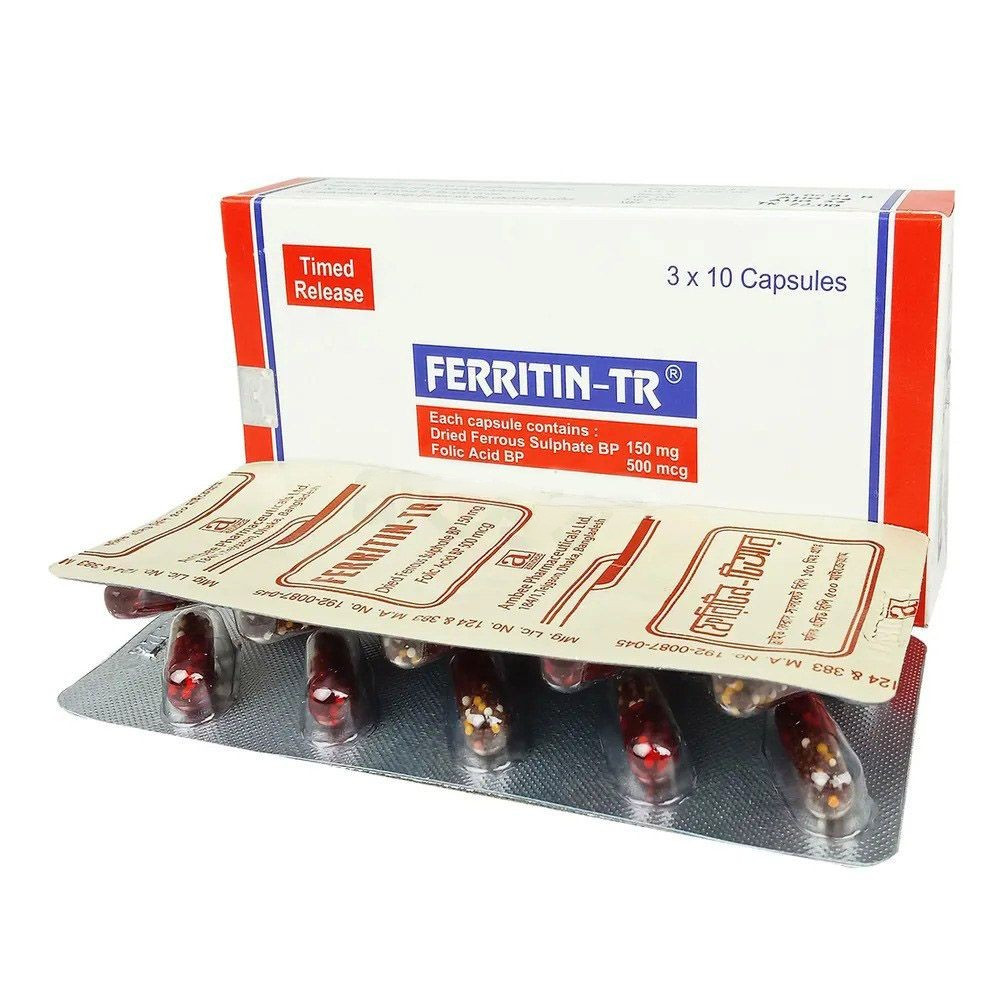
Ferrous sulfate and folic acid are combined in a formulation used primarily to treat and prevent anemia. Ferrous sulfate provides iron, which is essential for the production of hemoglobin and red blood cells, while folic acid is crucial for DNA synthesis and cell division. This combination is often used in conditions where there is a need for both iron and folic acid supplementation, such as in cases of iron deficiency anemia and during pregnancy.
Uses
The combination of ferrous sulfate and folic acid is used for:
- Iron Deficiency Anemia: To treat or prevent anemia caused by iron deficiency.
- Folic Acid Deficiency: To correct deficiencies that can lead to megaloblastic anemia.
- Pregnancy: To support increased nutritional needs and prevent anemia during pregnancy.
Mechanism of Action
Ferrous sulfate provides elemental iron, which is a vital component of hemoglobin, the molecule in red blood cells that carries oxygen throughout the body. Iron supplementation helps to replenish iron stores and improve hemoglobin levels. Folic acid acts as a coenzyme in the synthesis of nucleic acids and amino acids, facilitating proper cell division and the formation of red blood cells. The combination helps address deficiencies in both iron and folic acid, promoting overall hematologic health.
How Long Does It Take to Work?
The onset of action for ferrous sulfate is typically within a few days, with significant improvements in hemoglobin levels generally observed within 2-4 weeks. The full therapeutic effects on anemia may take several weeks to months depending on the severity of the deficiency and individual response. Folic acid's effects are usually observed within a few days to weeks after supplementation begins.
Absorption
Ferrous sulfate is absorbed in the duodenum and upper jejunum of the gastrointestinal tract. Absorption is enhanced in the presence of vitamin C and is reduced by the intake of calcium, antacids, or certain foods. Folic acid is absorbed primarily in the proximal small intestine. Adequate absorption of both nutrients depends on the health of the gastrointestinal tract and the presence of other dietary factors.
Route of Elimination
Iron from ferrous sulfate is metabolized and utilized in the body, with excess iron being stored primarily in the liver, spleen, and bone marrow. Unused iron is gradually eliminated through desquamation of intestinal cells and loss through feces. Folic acid is primarily metabolized in the liver and excreted in the urine. Excess folic acid is generally excreted in the urine as inactive metabolites.
Dosage
1 (one) capsule a day, throughout pregnancy and lactation. Some patients may need a higher dose because of dietary or other factors.The dosage of ferrous sulfate and folic acid can vary depending on the condition being treated:
- Iron Deficiency Anemia: Typically, 100-200 mg of elemental iron daily, often divided into 2-3 doses. Folic acid is usually given as 0.4-1 mg daily.
- Pregnancy: Commonly, 30-60 mg of elemental iron daily along with 0.4-1 mg of folic acid to meet the increased nutritional needs.
Administration
Ferrous sulfate and folic acid are usually administered orally. The tablets should be taken with a full glass of water and ideally on an empty stomach to enhance absorption. If gastrointestinal discomfort occurs, taking the medication with food may help reduce irritation. It is important to follow the prescribed dosage and administration guidelines to ensure efficacy and minimize side effects.
Side Effects
Common side effects of ferrous sulfate include:
- Gastrointestinal discomfort, including nausea, constipation, and diarrhea.
- Dark stools, which is a normal and harmless effect of iron supplementation.
- Allergic reactions, though rare.
- Possible interactions with other medications or conditions.
Toxicity
Iron toxicity can occur with excessive intake, leading to symptoms such as nausea, vomiting, abdominal pain, and in severe cases, organ damage. Folic acid toxicity is rare but can cause symptoms such as gastrointestinal upset or allergic reactions. In cases of overdose, immediate medical attention is required. Management includes supportive care and, if necessary, chelation therapy for iron toxicity.
Precautions
Precautions include:
- Monitoring for signs of gastrointestinal intolerance and adjusting dosage as needed.
- Regular blood tests to monitor iron and folic acid levels and adjust treatment as necessary.
- Patients with pre-existing conditions such as peptic ulcers, inflammatory bowel disease, or renal impairment should use with caution.
Interaction
Ferrous sulfate and folic acid may interact with other medications, including:
- Antacids and calcium supplements, which can reduce the absorption of iron.
- Certain antibiotics and medications used for epilepsy, which may be affected by folic acid.
Disease Interaction
Special caution is required in:
- Patients with gastrointestinal disorders, such as ulcers or inflammatory bowel disease, as iron supplementation may exacerbate symptoms.
- Patients with chronic kidney disease, as dosing may need adjustment.
- Individuals with a history of anemia due to conditions other than iron deficiency.
Drug Interaction
Ferrous sulfate may interact with:
- Antacids and proton pump inhibitors, which can decrease iron absorption.
- Certain antibiotics, such as tetracyclines and quinolones, which may have reduced efficacy when taken with iron supplements.
- Certain anticonvulsants and chemotherapeutic agents, which can affect folic acid metabolism.
Food Interactions
Iron absorption from ferrous sulfate can be reduced by:
- Foods high in calcium, such as dairy products.
- Certain high-fiber foods, which may bind iron and reduce its absorption.
Pregnancy Use
Ferrous sulfate and folic acid are commonly used during pregnancy to prevent or treat iron deficiency anemia and folate deficiency. Adequate iron and folic acid intake is crucial for fetal development and to prevent complications such as neural tube defects. The recommended dosage should be followed based on prenatal care guidelines.
Lactation Use
Both ferrous sulfate and folic acid are considered safe during lactation. Adequate levels of these nutrients are important for the mother’s health and for the development of the infant. It is advisable to follow the recommended dosages and consult with a healthcare provider to ensure proper nutrition while breastfeeding.
Acute Overdose
Acute overdose of iron can lead to symptoms such as nausea, vomiting, abdominal pain, and more severe effects like organ damage. Folic acid overdose is rare but can cause gastrointestinal upset. In cases of overdose, seek immediate medical attention. Treatment may include supportive care and specific interventions based on the severity of symptoms.
Contraindication
Contraindications include:
- Known hypersensitivity to ferrous sulfate, folic acid, or any component of the formulation.
- Conditions of iron overload or hemochromatosis, where additional iron could be harmful.
- Certain types of anemia that are not due to iron or folic acid deficiency.
Use Direction
Follow the prescribed dosage and administration instructions carefully. The medication should be taken as directed by a healthcare provider, with attention to dietary considerations that may affect absorption. Regular follow-up and monitoring are recommended to ensure efficacy and safety.
Storage Conditions
Store the tablets at room temperature, away from light and moisture. Keep out of reach of children. Proper storage helps maintain the stability and effectiveness of the medication.
Volume of Distribution
The volume of distribution for ferrous sulfate is approximately 1.7 L/kg, indicating distribution throughout body tissues. Folic acid is distributed widely throughout body tissues, including the liver, red blood cells, and other cells involved in hematopoiesis.
Half Life
The half-life of ferrous sulfate is approximately 6 hours, which influences dosing frequency. Folic acid has a variable half-life, typically ranging from 6 to 10 hours, depending on factors such as body stores and metabolic rate.
Clearance
Ferrous sulfate is cleared from the body through a combination of gastrointestinal excretion and metabolic processes. Folic acid is primarily cleared through renal excretion. Clearance rates are influenced by factors such as overall health, metabolic rate, and concurrent medications.