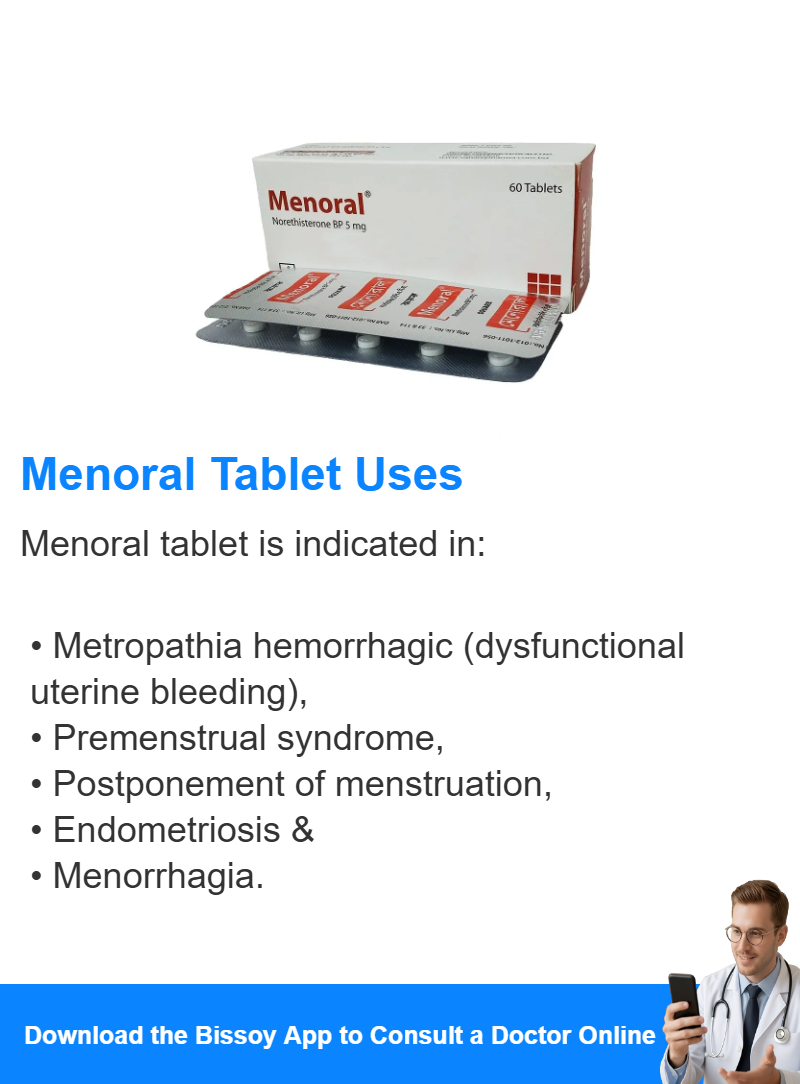
Introduction
Norethisterone, also known as norethindrone, is a synthetic progestational hormone belonging to the 19-nortestosterone-derived class of progestins. It is further classified as a second-generation progestin, along with levonorgestrel and its derivatives, and is the active form of several other progestins including norethynodrel and lynestrenol. Norethisterone mimics the actions of endogenous progesterone, albeit with a greater potency, and is used on its own or in combination with estrogen derivatives in a variety of applications including contraception and hormone replacement therapy. Norethisterone was originally intended for use as a remedy for irregular menstruation and endometriosis.
Uses
Norethisterone is a synthetic second-generation progestin used for contraception, prevention of endometrial hyperplasia in hormone replacement therapy, and in the treatment of other hormone-mediated illnesses such as endometriosis.
Norethisterone is indicated as an oral contraceptive when given as monotherapy or in combination with an estrogen component, such as ethinylestradiol or estradiol. In combination with an estrogen component, oral norethisterone is also indicated as a hormone replacement therapy in the treatment of postmenopausal osteoporosis and moderate-to-severe vasomotor symptoms arising from menopause. When applied via transdermal patch, the combination of norethisterone and estradiol is indicated for the treatment of hypoestrogenism, vulvovaginal atrophy, and moderate-severe vasomotor symptoms.
Norethisterone, taken in combination with intramuscular leuprolide, is also indicated for the symptomatic treatment of endometriosis-related pain.
Associated Conditions
Pharmacodynamics
Norethisterone is a synthetic oral progestin used for contraception or to treat other hormone-related conditions such as menopausal symptoms and endometriosis. As a synthetic progestin, norethisterone acts similarly to endogenous progesterone but with a much higher potency - it acts at the pelvic level to alter cervical and endometrial function, as well as via the inhibition of pituitary hormones that play a role in follicular maturation and ovulation. A small increase in the risk of developing breast cancer has been observed in patients using combined oral contraceptives, with some evidence also implicating progestin-only pills - patients starting hormonal contraception should be advised of this risk and should employ routine breast self-examinations to check for evidence of any developing masses.
Mechanism of Action
On a molecular level, progestins like norethisterone exert their effects on target cells via binding to progesterone receptors that result in downstream changes to target genes. Target cells are found in the reproductive tract, breast, pituitary, hypothalamus, skeletal tissue, and central nervous system. Contraceptive efficacy is derived mainly from changes to the cervical mucus, wherein norethisterone increases the cell content and viscosity of the mucous to impede sperm transport and migration. Norethisterone also induces a variety of changes to the endometrium - including atrophy, irregular secretion, and suppressed proliferation - that make it inhospitable for implantation. Working via a negative feedback loop, norethisterone also acts on both the hypothalamus and anterior pituitary to suppress the release of follicle-stimulating hormone (FSH) and luteinizing hormone (LH) from the anterior pituitary. Suppression of these hormones prevents follicular development, ovulation, and corpus luteum development.
When used as a component of hormone replacement therapy in menopausal women, norethisterone’s value is mainly in suppressing the growth of the endometrium. As estrogen stimulates endometrial growth, the unopposed use of estrogen in postmenopausal women with an intact uterus can lead to endometrial hyperplasia which can increase the risk of endometrial cancer. The addition of a progestin to a hormone replacement therapy in this population protects against this endometrial hyperplasia and, therefore, lowers the risk associated with the use of hormone replacement therapies.
Norethisterone, along with other progestins and endogenous progesterone, has a low affinity for other steroid receptors, such as the androgen receptor and glucocorticoid receptor. While affinity and agonistic activity at these receptors is minimal, it is thought that androgen receptor agonism is responsible for some of the adverse effects observed with progestin use (e.g. acne, serum lipid changes).
Absorption
The Cmax of norethisterone following oral administration of a single dose ranges from 5.39 to 7.36 ng/mL with a Tmax of 1-2 hours. AUC0-24 values following single oral doses range from approximately 30 to 37 ng*hr/mL. The oral bioavailability of norethisterone is approximately 64%. When applied transdermally, norethisterone is well-absorbed through the skin, reaches steady-state concentrations within 24 hours, and has a Cmax ranging from 617 to 1060 pg/mL at steady state.
Norethisterone is often formulated as norethisterone acetate, which is completely and rapidly deacetylated to norethisterone following oral administration - the disposition of norethisterone acetate is indistinguishable from that of orally administered norethisterone.
Volume of Distribution
The volume of distribution of norethisterone is approximately 4 L/kg. Sulfated metabolites of norethisterone, as well as small quantities of parent drug, have been shown to distribute into breast milk.
Protein Binding
Norethisterone is 38% bound to sex hormone-binding globulin and 61% bound to albumin.
Route of Elimination
Following administration of radio-labeled norethisterone, slightly more than 50% of the administered dose was eliminated in the urine and 20-40% was eliminated in the feces.
Half Life
The half-life of norethisterone has been variably estimated as 8-10 hours.
Clearance
The plasma clearance of norethisterone has been estimated as 0.4 L/hr/kg, and the intrinsic clearance is approximately 73-81 L/h.
Toxicity
The oral LD50 in mice 6 g/kg and the TDLo in human women is 42 mg/kg. There have been no reports of serious ill effects following overdose of oral contraceptives, including following ingestion by children. Symptoms of overdosage are likely to be consistent with the adverse effect profile of the contraceptive and may, therefore, include significant nausea and/or vomiting.
Food Interactions
- Take with or without food. Co-administration with food slightly alters pharmacokinetics, but not to a clinically significant extent.
Dosage
Metropathia haemorrhagica (dysfunctional uterine bleeding): 1 tablet 3 times daily for 10 days. Bleeding is arrested usually within 1-3 days. A withdrawal bleeding resembling normal menstruation occurs within 2-4 days after discontinuing treatment.
Prophylaxis against recurrence of dysfunctional bleeding: If there are no signs of resumption of normal ovarian function (no rise in the second half of the cycle of the morning temperature, which should be measured daily) recurrence must be anticipated. Cyclical bleeding can be established with 1 tablet twice daily from the 19th to the 26th day of the cycle.
Premenstrual syndrome (including premenstrual mastalgia): Premenstrual symptoms such as headache, migraine, breast discomfort, water retention, tachycardia, and psychological disturbances may be relieved by the administration of 2-3 tablets daily from the 19th to the 26th day of the cycle. Treatment should be repeated for several cycles. When treatment is stopped, the patient may remain symptom-free for a number of months.
Postponement of menstruation: In cases of too frequent menstrual bleeding, and in special circumstances (e.g. operations, travel, sports) the postponement of menstruation is possible. 1 tablet of Norethisterone three times daily, starting 3 days before the expected onset of menstruation. A normal period should occur 2-3 days after the patient has stopped taking tablets.
Endometriosis (pseudo-pregnancy therapy): Long-term treatment is commenced on the 5th day of the cycle with 2 tablets of Norethisterone daily for the first few weeks. In the event of spotting, the dosage is increased to 4, and, if necessary, 5 tablets daily. After bleeding has ceased, the initial dose is usually sufficient. Duration of treatment: 4-6 months continuously, or longer if necessary.
Menorrhagia (hypermenorrhoea): 1 tablet 2-3 times a day from the 19th to the 26th day of the cycle (counting the first day of menstruation as day 1).