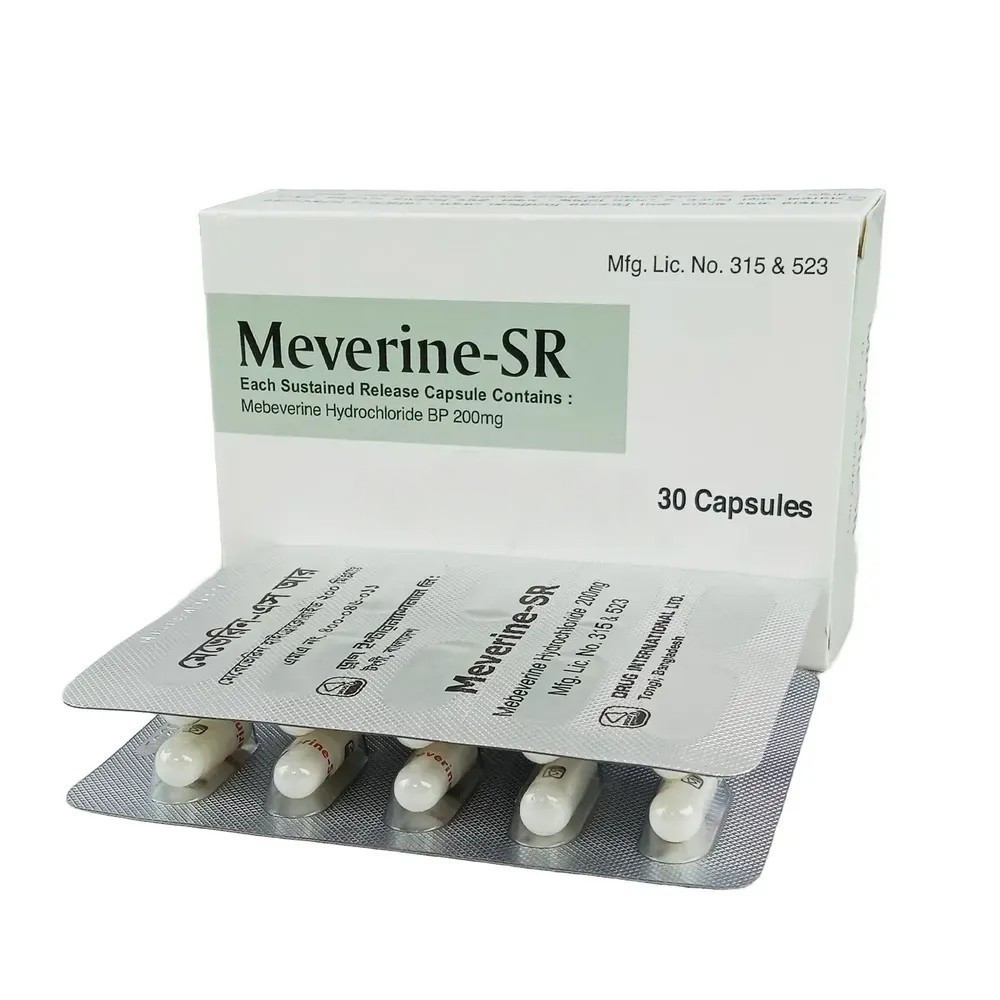
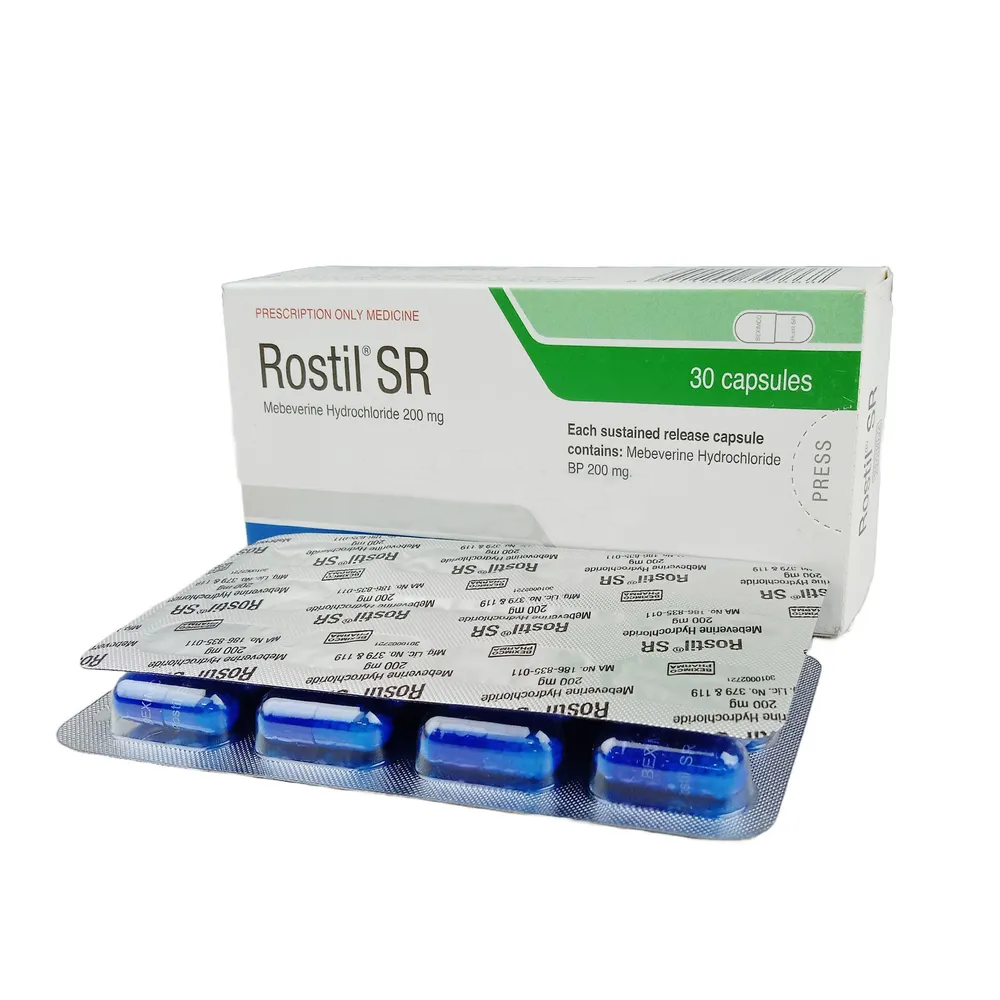
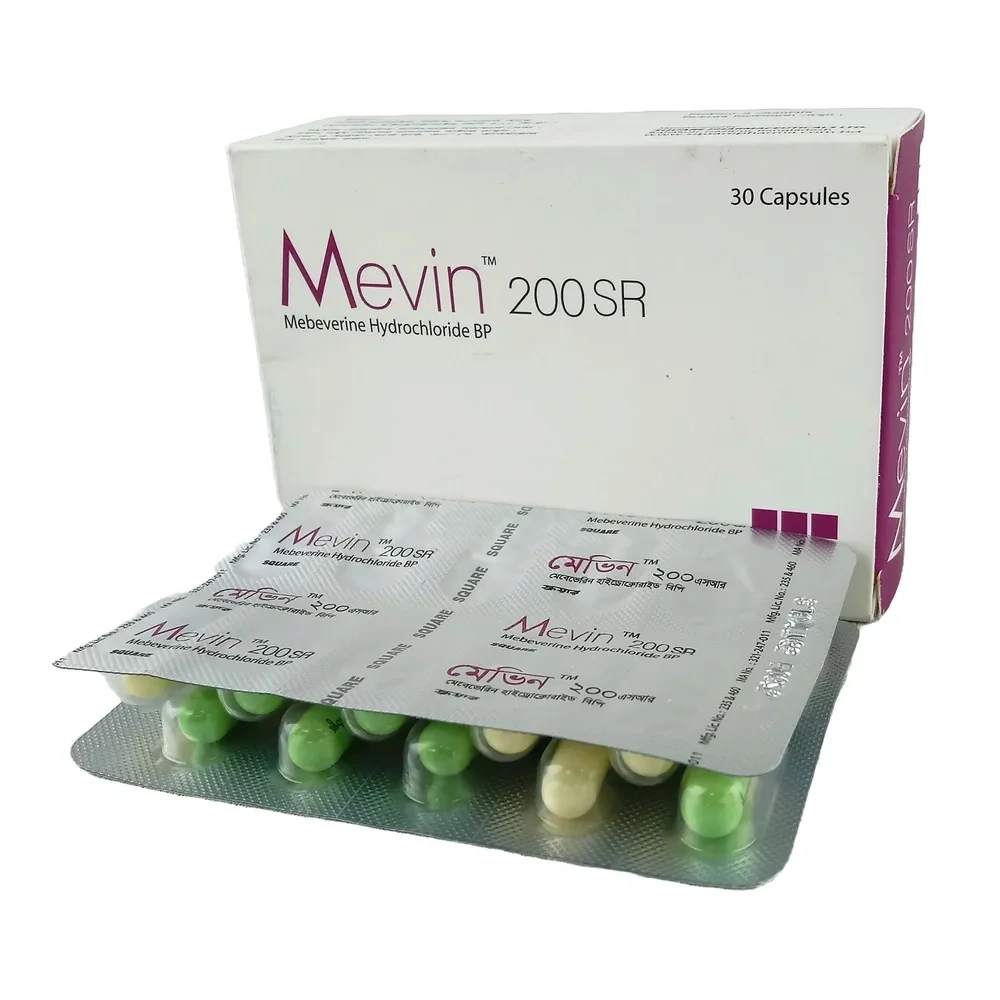
1. What is Mebiz SR Capsule (Sustained Release) 200 mg?
Mebiz SR Capsule (Sustained Release) 200 mg is an antispasmodic medication used to treat conditions like irritable bowel syndrome (IBS) by relaxing the muscles in the intestines and relieving spasms.
2. How does Mebeverine work?
Mebeverine works by inhibiting the contraction of smooth muscles in the intestines, thus reducing cramps, spasms, and discomfort associated with gastrointestinal conditions.
3. What is Mebeverine used for?
Mebeverine is primarily used to treat:
- Irritable bowel syndrome (IBS)
- Functional bowel disorders
- Abdominal cramps
4. How should I take Mebeverine?
Mebeverine is usually taken orally in tablet form, typically 1 tablet 3 times a day before meals. Follow your doctor's instructions for the correct dosage.
5. Can I take Mebeverine with food?
Yes, Mebeverine can be taken with or without food. However, it's generally recommended to take it before meals for best results.
6. What are the common side effects of Mebeverine?
Common side effects of Mebeverine may include:
- Headache
- Dizziness
- Dry mouth
- Nausea
7. Can Mebeverine cause any serious side effects?
Serious side effects are rare but may include:
- Allergic reactions (rash, swelling, difficulty breathing)
- Severe abdominal pain
- Heart palpitations
If any of these occur, seek medical attention immediately.
8. Can I take Mebeverine during pregnancy?
It is recommended to consult your doctor before taking Mebeverine during pregnancy. While it is generally considered safe, it should only be used if prescribed by a healthcare provider.
9. Is Mebeverine safe to use while breastfeeding?
Mebeverine is excreted in breast milk in small amounts. It's best to consult with your doctor before using it while breastfeeding to weigh the potential risks and benefits.
10. Can Mebeverine be taken by children?
Mebeverine is generally not recommended for children under 10 years old. Always consult your healthcare provider before giving this medication to a child.
11. How long does it take for Mebeverine to work?
Mebeverine typically starts to relieve symptoms within a few hours of taking it. However, the full effect may take a few days of consistent use to be felt.
12. Can I take Mebeverine with other medications?
Mebeverine may interact with certain other medications. Inform your doctor of any other medications you are taking, including over-the-counter drugs and herbal supplements.
13. Can I drink alcohol while taking Mebeverine?
There is no known direct interaction between Mebeverine and alcohol. However, drinking alcohol may worsen the side effects of dizziness and drowsiness. It is advisable to limit alcohol intake.
14. Is Mebeverine addictive?
No, Mebeverine is not addictive. It works by relaxing the smooth muscles in the intestines, and it doesn't cause dependency.
15. How should Mebeverine be stored?
Store Mebeverine tablets in a cool, dry place, away from direct light. Keep them out of reach of children and do not use them after the expiration date on the packaging.
16. Can I stop taking Mebeverine suddenly?
It is generally safe to stop taking Mebeverine without tapering off. However, consult your healthcare provider before stopping any medication.
17. What should I do if I miss a dose of Mebeverine?
If you miss a dose, take it as soon as you remember, unless it is almost time for the next dose. Do not double the dose to make up for a missed one.
18. What happens if I overdose on Mebeverine?
In case of overdose, seek immediate medical help. Symptoms of overdose may include extreme dizziness, confusion, or fainting.
19. Can Mebeverine be used for IBS with diarrhea?
Yes, Mebeverine is commonly used for treating IBS, including cases with diarrhea, as it helps reduce the frequency and severity of abdominal cramps and discomfort.
20. Can Mebeverine be used for IBS with constipation?
Yes, Mebeverine is effective in treating IBS with constipation by relieving cramps and spasms in the intestines, making it easier to pass stools.
21. Can Mebeverine help with bloating?
While Mebeverine does not directly treat bloating, it can help alleviate the abdominal discomfort and cramping that often accompany bloating in conditions like IBS.
22. What is the difference between Mebeverine and other antispasmodics?
Mebeverine is a selective antispasmodic that targets smooth muscle in the gastrointestinal tract. Unlike some other antispasmodics, it has minimal effects on the central nervous system, leading to fewer side effects like drowsiness.
23. Can Mebeverine be taken for stomach ulcers?
Mebeverine is not typically prescribed for stomach ulcers, but it may help alleviate some symptoms, such as abdominal discomfort, if prescribed by your doctor.
24. Can I take Mebeverine for general abdominal pain?
Mebeverine is specifically used for gastrointestinal conditions like IBS. It should not be used to treat general abdominal pain without a doctor's guidance.
25. How does Mebeverine compare to hyoscine?
Both Mebeverine and hyoscine are antispasmodics, but Mebeverine is more selective in its action on the gut and has fewer side effects related to the central nervous system compared to hyoscine.
26. Can Mebeverine be used for nausea?
Mebeverine is not typically used for nausea. It is specifically indicated for abdominal cramps and spasms, particularly in conditions like IBS.
27. How does Mebeverine affect digestion?
Mebeverine helps relax the muscles in the gut, improving the movement of food through the digestive tract and relieving symptoms like cramping, bloating, and abdominal discomfort.
28. Can Mebeverine be used long-term?
Yes, Mebeverine can be used long-term under the guidance of a healthcare provider, especially for managing chronic conditions like IBS. Regular check-ups are recommended to monitor its effectiveness and side effects.
29. Is Mebeverine suitable for people with lactose intolerance?
Some Mebeverine tablets may contain lactose. If you are lactose intolerant, speak with your healthcare provider to find a suitable alternative.
30. Does Mebeverine interact with caffeine?
There is no known interaction between Mebeverine and caffeine. However, excessive caffeine consumption may exacerbate symptoms like abdominal discomfort or diarrhea in some individuals.
31. Can Mebeverine cause weight gain?
Weight gain is not a common side effect of Mebeverine. However, changes in appetite or digestion related to IBS might affect weight, and these issues may improve with Mebeverine treatment.
32. Does Mebeverine affect blood pressure?
Mebeverine does not typically affect blood pressure. However, if you have a history of blood pressure issues, discuss this with your healthcare provider before starting the medication.
33. Can Mebeverine be used for chronic digestive issues?
Yes, Mebeverine is effective for managing chronic digestive conditions such as IBS. Your doctor will help tailor the treatment to suit your needs.
34. What are the long-term effects of Mebeverine use?
There are no known significant long-term effects of Mebeverine use when taken as prescribed. However, it's important to have regular follow-up with your healthcare provider to monitor any side effects.
35. Can Mebeverine be used with probiotics?
Yes, Mebeverine can generally be used alongside probiotics. However, it's best to consult your healthcare provider to ensure the combination is appropriate for your condition.
36. Is Mebeverine available over-the-counter?
In many countries, Mebeverine is available only by prescription. It is not typically sold over-the-counter for self-medication.
37. Can I drive after taking Mebeverine?
Mebeverine generally does not cause drowsiness or impair motor skills, but if you experience dizziness or other side effects, avoid driving and consult your healthcare provider.
38. Can Mebeverine cause constipation?
Mebeverine is unlikely to cause constipation; in fact, it is used to help alleviate constipation-related symptoms in IBS. However, some individuals may experience digestive upset.
39. Can Mebeverine help with menstrual cramps?
Although Mebeverine is not specifically indicated for menstrual cramps, it may help relieve abdominal discomfort if cramps are related to gastrointestinal spasms.
40. Can I take Mebeverine if I have diabetes?
Mebeverine does not directly affect blood sugar levels, but if you have diabetes, always consult your healthcare provider before starting any new medication.
41. Does Mebeverine have any effect on the liver?
Mebeverine is generally considered safe for people with liver conditions. However, if you have liver disease, your doctor may monitor your liver function while using Mebeverine.
42. Can Mebeverine cause dizziness?
Some individuals may experience dizziness or lightheadedness when taking Mebeverine. If this occurs, avoid driving or operating heavy machinery until the symptoms resolve.
43. Is there a generic version of Mebeverine?
Yes, generic versions of Mebeverine are available in many countries, typically under the name "Mebeverine" or similar variations.
44. What should I do if I experience an allergic reaction to Mebeverine?
If you experience symptoms of an allergic reaction (rash, swelling, difficulty breathing), stop taking Mebeverine immediately and seek medical attention.
45. Can Mebeverine help with gas pain?
While Mebeverine is not specifically used for gas pain, it can help reduce abdominal discomfort and bloating that may accompany gas in some individuals.
46. Does Mebeverine help with diarrhea?
Mebeverine may help reduce the frequency and severity of diarrhea associated with IBS by relaxing the intestinal muscles and reducing spasms.
47. Does Mebeverine help with constipation?
Mebeverine helps with constipation-related discomfort by relaxing the muscles in the intestines and allowing for smoother bowel movements.
48. What is the usual dosage of Mebeverine?
The usual dosage for Mebeverine is 135 mg, 3 times a day. However, always follow the specific dosing instructions given by your healthcare provider.
49. Can Mebeverine be used for Crohn's disease?
Mebeverine is not specifically indicated for Crohn's disease, but it may help alleviate gastrointestinal spasms and discomfort associated with the condition.