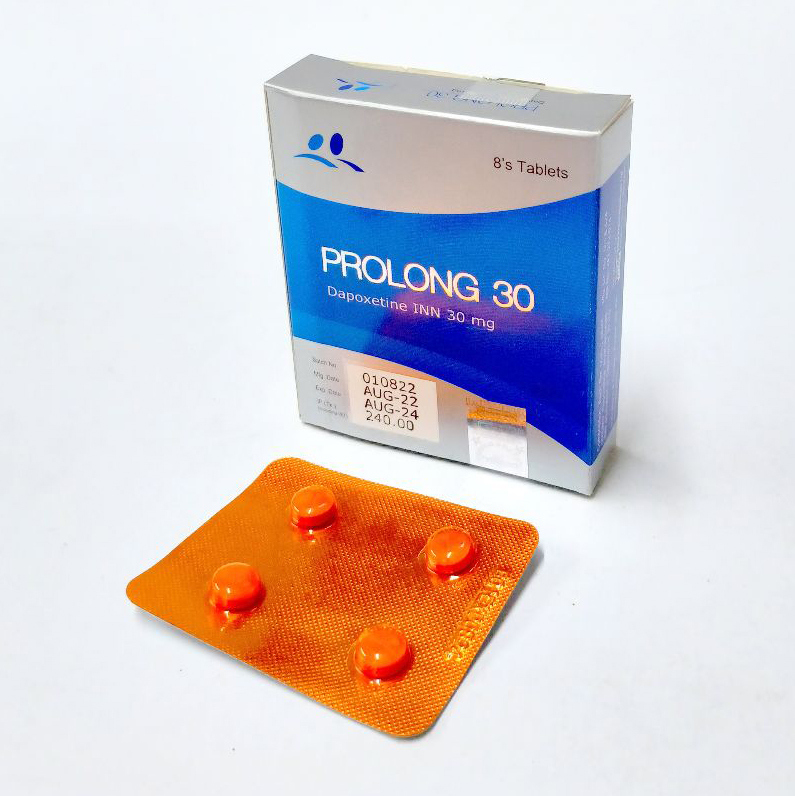
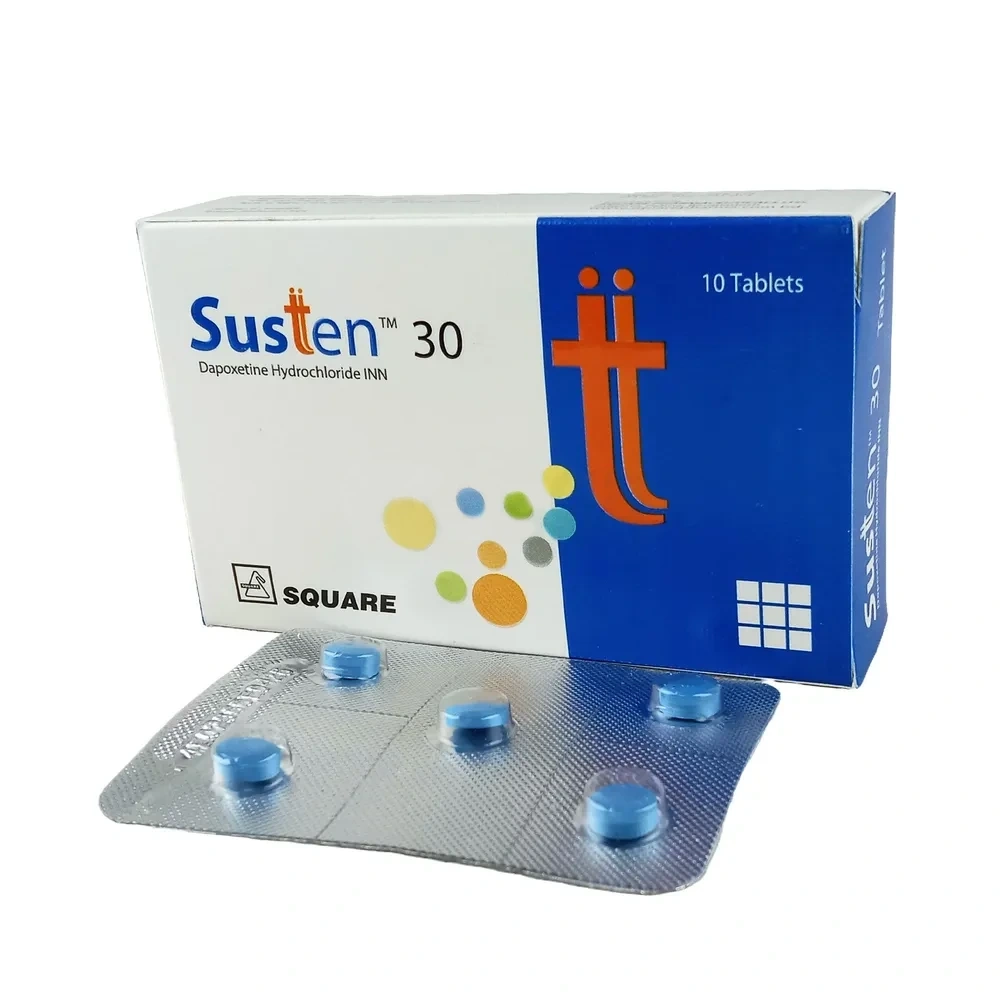
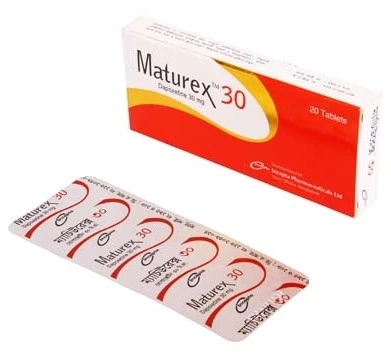
Maturex Tablet 30 mg

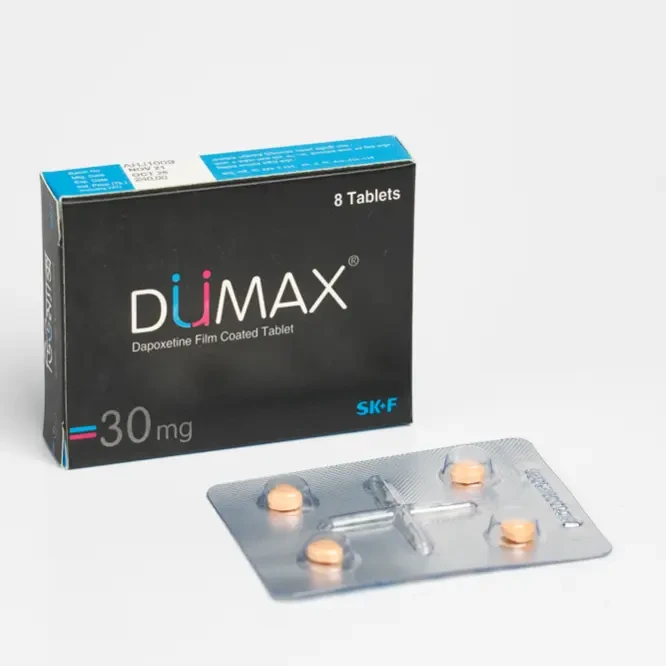
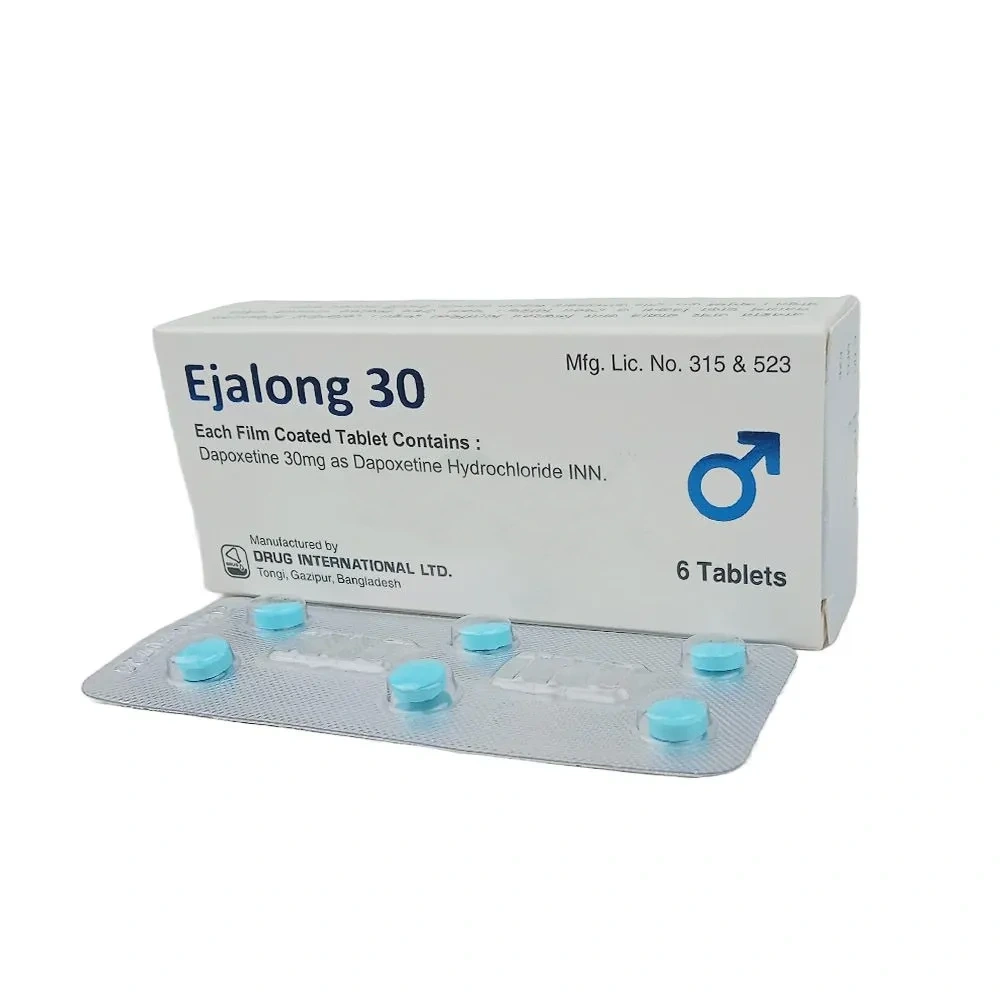
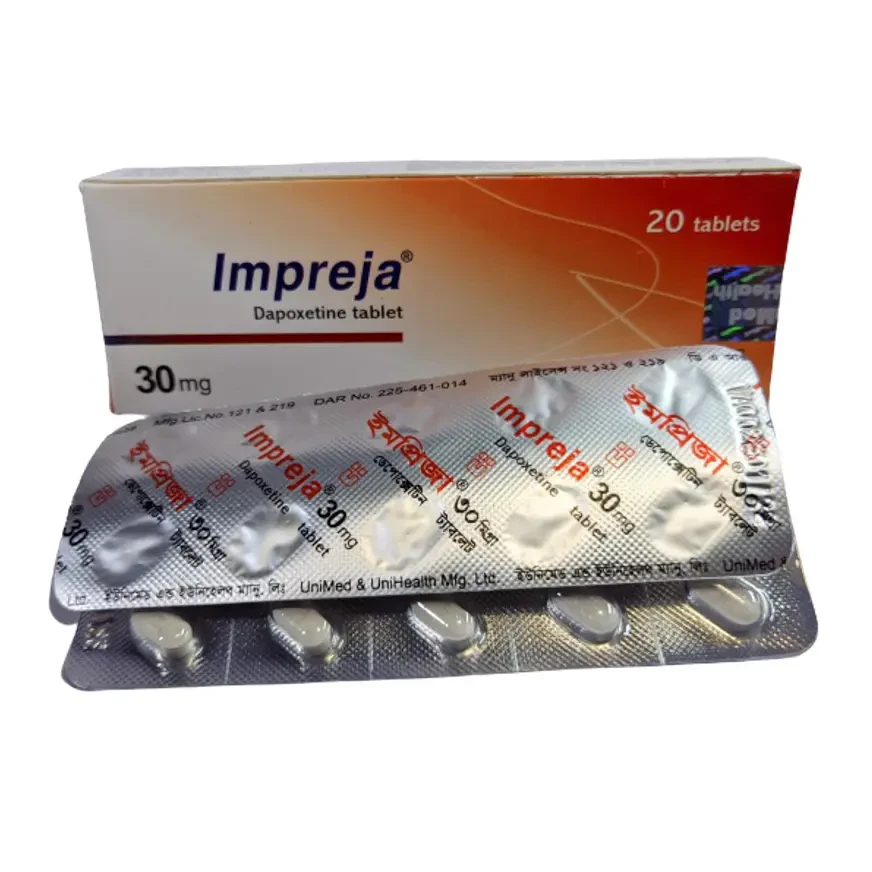
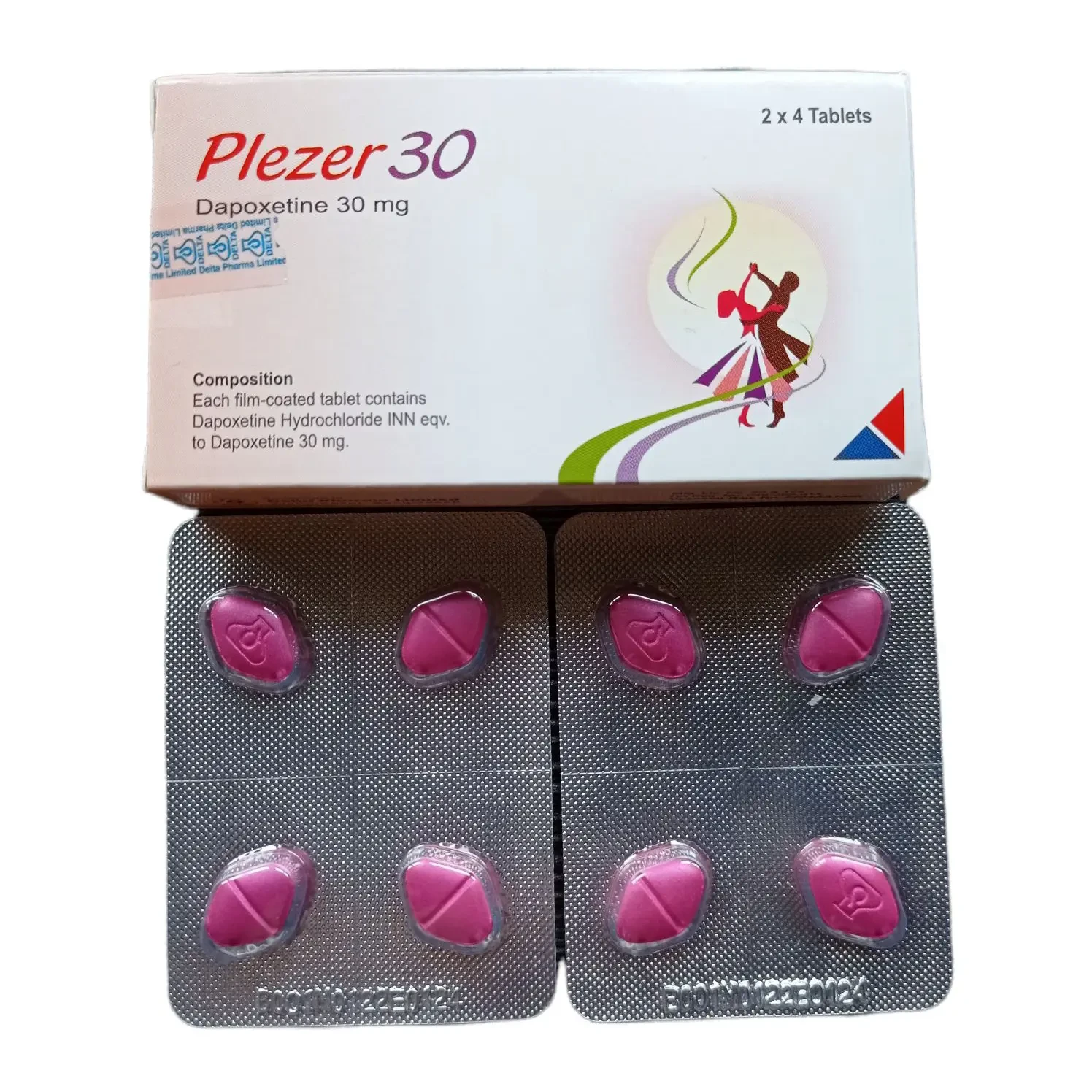
Dapoxetine hydrochloride is a selective serotonin reuptake inhibitor, or SSRI, drug that is prescribed to individuals who suffer from premature ejaculation (PE). It is an effective treatment for PE that is believed to work by increasing serotonin levels in the brain, which may help to prevent reflexive ejaculation. Dapoxetine, also known by its brand name Priligy, is available in tablet forms.

Introduction

Dapoxetine hydrochloride is a selective serotonin reuptake inhibitor, or SSRI, used to treat premature ejaculation (PE). It works by increasing levels of serotonin in the brain, which can help to control ejaculation. Dapoxetine is available as a tablet and is approved for use in the United States, Europe, and some other countries.

Uses For

Dapoxetine hydrochloride is used to treat premature ejaculation. It can be effective in helping men to last longer during sexual intercourse and can also increase the intensity of sexual pleasure.

Brand Name Maturex
Type Tablet
Weight 30 mg
Generic Dapoxetine Hydrochloride
Manufacturer Incepta Pharmaceuticals Ltd.
Available in English বাংলা

Mechanism of Action

Dapoxetine hydrochloride is thought to work by increasing levels of serotonin in the brain. Serotonin is a neurotransmitter that helps to regulate mood, emotion, and behavior. It is believed that by increasing serotonin, dapoxetine can help to reduce the reflexive ejaculation associated with premature ejaculation.

How Long Does it Take to Work?

The effects of dapoxetine hydrochloride are usually felt within 1-2 hours after taking it, but it may take up to 4 hours for the full effects to be experienced. It is recommended that dapoxetine is taken at least 1-2 hours before sexual activity to ensure that it is fully absorbed and functioning before intercourse.

Absorption

Dapoxetine hydrochloride is well absorbed after oral administration with an absolute bioavailability of approximately 63%. Peak plasma concentrations are reached 1-2 hours following administration.

Route of Elimination

Dapoxetine hydrochloride is rapidly metabolized and eliminated. The drug is metabolized by cytochrome P450 isoenzymes CYP2D6 and CYP3A4. The major metabolites are desmethylene dapoxetine, didesmethylene dapoxetine, and didesmethyl dapoxetine, which are present in plasma at concentrations of 1% of the parent drug.

Dosage

For Premature Ejaculation:

Adult men (18 to 64 years of age): The recommended starting dose for all patients is 30 mg, taken as needed approximately 1 to 3 hours prior to sexual activity. The maximum recommended dosing frequency is once every 24 hours. If the effect of 30 mg is insufficient and the side effects are acceptable, the dose may be increased to the maximum recommended dose of 60 mg. Dapoxetine may be taken with or without food.

Children and adolescents: Dapoxetine should not be used in individuals below 18 years of age. Elderly (age 65 years and over): Safety and efficacy of Dapoxetine have not been established in patients age 65 years and over as limited data are available in this population.

Patients with renal impairment: Caution is advised in patients with mild or moderate renal impairment. Dapoxetine is not recommended for use in patients with severe renal impairment.

Patients with hepatic impairment: Dapoxetine is contraindicated in patients with moderate and severe hepatic impairment

The recommended starting dose of dapoxetine hydrochloride for the treatment of premature ejaculation is 30 mg, taken 1-3 hours before sexual activity. The maximum dose is 60 mg, taken as needed. It is important to follow the doctor's instructions for dosing and not to exceed the maximum recommended dose.

Administration

Dapoxetine hydrochloride is a tablet that is taken orally, usually 1-3 hours prior to sexual activity. It can be taken with or without food.

Side Effect

The most common side effects of dapoxetine hydrochloride include headache, nausea, dizziness, insomnia, and diarrhea. Rare side effects may include abdominal pain, back pain, blurred vision, chest pain, decreased libido, erection problems, fatigue, rash, sore throat, and facial flushing.

Toxicity

In clinical trials, dapoxetine hydrochloride was well tolerated. In rare cases, the drug may cause serious side effects such as liver damage, slow or irregular heartbeat, or chest pain. It is important to contact a doctor immediately if any of these serious side effects occur.

Precaution

Before taking dapoxetine hydrochloride, patients should speak with their doctor about their medical history and any current medications. Patients should also tell their doctor about any history of liver or kidney problems, heart disease, or diabetes, as well as any other medical conditions. In addition, dapoxetine hydrochloride may interact with some other medications, so it is important to talk to the doctor about any possible drug interactions.

Interaction

Dapoxetine hydrochloride may interact with a number of other drugs, including monoamine oxidase (MAO) inhibitors, serotonin reuptake inhibitors (SSRIs), tricyclic antidepressants (TCAs), and serotonin-norepinephrine reuptake inhibitors (SNRIs). Alcohol should also be avoided with dapoxetine hydrochloride, as it may increase the side effects of the drug.

Disease Interaction

Dapoxetine hydrochloride is not recommended for use in individuals with glaucoma, heart arrhythmia, or disorders of the circulatory system. In addition, it is not recommended for individuals with epilepsy or bipolar disorder, or for those taking monoamine oxidase inhibitors (MAOIs). Patients should speak with their doctor about all of their medical conditions before taking dapoxetine hydrochloride.

Drug Interaction

Dapoxetine hydrochloride may interact with a number of other drugs, including monoamine oxidase (MAO) inhibitors, serotonin reuptake inhibitors (SSRIs), tricyclic antidepressants (TCAs), and serotonin-norepinephrine reuptake inhibitors (SNRIs). Alcohol should also be avoided with dapoxetine hydrochloride, as it may increase the side effects of the drug.

Food Interactions

There are no known food interactions with dapoxetine hydrochloride. It is important to follow all instructions given by the doctor when taking this medication.

Pregnancy Use

Dapoxetine hydrochloride is not recommended for use in pregnant women. If a woman becomes pregnant while taking this drug, she should stop taking it immediately and notify her doctor.

Lactation Use

It is not known if dapoxetine hydrochloride is secreted into breast milk, so it is not recommended for use in nursing mothers.

Acute Overdose

The effects of an acute overdose of dapoxetine hydrochloride are not known. Symptoms of an overdose may include dizziness, nausea, vomiting, loss of consciousness, and increased heart rate. If an overdose is suspected, contact a poison control center immediately.

Contraindication

Dapoxetine hydrochloride is contraindicated in individuals with known hypersensitivity to the drug or any of its ingredients, as well as those with severe heart disease, moderate to severe hepatic impairment, electrocardiogram abnormalities, epilepsy, glaucoma, and those taking certain other medications.

Use Direction

Dapoxetine hydrochloride is taken orally with or without food. The recommended starting dose is 30 mg, taken 1-3 hours before sexual activity. The maximum dose is 60 mg. It is important to follow the doctor's instructions for dosing and not to exceed the maximum recommended dose.

Storage Condition

Dapoxetine hydrochloride should be stored at a temperature of 20-25°C (68-77°F) in a sealed storage container. It should be kept away from direct light and moisture.

Volume of Distribution

The volume of distribution of dapoxetine hydrochloride is approximately 16 L/kg.

Half Life

The half-life of dapoxetine hydrochloride is approximately 19 hours.

Clearance

The clearance of dapoxetine hydrochloride is approximately 1.3 L/hr/kg.

See in details version Maturex Tablet 30 mg also Maturex Tablet 30 mg in bangla

Social card

Uses

Some Frequently Asked Questions About Maturex Tablet 30 mg

*** Taking medicines without doctor's advice can cause long-term problems.
Dr. Md. Ekramul Haque

Dr. Md. Ekramul Haque

General, Laparoscopic & Colorectal Surgery Specialist

Call Doctor
Dr. Md. Shahadat Hossain

Dr. Md. Shahadat Hossain

Kidney Diseases, Dialysis & Transplant Specialist

Call Doctor
Dr. Fahmida Zebin

Dr. Fahmida Zebin

Skin, Allergy, Leprosy, Hair & Sexual Diseases Specialist

Call Doctor
Related Medicines