Introduction
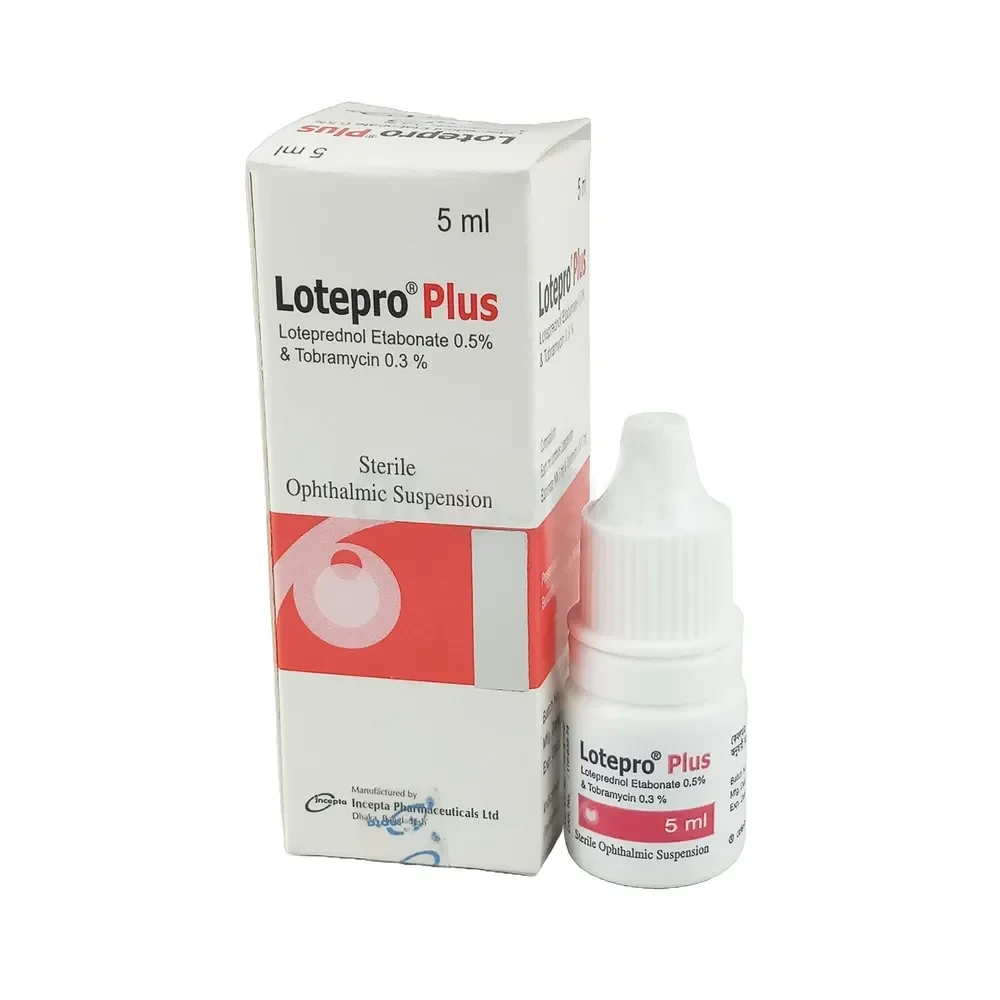
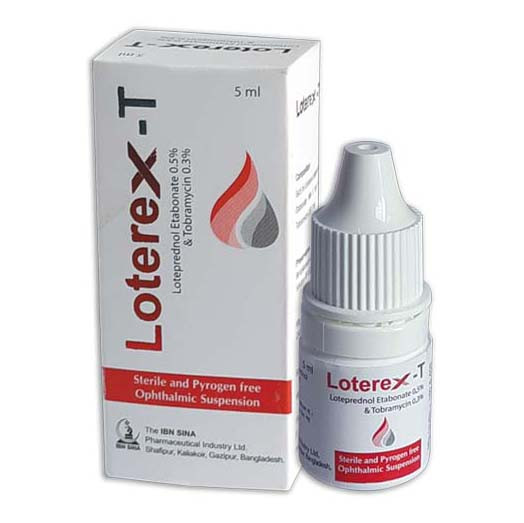
Loteprednol etabonate and tobramycin is a combination ophthalmic medication used for treating inflammatory and infectious conditions of the eye. This combination harnesses the anti-inflammatory properties of Loteprednol etabonate, a corticosteroid, and the antimicrobial activity of tobramycin, an aminoglycoside antibiotic.
Uses
The combination of Loteprednol etabonate and tobramycin is used for:
- Treating inflammation and infection associated with ocular conditions.
- Managing post-surgical inflammation and infection in the eye.
- Addressing conditions such as conjunctivitis or blepharitis where both inflammation and bacterial infection are present.
Mechanism of Action
Loteprednol etabonate works by reducing inflammation through inhibition of inflammatory mediators. It binds to glucocorticoid receptors, leading to decreased production of inflammatory cytokines. Tobramycin, on the other hand, interferes with bacterial protein synthesis by binding to the 30S ribosomal subunit, thereby inhibiting bacterial growth and reproduction.
How Long Does It Take to Work?
The anti-inflammatory effects of Loteprednol etabonate typically start within a few hours, while the antimicrobial action of tobramycin begins within hours as well. Full therapeutic effects may be observed within a few days, with improvement in symptoms often seen within the first 24-48 hours.
Absorption
When applied topically to the eye, the drug combination is minimally absorbed systemically. Loteprednol etabonate is designed to remain primarily in the ocular tissues, and tobramycin targets local bacteria, reducing the risk of systemic absorption and associated side effects.
Route of Elimination
The components of the combination are eliminated from the ocular surface primarily through lacrimal drainage. Loteprednol etabonate undergoes hepatic metabolism and is excreted in the urine, while tobramycin is excreted primarily unchanged via the kidneys.
Dosage
Shake well before use. Apply one drop into the conjunctival sac of the affected eye(s) every four to six hours. During the initial 24 to 48 hours, the dosing may be increased, to every one to two hours.The typical dosage for the combination is:
- Apply 1 to 2 drops in the affected eye(s) every 4 to 6 hours for the duration of the prescribed treatment period, usually 7 to 10 days.
- The exact dosage may vary based on the severity of the condition and the healthcare provider’s instructions.
Administration
Administer the drops as follows:
- Shake the bottle well before use.
- Instill the prescribed number of drops into the affected eye(s) without touching the dropper tip to the eye or any other surface to avoid contamination.
- Close the eye gently and apply gentle pressure to the inner corner of the eye to minimize systemic absorption.
Side Effects
Common side effects include:
- Ocular irritation or discomfort.
- Blurred vision.
- Increased intraocular pressure.
- Development of secondary infections due to prolonged use.
- Potential allergic reactions to either component.
- Worsening of pre-existing eye conditions.
Toxicity
Toxicity is rare with appropriate use. Overuse or improper application can lead to increased intraocular pressure, worsening infections, or systemic effects. Treatment should be adjusted or discontinued in cases of severe adverse reactions.
Precautions
Precautions include:
- Monitoring intraocular pressure regularly to detect any increases.
- Avoiding use in patients with pre-existing infections or conditions that could be exacerbated by corticosteroids.
- Using with caution in patients with a history of hypersensitivity to any components.
Interaction
There are no significant interactions reported specifically for the combination of Loteprednol etabonate and tobramycin when used alone. However, care should be taken when used concurrently with other ophthalmic medications.
Disease Interaction
Use with caution in patients with:
- Ocular infections, as corticosteroids may mask symptoms of an infection.
- Pre-existing glaucoma or cataracts, as corticosteroids can worsen these conditions.
- Kidney impairment, due to the renal excretion of tobramycin.
Drug Interaction
There are no specific drug interactions with the combination of Loteprednol etabonate and tobramycin. However, potential interactions with other topical or systemic medications should be evaluated, particularly those affecting ocular health.
Food Interactions
No food interactions are known with this ophthalmic combination. It can be used without regard to food intake.
Pregnancy Use
The combination is categorized as pregnancy category C. It should be used during pregnancy only if the potential benefits outweigh the risks. Consultation with a healthcare provider is advised before use during pregnancy.
Lactation Use
It is not known if Loteprednol etabonate and tobramycin are excreted in breast milk. Caution is advised when administering the drug to nursing mothers, and alternative treatments should be considered if necessary.
Acute Overdose
Acute overdose is unlikely with topical application. In case of accidental ingestion or significant overdose, symptomatic treatment and consultation with a healthcare provider are recommended.
Contraindication
The combination is contraindicated in:
- Patients with hypersensitivity to Loteprednol etabonate, tobramycin, or any of the components.
- Those with untreated ocular infections or conditions that may be aggravated by corticosteroids.
Use Direction
Use the drops as directed by a healthcare provider. Ensure proper technique to prevent contamination and follow the prescribed schedule. Avoid touching the dropper tip to any surfaces, including the eye.
Storage Conditions
Store the medication at room temperature, away from light and moisture. Keep the bottle tightly closed and out of reach of children. Do not use beyond the expiration date on the label.
Volume of Distribution
The volume of distribution for Loteprednol etabonate and tobramycin is primarily localized to the ocular tissues, with minimal systemic distribution due to their topical application.
Half Life
The half-life of Loteprednol etabonate in ocular tissues is relatively short, usually within a few hours. Tobramycin has a short half-life in the systemic circulation, but its local effects in the eye are more relevant for therapeutic purposes.
Clearance
The clearance of the combination involves both lacrimal drainage and systemic metabolism. Loteprednol etabonate is cleared via hepatic metabolism and urinary excretion, while tobramycin is excreted primarily unchanged in the urine.