Introduction
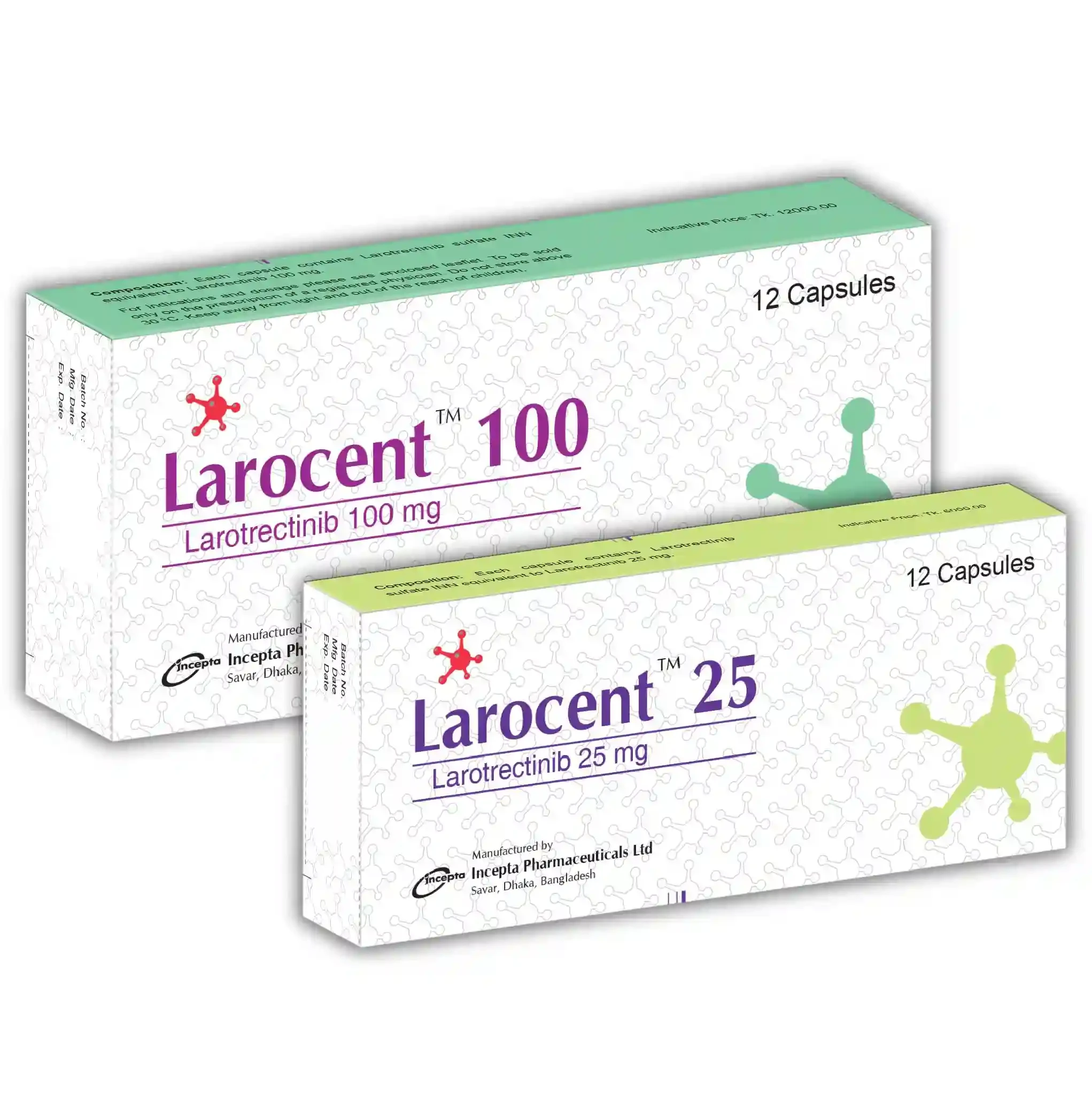
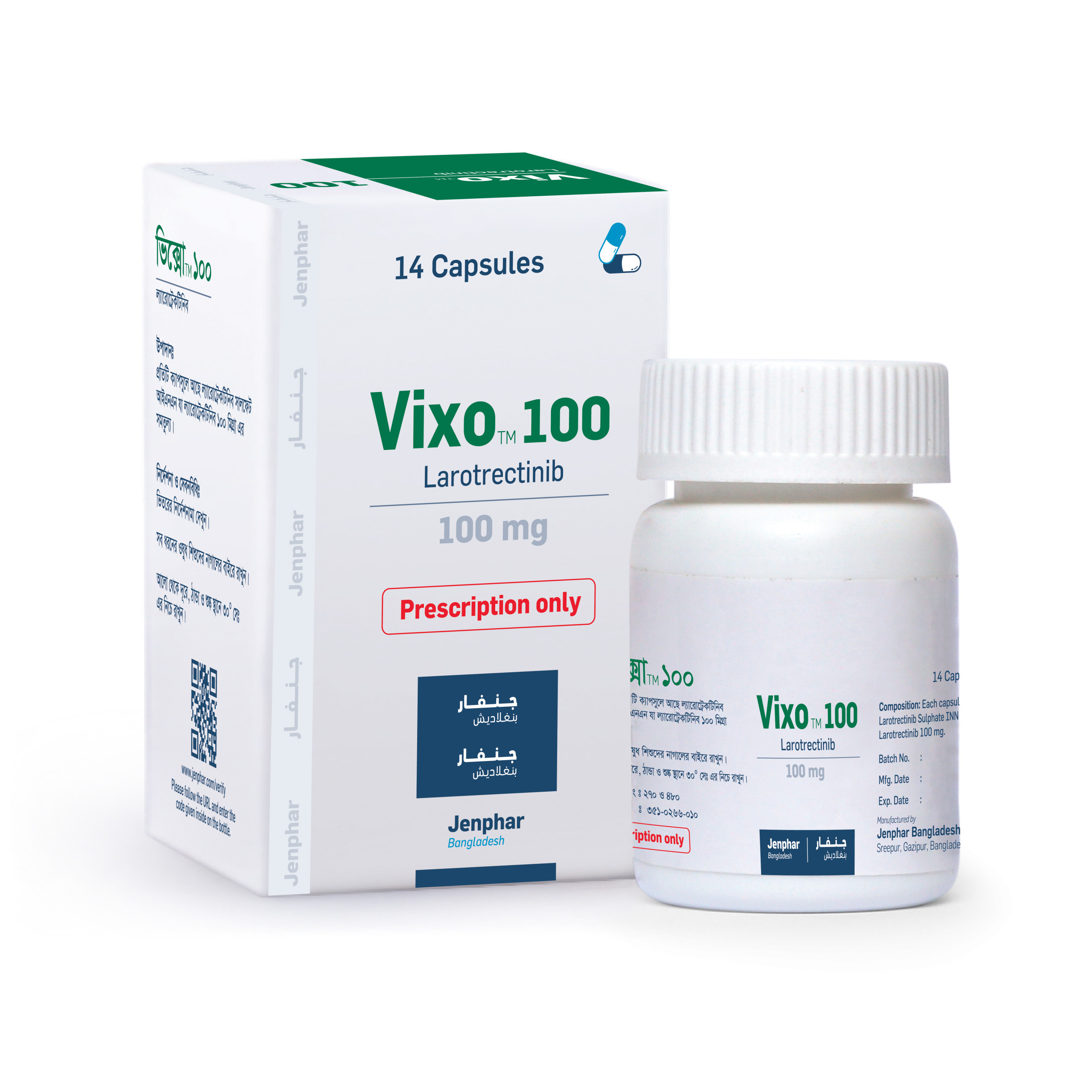
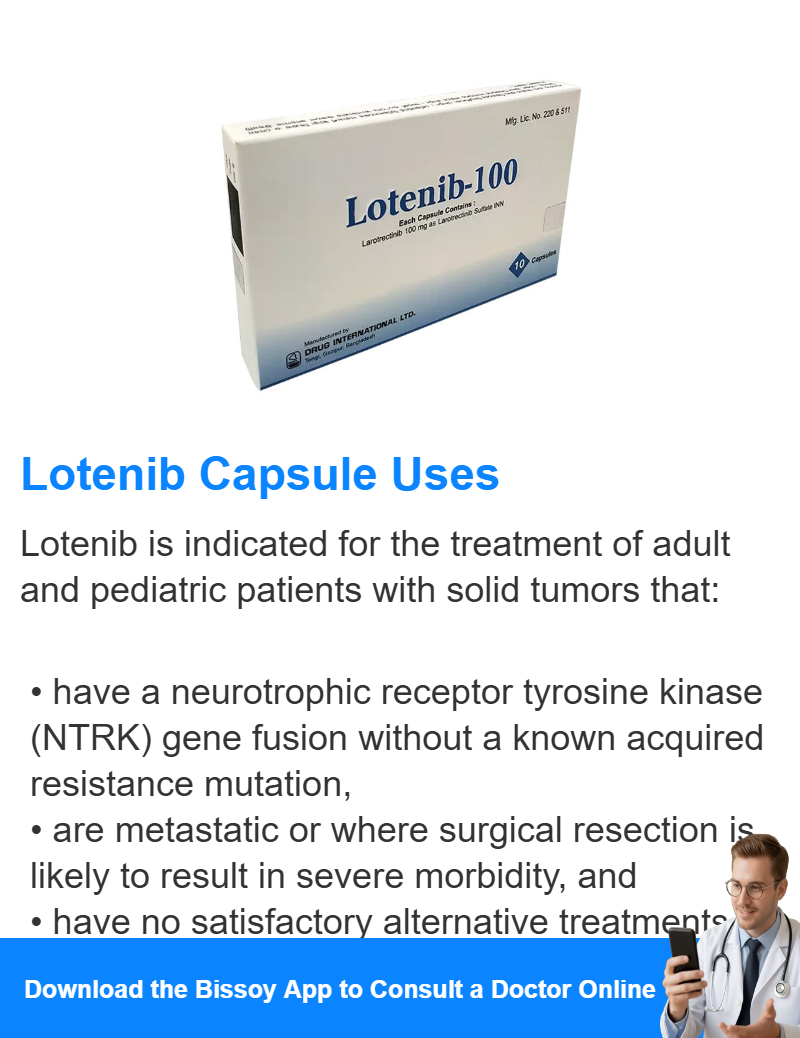
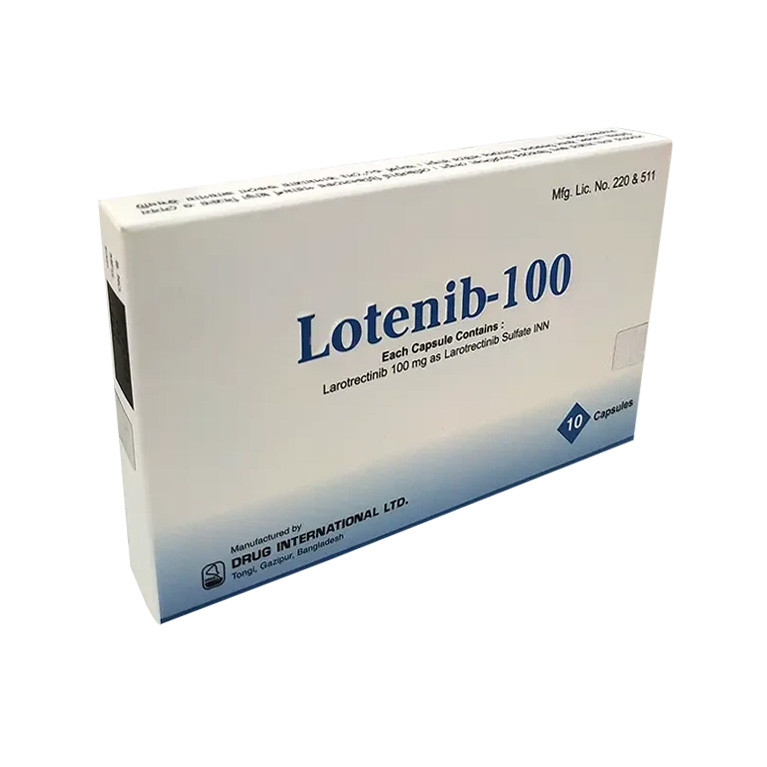
Lotenib Capsule 100 mg is an oral medication used in the treatment of cancers that harbor a neurotrophic tyrosine receptor kinase (NTRK) gene fusion. It is classified as a tyrosine kinase inhibitor and specifically targets NTRK fusion proteins, which are involved in various types of cancer. Lotenib Capsule 100 mg is used to treat adult and pediatric patients with solid tumors that have NTRK gene fusions and who have not responded to other treatments.
Uses
Lotenib Capsule 100 mg is approved for the treatment of:
- Adult and pediatric patients with solid tumors that are positive for NTRK gene fusions.
- Specific indications include cancers such as sarcoma, thyroid cancer, and infantile fibrosarcoma that harbor NTRK gene fusions.
| Brand Name | Lotenib |
|---|---|
| Type | Capsule |
| Weight | 100 mg |
| Generic | Larotrectinib |
| Manufacturer | Drug International Ltd. |
| Available in | English বাংলা |
Mechanism of Action
Lotenib Capsule 100 mg works by inhibiting the activity of TRK (tropomyosin receptor kinase) proteins, which are formed by the fusion of NTRK genes with other genes. These fusion proteins drive cancer cell growth and survival. By specifically targeting and inhibiting TRK activity, Lotenib Capsule 100 mg disrupts signaling pathways that promote tumor growth and helps to reduce or shrink tumors.
How Long Does It Take to Work?
The onset of action for Lotenib Capsule 100 mg can vary between patients. Some individuals may experience a reduction in tumor size or improvement in symptoms within a few weeks of starting treatment, while others may take several months. Regular imaging and clinical assessments are used to monitor response to therapy.
Absorption
Lotenib Capsule 100 mg is well-absorbed following oral administration. It reaches peak plasma concentrations within 1 to 2 hours after ingestion. The absorption of Lotenib Capsule 100 mg is not significantly affected by food intake, allowing for flexible administration regarding meals.
Route of Elimination
Lotenib Capsule 100 mg is primarily metabolized in the liver, with the major metabolic pathway involving the cytochrome P450 enzyme system. The drug and its metabolites are then excreted mainly via the feces, with a smaller amount eliminated through urine.
Dosage
Recommended Dosage in Adult and Pediatric Patients with Body Surface Area of at Least 1 m2: The recommended dosage of Larotrectinib is 100 mg orally twice daily, with or without food, until disease progression or until unacceptable toxicity.Recommended Dosage in Pediatric Patients with Body Surface Area Less Than 1 m2: The recommended dosage of Larotrectinib is 100 mg/m2 orally twice daily, with or without food, until disease progression or until unacceptable toxicity. Whole capsules should be swallowed with water and the capsules should not be chewed or crushed. A missed dose should not be made up within 6 hours of the next scheduled dose. If vomiting occurs after taking a dose of Larotrectinib, the next dose should be taken at the scheduled time. Or, as directed by the registered physicians.
The recommended dose of Lotenib Capsule 100 mg is 100 mg taken orally twice daily. The dose may be adjusted based on individual patient factors, including tolerability and response to treatment. It is important to follow the prescribed dosage and consult with a healthcare provider for any necessary adjustments.
Administration
Lotenib Capsule 100 mg is administered orally, usually in the form of tablets. The tablets should be swallowed whole with water and can be taken with or without food. Consistent daily dosing is crucial to maintaining therapeutic drug levels and effectiveness.
Side Effects
Common side effects of Lotenib Capsule 100 mg include:
- Fatigue.
- Nausea.
- Dizziness.
- Diarrhea.
- Elevated liver enzymes.
- Hepatotoxicity (liver damage).
- Increased risk of infections.
- QTc prolongation (an abnormal heart rhythm).
Toxicity
Toxicity associated with Lotenib Capsule 100 mg includes liver toxicity, which may manifest as elevated liver enzymes or jaundice. Close monitoring of liver function is required, and dose adjustments or discontinuation may be necessary if significant liver abnormalities occur.
Precautions
Precautions include:
- Monitoring liver function tests regularly.
- Assessing cardiac health due to the risk of QTc prolongation.
- Careful management of any pre-existing liver conditions or other comorbidities.
Interaction
Lotenib Capsule 100 mg may interact with other medications, particularly those that affect liver enzymes (e.g., CYP3A4 inhibitors or inducers). It is essential to inform healthcare providers of all medications being taken to avoid potential drug interactions and manage them appropriately.
Disease Interaction
Lotenib Capsule 100 mg should be used with caution in patients with pre-existing liver disease or those with a history of cardiac issues due to potential impacts on liver function and QTc interval.
Drug Interaction
Interactions may occur with medications that impact CYP3A4 enzyme activity. It is important to review all concurrent medications with a healthcare provider to avoid adverse interactions and adjust treatment as needed.
Food Interactions
Lotenib Capsule 100 mg can be taken with or without food. There are no specific dietary restrictions or interactions that affect the absorption or efficacy of the medication.
Pregnancy Use
The safety of Lotenib Capsule 100 mg during pregnancy has not been established. It is generally recommended to avoid use during pregnancy unless the potential benefits outweigh the risks. Pregnant women should consult with their healthcare provider regarding alternative treatment options.
Lactation Use
It is not known whether Lotenib Capsule 100 mg is excreted in breast milk. Due to potential risks to the nursing infant, breastfeeding while on Lotenib Capsule 100 mg is generally not recommended. Women should discuss with their healthcare provider whether to discontinue breastfeeding or adjust the treatment plan.
Acute Overdose
Acute overdose of Lotenib Capsule 100 mg may lead to an increased risk of side effects such as severe liver toxicity, nausea, and fatigue. Immediate medical attention is required for managing overdose symptoms and implementing appropriate supportive care.
Contraindication
Lotenib Capsule 100 mg is contraindicated in patients with known hypersensitivity to the drug or any of its components. It should be used with caution in patients with severe liver impairment or certain other conditions as determined by a healthcare provider.
Use Direction
Lotenib Capsule 100 mg should be used according to the prescribed dosage and administration schedule provided by the healthcare provider. Regular monitoring and follow-up are important to assess treatment response and manage any potential side effects.
Storage Conditions
Lotenib Capsule 100 mg tablets should be stored at room temperature, away from moisture and heat. Keep the medication in its original container and out of reach of children. The expiration date should be checked, and expired medications should be properly disposed of.
Volume of Distribution
The volume of distribution for Lotenib Capsule 100 mg is not typically specified in the clinical literature, as it is primarily a consideration in pharmacokinetic studies.
Half Life
The half-life of Lotenib Capsule 100 mg is approximately 5 to 10 hours. This duration influences the dosing schedule and frequency of administration.
Clearance
Lotenib Capsule 100 mg is cleared from the body primarily through hepatic metabolism, with its metabolites excreted via the feces and urine. The rate of clearance can be affected by liver function and other individual patient factors.
See in details version Lotenib Capsule 100 mg also Lotenib Capsule 100 mg in bangla
Social card
Some Frequently Asked Questions About Lotenib Capsule 100 mg

Dr. Tajkia Haque
Rheumatology (Pain, Arthritis, Rheumatoid Arthritis, Gout, Lupus) Specialist