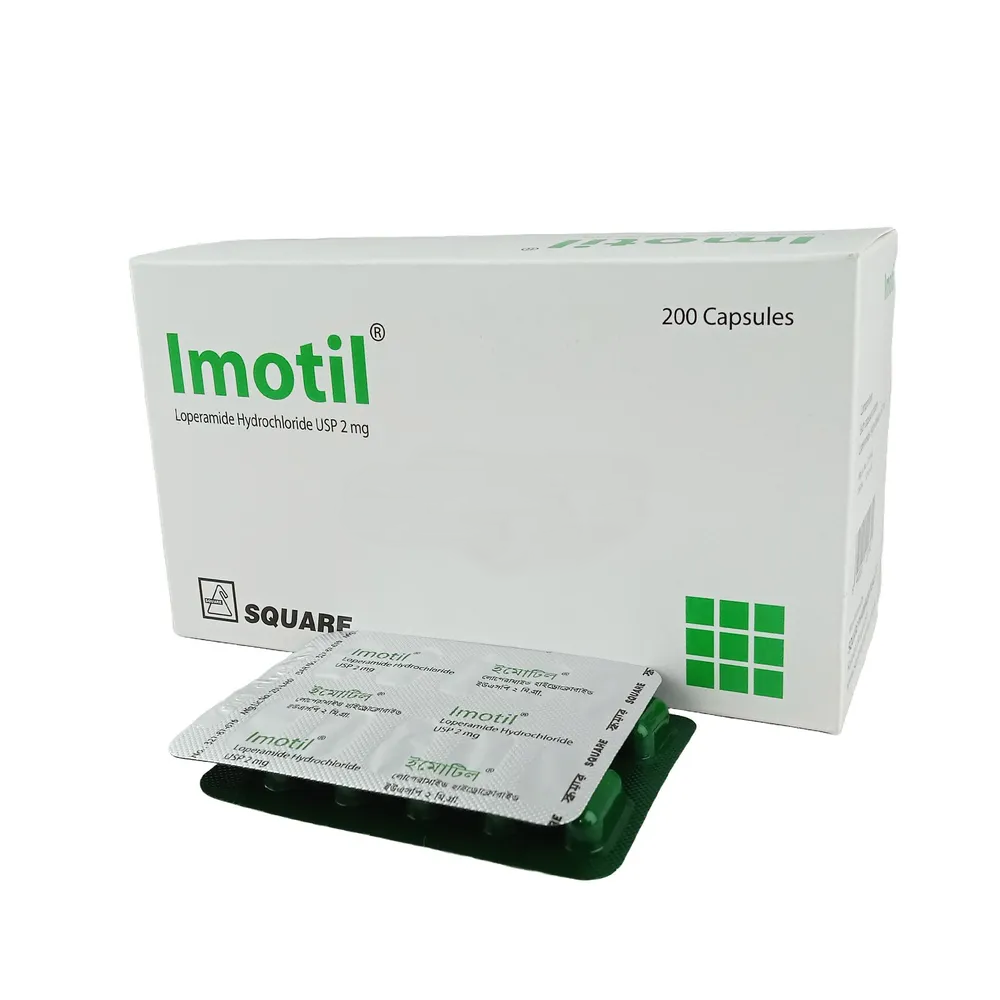
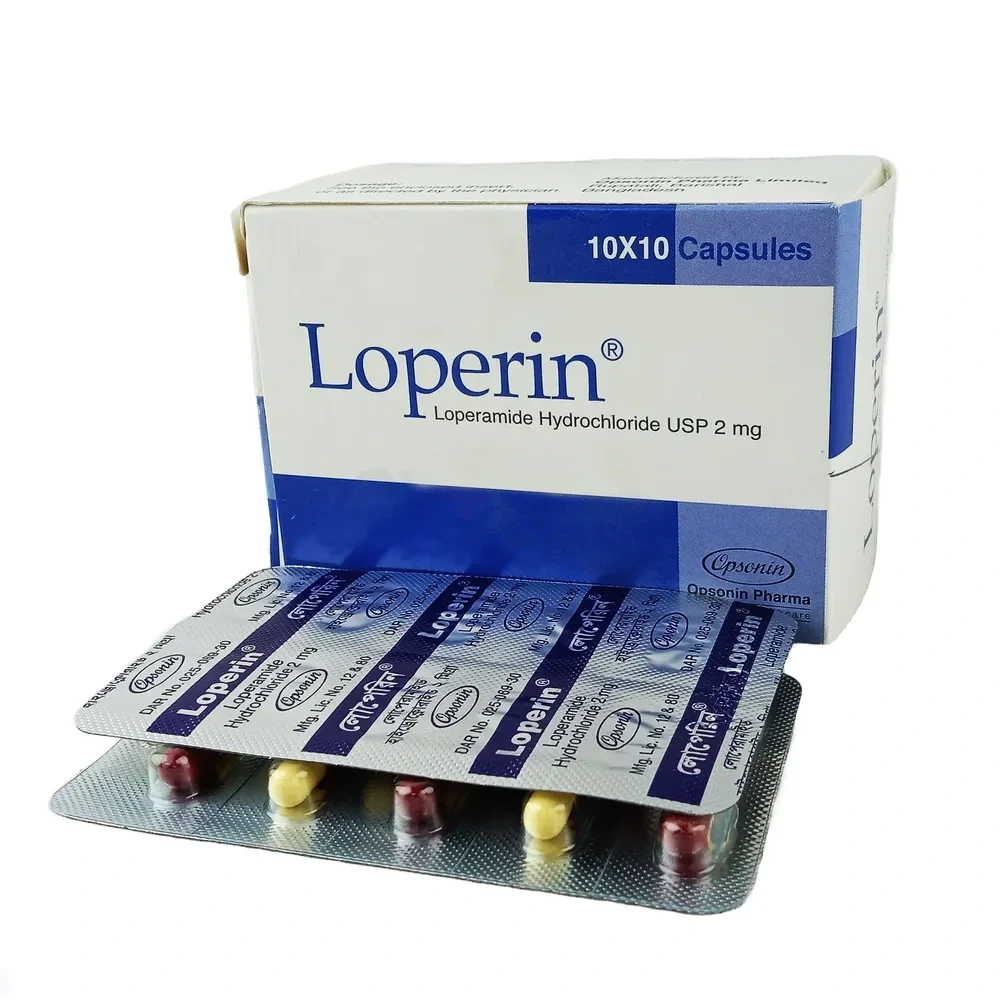
Introduction
One of the long-acting synthetic antidiarrheals; it is not significantly absorbed from the gut, and has no effect on the adrenergic system or central nervous system, but may antagonize histamine and interfere with acetylcholine release locally.
Uses
Loperamide is a long acting antidiarrheal used to control nonspecific diarrhea and chronic diarrhea caused by inflammatory bowel disease, or gastroenteritis.
For the control and symptomatic relief of acute nonspecific diarrhea and of chronic diarrhea associated with inflammatory bowel disease or gastroenteritis. Also used for reducing the volume of discharge from ileostomies.
Associated Conditions
Pharmacodynamics
Loperamide is a synthetic anti-diarrheal indicated for the control and symptomatic relief of acute nonspecific diarrhea and of chronic diarrhea associated with inflammatory bowel disease. Loperamide is also indicated for reducing the volume of discharge from ileostomies. In man, Loperamide prolongs the transit time of the intestinal contents. It reduces the daily fecal volume, increases the viscosity and bulk density, and diminishes the loss of fluid and electrolytes. Tolerance to the antidiarrheal effect has not been observed. Loperamide is an opioid receptor agonist and acts on the mu opioid receptors in the myenteric plexus large intestines; it does not affect the central nervous system like other opioids. It works specifically by decreasing the activity of the myenteric plexus which decreases the motility of the circular and longitudinal smooth muscles of the intestinal wall. This increases the amount of time substances stay in the intestine, allowing for more water to be absorbed out of the fecal matter. Loperamide also decreases colonic mass movements and suppresses the gastrocolic reflex.
Mechanism of Action
In vitro and animal studies show that Loperamide acts by slowing intestinal motility and by affecting water and electrolyte movement through the bowel. Loperamide inhibits peristaltic activity by a direct effect on the circular and longitudinal muscles of the intestinal wall. It is a non-selective calcium channel blocker and binds to opioid mu-receptors. Evidence also suggests that at higher concentrations it binds to calmodulin.
Absorption
Not significantly absorbed from the gut
Protein Binding
97%
Route of Elimination
Excretion of the unchanged loperamide and its metabolites mainly occurs through the feces.
Half Life
9.1 to 14.4 hours (average 10.8 hours)
Toxicity
Oral, mouse: LD50 = 105 mg/kg. Symptoms of overdose include constipation, drowsiness, lethargy, and nausea.
Food Interactions
- Drink plenty of fluids.
- Take with or without food.
Dosage
- Adults: 2 capsules initially followed by 1 capsule after every loose stool.
- Usual dosage: 3-4 capsules/day. The maximum daily dose should not exceed 8 capsules.
- Children (9-12 years): 1 capsule after each loose stool until diarrhea is controlled. But not more than 6 capsules daily.
- Children (5-9 years): 1 capsule 4 times daily until diarrhea is controlled. But not more than 4 capsules daily.
- Adults: 2-4 capsules daily in divided doses, depending on severity.
- Children: 1-2 capsules daily, depending on severity. Or directed by physician.