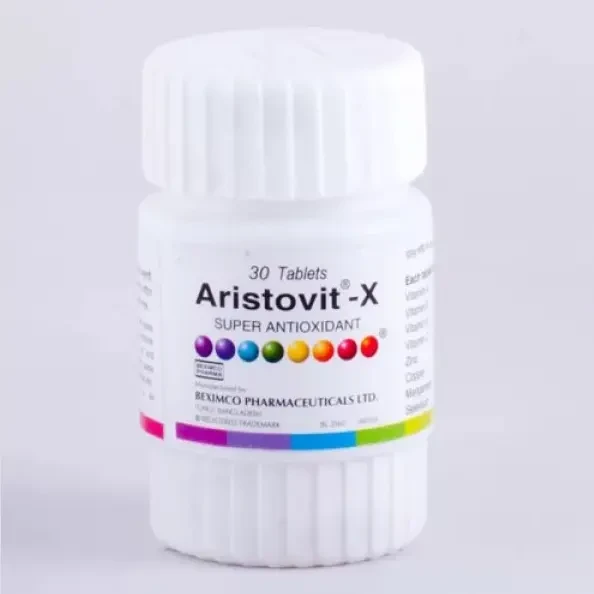
Introduction
Super Antioxidant supplements typically include a combination of vitamins and minerals known for their antioxidant properties. These supplements are designed to combat oxidative stress, which is caused by free radicals that can damage cells and contribute to various health conditions. The combination often includes vitamins such as C, E, and A, as well as minerals like selenium and zinc.
Uses
Super antioxidant supplements are used to:
- Support Immune Function: Antioxidants help strengthen the immune system by neutralizing free radicals that can impair immune response.
- Improve Skin Health: Vitamins and minerals in these supplements can contribute to healthier skin and help reduce signs of aging.
- Protect Against Chronic Diseases: Antioxidants may help reduce the risk of chronic diseases such as heart disease, cancer, and neurodegenerative conditions.
- Enhance Overall Wellness: They are often taken to improve general health and vitality.
Mechanism of Action
Antioxidants work by neutralizing free radicals in the body. Free radicals are unstable molecules that can cause cellular damage and contribute to aging and disease. Antioxidants donate electrons to free radicals, stabilizing them and preventing further damage to cells and tissues.
How Long Does It Take to Work?
The time it takes for antioxidant supplements to show effects can vary. Some people may notice improvements in overall well-being and skin health within a few weeks of consistent use. Long-term benefits, such as reduced risk of chronic diseases, may take several months to become apparent.
Absorption
The absorption of vitamins and minerals depends on their form and the presence of other nutrients. For example, fat-soluble vitamins (A, D, E, and K) are better absorbed with dietary fats, while water-soluble vitamins (C and B vitamins) are absorbed more readily in the presence of fluids.
Route of Elimination
Antioxidant vitamins and minerals are primarily eliminated through urine and feces. Fat-soluble vitamins may also be stored in the liver and adipose tissue for longer periods. Excess intake of water-soluble vitamins is typically excreted through urine.
Dosage
Dosage can vary based on the specific formulation and the individual's needs. General recommended dosages are:
- Vitamin C: 500 mg to 1000 mg daily.
- Vitamin E: 400 IU daily.
- Vitamin A: 5000 IU daily (note: avoid excessive intake due to toxicity risk).
- Selenium: 55 mcg to 200 mcg daily.
- Zinc: 8 mg to 11 mg daily.
Dosage should be adjusted based on individual health needs and medical advice.
Administration
Super antioxidant supplements are usually taken orally in the form of tablets, capsules, or powders. They should be taken with food to improve absorption, particularly for fat-soluble vitamins.
Side Effects
Side effects are generally rare but may include:
- Gastrointestinal issues such as nausea or diarrhea.
- Headaches or dizziness, particularly with high doses.
- Potential for interactions with other medications or supplements.
Toxicity
Excessive intake of certain antioxidants can lead to toxicity. For example:
- Vitamin A: High doses can cause liver damage, nausea, and birth defects.
- Vitamin E: Excessive use may increase bleeding risk.
- Selenium: Overconsumption can lead to symptoms like garlic breath, hair loss, and nausea.
Precautions
Precautions include:
- Following recommended dosages to avoid toxicity.
- Consulting with a healthcare provider before starting supplements, especially if pregnant, breastfeeding, or taking medications.
- Monitoring for any adverse effects or interactions with other supplements or medications.
Interaction
Antioxidant supplements may interact with various medications and supplements. For example:
- Vitamin C: May affect the absorption of certain drugs, such as iron supplements.
- Vitamin E: Can interact with anticoagulants, increasing bleeding risk.
- Zinc: High doses may interfere with the absorption of other minerals like copper.
Disease Interaction
Individuals with specific health conditions should use caution. For example:
- Those with kidney disease may need to avoid high doses of certain vitamins and minerals.
- People with certain cancers or undergoing cancer treatments should consult their healthcare provider before use.
Drug Interaction
Antioxidant supplements can interact with several types of medications, including:
- Anticoagulants: Vitamin E may increase bleeding risk.
- Chemotherapy drugs: Some antioxidants may interfere with the effectiveness of chemotherapy.
- Diuretics: Can affect the levels of certain minerals in the body.
Food Interactions
Food does not significantly impact the absorption of most antioxidant supplements. However, taking fat-soluble vitamins (like vitamins A, D, E, and K) with a meal that contains fat can enhance absorption.
Pregnancy Use
During pregnancy, antioxidant supplements should be used with caution. It is important to follow medical advice to avoid excessive intake, which can be harmful. Prenatal vitamins often contain a balanced amount of antioxidants appropriate for pregnancy.
Lactation Use
Antioxidant supplements are generally considered safe during lactation if used in recommended amounts. However, it is best to consult with a healthcare provider to ensure they are appropriate for individual needs and to avoid excessive intake.
Acute Overdose
In case of an acute overdose, seek medical attention immediately. Symptoms of overdose can vary depending on the specific vitamin or mineral but may include gastrointestinal distress, dizziness, or other severe reactions. Treatment focuses on managing symptoms and may involve supportive care.
Contraindication
Super antioxidant supplements are generally contraindicated for individuals with known hypersensitivity to any of the components. Specific contraindications may apply based on individual health conditions and should be discussed with a healthcare provider.
Use Direction
Follow the recommended dosage and administration instructions provided on the supplement label or by your healthcare provider. Take the supplement as directed, usually with food, and do not exceed the recommended dose.
Storage Conditions
Store antioxidant supplements in a cool, dry place, away from direct sunlight and moisture. Keep the supplements in their original container and out of reach of children. Follow specific storage instructions provided on the label.
Volume of Distribution
The volume of distribution for vitamins and minerals varies. For fat-soluble vitamins, distribution can be extensive due to storage in tissues. Water-soluble vitamins generally have a smaller volume of distribution and are more readily excreted.
Half Life
The half-life of antioxidants varies by substance:
- Vitamin C: Approximately 30 minutes to 2 hours, depending on the dose and body status.
- Vitamin E: Approximately 13 hours, but this can vary.
- Selenium: Approximately 1 to 2 days.
Clearance
Clearance of vitamins and minerals is largely dependent on their type and the body's metabolic processes. Water-soluble vitamins are excreted more rapidly via urine, while fat-soluble vitamins may be stored in body tissues and have a slower clearance rate.