Introduction
Pitavastatin calcium is a medication belonging to the class of drugs known as statins. It is used to manage elevated levels of cholesterol and triglycerides in the blood, thereby reducing the risk of cardiovascular events such as heart attack and stroke.
Uses
Pitavastatin is primarily used for:
- Lowering low-density lipoprotein (LDL) cholesterol and total cholesterol levels in the blood.
- Reducing triglyceride levels and increasing high-density lipoprotein (HDL) cholesterol.
- Managing hyperlipidemia and mixed dyslipidemia.
- Reducing the risk of cardiovascular events, such as myocardial infarction and stroke, in patients with existing heart disease or those at high risk for cardiovascular events.
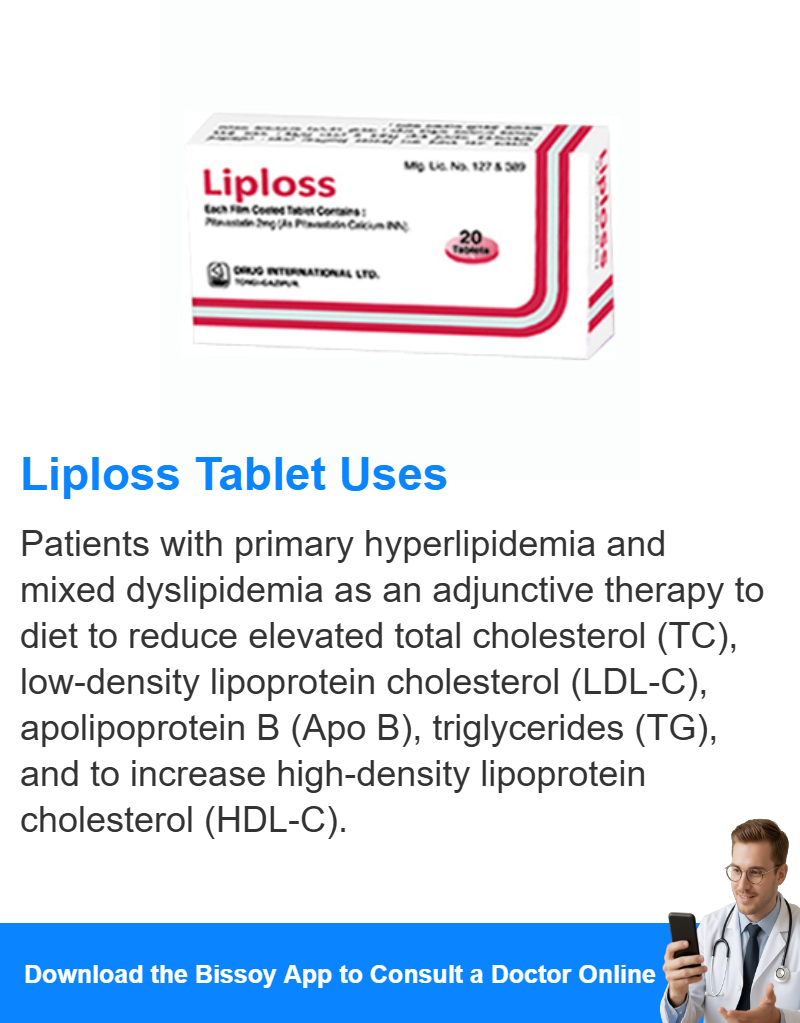
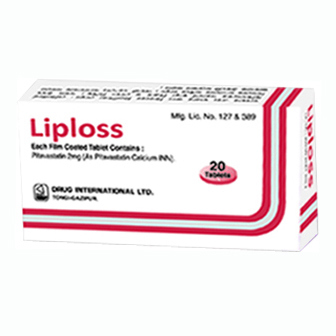
| Brand Name | Liploss |
|---|---|
| Type | Tablet |
| Weight | 2 mg |
| Generic | Pitavastatin Calcium |
| Manufacturer | Drug International Ltd. |
| Available in | English বাংলা |
Mechanism of Action
Pitavastatin works by inhibiting HMG-CoA reductase, an enzyme involved in the synthesis of cholesterol in the liver. By blocking this enzyme, pitavastatin reduces the production of cholesterol, leading to a decrease in LDL cholesterol levels in the blood. This reduction helps to prevent the buildup of cholesterol in the arteries.
How Long Does It Take to Work?
Pitavastatin begins to work shortly after administration, but it typically takes about 2-4 weeks to observe significant changes in cholesterol levels. Maximum effects are usually seen within 4-6 weeks of consistent use.
Absorption
Pitavastatin is well absorbed after oral administration, with peak plasma concentrations occurring approximately 1-2 hours post-dose. Its absorption is not significantly affected by food intake.
Route of Elimination
Pitavastatin is metabolized primarily in the liver through the cytochrome P450 enzyme system, particularly CYP2C9. It is excreted in the bile and, to a lesser extent, in the urine. The drug is largely eliminated as metabolites, with a small portion being excreted unchanged.
Dosage
The dose range for Pitavastatin is 1 to 4 mg orally once daily at any time of the day with or without food. The recommended starting dose is 2 mg and the maximum dose is 4 mg. After initiation or upon titration of Pitavastatin, lipid levels should be analyzed after 4 weeks and the dosage adjusted accordingly.Dosage in Patients with Renal Impairment: Patients with moderate renal impairment and end–stage renal disease receiving hemodialysis should receive a starting dose of Pitavastatin 1 mg once daily and a maximum dose of Pitavastatin 2 mg once daily. Pitavastatin should not be used in patients with severe renal impairment.
The typical dosage of pitavastatin is:
- For adults: 1-4 mg once daily, depending on the severity of the condition and individual patient needs.
- The dosage may be adjusted based on patient response and tolerance, with a maximum recommended dose of 4 mg per day.
Administration
Pitavastatin is administered orally in the form of tablets. It can be taken with or without food. It is important to follow the prescribed dosage and schedule, and to take the medication at the same time each day for optimal effectiveness.
Side Effects
Common side effects include:
- Muscle pain or weakness.
- Headache.
- Digestive issues such as nausea or constipation.
- Myopathy or rhabdomyolysis, which can cause severe muscle damage.
- Hepatic dysfunction, as indicated by elevated liver enzymes.
Toxicity
Overdose of pitavastatin can lead to severe muscle damage, liver injury, and other serious health issues. Symptoms of toxicity may include intense muscle pain, weakness, or swelling. In case of overdose, seek medical attention immediately.
Precautions
Precautions include:
- Monitoring liver function tests regularly during treatment.
- Assessing for muscle symptoms and discontinuing therapy if muscle pain or weakness occurs.
- Using with caution in patients with a history of liver disease or those consuming excessive amounts of alcohol.
Interaction
Pitavastatin may interact with other medications, including:
- CYP2C9 inhibitors, which can increase pitavastatin levels and the risk of side effects.
- Drugs that affect liver enzymes or alter cholesterol metabolism.
Disease Interaction
Use with caution in patients with:
- Active liver disease or a history of liver dysfunction.
- Renal impairment, as dose adjustments may be necessary.
Drug Interaction
Potential drug interactions include:
- Drugs that inhibit CYP2C9, such as warfarin, which may increase pitavastatin levels and the risk of adverse effects.
- Other medications that may affect lipid levels or liver function.
Food Interactions
Pitavastatin can be taken with or without food, and food intake does not significantly affect its absorption or efficacy. However, maintaining a consistent diet and monitoring cholesterol levels is recommended.
Pregnancy Use
Pitavastatin is classified as Category X for pregnancy. It is contraindicated during pregnancy due to the potential risk of harm to the fetus. Women of childbearing age should use effective contraception while on pitavastatin.
Lactation Use
It is unknown whether pitavastatin is excreted in breast milk. Due to potential risks to a nursing infant, the use of pitavastatin during lactation should be avoided or carefully considered with medical advice.
Acute Overdose
In cases of acute overdose, the primary concerns are severe muscle damage and liver dysfunction. Management includes supportive care and monitoring for symptoms of rhabdomyolysis or liver injury.
Contraindication
Pitavastatin is contraindicated in patients with:
- Active liver disease or unexplained persistent elevations of liver transaminases.
- Pregnancy and breastfeeding.
- Known hypersensitivity to pitavastatin or any component of the formulation.
Use Direction
Take pitavastatin exactly as prescribed by your healthcare provider. Follow the prescribed dosage and schedule, and have regular follow-up appointments to monitor cholesterol levels and liver function.
Storage Conditions
Store pitavastatin tablets at room temperature, away from moisture and heat. Keep the medication out of reach of children and dispose of any unused tablets properly.
Volume of Distribution
The volume of distribution of pitavastatin is approximately 0.1 L/kg, indicating its distribution mainly in the blood and tissues involved in cholesterol metabolism.
Half Life
The half-life of pitavastatin is approximately 12 hours, which supports its once-daily dosing regimen.
Clearance
Pitavastatin is primarily cleared by the liver and to a lesser extent by the kidneys. Its clearance rate can be influenced by liver function and the presence of other medications affecting hepatic metabolism.
See in details version Liploss Tablet 2 mg also Liploss Tablet 2 mg in bangla
Social card