Introduction
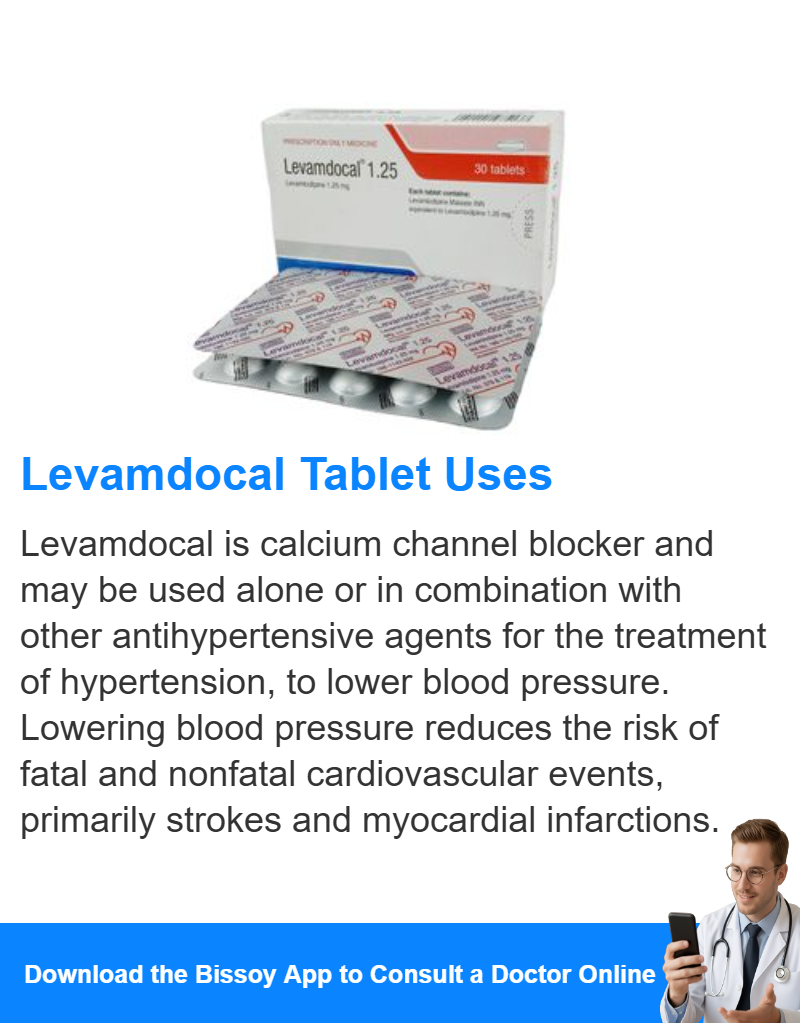
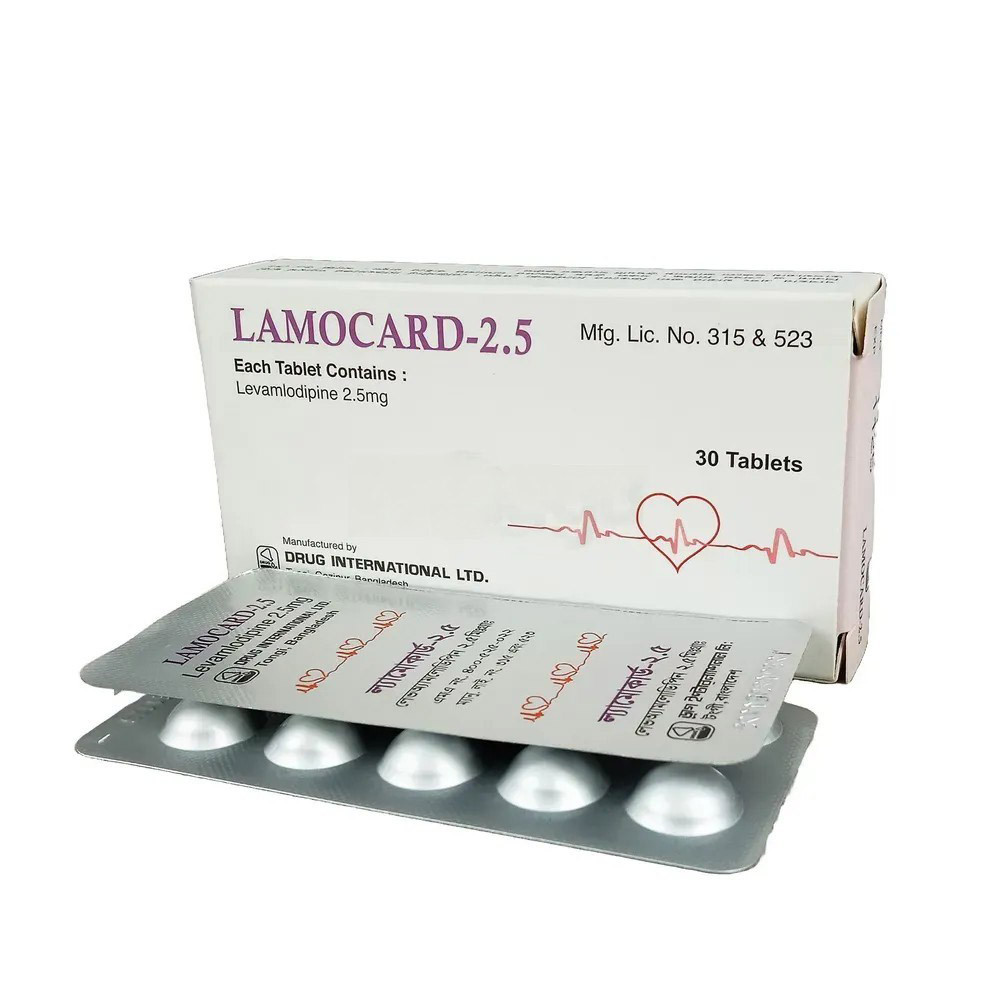
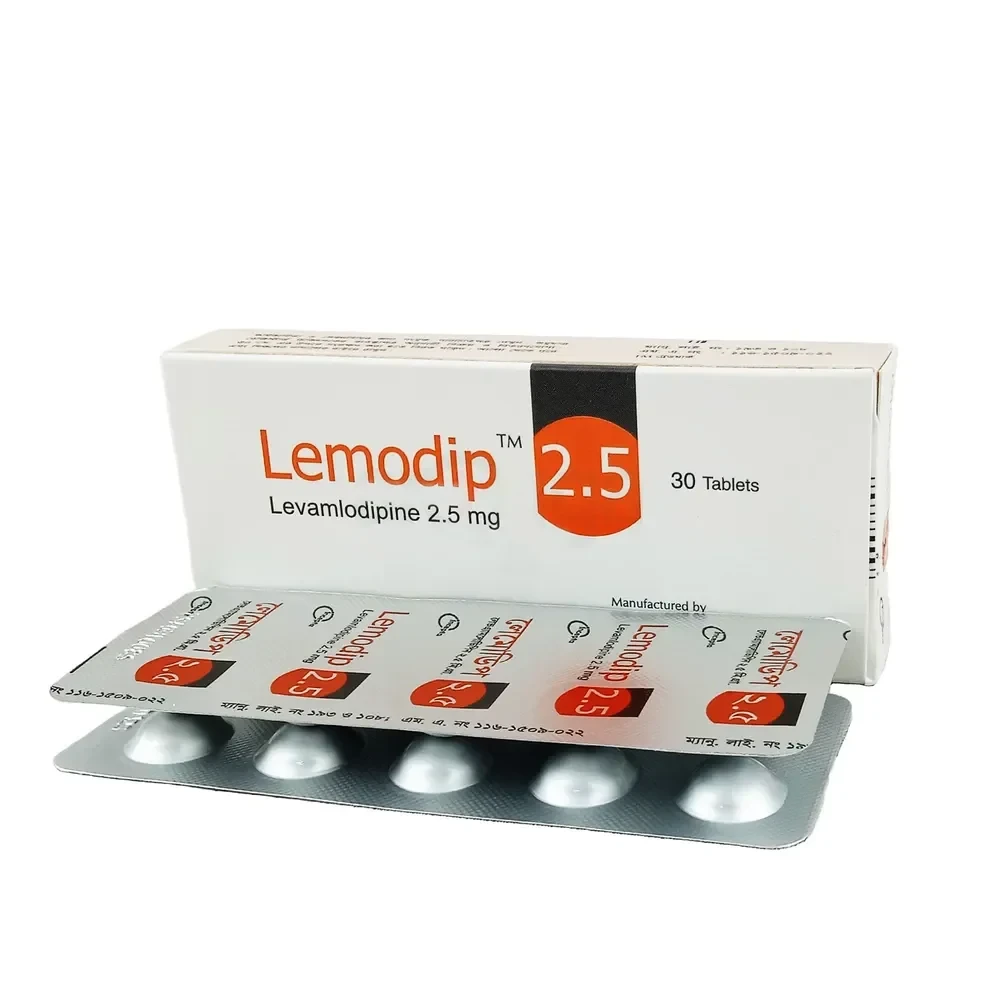
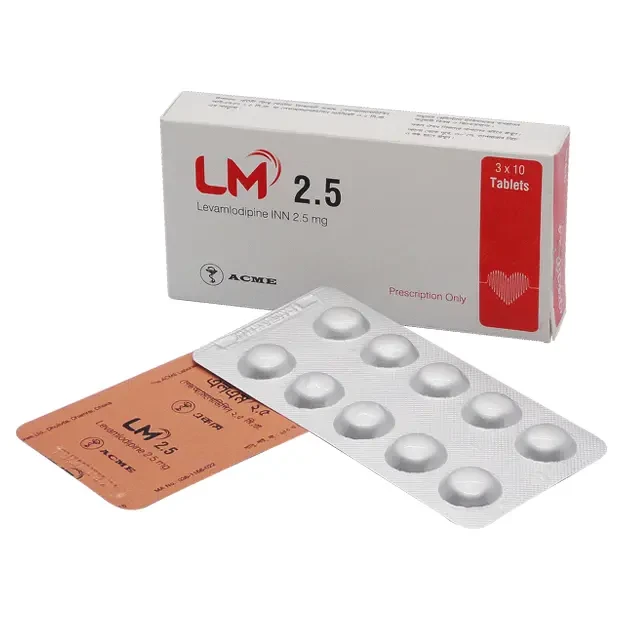
Levamlodipine, also known as S-amlodipine, is a pharmacologically active enantiomer of amlodipine, an antihypertensive medication. Levamlodipine belongs to the dihydropyridine group of calcium channel blockers. The names S-amlodipine and levamlodipine may be used interchangeably as both substances are the same, however. As a racemic mixture, amlodipine contains (R) and (S)-amlodipine isomers, but only (S)-amlodipine as the active moiety possesses therapeutic activity.
Uses
Levamlodipine is a calcium channel blocker used to treat hypertension.
Levamlodipine is indicated alone or in combination to treat hypertension in adults and children.
Associated Conditions
Pharmacodynamics
Levamlodipine inhibits L-type calcium channels in vascular smooth muscle, reducing peripheral vascular resistance and blood pressure. It is given once daily in doses of 1.25-2.5mg in children and 2.5-5mg in adults. Patients should be counselled regarding the risk of symptomatic hypotension, worsening angina, and myocardial infarction.
Mechanism of Action
Levamlodipine blocks the transmembrane influx of calcium through L-type calcium channels into the vascular and cardiac smooth muscles resulting in vasodilation and a subsequent decrease in blood pressure. Levamlodipine inhibits calcium influx in vascular smooth muscle to a greater degree than in cardiac muscle, leading to decreased peripheral vascular resistance and lowered blood pressure. In vitro studies have shown a negative inotropic effect but this is unlikely to be clinically relevant.
Absorption
Oral levamlodipine has a Tmax of 6-12h and a bioavailability of 64-90%. Absorption of levamlodipine is not significantly affected by food.
20mg or oral s-amlodipine besylate reaches a Cmax of 6.13±1.29ng/mL with a Tmax of 8.4±3.6h and an AUC of 351±72h*ng/mL. 20mg or oral s-amlodipine maleate reaches a Cmax of 5.07±1.09ng/mL with a Tmax of 10.7±3.4h and an AUC of 330±88h*ng/mL.
Volume of Distribution
The volume of distribution of levamlodipine is similar to amlodipine. The volume of distribution of amlodipine is 21L/kg.
Protein Binding
Levamlodipine is 93% protein bound in plasma, largely to human serum albumin.
Route of Elimination
Levamlodipine is 60% eliminated in urine with 10% eliminated as the unmetabolized drug.
Half Life
Levamlodipine has a half life of 30-50h.
Clearance
The oral clearance of S-amlodipine besylate is 6.9±1.6mL/min/kg and the oral clearance of S-amlodipine maleate is 7.3±2.1mL/min/kg.
Toxicity
Patients experiencing an overdose may present with hypotension and reflex tachycardia. Treat overdose with cardiac and respiratory monitoring, frequent blood pressure measurement, elevation of extremities to treat hypotension, and possible administration of vasopressors. Hemodialysis is not expected to be useful as levamlodipine is highly protein bound.
Food Interactions
- Take with or without food. Co-administration with food does not affect bioavailability.
Dosage
Dosage: The usual initial antihypertensive oral dose of Levamlodipine is 2.5 mg once daily, and the maximum dose is 5 mg once daily.
Adult and elderly patients: Elderly patients, or patients with hepatic insufficiency may be started on 1.25 mg once daily and this dose may be used when adding Levamlodipine to other antihypertensive therapy. Dosage needs to be adjusted according to blood pressure goals. 7 to 14 days waiting period between titration steps is needed. Titration needs to be done more rapidly, however, if clinically warranted, provided the patient is assessed frequently.
Use in children and adolescents: The effective antihypertensive oral dose in pediatric patients ages 6-17 years is 1.25 mg to 2.5 mg once daily. Doses in excess of 2.5 mg daily have not been studied in pediatric patients.