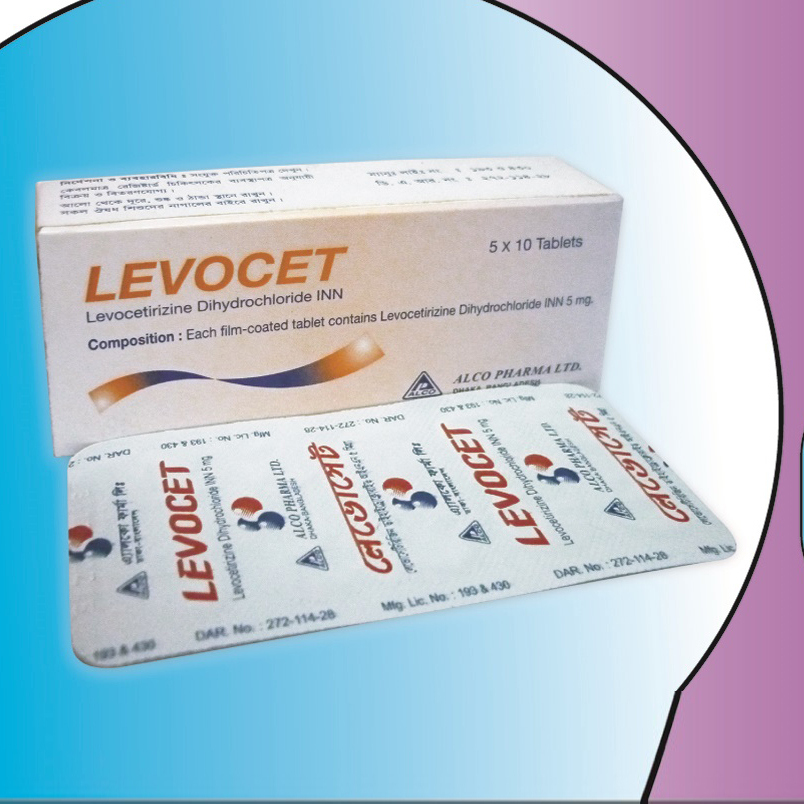
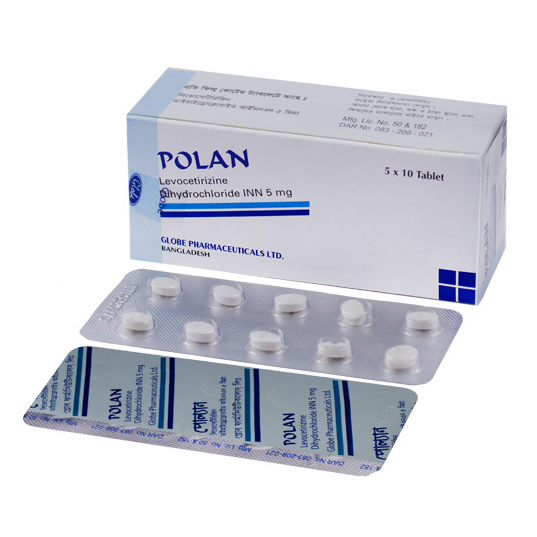
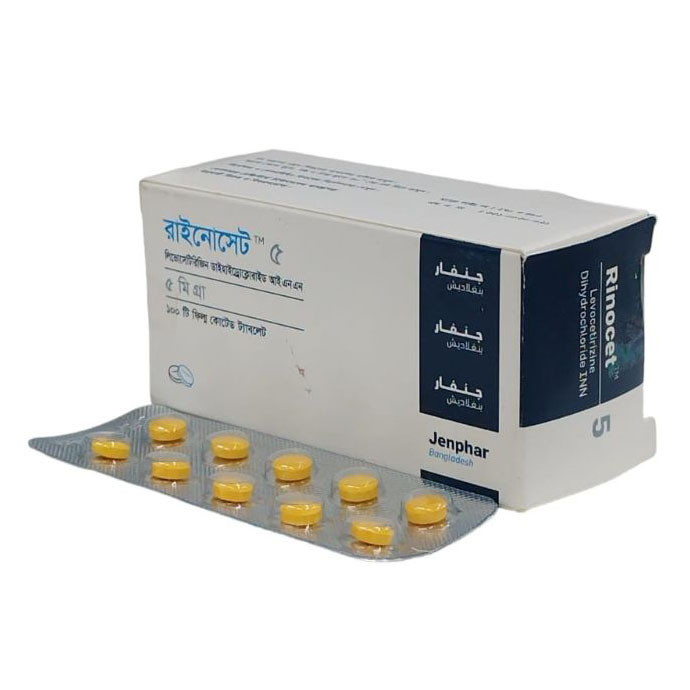
1. What is Lecet Tablet 5 mg?
Lecet Tablet 5 mg is a second-generation antihistamine that is used to relieve allergy symptoms such as sneezing, runny nose, and itchy or watery eyes. It is also used to treat symptoms of chronic urticaria (hives) in adults and children.
2. How does Lecet Tablet 5 mg work?
Lecet Tablet 5 mg works by blocking histamine receptors in the body. Histamine is a substance that causes allergy symptoms such as itching, swelling, and redness. By blocking these receptors, Levocetirizine helps reduce these symptoms.
3. What conditions is Lecet Tablet 5 mg used to treat?
Lecet Tablet 5 mg is commonly used to treat seasonal allergic rhinitis (hay fever), perennial allergic rhinitis, and chronic urticaria (hives). It can also help reduce itching and swelling caused by allergic reactions.
4. How should I take Lecet Tablet 5 mg?
Lecet Tablet 5 mg should be taken orally, typically once daily. It can be taken with or without food. Swallow the tablet whole, and if you are using the liquid form, measure it with a dose-measuring spoon or cup.
5. What is the recommended dosage for Lecet Tablet 5 mg?
The typical adult dosage is 5 mg once daily, preferably taken in the evening. For children aged 6-11 years, the dose is typically 2.5 mg once daily. Your doctor may adjust the dosage depending on your condition and response to treatment.
6. Can Lecet Tablet 5 mg be taken with food?
Yes, Lecet Tablet 5 mg can be taken with or without food. Food does not significantly affect the absorption of the drug.
7. What should I do if I miss a dose of Lecet Tablet 5 mg?
If you miss a dose, take it as soon as you remember unless it's almost time for your next dose. In that case, skip the missed dose and take your next dose at the regular time. Do not take two doses to make up for the missed one.
8. How long does it take for Lecet Tablet 5 mg to start working?
Lecet Tablet 5 mg typically starts working within 1 hour of taking the medication, with peak effects occurring within 3-4 hours.
9. What are the common side effects of Lecet Tablet 5 mg?
Common side effects include:
- Dry mouth
- Drowsiness or fatigue
- Headache
- Stomach pain or discomfort
- Dizziness
10. What are the serious side effects of Lecet Tablet 5 mg?
Serious side effects may include:
- Severe allergic reactions (rash, itching, difficulty breathing)
- Fast or irregular heartbeat
- Severe dizziness or fainting
11. Can Lecet Tablet 5 mg cause drowsiness?
Although Lecet Tablet 5 mg is a second-generation antihistamine, it can still cause mild drowsiness or fatigue in some people. It is generally less sedating than first-generation antihistamines.
12. Can Lecet Tablet 5 mg be taken with alcohol?
It is recommended to avoid alcohol while taking Lecet Tablet 5 mg, as alcohol may increase drowsiness and impair your ability to concentrate or perform tasks.
13. Can Lecet Tablet 5 mg be used in children?
Lecet Tablet 5 mg is commonly used for children aged 6 years and older. For younger children, consult a pediatrician before use to determine appropriate dosage and safety.
14. Can Lecet Tablet 5 mg be used during pregnancy?
Lecet Tablet 5 mg should be used during pregnancy only if clearly needed. Always consult your healthcare provider before using this medication if you are pregnant.
15. Can I take Lecet Tablet 5 mg while breastfeeding?
Lecet Tablet 5 mg is excreted in breast milk, but it is generally considered safe to use while breastfeeding. However, consult your doctor for personalized advice.
16. How should Lecet Tablet 5 mg be stored?
Store Lecet Tablet 5 mg at room temperature, away from moisture and heat. Keep it in a tightly sealed container and out of reach of children.
17. What happens if I overdose on Lecet Tablet 5 mg?
Overdose symptoms may include drowsiness, dry mouth, and an increased heart rate. Seek immediate medical attention if an overdose is suspected.
18. Can Lecet Tablet 5 mg cause weight gain?
Weight gain is not a common side effect of Lecet Tablet 5 mg. However, if you experience unusual weight changes, consult your doctor.
19. Can Lecet Tablet 5 mg be used for a stuffy nose?
Lecet Tablet 5 mg can help with symptoms of nasal congestion associated with allergies but is not specifically designed to treat a stuffy nose. A nasal decongestant may be more effective for this purpose.
20. Can Lecet Tablet 5 mg be used long-term?
Yes, Lecet Tablet 5 mg can be taken long-term for chronic conditions like allergic rhinitis or chronic urticaria, but it’s important to consult your doctor regularly to monitor its effectiveness and side effects.
21. Can Lecet Tablet 5 mg cause dry mouth?
Dry mouth is a common side effect of Lecet Tablet 5 mg. Drinking water or using sugar-free gum may help alleviate this symptom.
22. Does Lecet Tablet 5 mg cause dizziness?
Dizziness or lightheadedness can occur, especially when standing up quickly. If you feel dizzy, rise slowly to avoid feeling faint.
23. Can Lecet Tablet 5 mg cause a rash?
Although rare, Lecet Tablet 5 mg can cause a rash or other signs of an allergic reaction. If you experience a rash, swelling, or difficulty breathing, seek immediate medical attention.
24. Can Lecet Tablet 5 mg interact with other medications?
Yes, Lecet Tablet 5 mg may interact with certain medications, especially other sedatives, alcohol, or other antihistamines. Always inform your doctor about any medications you are taking.
25. Is Lecet Tablet 5 mg safe for elderly patients?
Caution should be exercised when giving Lecet Tablet 5 mg to elderly patients as they may be more sensitive to the drug’s effects, particularly drowsiness and dizziness. Your doctor may adjust the dosage.
26. Can Lecet Tablet 5 mg be used with a decongestant?
Lecet Tablet 5 mg can often be safely combined with a decongestant, but it’s important to follow your doctor’s instructions to avoid potential drug interactions.
27. Can Lecet Tablet 5 mg cause headaches?
Headaches are a possible side effect of Lecet Tablet 5 mg. If headaches become frequent or severe, inform your healthcare provider.
28. Is Lecet Tablet 5 mg addictive?
No, Lecet Tablet 5 mg is not addictive and does not cause dependence. It is considered safe when used as directed.
29. Can Lecet Tablet 5 mg cause nausea?
Some people may experience nausea as a side effect, though it is uncommon. If nausea is persistent, consult your doctor.
30. Can Lecet Tablet 5 mg be taken with food?
Yes, Lecet Tablet 5 mg can be taken with or without food. Food does not significantly affect how the medication is absorbed.
31. How long does the effect of Lecet Tablet 5 mg last?
The effects of Lecet Tablet 5 mg usually last for 24 hours, which is why it is typically taken once daily.
32. Can Lecet Tablet 5 mg treat allergic conjunctivitis?
Yes, Lecet Tablet 5 mg can help alleviate symptoms of allergic conjunctivitis, such as itching and watery eyes.
33. Can Lecet Tablet 5 mg be used for sinusitis?
Lecet Tablet 5 mg is not typically used to treat sinus infections, but it may help relieve symptoms such as nasal congestion and sneezing associated with allergies.
34. Can Lecet Tablet 5 mg treat pet allergies?
Yes, Lecet Tablet 5 mg can help treat symptoms of pet allergies, including sneezing, itchy eyes, and nasal congestion.
35. Can Lecet Tablet 5 mg help with food allergies?
Lecet Tablet 5 mg can help relieve symptoms of food allergies, such as itching, hives, and swelling, but it is not a substitute for epinephrine in severe reactions like anaphylaxis.
36. Can Lecet Tablet 5 mg be used to treat insect bites?
Lecet Tablet 5 mg can help reduce itching and swelling caused by insect bites, but it is not a primary treatment for these conditions.
37. Can Lecet Tablet 5 mg be used for hay fever?
Yes, Lecet Tablet 5 mg is commonly used to treat hay fever (seasonal allergic rhinitis), helping alleviate symptoms like sneezing and a runny nose.
38. Is Lecet Tablet 5 mg safe for pregnant women?
Lecet Tablet 5 mg should be used during pregnancy only if absolutely necessary. Consult your doctor to discuss the risks and benefits.
39. Can Lecet Tablet 5 mg cause constipation?
Constipation is not a common side effect of Lecet Tablet 5 mg, but if you experience it, inform your healthcare provider.
40. Can Lecet Tablet 5 mg be used for mold allergies?
Lecet Tablet 5 mg is effective in treating symptoms of mold allergies, such as sneezing, nasal congestion, and watery eyes.
41. Can Lecet Tablet 5 mg be taken with other allergy medications?
Lecet Tablet 5 mg can often be safely taken with other allergy treatments, but you should check with your doctor to avoid drug interactions.
42. How does Lecet Tablet 5 mg differ from other antihistamines?
Lecet Tablet 5 mg is a second-generation antihistamine, which means it is less likely to cause sedation or drowsiness compared to first-generation antihistamines like diphenhydramine.
43. Can Lecet Tablet 5 mg be used for cold symptoms?
Lecet Tablet 5 mg is not intended for treating cold symptoms but may help alleviate some symptoms, such as nasal congestion, if caused by allergies.
44. Is Lecet Tablet 5 mg a prescription medication?
In some countries, Lecet Tablet 5 mg is available over the counter, while in others, it may require a prescription from your healthcare provider.
45. Can Lecet Tablet 5 mg treat allergic rhinitis?
Yes, Lecet Tablet 5 mg is commonly used to treat allergic rhinitis, helping alleviate symptoms such as sneezing, runny nose, and itchy eyes.
46. Does Lecet Tablet 5 mg interact with food?
Lecet Tablet 5 mg is not significantly affected by food. You can take it with or without food.
47. Can Lecet Tablet 5 mg cause memory problems?
Memory problems are rare, but some people may experience mild cognitive effects. If you notice any changes in memory or concentration, consult your doctor.
48. Can Lecet Tablet 5 mg help with pet dander allergies?
Yes, Lecet Tablet 5 mg is effective for treating symptoms caused by pet dander allergies, such as sneezing and watery eyes.
49. Can Lecet Tablet 5 mg be used for skin allergies?
Lecet Tablet 5 mg may help relieve itching and rash associated with allergic reactions, including skin allergies.
50. Can Lecet Tablet 5 mg be used to treat food allergies?
Lecet Tablet 5 mg can help alleviate mild symptoms of food allergies, such as hives and itching, but it is not a treatment for severe reactions like anaphylaxis.