Introduction
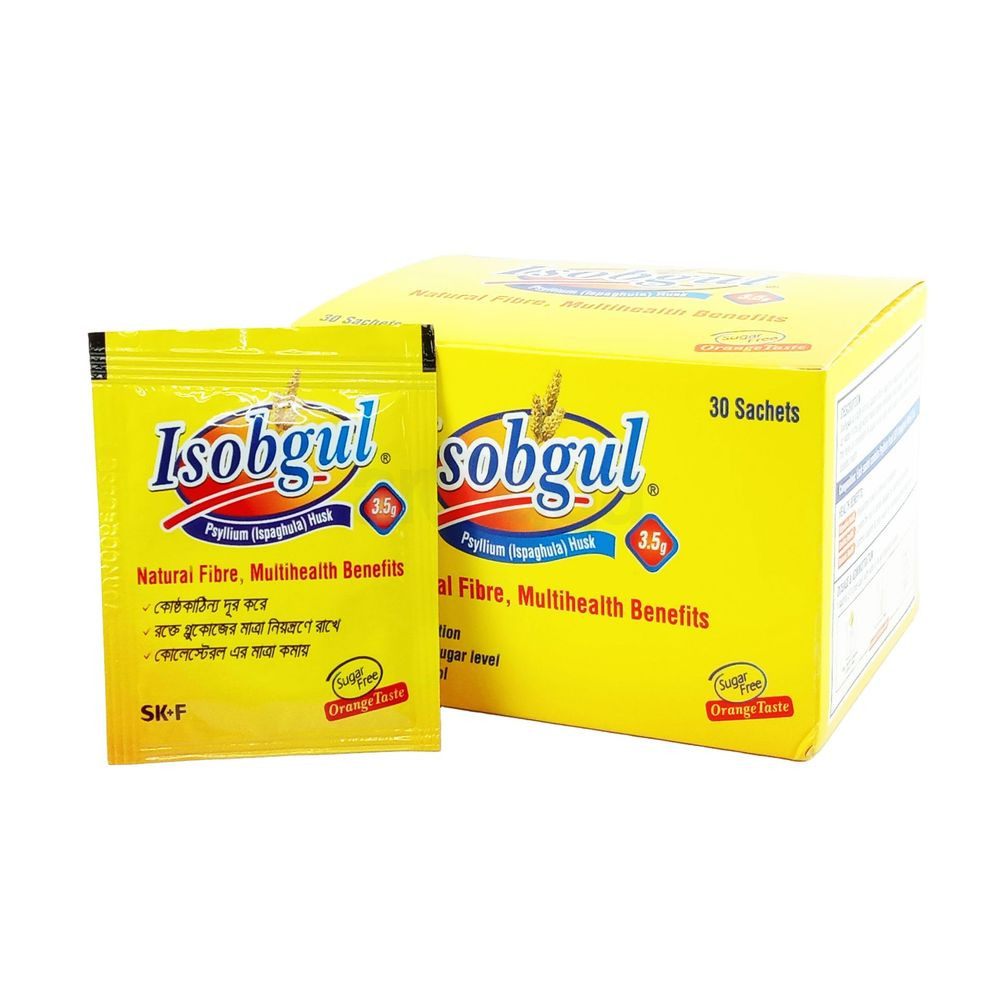
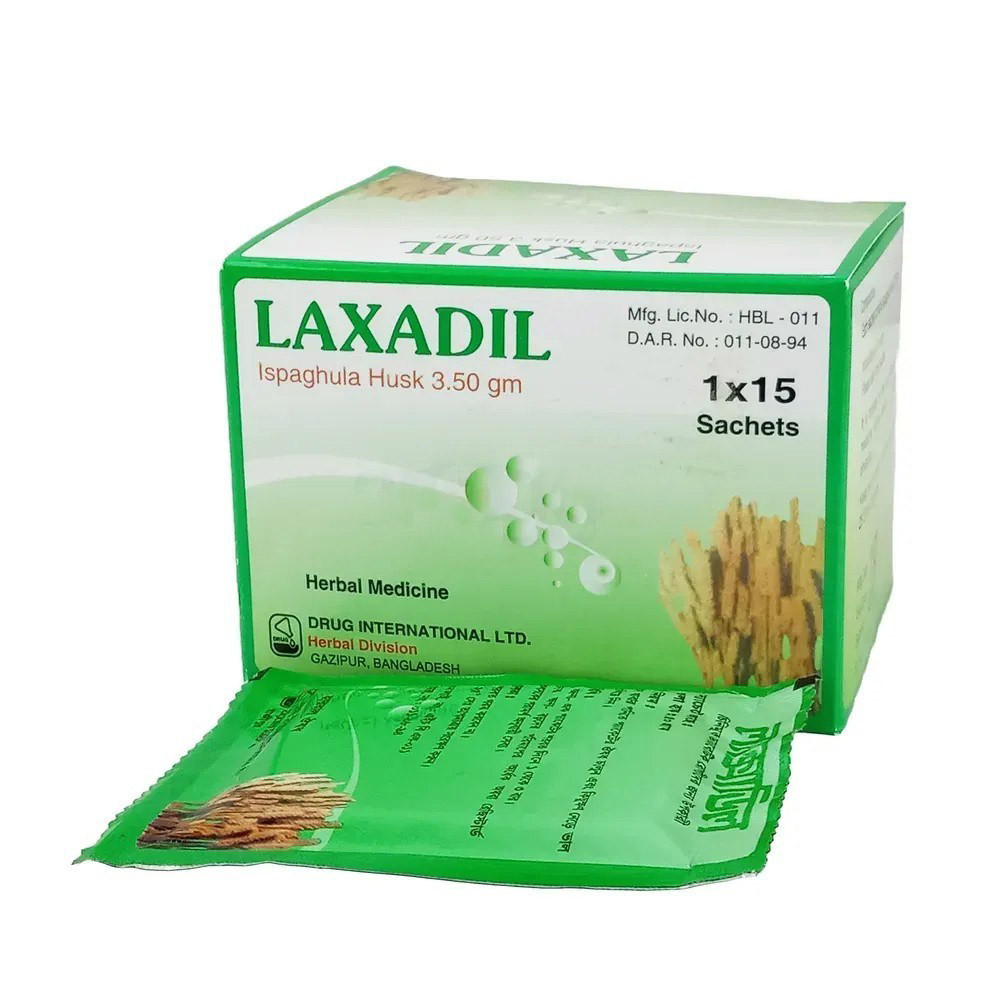
Ispaghula husk, also known as psyllium husk, is a natural fiber derived from the seeds of the Plantago ovata plant. It is primarily used as a bulk-forming laxative due to its ability to absorb water and swell, forming a gel-like substance that aids in bowel movement. Ispaghula husk is commonly used to treat constipation, diarrhea, irritable bowel syndrome (IBS), and for managing cholesterol levels.
Uses
Ispaghula husk is used for:
- Treating constipation by promoting regular bowel movements
- Managing diarrhea by absorbing excess water in the intestines
- Relieving symptoms of irritable bowel syndrome (IBS)
- Lowering cholesterol levels, especially low-density lipoprotein (LDL)
- Supporting weight loss by increasing feelings of fullness
- Managing blood sugar levels in people with diabetes
Mechanism of Action
Ispaghula husk works as a bulk-forming laxative by absorbing water in the intestines and forming a gel-like mass. This mass increases stool volume and softens it, making bowel movements easier. The increased stool bulk stimulates intestinal peristalsis, which promotes the passage of stool through the digestive tract. In cases of diarrhea, ispaghula husk helps to solidify stool by absorbing excess liquid.
How Long Does It Take to Work?
The effects of ispaghula husk typically take 12 to 72 hours to manifest. It may take a few days of regular use to achieve full therapeutic effects, especially for constipation. For cholesterol management, it may take several weeks to notice improvements.
Absorption
Ispaghula husk is not absorbed into the bloodstream. It remains in the intestines, where it absorbs water and forms a bulkier, softer stool that is easier to pass.
Route of Elimination
Ispaghula husk is excreted primarily through the feces. It is not broken down or absorbed in the body, and it leaves the gastrointestinal tract along with stool.
Dosage
The dosage of ispaghula husk varies depending on the condition being treated:
- For constipation: 3.5g (approximately one teaspoon) of ispaghula husk mixed in water, taken 1 to 3 times daily.
- For diarrhea or IBS: 3.5g of ispaghula husk 1 to 2 times daily.
- For cholesterol management: 10-12g daily, taken in divided doses.
Always follow the dosage instructions on the product label or as prescribed by a healthcare provider. Drink plenty of water when taking ispaghula husk to prevent choking and ensure effective functioning.
Administration
- Ispaghula husk is usually taken orally, mixed with water, juice, or another liquid.
- It can also be mixed into food, such as yogurt or smoothies.
- Always consume ispaghula husk with plenty of water (at least 8 ounces) to prevent choking or intestinal blockage.
Side Effects
Ispaghula husk is generally well-tolerated, but some individuals may experience side effects, including:
- Bloating or gas, especially during the first few days of use
- Abdominal cramping
- Diarrhea if taken in excessive amounts
- Allergic reactions, such as rash or difficulty breathing, in rare cases
Toxicity
Ispaghula husk is considered safe when taken as directed. However, excessive intake without adequate water consumption may cause gastrointestinal obstruction, particularly in individuals with underlying conditions like bowel strictures. Always take ispaghula husk with sufficient water to minimize risks.
Precautions
- Ensure adequate fluid intake while using ispaghula husk to avoid intestinal blockage.
- People with swallowing difficulties or esophageal strictures should avoid ispaghula husk unless advised by a healthcare provider.
- If you experience chest pain, vomiting, or difficulty swallowing or breathing after taking ispaghula husk, seek immediate medical attention.
Interaction
- Ispaghula husk may reduce the absorption of certain medications, such as iron supplements, digoxin, and lithium. It is advisable to take medications at least 1 to 2 hours apart from ispaghula husk.
- It can also interact with cholesterol-lowering medications, such as statins, by enhancing their effect.
Disease Interaction
- People with phenylketonuria (PKU) should be cautious when using certain ispaghula products, as they may contain phenylalanine.
- Individuals with gastrointestinal disorders, such as bowel obstruction or Crohn's disease, should avoid ispaghula husk without consulting a healthcare provider.
Drug Interaction
- Ispaghula husk may interfere with the absorption of oral medications, reducing their effectiveness. Separate doses of ispaghula husk and other oral medications by at least 1 to 2 hours.
- It may enhance the effects of cholesterol-lowering medications, such as statins.
Food Interactions
- Ispaghula husk can be taken with or without food, but it should always be consumed with sufficient water to avoid intestinal blockage.
- Taking ispaghula husk with juice or smoothies may enhance palatability and ease of consumption.
Pregnancy Use
Ispaghula husk is considered safe for use during pregnancy. It can be used to manage constipation, which is common during pregnancy. However, pregnant women should consult a healthcare provider before using any supplement.
Lactation Use
Ispaghula husk is safe for use while breastfeeding. It does not pass into breast milk and is unlikely to affect the infant.
Acute Overdose
Overdose of ispaghula husk is rare but may lead to severe bloating, gas, and intestinal obstruction, particularly if taken without sufficient water. In cases of suspected overdose, increase water intake and seek medical attention if symptoms persist.
Contraindication
- Ispaghula husk is contraindicated in individuals with known hypersensitivity to psyllium or its components.
- People with gastrointestinal obstructions, severe bowel diseases, or difficulty swallowing should avoid ispaghula husk.
Use Direction
- Mix the prescribed dose of ispaghula husk in water or juice and drink immediately. Follow with an additional glass of water.
- Take ispaghula husk at least 1 to 2 hours apart from other medications to avoid interference with their absorption.
- Continue drinking plenty of water throughout the day to prevent blockages.
Storage Conditions
- Store ispaghula husk in a cool, dry place, away from direct sunlight and moisture.
- Keep out of reach of children.
Volume of Distribution
Ispaghula husk remains in the gastrointestinal tract, where it absorbs water and increases stool bulk. It is not distributed to other tissues as it is not absorbed into the bloodstream.
Half Life
Since ispaghula husk is not absorbed, it does not have a biological half-life. Its effects are localized to the gastrointestinal tract.
Clearance
Ispaghula husk is cleared from the body through fecal excretion. It passes through the digestive system unchanged and is eliminated with stool.