Introduction

Lamivudine is an antiviral medication used primarily for the treatment of chronic hepatitis B virus (HBV) infection. It belongs to the class of drugs known as nucleoside reverse transcriptase inhibitors (NRTIs), which work by interfering with the replication of the virus.

Uses

Lamivudine is used for:

  • Chronic Hepatitis B: To reduce the viral load, improve liver function, and decrease the risk of liver-related complications in individuals with chronic HBV infection.
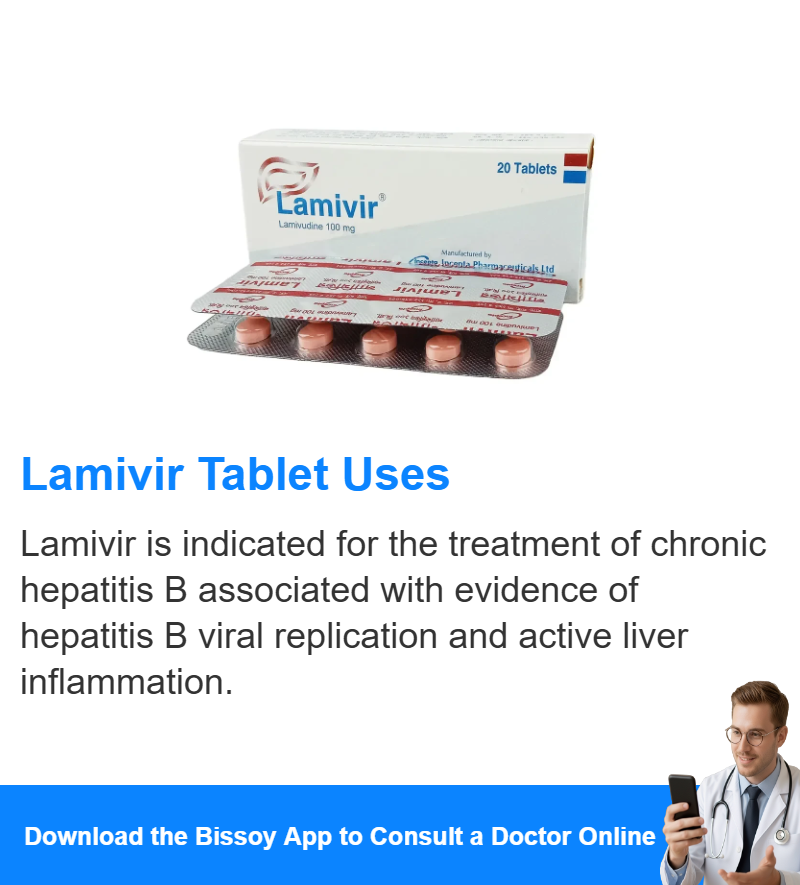
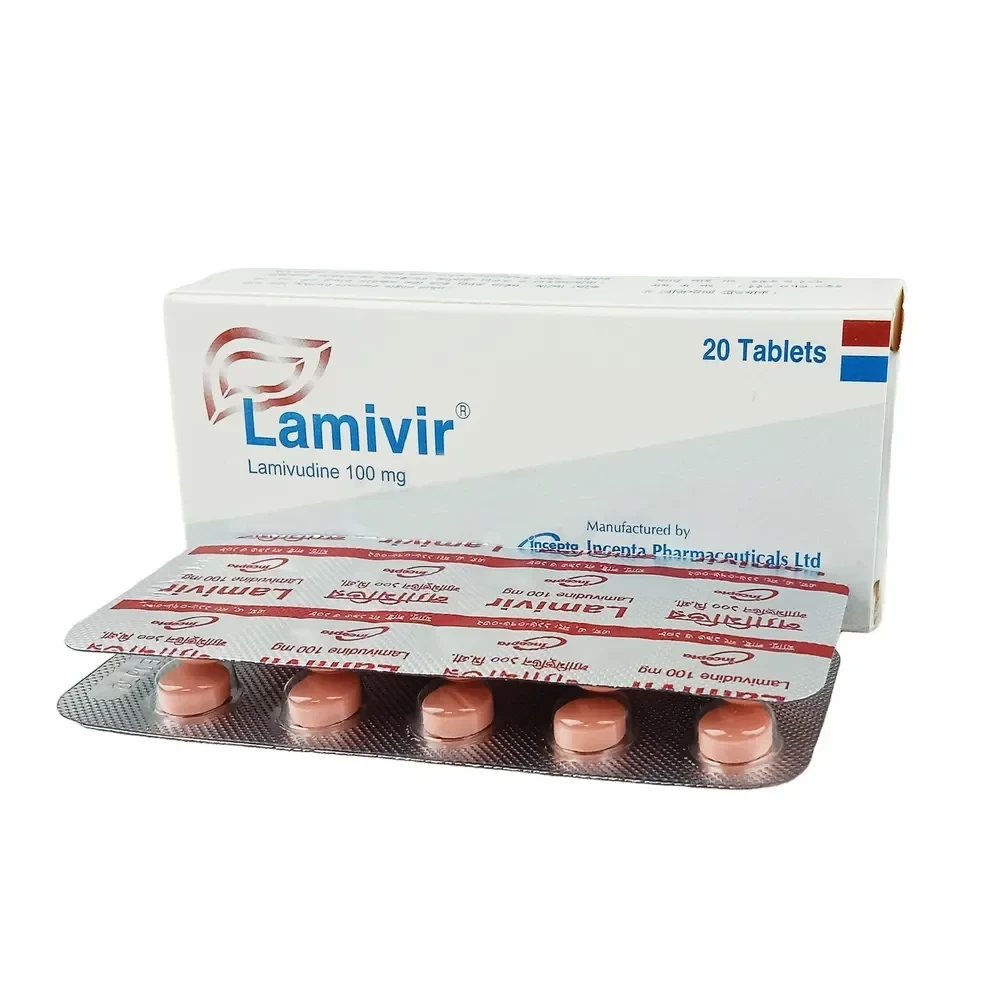
Brand Name Lamivir
Type Tablet
Weight 100 mg
Generic Lamivudine [For Chronic Hepatitis B]
Manufacturer Incepta Pharmaceuticals Ltd.
Available in English বাংলা

Mechanism of Action

Lamivudine works by inhibiting the HBV reverse transcriptase enzyme, which is essential for the replication of the virus. By blocking this enzyme, lamivudine prevents the synthesis of viral DNA and reduces the replication of the virus.

How Long Does It Take to Work?

Clinical improvement in liver function and reduction in viral load can be observed within a few weeks to months of starting lamivudine therapy. However, complete viral suppression and stabilization of liver function may take several months.

Absorption

Lamivudine is well-absorbed after oral administration, with peak plasma concentrations typically reached within 1-2 hours. The bioavailability is approximately 80-85% when taken orally.

Route of Elimination

Lamivudine is primarily eliminated by the kidneys. Approximately 70-80% of the dose is excreted unchanged in the urine.

Dosage

The recommended oral dose of Lamivudine for the treatment of chronic hepatitis B in adults is 100 mg once daily.

The typical dosage of lamivudine for chronic hepatitis B is:

  • Adults: 100 mg once daily.
  • Children: Dosage is adjusted based on body weight and age, usually 3-4 mg/kg once daily, up to a maximum of 100 mg daily.

Administration

Lamivudine is administered orally, usually in the form of tablets or oral solution. It can be taken with or without food. Consistent adherence to the prescribed dosage schedule is important for effective treatment.

Side Effects

Common side effects may include:

  • Nausea
  • Headache
  • Fatigue
  • Dizziness

Serious side effects may include:

  • Lactic acidosis
  • Hepatomegaly with steatosis
  • Renal impairment

Toxicity

High doses or prolonged use of lamivudine can lead to toxicity, including lactic acidosis and hepatic steatosis. Regular monitoring of liver and kidney function is recommended during treatment.

Precautions

Precautions include:

  • Monitoring liver and kidney function regularly.
  • Ensuring adherence to therapy to prevent drug resistance.
  • Avoiding abrupt discontinuation to prevent exacerbation of HBV infection.

Interaction

Lamivudine may interact with other medications that affect renal function or are eliminated via the kidneys. Inform your healthcare provider of all medications and supplements you are taking.

Disease Interaction

Use lamivudine with caution in individuals with pre-existing liver or kidney disease. Regular monitoring is essential to manage potential adverse effects.

Drug Interaction

Lamivudine can interact with drugs that affect renal function or are also processed by the kidneys. Examples include certain antibiotics, antivirals, and diuretics. Adjustments to dosing or increased monitoring may be required.

Food Interactions

There are no specific food interactions with lamivudine. It can be taken with or without food. Maintaining a balanced diet supports overall health and may improve treatment outcomes.

Pregnancy Use

Lamivudine is classified as a Category C drug during pregnancy. It should be used only if the potential benefit justifies the potential risk to the fetus. Consult a healthcare provider for guidance if pregnant or planning to become pregnant.

Lactation Use

Lamivudine is excreted in breast milk, and its use during lactation is generally not recommended. The potential risk to the nursing infant should be considered, and alternative feeding options should be discussed with a healthcare provider.

Acute Overdose

In case of acute overdose, seek medical attention immediately. Symptoms of overdose may include gastrointestinal discomfort, nausea, and headache. Treatment focuses on supportive care and symptomatic management.

Contraindication

Lamivudine is contraindicated in individuals with known hypersensitivity to lamivudine or any component of the formulation. Caution is advised in patients with severe renal impairment.

Use Direction

Follow the prescribed dosage and administration instructions provided by your healthcare provider. Consistent use at the prescribed intervals is crucial for effective treatment and to prevent the development of drug resistance.

Storage Conditions

Store lamivudine tablets and oral solution in a cool, dry place at room temperature, away from direct sunlight and moisture. Keep out of reach of children.

Volume of Distribution

The volume of distribution of lamivudine is approximately 0.7 L/kg, indicating good distribution into body tissues and fluids.

Half Life

The terminal half-life of lamivudine is approximately 5-7 hours. The half-life can be prolonged in patients with renal impairment due to reduced clearance.

Clearance

Lamivudine is primarily cleared by the kidneys, with about 70-80% of the dose excreted unchanged in the urine. Clearance rates may be reduced in patients with renal dysfunction.

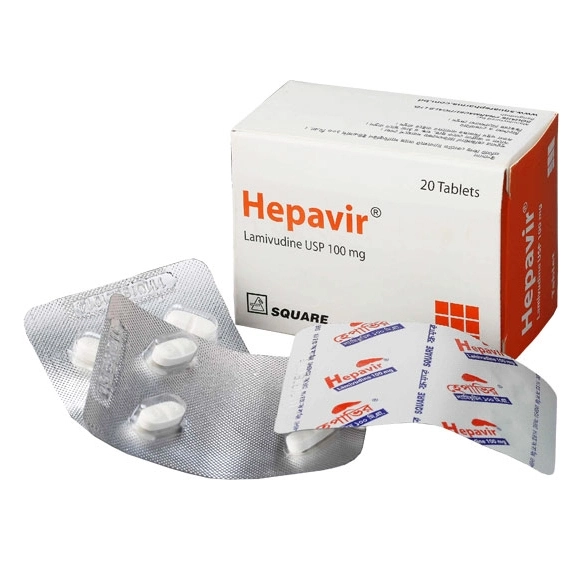
See in details version Lamivir Tablet 100 mg also Lamivir Tablet 100 mg in bangla

Social card

Uses

Some Frequently Asked Questions About Lamivir Tablet 100 mg

*** Taking medicines without doctor's advice can cause long-term problems.
Dr. Dewan Nurul Islam

Dr. Dewan Nurul Islam

Orthopedic Specialist & Trauma Surgeon

Call Doctor
Dr. A.S.M Selim

Dr. A.S.M Selim

Newborn, Child Diseases & Development Specialist

Call Doctor
Dr. Md. Golam Faruk

Dr. Md. Golam Faruk

Medicine & Cardiology (Heart Diseases) Specialist

Call Doctor
Related Medicines