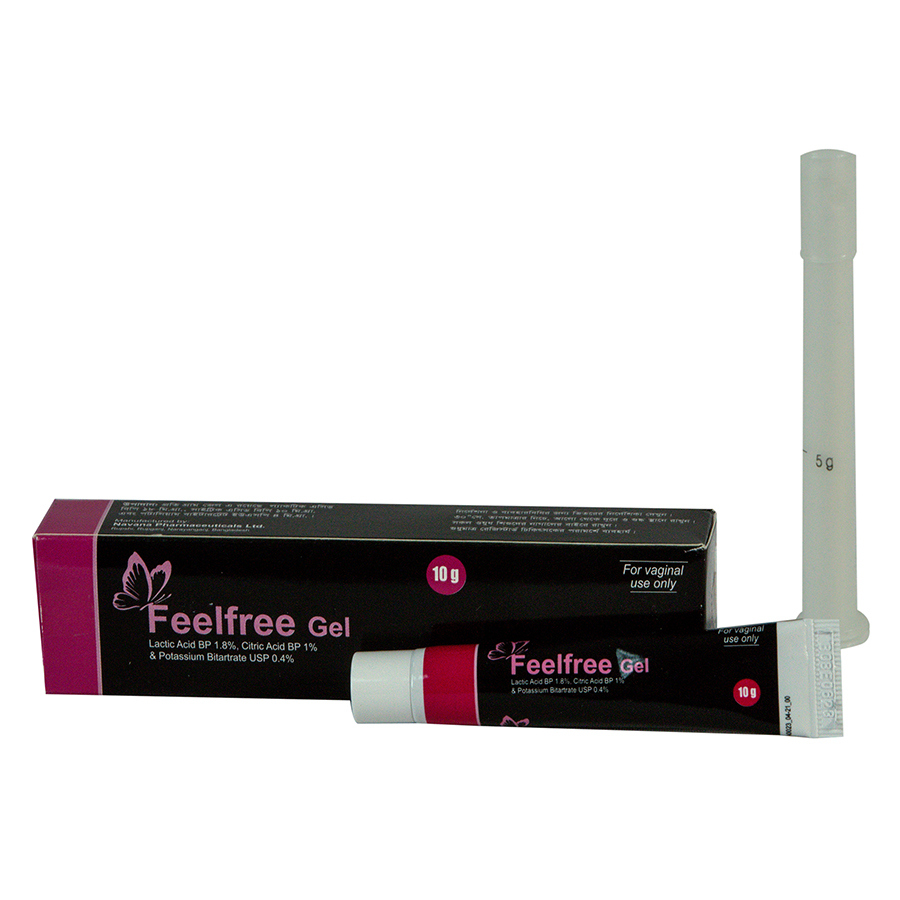
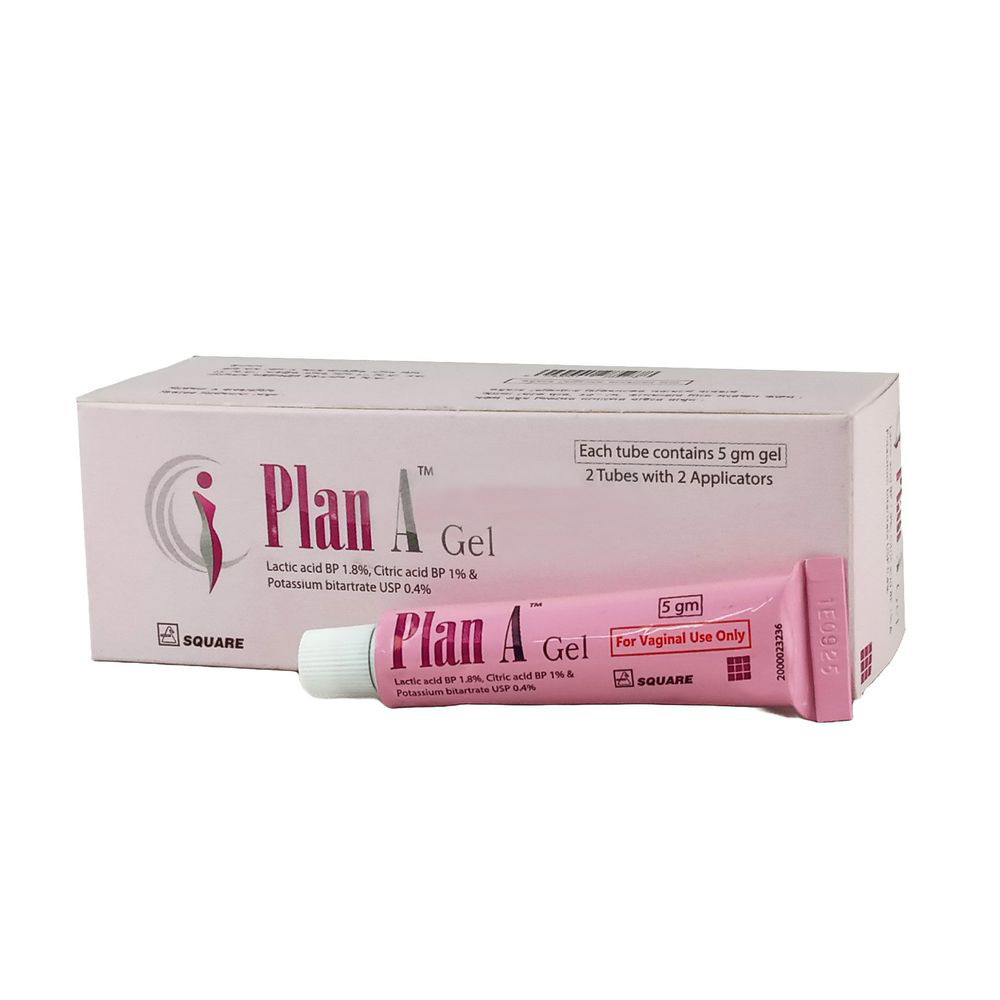
Introduction
Lactic acid, citric acid, and potassium bitartrate are combined in various formulations primarily for their roles in acid-base balance and their use in food and pharmaceutical products. Lactic acid is an organic acid involved in various metabolic processes, citric acid is a key intermediate in the citric acid cycle, and potassium bitartrate (cream of tartar) is often used as a stabilizing agent in cooking and baking. When combined, these compounds can have applications in digestive health and as food additives.
Uses
The combination of lactic acid, citric acid, and potassium bitartrate is used for:
- Digestive Health: These acids can help in managing digestive issues by aiding in the regulation of gastric pH and promoting a healthy digestive environment.
- Food Additive: In food industry, they are used as acidulants to enhance flavor, act as preservatives, and maintain product stability.
- Pharmaceutical Formulations: They are used in some pharmaceutical preparations to adjust pH and stabilize active ingredients.
Mechanism of Action
Lactic acid and citric acid help regulate the pH of the gastrointestinal tract, promoting an acidic environment that aids digestion. Potassium bitartrate acts as a buffering agent, stabilizing the pH and preventing crystallization in certain formulations. Together, they help in maintaining the desired acidity and stability in both food and pharmaceutical products.
How Long Does It Take to Work?
For digestive health applications, the effects can be relatively quick, often within a few hours after ingestion, depending on the dosage and the individual's digestive system. For food and pharmaceutical applications, the effects are generally related to the stability and preservation of the product and are not typically observed in the short term.
Absorption
Lactic acid and citric acid are absorbed in the gastrointestinal tract and metabolized in the body. Potassium bitartrate is minimally absorbed and acts primarily within the gastrointestinal tract. Lactic acid is converted to glucose and other metabolites, while citric acid is involved in the citric acid cycle for energy production.
Route of Elimination
Lactic acid and citric acid are metabolized and their byproducts are excreted through urine. Potassium bitartrate, being less absorbed, also passes through the gastrointestinal tract and is excreted in the feces.
Dosage
Administer 5 g gel of Feelfree vaginally by the provided applicator immediately before (or up to one hour before) each episode of vaginal intercourse. May use during any part of the menstrual cycle or as directed by the physician.How to use this gel: Follow the instructions in the diagrams below-
- Screw the applicator onto the tube in place of the cap.
- Squeeze the tube gently at its lower end, so as to fill the applicator at 5 g mark. Unless prescribed by the physician, the applicator must be completely filled up to 5 g.
- After amount taking gel, remove measured the applicator from the tube, which should be closed immediately with the cap.
- In knees a lying raised down andposition spread apart , with, delicately insert the applicator in to the vagina as deeply as possible. Push the piston to penetrate gel completely, then pull out the applicator without touching the piston
Use in Children & Adolescents: The use of Feelfree before menarche is not indicated.
The dosage of lactic acid, citric acid, and potassium bitartrate can vary based on the specific application and formulation. Common dosages include:
- Food Additive: Lactic acid and citric acid are typically used in concentrations ranging from 0.1% to 1% in food products, depending on the desired acidity. Potassium bitartrate is used in small amounts, generally around 0.5% to 1% of the total formulation.
- Pharmaceutical Use: Follow specific product instructions and healthcare provider recommendations for dosage in pharmaceutical formulations.
Administration
For digestive health, these acids are usually taken orally, either as part of a dietary supplement or in a formulated product. In food and pharmaceutical applications, they are incorporated into products according to the formulation guidelines.
Side Effects
Common side effects may include:
- Gastrointestinal discomfort, such as nausea or abdominal pain
- Possible irritation or allergic reactions in sensitive individuals
Toxicity
Toxicity is rare when used in recommended amounts. Excessive consumption of lactic acid or citric acid may lead to gastrointestinal disturbances, such as diarrhea or abdominal cramping. Potassium bitartrate is generally well-tolerated, but excessive use may cause gastrointestinal discomfort.
Precautions
Use with caution in individuals with gastrointestinal conditions or those on a low-potassium diet. Overuse or high doses should be avoided to prevent gastrointestinal disturbances or potential adverse effects.
Interaction
Interactions with other medications are minimal when used in appropriate doses. However, combining with other acidic substances or medications that affect pH balance should be done cautiously.
Disease Interaction
Use cautiously in individuals with chronic gastrointestinal conditions or those with kidney issues, as they may be more sensitive to changes in acidity or potassium levels.
Drug Interaction
Potential interactions with medications affecting gastrointestinal pH or potassium levels should be monitored. Consult a healthcare provider if taking other medications that could interact with these acids.
Food Interactions
Generally, there are no significant food interactions. However, maintaining balanced dietary intake and avoiding excessive consumption of acidic substances can help prevent gastrointestinal discomfort.
Pregnancy Use
Use during pregnancy should be under the guidance of a healthcare provider. While these acids are generally considered safe in food and small quantities, it's best to follow professional advice regarding their use during pregnancy.
Lactation Use
Topical use or use in food products during lactation is generally considered safe. Consult a healthcare provider if there are concerns about dietary intake or specific product use during breastfeeding.
Acute Overdose
Acute overdose is unlikely with typical use. In case of excessive consumption, seek medical attention if symptoms such as severe gastrointestinal distress or abnormal potassium levels occur.
Contraindication
Contraindications include hypersensitivity to any of the components. Avoid use in individuals with severe gastrointestinal conditions or those who are advised to limit potassium intake.
Use Direction
Follow specific product instructions for dosage and administration. For dietary supplements, adhere to recommended daily intake levels. In food products, use as specified by formulation guidelines.
Storage Conditions
Store in a cool, dry place away from direct sunlight and moisture. Ensure containers are tightly sealed. Keep out of reach of children.
Volume of Distribution
The volume of distribution is not typically applicable for these substances as they act locally or are minimally absorbed. Systemic distribution is minimal for potassium bitartrate.
Half Life
The half-life is not directly applicable for lactic acid, citric acid, and potassium bitartrate due to their local action or minimal systemic absorption. Their effects are primarily related to local actions in the gastrointestinal tract.
Clearance
Clearance occurs through urine for lactic acid and citric acid, and through feces for potassium bitartrate. The clearance rate is generally consistent with their minimal systemic absorption.