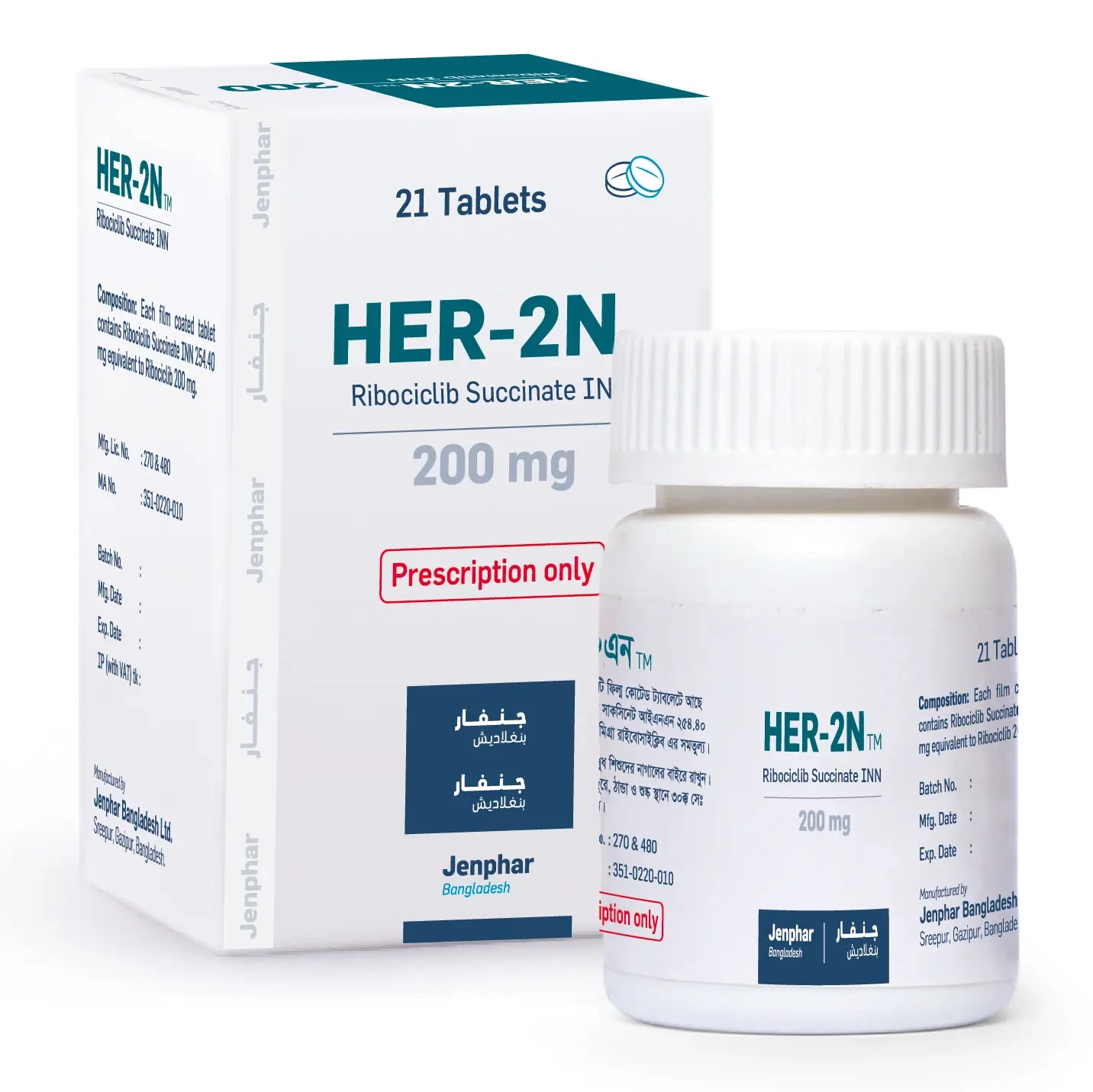
Introduction

Kisqali Tablet 200 mg is a targeted oral medication used in the treatment of certain types of breast cancer. It is a cyclin-dependent kinase (CDK) 4/6 inhibitor that works by interfering with the cancer cell cycle, specifically the transition from the G1 phase to the S phase, thereby slowing down or stopping the growth of cancer cells.

Uses

Kisqali Tablet 200 mg is primarily used in combination with other medications for the treatment of:

  • Hormone receptor-positive, human epidermal growth factor receptor 2-negative (HR-positive, HER2-negative) breast cancer
  • Advanced or metastatic breast cancer in postmenopausal women or men
  • In combination with aromatase inhibitors or as part of combination therapy with letrozole, or with an endocrine therapy for HR-positive, HER2-negative breast cancer
Brand Name Kisqali
Type Tablet
Weight 200 mg
Generic Ribociclib
Manufacturer Novartis (Bangladesh) Ltd.
Available in English বাংলা

Mechanism of Action

Kisqali Tablet 200 mg works by specifically inhibiting cyclin-dependent kinases 4 and 6 (CDK4/6). These enzymes are crucial for the progression of the cell cycle from the G1 phase to the S phase. By inhibiting CDK4/6, Kisqali Tablet 200 mg effectively disrupts this process, leading to cell cycle arrest and reducing the proliferation of cancer cells.

How Long Does It Take to Work?

Patients may start to see clinical improvements within a few weeks of starting Kisqali Tablet 200 mg, but the full therapeutic effects can take several months to become apparent. Regular monitoring and imaging are necessary to evaluate the response to therapy and adjust treatment as needed.

Absorption

Kisqali Tablet 200 mg is well absorbed from the gastrointestinal tract. The peak plasma concentration is typically reached within 1 to 4 hours after oral administration. The presence of food can affect the absorption slightly, but it is not significant enough to warrant dietary restrictions.

Route of Elimination

Kisqali Tablet 200 mg is primarily metabolized in the liver through the cytochrome P450 enzyme system, particularly CYP3A4. It is excreted mainly through the feces, with a small portion eliminated in the urine. The drug's metabolism and elimination are significant considerations in patients with liver impairment.

Dosage

Ribociclib tablets are taken orally with or without food in combination with an aromatase inhibitor or fulvestrant.
  • Recommended starting dose: 600 mg orally (three 200 mg tablets) taken once daily with or without food for 21 consecutive days followed by 7 days off treatment.
  • Dose interruption, reduction, and/or discontinuation may be required based on individual safety and tolerability.

The recommended dosage of Kisqali Tablet 200 mg is:

  • 600 mg orally once daily for 21 days, followed by 7 days off treatment (21/7-day cycle).
  • This regimen is usually combined with an aromatase inhibitor (such as letrozole) or other endocrine therapies as directed by the healthcare provider.

Dosage adjustments may be necessary based on the patient’s tolerance and any side effects experienced. Regular monitoring is essential to tailor the dosage to individual needs.

Administration

Kisqali Tablet 200 mg should be taken orally, with or without food. The tablets should be swallowed whole with water. They should not be chewed, crushed, or broken. Adherence to the prescribed dosing schedule is crucial for optimal effectiveness.

Side Effects

Common side effects of Kisqali Tablet 200 mg include:

  • Neutropenia (low white blood cell count)
  • Fatigue
  • Nausea
  • Diarrhea
  • Loss of appetite
  • Hair loss

Serious side effects may include:

  • Hepatotoxicity (liver damage)
  • Infections due to neutropenia
  • Interstitial lung disease

Toxicity

Kisqali Tablet 200 mg toxicity can manifest as severe neutropenia, liver enzyme abnormalities, and other side effects. Monitoring blood counts and liver function is essential. In case of severe adverse reactions, dose modifications or discontinuation may be necessary.

Precautions

Caution is advised in patients with:

  • Pre-existing liver impairment (adjustments in dosage may be required)
  • Risk of infections (due to potential neutropenia)
  • History of interstitial lung disease
  • Concurrent use of strong CYP3A4 inhibitors or inducers

Interaction

Drug Interactions

Kisqali Tablet 200 mg can interact with medications that affect CYP3A4 enzyme activity, including:

  • Strong CYP3A4 inhibitors (e.g., ketoconazole, itraconazole)
  • Strong CYP3A4 inducers (e.g., rifampin, St. John's Wort)
  • Other drugs that may affect hematologic parameters

Food Interactions

Food does not significantly affect the absorption of Kisqali Tablet 200 mg, but it is generally advisable to maintain a consistent dietary routine to avoid fluctuations in drug levels.

Disease Interaction

Use Kisqali Tablet 200 mg with caution in patients with:

  • Liver disease (dose adjustments may be necessary)
  • History of severe infections
  • Pulmonary conditions (due to risk of interstitial lung disease)

Pregnancy Use

Kisqali Tablet 200 mg is classified as a Pregnancy Category D drug, indicating positive evidence of risk to the fetus. It should not be used during pregnancy unless the potential benefits outweigh the risks. Effective contraception is recommended during treatment.

Lactation Use

It is not known if Kisqali Tablet 200 mg is excreted in human milk. Given the potential for serious adverse effects in nursing infants, breastfeeding is not recommended during Kisqali Tablet 200 mg treatment. Consult a healthcare provider for alternative feeding options.

Acute Overdose

In case of an acute overdose, symptomatic treatment should be provided. There is no specific antidote for Kisqali Tablet 200 mg, and management should focus on supportive care, including monitoring for and managing any adverse effects that occur.

Contraindication

Kisqali Tablet 200 mg is contraindicated in individuals with:

  • Severe hepatic impairment
  • Hypersensitivity to Kisqali Tablet 200 mg or any of its components

Use Direction

Follow the prescribed dosage and administration instructions carefully. Adhere to the 21/7-day dosing cycle and complete the full course of treatment as directed by your healthcare provider. Regular follow-ups and monitoring are essential for adjusting treatment and managing side effects.

Storage Conditions

Store Kisqali Tablet 200 mg at room temperature (15°C to 30°C), away from light and moisture. Keep the medication out of reach of children and properly dispose of any unused or expired medication.

Volume of Distribution

The volume of distribution (Vd) of Kisqali Tablet 200 mg is approximately 100 L, indicating extensive distribution into body tissues and fluids.

Half-Life

The plasma half-life of Kisqali Tablet 200 mg is approximately 32 hours, allowing for once-daily dosing. The half-life may vary depending on individual patient factors and liver function.

Clearance

Kisqali Tablet 200 mg is primarily cleared through hepatic metabolism, with a small amount excreted through the urine. The clearance rate can be affected by liver function and drug interactions.

See in details version Kisqali Tablet 200 mg also Kisqali Tablet 200 mg in bangla

Social card

Uses

Some Frequently Asked Questions About Kisqali Tablet 200 mg

*** Taking medicines without doctor's advice can cause long-term problems.
Related Medicines