Introduction
Amino acids and calcium are essential nutrients for human health, playing critical roles in maintaining and repairing tissues, supporting muscle function, and regulating various metabolic processes. Amino acids are the building blocks of proteins, while calcium is a key mineral necessary for bone health, muscle function, and nerve signaling. Supplements containing amino acids and calcium are used to support growth, muscle recovery, bone health, and overall vitality.
Uses
The combination of amino acids and calcium is commonly used for:
- Bone health: Supporting the development and maintenance of strong bones and teeth, especially in growing children, post-menopausal women, and the elderly.
- Muscle function: Aiding in muscle contraction and relaxation, preventing cramps, and improving recovery after exercise.
- Protein synthesis: Enhancing protein formation in the body, which is essential for tissue repair, enzyme production, and other biological functions.
- Metabolic support: Helping in the regulation of biochemical pathways that require calcium and amino acids, such as energy production and neurotransmitter release.
Mechanism of Action
Amino Acids: These are the building blocks of proteins, which are used to repair tissues, build muscle, and synthesize enzymes, hormones, and other critical molecules in the body. Specific amino acids like leucine play a role in stimulating protein synthesis, while others support metabolic and immune functions.
Calcium: Calcium is essential for the formation of bones and teeth, muscle contraction, blood clotting, and the transmission of nerve signals. It also plays a role in enzyme activation and hormone secretion.
How Long Does It Take to Work?
Effects of amino acids and calcium supplementation may take several days to weeks to become noticeable, particularly in cases of deficiency. Bone health improvements may take longer to manifest, while muscle recovery benefits from amino acids may be noticed within a few days of consistent use.
Absorption
Amino acids are absorbed in the small intestine after being broken down from dietary proteins or ingested as supplements. Calcium is also absorbed in the small intestine, with its absorption being influenced by factors such as vitamin D levels, dietary intake, and age.
Route of Elimination
Both amino acids and calcium are primarily metabolized and eliminated through the kidneys. Unused amino acids are deaminated and converted into urea, which is excreted in the urine. Excess calcium is also excreted in the urine, with small amounts eliminated through feces and sweat.
Dosage
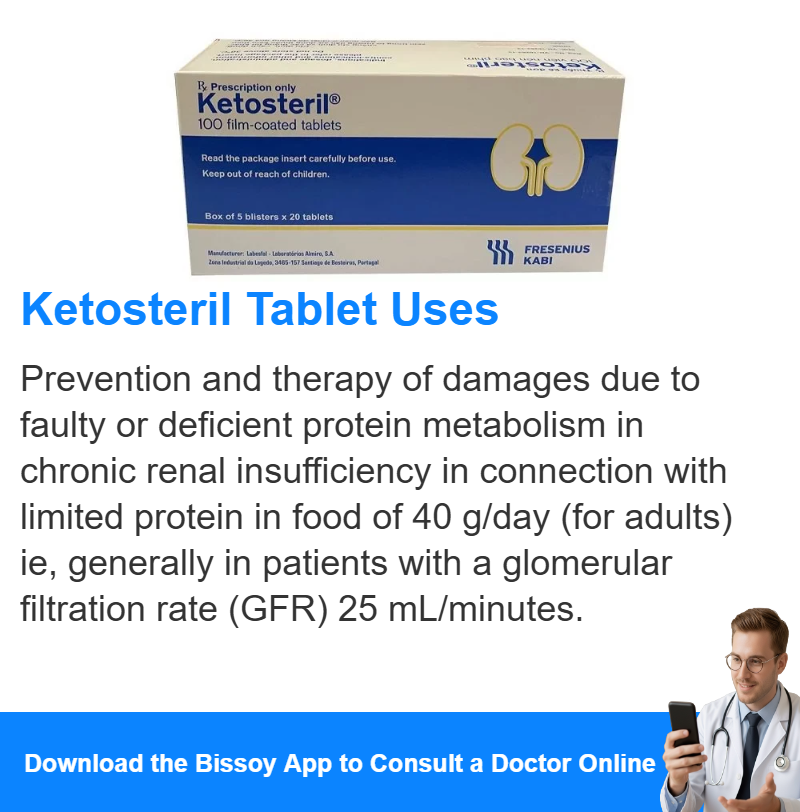
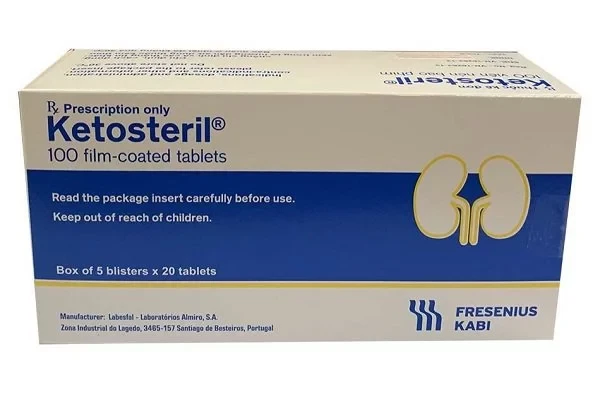
Adults (70 kg body weight): If not otherwise prescribed, take 4 to 8 tablets three times a day during meals. Swallow whole and must not be chewed. Ingestion during meals facilitates proper absorption and the metabolisation into the corresponding amino acids.Duration of Application: This tablets are given as long as the glomerular filtration rate (GFR) is between 5 and about 15 mL/minute. Simultaneously food should contain 40 g/day protein or less (adults).
Dosage varies depending on age, gender, and health status:
- Amino acids: Recommended dosage for essential amino acids is typically 10-15 grams per day, depending on protein needs and activity level.
- Calcium: The recommended daily intake for calcium is 1,000-1,200 mg for adults, with higher amounts recommended for pregnant women and older adults.
Administration
Amino acid and calcium supplements are typically administered orally, in the form of tablets, capsules, or powders. They can be taken with or without food, although calcium absorption is improved when taken with meals. Amino acids can be taken before or after exercise to aid muscle recovery.
Side Effects
Possible side effects of amino acids and calcium include:
- Gastrointestinal discomfort, such as bloating or gas
- Constipation or diarrhea, especially with excessive calcium intake
- Kidney stones, in rare cases, with long-term high doses of calcium
- Nausea or stomach cramps
Toxicity
Overconsumption of calcium can lead to hypercalcemia, a condition characterized by elevated calcium levels in the blood, which can result in kidney stones, calcification of tissues, and cardiovascular issues. Excessive amino acid intake can place stress on the kidneys and liver, particularly in individuals with pre-existing conditions.
Precautions
Individuals with kidney disease or hyperparathyroidism should use calcium and amino acid supplements with caution, as these conditions can affect how the body processes and eliminates these nutrients. Calcium supplements should be used under medical supervision in those with a history of kidney stones.
Interaction
Calcium can interfere with the absorption of certain medications, such as:
- Iron supplements
- Thyroid medications
- Antibiotics like tetracycline and ciprofloxacin
Amino acids may interact with medications used to treat mood disorders or Parkinson's disease, particularly those affecting neurotransmitter levels.
Disease Interaction
Calcium supplements should be used cautiously in individuals with hypercalcemia, kidney disease, or cardiovascular disease. Amino acid supplementation may affect individuals with metabolic disorders, such as phenylketonuria (PKU), and should be monitored closely by healthcare providers.
Drug Interaction
Calcium can reduce the effectiveness of certain medications, including:
- Bisphosphonates used to treat osteoporosis
- Calcium channel blockers used for blood pressure control
- Certain diuretics, which can increase calcium retention in the body
Food Interactions
Calcium absorption is enhanced by vitamin D and certain food sources like dairy products, but it can be inhibited by high levels of oxalates and phytates found in foods like spinach, nuts, and whole grains. Amino acids are best absorbed when taken with a balanced meal containing protein.
Pregnancy Use
Calcium and amino acids are generally considered safe during pregnancy when taken within recommended amounts. Calcium requirements are higher during pregnancy to support fetal bone development, and amino acids are crucial for protein synthesis and fetal growth. However, supplementation should be guided by a healthcare provider.
Lactation Use
Calcium and amino acids are safe for use during lactation. Adequate intake of both is important for milk production and to meet the nutritional needs of the breastfeeding mother. However, dosages should align with recommended dietary allowances.
Acute Overdose
Acute overdose of calcium can lead to hypercalcemia, causing symptoms such as confusion, fatigue, nausea, vomiting, and irregular heart rhythms. Excessive amino acid intake may lead to gastrointestinal distress, increased ammonia levels, and kidney strain. Seek medical attention if symptoms of overdose occur.
Contraindication
Calcium and amino acid supplementation is contraindicated in individuals with hypercalcemia, severe kidney disease, or those with a known hypersensitivity to any component of the supplement.
Use Direction
Take calcium and amino acid supplements as directed by a healthcare provider. Calcium should be taken with meals for optimal absorption, while amino acids can be taken before or after exercise to support muscle recovery and protein synthesis. Do not exceed the recommended dose.
Storage Conditions
Store calcium and amino acid supplements in a cool, dry place, away from direct sunlight and moisture. Keep the container tightly closed and out of reach of children.
Volume of Distribution
Calcium is primarily distributed in bones and teeth, with small amounts present in extracellular fluid. Amino acids are distributed throughout tissues and organs where they are utilized for protein synthesis and other metabolic functions.
Half-Life
The half-life of calcium in the bloodstream is approximately 1 to 2 hours after ingestion, though it is retained in bone tissue for much longer periods. The half-life of amino acids varies depending on the type and is typically short, ranging from minutes to hours.
Clearance
Calcium is primarily cleared through the kidneys, with excess amounts excreted in urine. Amino acids are metabolized and excreted via the urea cycle, with byproducts eliminated through urine.