Introduction

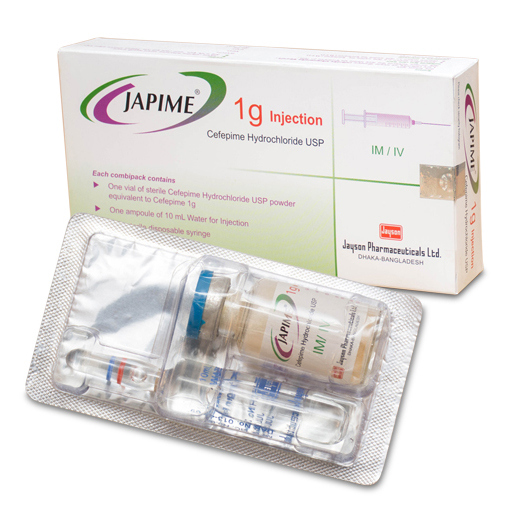
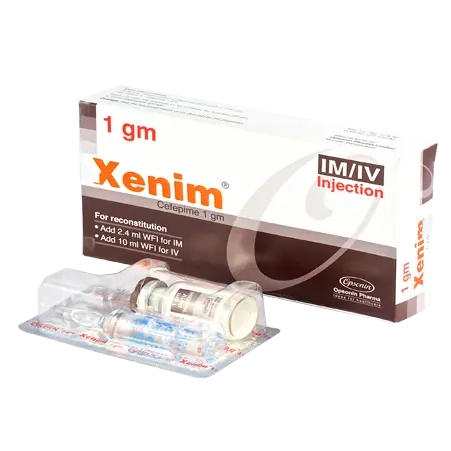
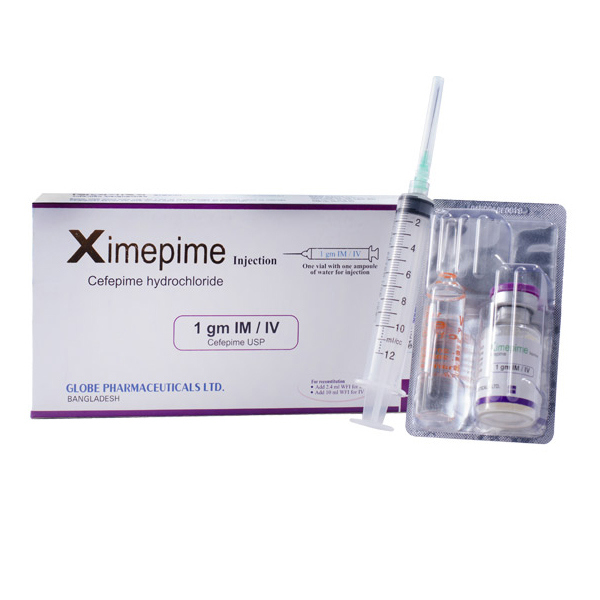
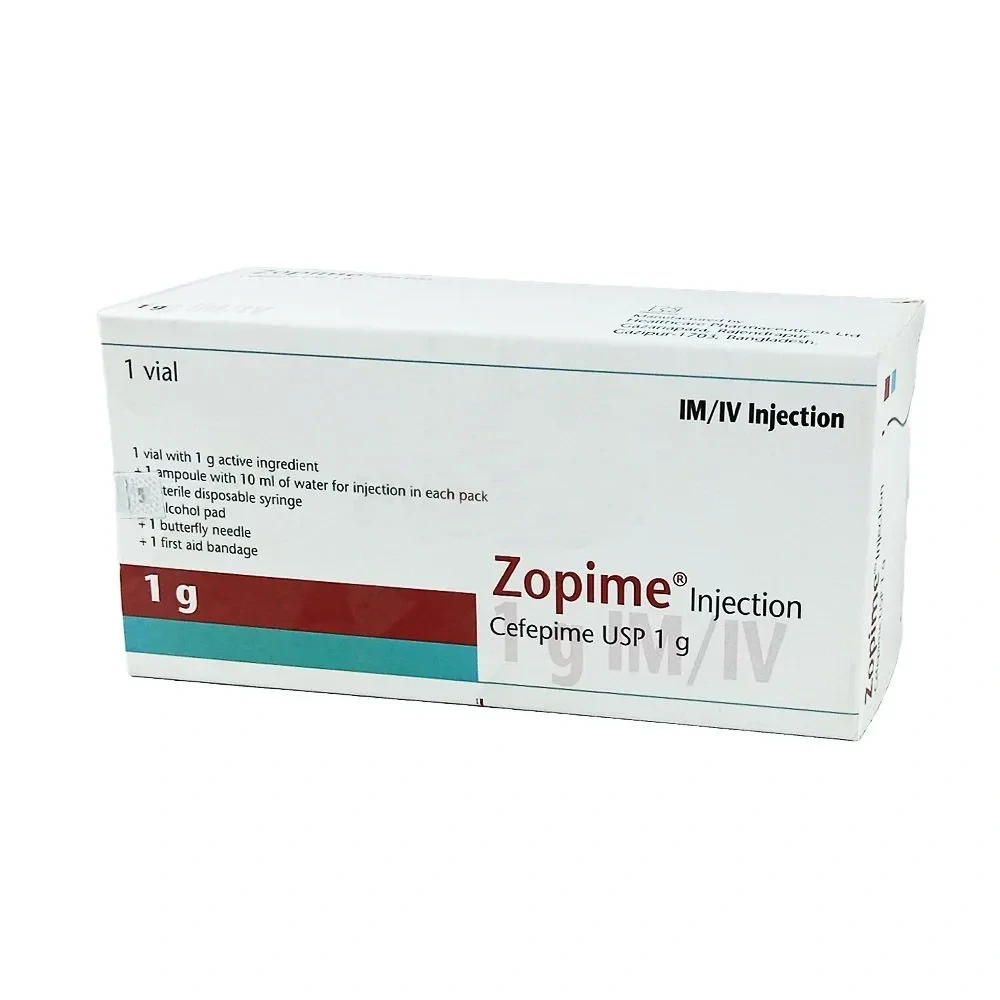
Japime IM/IV Injection 1 gm/vial is a fourth-generation cephalosporin antibiotic used to treat a wide variety of bacterial infections. It is effective against both Gram-positive and Gram-negative bacteria, including strains resistant to earlier generations of cephalosporins. Cefepime is primarily used in hospital settings for severe infections, such as pneumonia, febrile neutropenia, and urinary tract infections.

Uses

Cefepime is used to treat:

  • Pneumonia (including hospital-acquired pneumonia)
  • Complicated urinary tract infections (including pyelonephritis)
  • Febrile neutropenia
  • Skin and soft tissue infections
  • Complicated intra-abdominal infections (in combination with metronidazole)
  • Bacteremia
Its broad-spectrum activity makes it particularly useful for treating serious hospital-acquired infections.

Brand Name Japime
Type IM/IV Injection
Weight 1 gm/vial
Generic Cefepime Hydrochloride
Manufacturer Jayson Pharmaceuticals Ltd.
Available in English বাংলা

Mechanism of Action

Cefepime works by inhibiting bacterial cell wall synthesis. It binds to penicillin-binding proteins (PBPs) located inside the bacterial cell wall, disrupting the synthesis of peptidoglycan, an essential component of the bacterial cell wall. This leads to the weakening and eventual lysis of the bacterial cell, resulting in its death.

How Long Does It Take to Work?

Cefepime begins to work within hours of administration. Clinical improvement in symptoms, such as fever or pain reduction, may occur within 24 to 48 hours, depending on the severity of the infection. However, the full course of therapy is typically completed over 7 to 14 days, depending on the type and severity of the infection.

Absorption

Cefepime is administered intravenously (IV) or intramuscularly (IM), and it is well absorbed via these routes. After IV administration, it achieves peak plasma concentrations rapidly. Oral absorption is not possible due to its poor bioavailability via the gastrointestinal tract.

Route of Elimination

Cefepime is primarily eliminated by the kidneys through glomerular filtration and tubular secretion. Around 85% of the drug is excreted unchanged in the urine. Dosage adjustments are necessary in patients with impaired renal function.

Dosage

The dosage of Cefepime varies based on the type and severity of infection, as well as the patient's renal function:

  • For pneumonia: 1-2 g IV every 8-12 hours for 7-10 days.
  • For febrile neutropenia: 2 g IV every 8 hours for 7-10 days.
  • For urinary tract infections: 0.5-1 g IV/IM every 12 hours for 7-10 days.
  • For complicated intra-abdominal infections: 2 g IV every 8-12 hours, in combination with metronidazole, for 7-14 days.
Dosing may be adjusted in patients with renal impairment.

Administration

Cefepime is available for intravenous (IV) or intramuscular (IM) administration:

  • IV administration: It is typically diluted in appropriate IV fluids and infused over 30 minutes.
  • IM administration: Can be administered in the gluteal muscle or lateral thigh.
The route and frequency of administration depend on the type and severity of the infection.

Side Effects

Common side effects of Cefepime include:

  • Nausea and vomiting
  • Diarrhea
  • Rash
  • Headache
  • Injection site reactions (pain, swelling, or inflammation)
Serious side effects may include:
  • Allergic reactions, including anaphylaxis
  • Seizures (especially in patients with renal impairment)
  • Clostridium difficile-associated diarrhea (CDAD)

Toxicity

Cefepime toxicity primarily affects the central nervous system, leading to neurotoxicity, which may manifest as seizures, encephalopathy, or confusion. This is more likely in patients with renal impairment. Immediate medical attention is necessary if toxic symptoms occur.

Precautions

Precautions include:

  • Use with caution in patients with a history of seizures or central nervous system disorders.
  • Renal function should be monitored in patients with kidney disease, and dose adjustments should be made accordingly.
  • Patients with a history of allergy to cephalosporins or penicillin should avoid this drug, as cross-sensitivity may occur.

Interaction

Cefepime may interact with:

  • Aminoglycosides: Increased risk of nephrotoxicity.
  • Diuretics (e.g., furosemide): May increase the risk of nephrotoxicity.
  • Probenecid: Increases the concentration of Cefepime by inhibiting its renal excretion.

Disease Interaction

Cefepime should be used cautiously in patients with:

  • Renal impairment, as the drug is primarily excreted by the kidneys.
  • Seizure disorders, as high concentrations of the drug may increase the risk of seizures.

Drug Interaction

Concurrent use with nephrotoxic drugs (e.g., aminoglycosides, loop diuretics) may increase the risk of renal toxicity. Concomitant administration with anticoagulants may increase the risk of bleeding.

Food Interactions

There are no significant food interactions with Cefepime, as it is administered parenterally. Patients can eat normally while on this medication unless otherwise advised by their healthcare provider.

Pregnancy Use

Cefepime is classified as a pregnancy category B drug, meaning that animal studies have not demonstrated any risk to the fetus, but there are no well-controlled studies in pregnant women. It should be used during pregnancy only if clearly needed.

Lactation Use

Cefepime is excreted in breast milk in low concentrations. While it is generally considered safe during breastfeeding, caution is advised, and infants should be monitored for potential side effects such as diarrhea or allergic reactions.

Acute Overdose

Symptoms of Cefepime overdose may include neurotoxic effects, such as confusion, seizures, and encephalopathy, particularly in patients with renal impairment. Treatment of overdose involves supportive care and symptomatic treatment. Hemodialysis may help remove the drug in patients with renal impairment.

Contraindication

Cefepime is contraindicated in patients with:

  • Known hypersensitivity to cephalosporins or any component of the formulation.
  • A history of anaphylactic reaction to penicillins or other beta-lactam antibiotics.

Use Direction

Cefepime should be administered as prescribed by a healthcare professional. It is important to complete the full course of therapy, even if symptoms improve before the course is finished. Missed doses should be taken as soon as possible unless it is close to the next scheduled dose.

Storage Conditions

Cefepime should be stored at room temperature between 20°C and 25°C (68°F to 77°F). Reconstituted solutions should be used promptly or stored under recommended conditions (e.g., in the refrigerator for up to 24 hours).

Volume of Distribution

Cefepime has a moderate volume of distribution (around 18-22 L), allowing it to penetrate well into body tissues, including the lungs, liver, kidneys, and cerebrospinal fluid (in the presence of inflammation).

Half Life

The elimination half-life of Cefepime is approximately 2 hours in healthy individuals. This may be prolonged in patients with renal impairment.

Clearance

Cefepime is primarily cleared through renal excretion, with 85% excreted unchanged in the urine. The clearance rate is reduced in patients with renal dysfunction, requiring dosage adjustment.

See in details version Japime IM/IV Injection 1 gm/vial also Japime IM/IV Injection 1 gm/vial in bangla

Social card

Uses

Some Frequently Asked Questions About Japime IM/IV Injection 1 gm/vial

*** Taking medicines without doctor's advice can cause long-term problems.
Prof. Dr. Md. Shahinul Alam

Prof. Dr. Md. Shahinul Alam

Liver Diseases, Medicine & Therapeutic Endoscopy Specialist

Call Doctor
Dr. Alamgir Md. Shoab

Dr. Alamgir Md. Shoab

Ear, Nose, Throat Specialist & Head Neck Surgeon

Call Doctor
Related Medicines