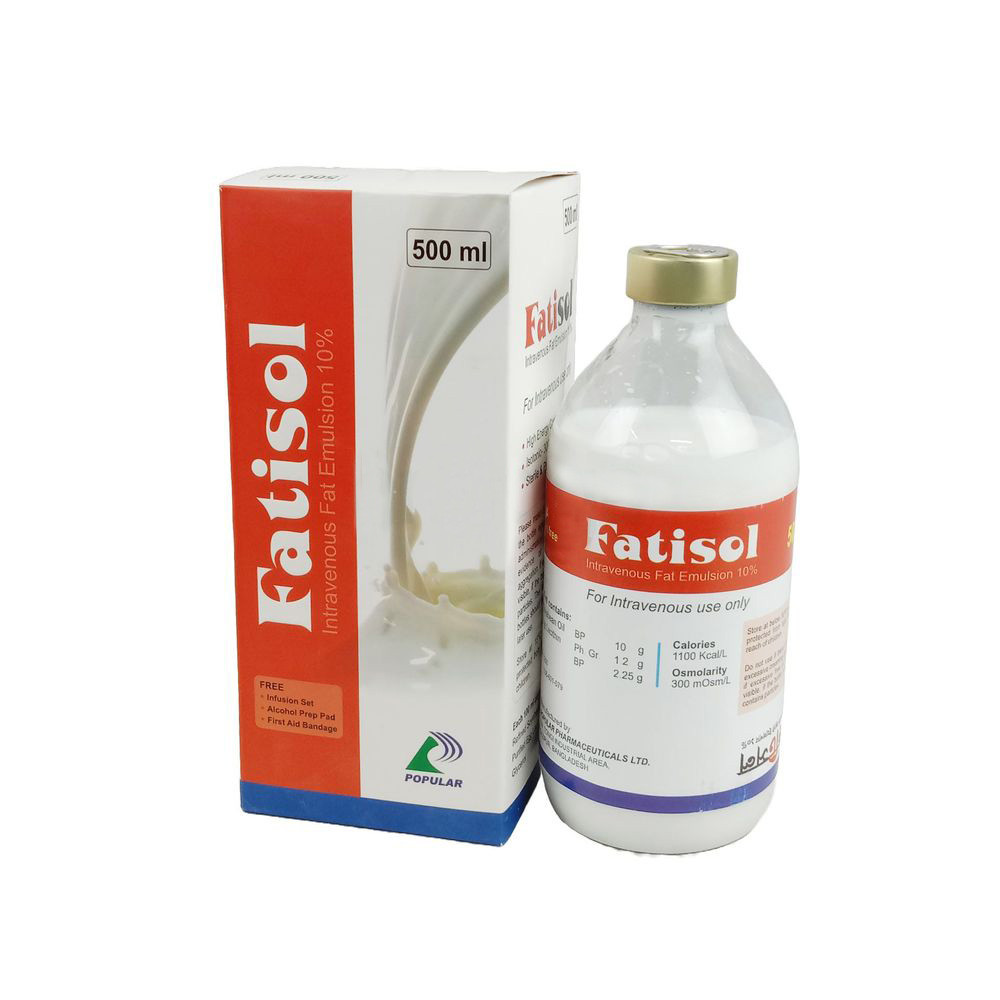
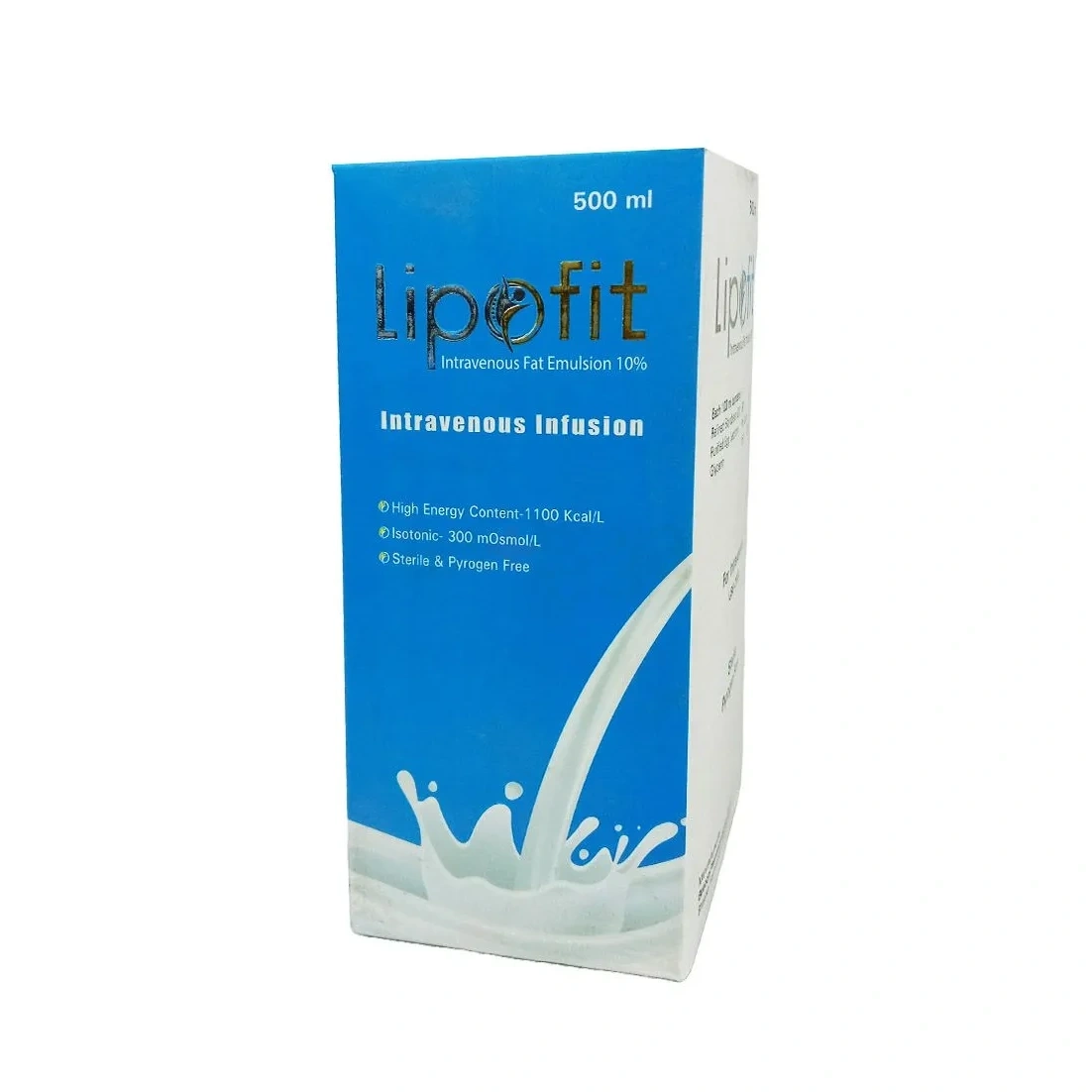
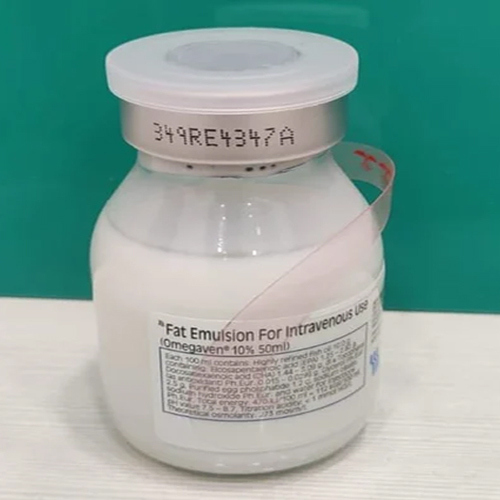
Intralipid IV Infusion 10%
Intravenous fat emulsion (IVFE) is a medical drug used for treating various medical conditions, most commonly nutritional deficiencies which are caused by a lack of essential fats in one’s diet. It is usually administered through an intravenous drip. It contains a mix of essential fatty acids and is often used as a therapy for patients who have problems absorbing and processing normal dietary fats.
Uses For
Intravenous fat emulsion is used for treating a range of medical conditions, including:
- Kwashiorkor
- Malnutrition
- Fatty Acids Deficiency
- Liver Disease
- Failure to Thrive
Mechanism of Action
Intravenous fat emulsion works by introducing essential fatty acids into the patient, which are then utilised by the body for various metabolic processes. Intravenous fat emulsion also helps to restore the body’s normal metabolic rate and improve nutrient absorption in the intestine.
How Long Does it Take to Work?
The effects of intravenous fat emulsion usually occur within minutes of administering the drug. However, the intensity of its effects and the time it takes to begin showing positive results depend on the underlying condition and the severity of the deficiency.
Absorption
The absorption of intravenous fat emulsion is limited due to its relatively low water solubility. The fatty acids in the emulsion are not soluble in water, so they are absorbed only slowly through the mucosal membranes in the intestine. This can lead to a slow onset of action and may result in a decrease in efficacy.
Route of Elimination
Most of the intravenous fat emulsion is eliminated in the feces, with only a small amount being excreted through urine and sweat.
Dosage
The dosage of intravenous fat emulsion varies depending on the underlying condition and the severity of the deficiency. The typical adult dosage is about 5 mL/kg/min. Children may require less or more depending on their age and condition. It is important to note that the dosage should be determined only after discussing it with a qualified healthcare professional.
Administration
Intravenous fat emulsion is usually administered through an intravenous drip at a slow rate over a period of several hours. It is important to ensure that the intravenous site is suitable for the administration of the drug and that the patient is properly monitored during and after the administration.
Side Effects
Common side effects of intravenous fat emulsion include nausea, abdominal pain, fever, headache, chills, hypotension, and rash. In rare cases, more serious side effects such as seizures, anaphylaxis, and allergic reactions may occur. It is important to contact a healthcare professional immediately if any of these symptoms occur.
Toxicity
Long-term use of intravenous fat emulsion can lead to a risk of fat overload, which can lead to toxicity. It is important to closely monitor patients who have been on long-term use of the drug and to discontinue the therapy if signs of toxicity are observed.
Precautions
Patients taking intravenous fat emulsion should be carefully monitored for any adverse reactions or signs of toxicity. It is important to inform the healthcare professional of any history of allergies or other medical conditions before starting the treatment. Patients should also inform their healthcare provider if they have recently undergone any surgery or if they are pregnant or breastfeeding.
Interactions
Intravenous fat emulsion may interact with certain drugs, including anticoagulants, diuretics, antiarrhythmic medications, and barbiturates. It is important to inform the healthcare provider of all medications being taken prior to starting the treatment.
Disease Interactions
Intravenous fat emulsion should be used with caution in patients with diabetes, liver or renal disease, or any other chronic illness. Patients with these conditions should be monitored closely for any adverse reactions or signs of toxicity.
Drug Interactions
Intravenous fat emulsion may interact with certain drugs, including anticoagulants, diuretics, antiarrhythmic medications, and barbiturates. It is important to inform the healthcare provider of all medications being taken prior to starting the treatment.
Food Interactions
Intravenous fat emulsion should be taken with food to reduce the risk of gastrointestinal side effects. High-fat and sugary foods should be avoided while taking this medication.
Pregnancy Use
Intravenous fat emulsion should be used during pregnancy only if absolutely necessary. It is important to inform the healthcare provider if the patient is pregnant or planning to become pregnant.
Lactation Use
It is not known whether intravenous fat emulsion is safe for use during lactation. Therefore, it is recommended to avoid using the drug while breastfeeding.
Acute Overdose
Acute overdose of intravenous fat emulsion may lead to serious adverse reactions such as hypotension, cardiac arrest, and anaphylaxis. It is important to seek immediate medical attention if an overdose is suspected.
Contraindication
Intravenous fat emulsion is contraindicated in patients with dysphagia, intestinal obstruction, liver impairment, or any other condition which increases the risk of fat overload.
Use Direction
Intravenous fat emulsion should be administered as directed by a qualified healthcare professional. It is important to follow the instructions closely and to seek medical advice if any questions arise.
Storage Condition
Intravenous fat emulsion should be stored at room temperature in a closed container protected from light and moisture.
Volume of Distribution
The volume of distribution of intravenous fat emulsion is not known.
Half Life
The half-life of intravenous fat emulsion is not known.
Clearance
The clearance of intravenous fat emulsion is not known.