Introduction
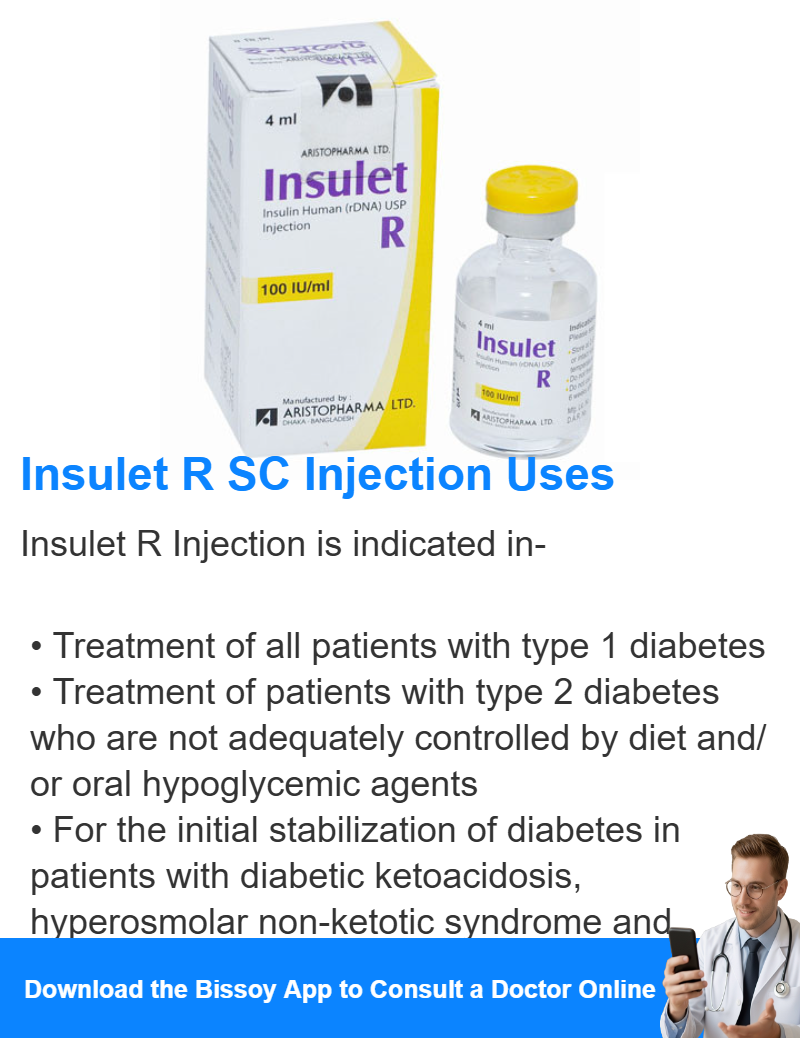
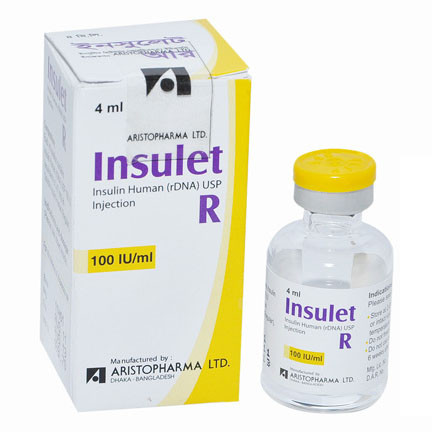
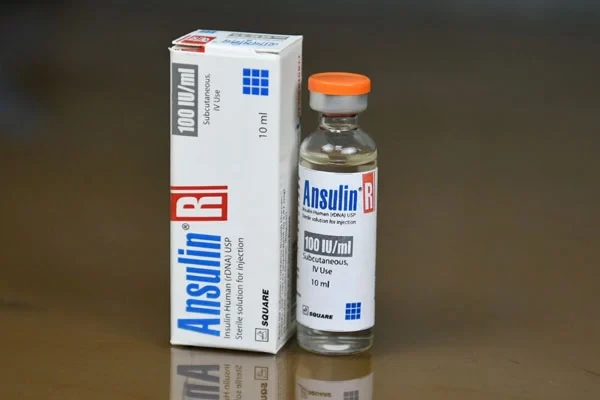
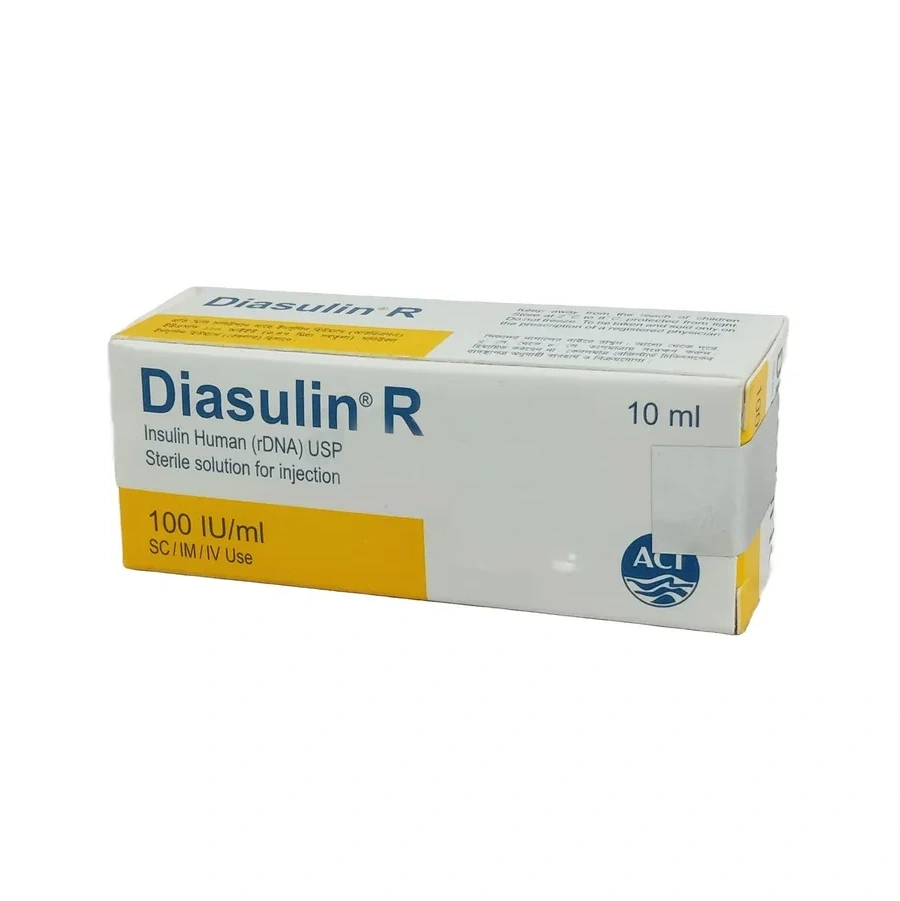
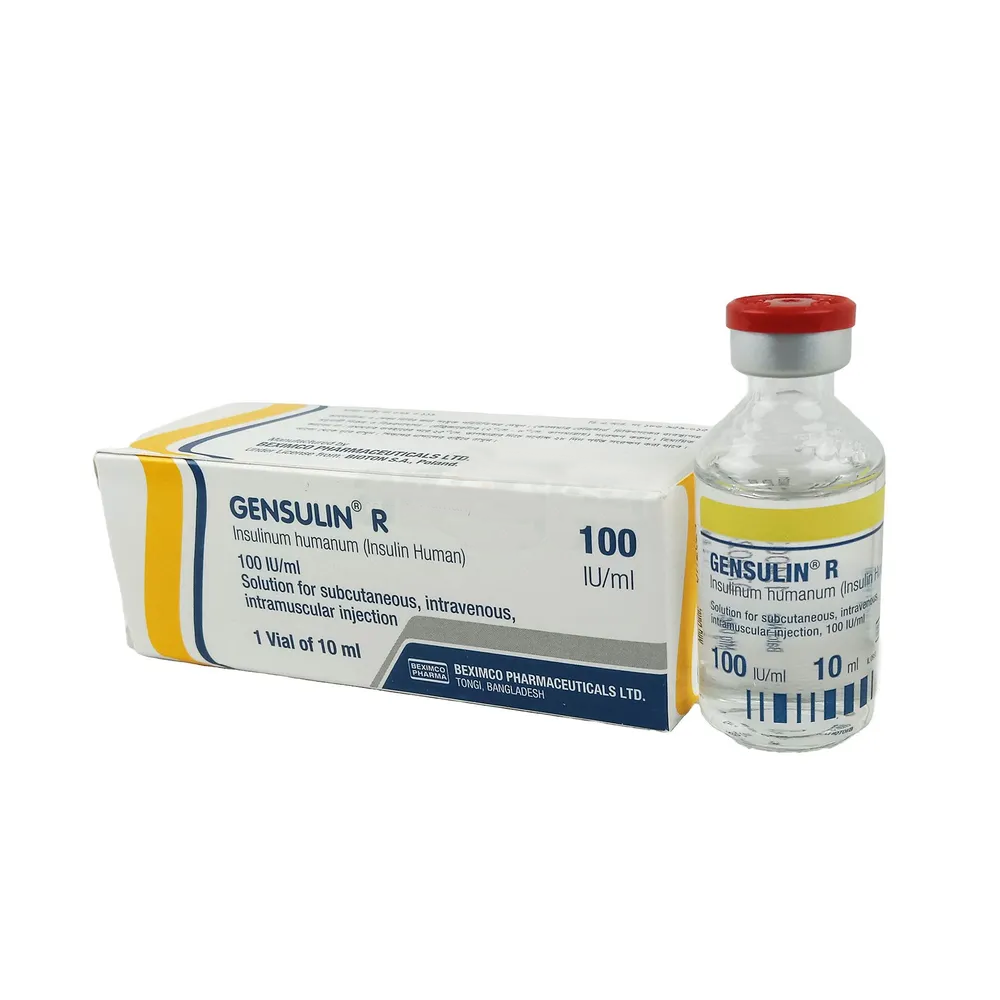
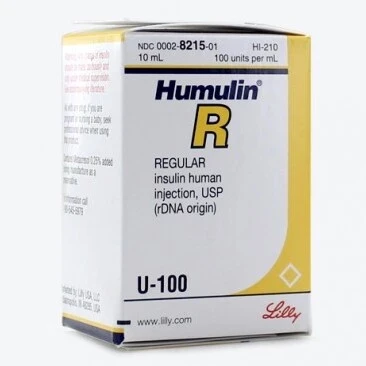
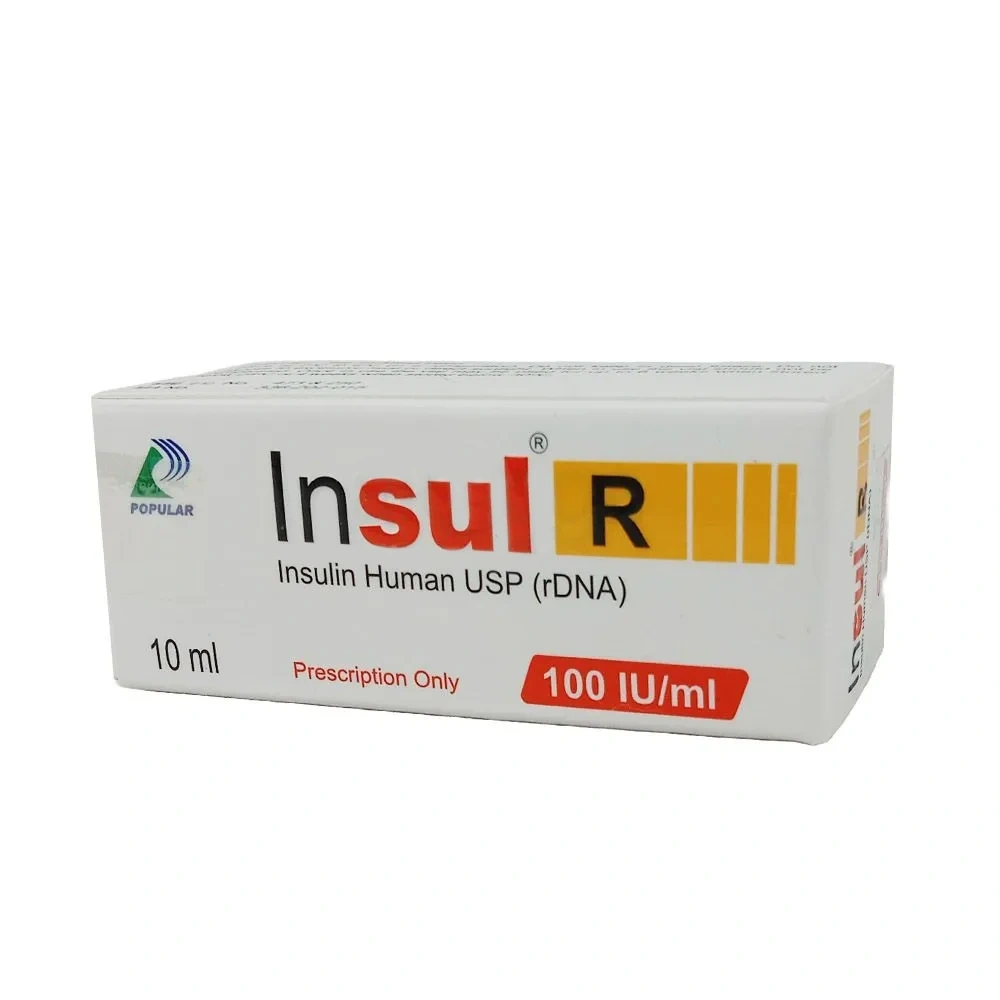
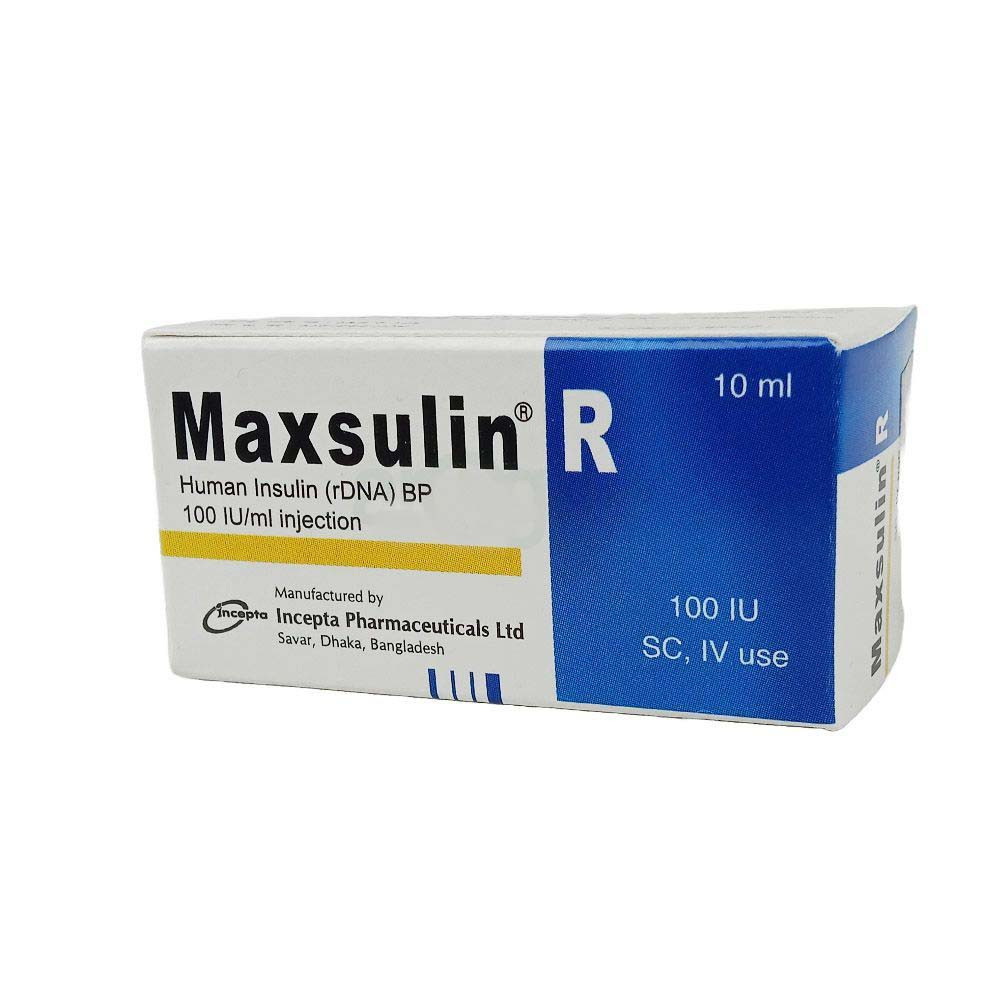
Human insulin (regular insulin) is a short-acting insulin produced by recombinant DNA technology and is structurally identical to naturally occurring human insulin. It is used to improve blood glucose control in people with type 1 and type 2 diabetes mellitus. Regular insulin is typically administered before meals to control postprandial blood glucose levels, while NPH insulin is an intermediate-acting formulation that provides basal insulin coverage.
Human insulin lowers blood glucose by promoting glucose uptake into muscle and fat cells, suppressing hepatic glucose production, and inhibiting fat and protein breakdown. It is commonly used in combination with long-acting basal insulin or other antidiabetic medications to achieve optimal glycemic control and reduce the risk of diabetes-related complications.
Uses
Insulin human is a recombinant form of human insulin used to control hyperglycemia in diabetes mellitus.
Human insulin is indicated to improve glycemic control in adults and pediatric patients with diabetes mellitus.
Associated Conditions
Pharmacodynamics
Insulin is a natural hormone produced by beta cells of the pancreas. In non-diabetic individuals, a basal level of insulin is supplemented with insulin spikes following meals. Postprandial insulin spikes are responsible for the metabolic changes that occur as the body transitions from a postabsorptive to absorptive state. Insulin promotes cellular uptake of glucose, particularly in muscle and adipose tissues, promotes energy storage via glycogenesis, opposes catabolism of energy stores, increases DNA replication and protein synthesis by stimulating amino acid uptake by liver, muscle and adipose tissue, and modifies the activity of numerous enzymes involved in glycogen synthesis and glycolysis. Insulin also promotes growth and is required for the actions of growth hormone (e.g. protein synthesis, cell division, DNA synthesis).
Mechanism of Action
The primary activity of insulin is the regulation of glucose metabolism. Insulin promotes glucose and amino acid uptake into muscle and adipose tissues, and other tissues except brain and liver. It also has an anabolic role in stimulating glycogen, fatty acid, and protein synthesis. Insulin inhibits gluconeogenesis in the liver. Insulin binds to the insulin receptor (IR), a heterotetrameric protein consisting of two extracellular alpha units and two transmembrane beta units. The binding of insulin to the alpha subunit of IR stimulates the tyrosine kinase activity intrinsic to the beta subunit of the receptor. The bound receptor is able to autophosphorylate and phosphorylate numerous intracellular substrates such as insulin receptor substrates (IRS) proteins, Cbl, APS, Shc and Gab 1. These activated proteins, in turn, lead to the activation of downstream signaling molecules including PI3 kinase and Akt. Akt regulates the activity of glucose transporter 4 (GLUT4) and protein kinase C (PKC) which play a critical role in metabolism and catabolism.
Absorption
When injected subcutaneously, the glucose-lowering effect of human insulin begins approximately 30 minutes post-dose. After a single subcutaneous administration of 0.1 unit/kg of human insulin to healthy subjects, peak insulin concentrations occurred between 1.5 to 2.5 hours post-dose.
When administered in an inhaled form (as the product Afrezza), the time to maximum serum insulin concentration ranges from 10-20 minutes after oral inhalation of 4 to 48 units of human insulin. Serum insulin concentrations declined to baseline by approximately 60-240 minutes for these dose levels. Intrapatient variability in insulin exposure measured by AUC and Cmax is approximately 16% (95% CI 12-23%) and 21% (95% CI 16-30%), respectively.
Route of Elimination
Following oral inhalation of human insulin, a mean of 39% of the inhaled dose of carrier particles was distributed to the lungs and a mean of 7% of the dose was swallowed. The swallowed fraction was not absorbed from the GI tract and was eliminated unchanged in the feces.
Half Life
Systemic insulin disposition (apparent terminal half-life) following oral inhalation of 4 to 48 units of human insulin was 120-206 minutes.
Food Interactions
- Avoid alcohol. Alcohol may impair blood glucose control.