Introduction
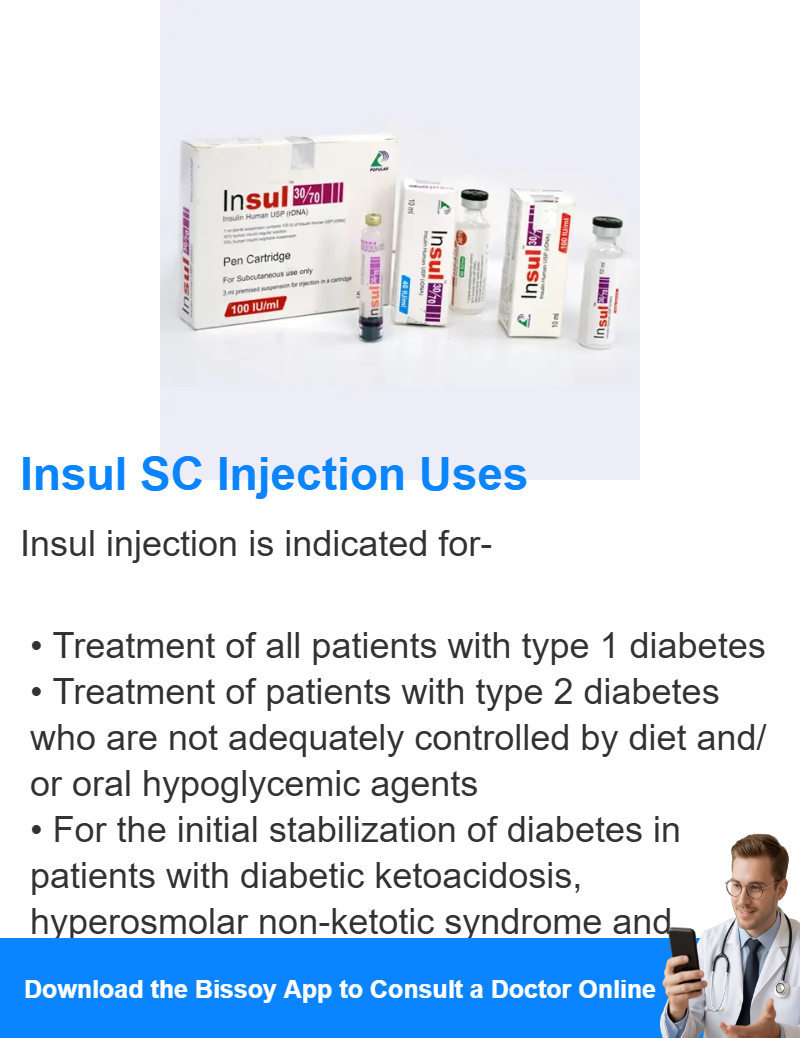
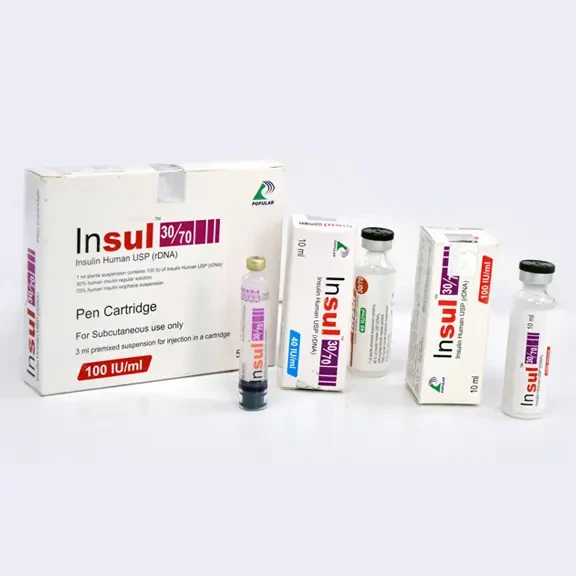
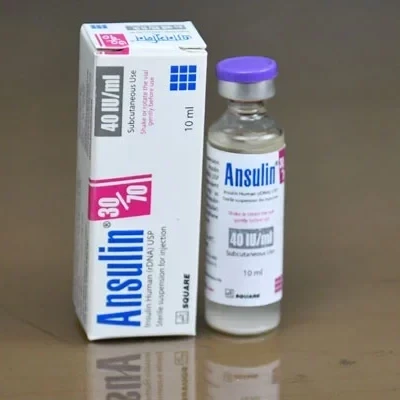
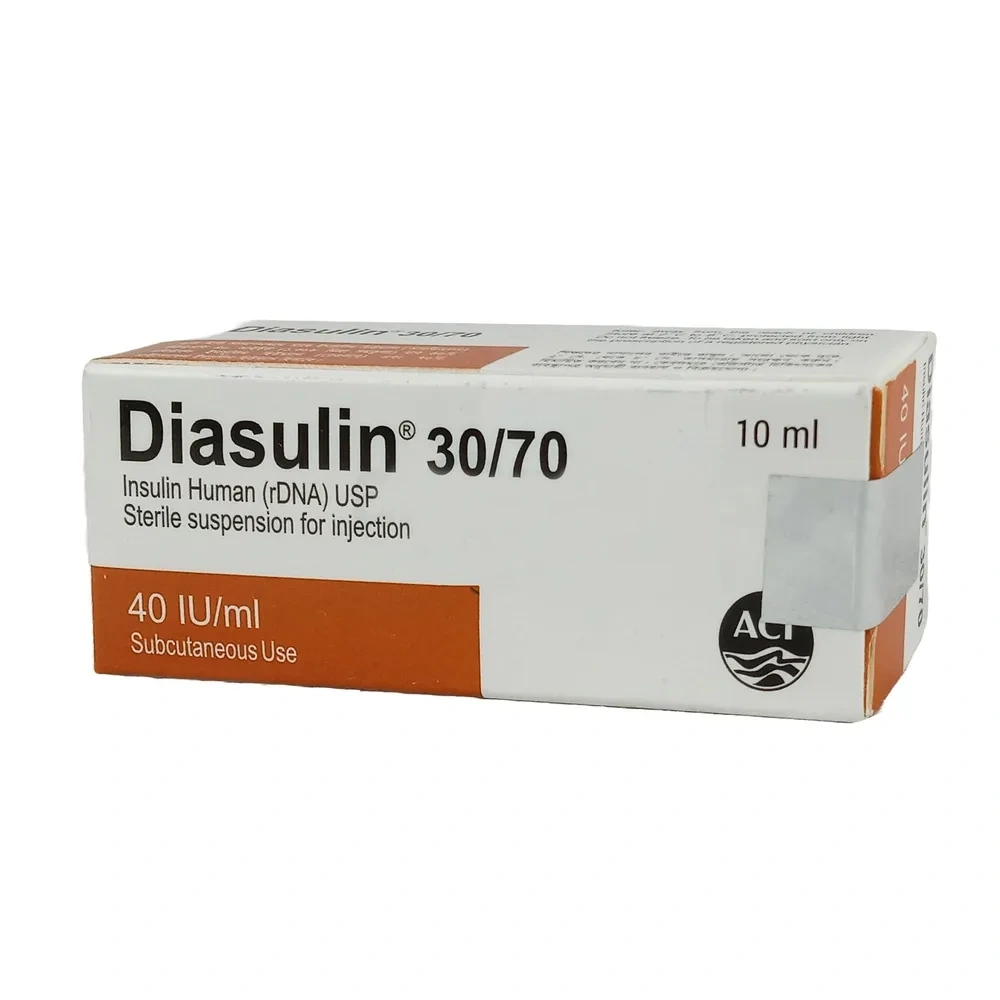
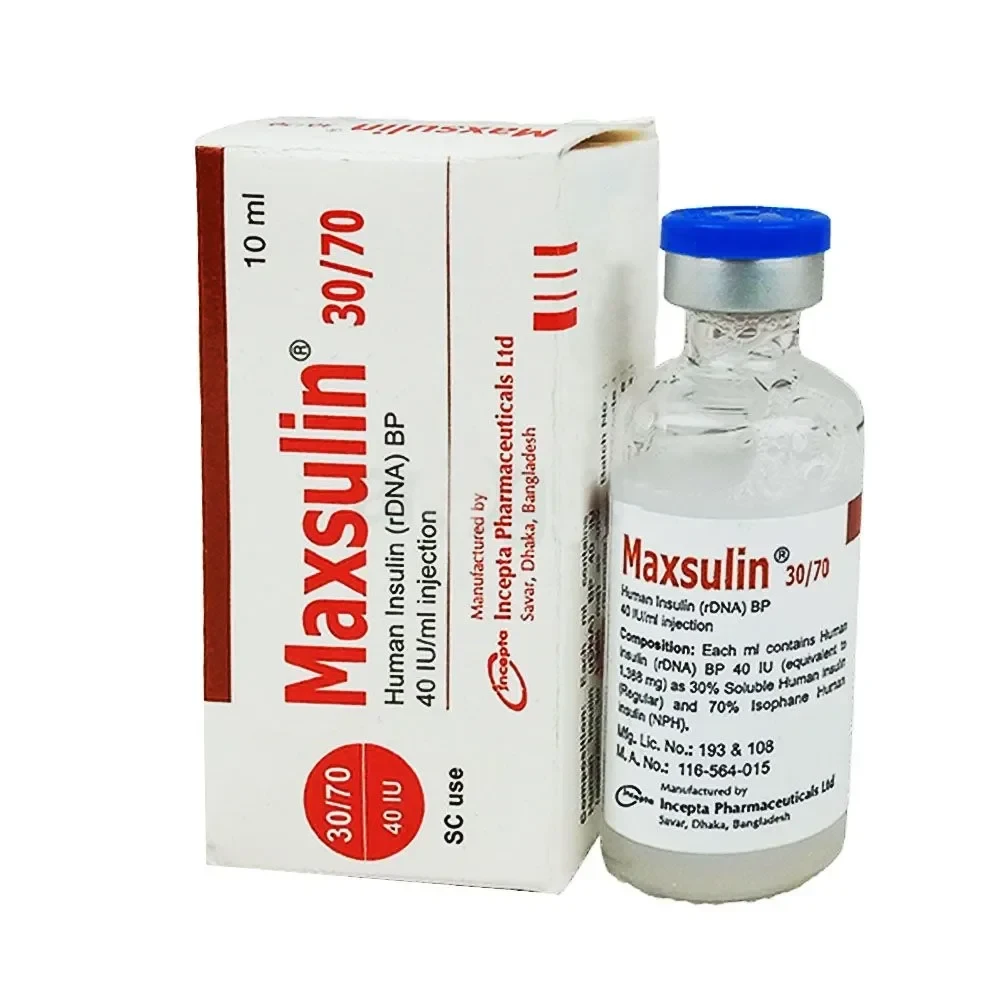
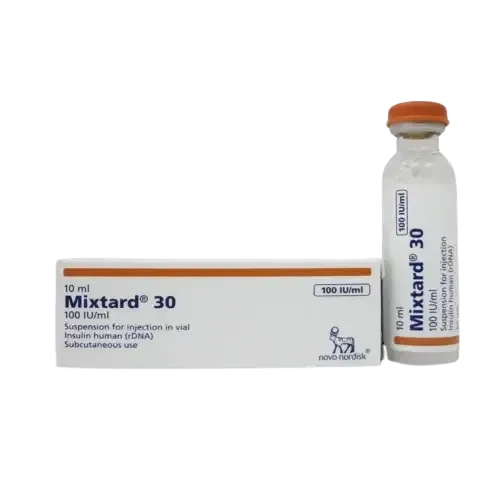
Insulin Human [rDNA] and Isophane Insulin Human are commonly used in combination to control blood glucose levels in patients with diabetes mellitus. Insulin Human [rDNA] is a short-acting insulin that helps lower blood glucose levels quickly, while Isophane Insulin Human is an intermediate-acting insulin that provides a prolonged effect. Together, they help maintain stable blood sugar levels throughout the day, making them ideal for both mealtime and basal glucose control.
Uses
The combination of Insulin Human [rDNA] and Isophane Insulin Human is used for:
- Treatment of type 1 diabetes mellitus
- Treatment of type 2 diabetes mellitus in patients requiring insulin therapy
- Management of hyperglycemia during periods of stress (e.g., surgery or infections)
Mechanism of Action
Insulin Human [rDNA] lowers blood glucose by facilitating cellular uptake of glucose, primarily in muscle and adipose tissues, and inhibiting hepatic glucose production. Isophane Insulin Human is a crystalline suspension of insulin with protamine, which delays its absorption, allowing for prolonged action. This combination provides a rapid onset of glucose control with sustained action to maintain basal insulin levels between meals and overnight.
How Long Does It Take to Work?
The onset of action for Insulin Human [rDNA] occurs within 30 minutes, while the peak effect is observed at 1-3 hours post-injection. Isophane Insulin Human has an onset of action within 1-2 hours, and its peak effect occurs at 4-12 hours, with a duration of action lasting up to 24 hours.
Absorption
Both Insulin Human [rDNA] and Isophane Insulin Human are administered subcutaneously. Absorption rates can vary depending on the injection site (abdomen, thigh, or arm), and factors like temperature, exercise, and dose. The absorption of Isophane Insulin is slower due to its crystalline form, providing a longer duration of action.
Route of Elimination
Insulin is primarily metabolized in the liver and kidneys. Both Insulin Human [rDNA] and Isophane Insulin Human are degraded by insulin-degrading enzymes, and the inactive metabolites are excreted by the kidneys. A smaller proportion of insulin is metabolized in muscle and adipose tissue.
Dosage
Dosage is individualized based on the patient's needs, blood glucose levels, and response to therapy. Typical doses range from:
- 0.5-1.0 units/kg/day for type 1 diabetes patients
- 0.1-2.5 units/kg/day for type 2 diabetes patients, depending on insulin sensitivity and disease progression
The dose of Insulin Human [rDNA] is usually adjusted to cover mealtime glucose spikes, while Isophane Insulin Human is used to provide basal insulin coverage.
Administration
This combination is administered via subcutaneous injection. The injection sites should be rotated regularly to prevent lipodystrophy. The short-acting insulin (Insulin Human [rDNA]) is typically given before meals, while the intermediate-acting insulin (Isophane Insulin Human) is usually given once or twice daily to provide baseline glucose control.
Side Effects
Common side effects include:
- Hypoglycemia (low blood sugar)
- Weight gain
- Injection site reactions (e.g., redness, swelling, or itching)
- Lipodystrophy (thickening or thinning of subcutaneous fat at the injection site)
Serious side effects include severe hypoglycemia, allergic reactions, and insulin resistance.
Toxicity
Overdose of insulin can lead to severe hypoglycemia, resulting in symptoms such as dizziness, confusion, unconsciousness, seizures, and even death if left untreated. Immediate treatment with glucose or glucagon is necessary to reverse the effects of insulin toxicity.
Precautions
Precautions should be taken for patients with:
- Renal or hepatic impairment (may require dose adjustments)
- Hypoglycemia unawareness (reduced ability to recognize hypoglycemia symptoms)
- Elderly patients, who may be at higher risk of hypoglycemia
- Patients with cardiovascular diseases, as hypoglycemia may precipitate arrhythmias or ischemic events
Interaction
Insulin interacts with several medications, including:
- Beta-blockers: May mask the symptoms of hypoglycemia
- Thiazolidinediones: May increase the risk of heart failure when combined with insulin
- ACE inhibitors and ARBs: May enhance the glucose-lowering effect of insulin
- Glucocorticoids and sympathomimetic agents: May reduce insulin efficacy
Disease Interaction
Patients with the following conditions should use insulin cautiously:
- Renal impairment
- Liver impairment
- Cardiovascular diseases (especially in patients prone to hypoglycemia)
Drug Interaction
Drug interactions include:
- Oral antidiabetics: May enhance or diminish the hypoglycemic effects of insulin
- Thiazide diuretics: May increase blood glucose levels
- Alcohol: May potentiate hypoglycemic effects of insulin
Food Interactions
Carbohydrate intake is crucial for insulin therapy, and patients should monitor their dietary carbohydrate intake to prevent hypoglycemia. Alcohol consumption can also increase the risk of hypoglycemia, especially when insulin is administered.
Pregnancy Use
Insulin Human [rDNA] and Isophane Insulin Human can be used during pregnancy to manage gestational diabetes or preexisting diabetes, as insulin does not cross the placenta. Dose adjustments may be necessary due to physiological changes during pregnancy.
Lactation Use
Insulin can be used safely during breastfeeding, as it does not pass into breast milk in significant amounts. Lactating women may require dose adjustments due to changes in insulin sensitivity.
Acute Overdose
Acute overdose of insulin leads to hypoglycemia, characterized by symptoms such as sweating, shaking, confusion, dizziness, and loss of consciousness. Severe cases may result in seizures or coma. Immediate treatment with glucose or glucagon is necessary in cases of insulin overdose.
Contraindication
Contraindications for this combination include:
- Hypersensitivity to insulin or any of its excipients
- Episodes of hypoglycemia (patients should adjust the dose based on glucose monitoring)
Use Direction
Insulin should be administered according to the prescribed dosage and timing, with adjustments made based on blood glucose monitoring. Patients should be educated on proper injection techniques and how to recognize and manage hypoglycemia.
Storage Conditions
Insulin should be stored in a refrigerator at 2°C to 8°C (36°F to 46°F) but should not be frozen. Once in use, the insulin vial or pen can be kept at room temperature (below 25°C or 77°F) and used within 28 days.
Volume of Distribution
The volume of distribution of insulin is relatively small, as it primarily acts in the extracellular fluid and at receptor sites on target tissues. It does not distribute widely into fat or other tissues.
Half-Life
The half-life of Insulin Human [rDNA] is short, typically around 5-10 minutes in circulation, while Isophane Insulin has a longer half-life due to its delayed absorption. The prolonged action of Isophane Insulin lasts up to 24 hours.
Clearance
Insulin is primarily cleared by the liver and kidneys. In patients with renal impairment, insulin clearance may be reduced, leading to an increased risk of hypoglycemia. Dose adjustments may be necessary for such patients.