Introduction
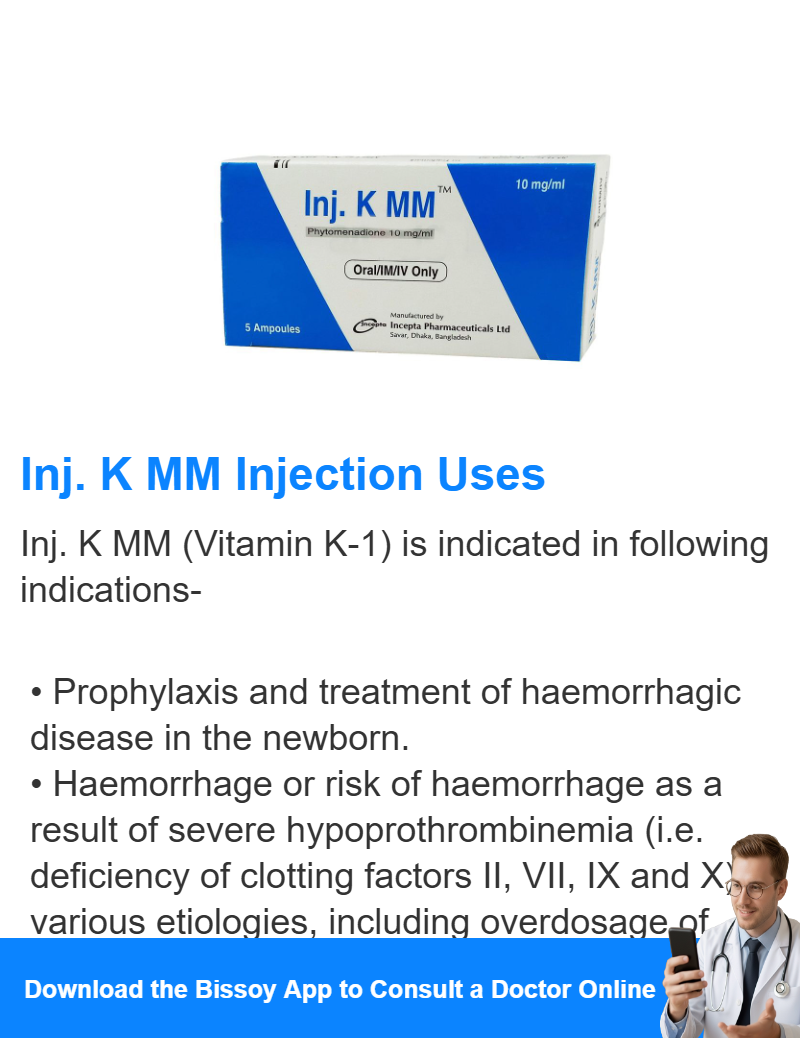
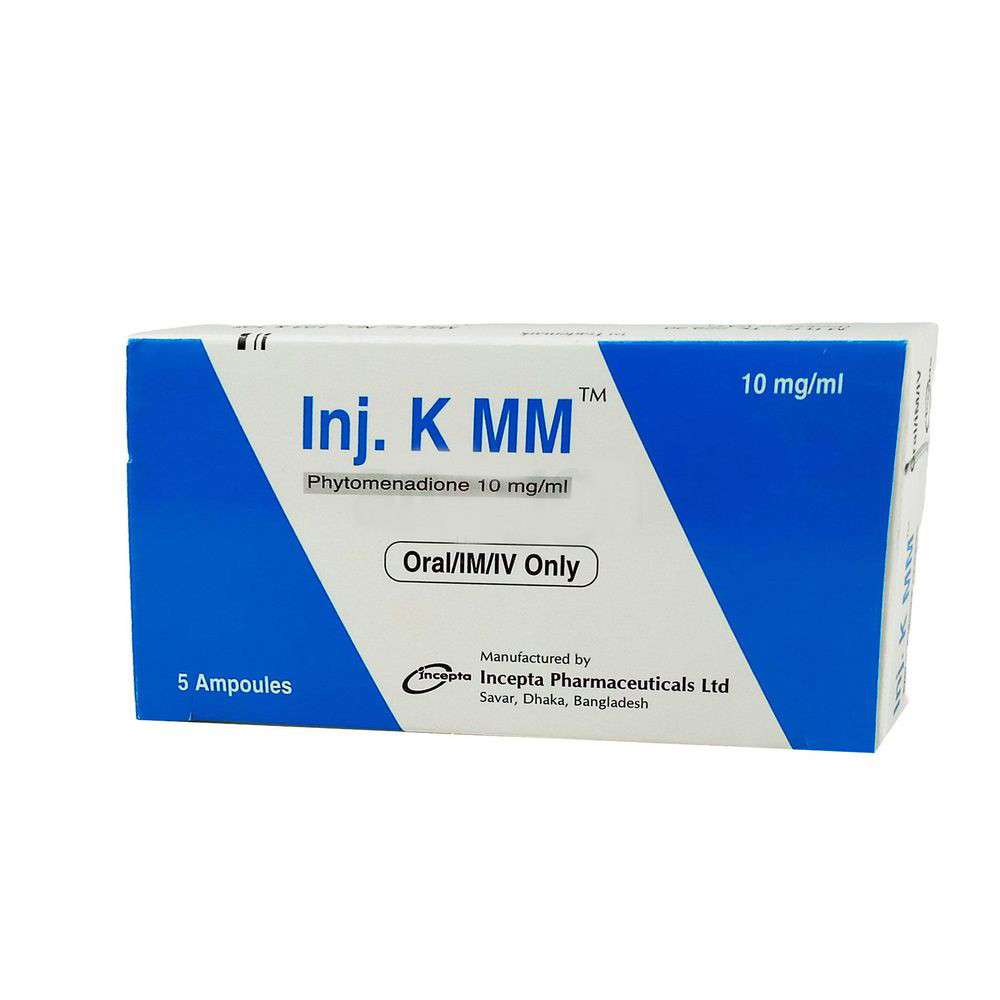
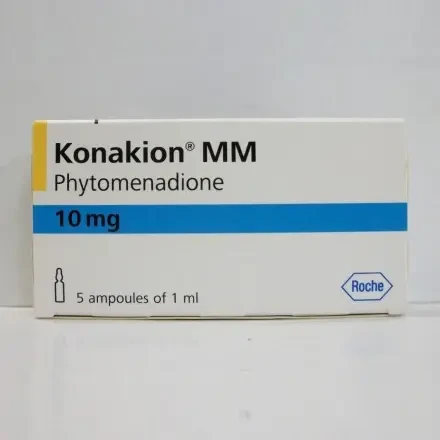
Vitamin K1, also called phylloquinone or phytonadione, is a fat soluble vitamin. Phylloquinone is a cofactor of the enzyme γ-carboxylase, which modifies and activates precursors to coagulation factors II, VII, IX, and X. It is indicated in the treatment of coagulation disorders due to faulty formation of coagulation factors II, VII, IX, and X caused by deficiency or interference in the activity of vitamin K.
Uses
Vitamin K1 is a fat soluble vitamin used to treat hemorrhagic conditions in infants and coumarin overdoses.
Oral phylloquinone is indicated to treat prothrombin deficiency caused by coumarin or indanedione derivatives; and hypoprothrombinemia secondary to antibacterial therapy, salicylates, or obstructive jaundice or biliary fistulas with concomitant bile salt administration.
Parenteral (intravenous, intramuscular, and subcutaneous) phylloquinone is indicated to treat coagulation disorders due to faulty formation of coagulation factors II, VII, IX, and X caused by vitamin K deficiency or some interference with vitamin K activity. These indications include the above indications as well as hypoprothrombinemia secondary to sprue, ulcerative colitis, celiac disease, intestinal resection, pancreatic cystic fibrosis, or regional enteritis; or hypoprothrombinemia caused by interference with vitamin k metabolism.
Associated Conditions
Pharmacodynamics
Phylloquinone is a vitamin K indicated in the treatment of coagulation disorders due to faulty formation of coagulation factors II, VII, IX, and X caused by deficiency or interference in the activity of vitamin K. It has a long duration of action as vitamin K is cycled in the body, and a wide therapeutic index as large doses can be tolerated. Patients should have their prothrombin time monitored during therapy and healthcare professionals should be aware of the increased risk of hypersensitivity reactions with parenteral administration.
Mechanism of Action
Vitamin K is a cofactor of gamma-carboxylase. Gamma carboxylase attaches carboxylic acid functional groups to glutamate, allowing precursors of factors II, VII, IX, and X to bind calcium ions. Binding of calcium ions converts these clotting factors to their active form, which are then secreted from hepatocytes into the blood, restoring normal clotting function.
Vitamin K may also carboxylate matrix proteins in chondrocytes, inhibiting calcification of joints, and may increase type II collagen. The role of vitamin K in osteroarthritis, bone density, and vascular calcification is currently under investigation.
Absorption
A 4 µg oral dose of phylloquinone is 13% ± 9% bioavailable, with a Tmax of 4.7 ± 0.8 hours. 1.5 ± 0.8 nmol is found in the plasma compartment, and 3.6 ± 3.4 nmol is found in the second compartment.
A 10 mg intramuscular phylloquinone dose is 89.2% ± 25.4% bioavailable. The same dose reaches a mean Cmax of 67 ± 30 ng/mL, with a mean Tmax of 9.2 ± 6.6 hours, and an AUC of 1700 ± 500 h*ng/mL.
A 10 mg intravenous phylloquinone dose has a mean AUC of 1950 ± 450 h*ng/mL.
Volume of Distribution
The steady state volume of distribution of phylloquinone is 20 ± 6 L in subjects who are also taking phenprocoumon therapy.
Route of Elimination
Intravenous phylloquinone is 36% eliminated in the feces in 5 days and 22% recovered in urine in 3 days.
Half Life
Intravenous phylloquinone has an initial half life of 22 minutes, followed by a half life of 125 minutes.
Clearance
Intravenous phylloquinone is 90% cleared in 2 hours, and 99% cleared in 8 hours. A 10 mg intravenous dose of phylloquinone has a mean clearance of 91 ± 24 mL/min.
Toxicity
High doses of vitamin K1 are not associated with toxicity. Intravenous administration has been associated with an increased risk of toxicity. These patients should be treated with symptomatic and supportive measures.
The intravenous LD50 in mice is 1170 mg/kg and the oral LD50 is >24180 mg/kg.
Food Interactions
No interactions found.