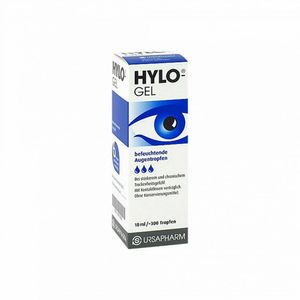
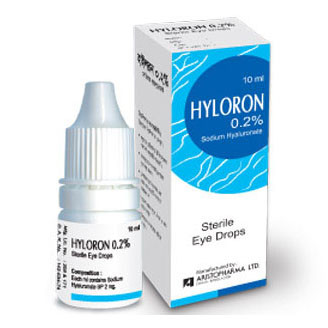
HYLO-GEL Ophthalmic Gel
(ZAS Corporation)
is a brand medicine
containing the generic
Sodium Hyaluronate
.
Current listed price in Bangladesh: 10 ml drop: ৳ 1,070.00.
Medical information for HYLO-GEL Ophthalmic Gel 0.2%
Uses, dosage, side effects, and safety details below apply to
HYLO-GEL Ophthalmic Gel 0.2%
(generic:
Sodium Hyaluronate).
This is general information — consult a doctor before use.
Introduction
Sodium hyaluronate is a naturally occurring polymer found in the body. It is also known by other names such as hyaluronic acid sodium salt, hyaluronan, hyaluronic acid, hyaluronic salts, and HA. Sodium hyaluronate is a form of hyaluronic acid, which is also known as a lubricant for the joints. It is widely used in cosmetics, pharmaceuticals, and medical treatments such as joint replacement and tissue repair.
Uses for
Sodium hyaluronate is widely used in a variety of medical treatments. It is a key component in treatments for degenerative joint disease, arthritis, sports injury, and even tissue regeneration and repair. In cosmetics, sodium hyaluronate is used to reduce the appearance of wrinkles and fine lines, as well as to hydrate and plump the skin.
Mechanism of Action
Sodium hyaluronate works by increasing the hydration of the skin, reducing wrinkles and fine lines, and providing lubrication between the joints. The molecule of sodium hyaluronate is made up of glycosaminoglycans, which are similar to proteins. These glycosaminoglycans form a mesh-like structure that helps to capture and retain moisture. Sodium hyaluronate also helps to reduce inflammation, allowing for greater flexibility in the joint and muscles.
How Long Does It Take to Work?
The effects of sodium hyaluronate may be seen after just one treatment, although results may vary depending on the condition being treated. Generally, the effects are seen within one to two weeks, however, for more serious conditions, such as degenerative joint disease, it may take longer.
Absorption
Sodium hyaluronate is readily absorbed through the skin. The exact rate of absorption depends on the area of application and the concentration of the product.
Route of Elimination
Sodium hyaluronate is eliminated from the body through the urine, feces, and sweat.
Dosage
The dosage of sodium hyaluronate varies depending on the condition being treated. Generally, the dosage for use in cosmetics can range from 0.05% to 1% of the product’s formulation. For medical treatments, the dosage can range from 10-100mg. It is important to discuss dosage with a doctor before beginning any sodium hyaluronate-based treatment.
Administration
Sodium hyaluronate can be administered by injection, topical application, oral ingestion, or intravenous infusion.
Side Effect
The most common side effects associated with sodium hyaluronate are redness, swelling, and itching at the site of injection. In rare cases, sodium hyaluronate may also cause an allergic reaction, nausea, and headaches.
Toxicity
Sodium hyaluronate is generally considered safe with minimal potential for toxicity. In cases of very high doses of sodium hyaluronate, some people may experience headaches, nausea, and diarrhea.
Precaution
It is important to talk to a doctor before using sodium hyaluronate, as it may interact with certain medications and health conditions. People with known allergies to hyaluronic acid should not use sodium hyaluronate.
Interaction
Sodium hyaluronate may interact with certain medications, such as anticoagulants, or drugs that slow blood clotting. It is important to discuss any medications being taken with a doctor before beginning a sodium hyaluronate treatment.
Disease Interaction
People with certain medical conditions may be at an increased risk of adverse effects from sodium hyaluronate. These include people with heart disease, liver disease, kidney disease, or those taking medications that affect blood clotting. People with these conditions should discuss their use of sodium hyaluronate with a doctor before use.
Drug Interaction
Sodium hyaluronate may interact with certain drugs, such as anticoagulants or drugs that slow blood clotting. It is important to discuss any medications being taken with a doctor before beginning a sodium hyaluronate treatment.
Food Interactions
Sodium hyaluronate does not interact with food.
Pregnancy Use
Sodium hyaluronate should be used very cautiously during pregnancy, as it is not yet known whether it can harm an unborn baby. It is best to discuss its use with a doctor before use.
Lactation Use
Sodium hyaluronate should not be used in women who are breastfeeding, as it is not yet known whether it can pass into breast milk.
Acute Overdose
An overdose of sodium hyaluronate can cause nausea, dizziness, fast heart rate, and headaches. If these symptoms occur, seek medical attention immediately.
Contraindication
Sodium hyaluronate is contraindicated in pregnant or breastfeeding women, as well as people with known allergies to hyaluronic acid. It is also contraindicated in people with certain medical conditions, such as heart or liver disease.
Use Direction
Sodium hyaluronate should be used as directed by a physician.
Storage Condition
Sodium hyaluronate should be stored in a cool, dry place away from direct sunlight. It should also be stored at room temperature and should not be exposed to extreme temperatures.
Volume of Distribution
The volume of distribution for sodium hyaluronate is approximately 8-11 liters per kilogram.
Half Life
The half-life of sodium hyaluronate is approximately 3-5 days.
Clearance
The clearance of sodium hyaluronate is approximately 0.9-2.4 liters per minute.