Introduction
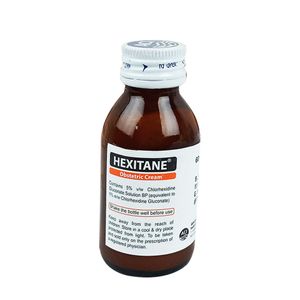
Chlorhexidine is a broad-spectrum antimicrobial biguanide used as a topical antiseptic and in dental practice for the treatment of inflammatory dental conditions caused by microorganisms. It is one of the most common skin and mucous membrane antiseptic agents in use today. The molecule itself is a cationic bis-guanide consisting of two 4-chlorophenyl rings and two biguanide groups joined by a central hexamethylene chain. Topical chlorhexidine for disinfection, as well as oral rinses for dental use, carries activity against a broad range of pathogens including bacteria, yeasts, and viruses.
Chlorhexidine was developed in the UK by Imperial Chemical Industries in the early 1950s and was introduced to the US in the 1970s.
Uses
Chlorhexidine is an antiseptic used to sterilize for surgeries and in healthcare practice, to reduce pocket depth in periodontitis, and to treat gingivitis.
Chlorhexidine is available over-the-counter in various formulations (e.g. solution, sponge, cloth, swab) as a topical antiseptic to sanitize prior to surgeries and/or medical procedures. Dental formulations, available by prescription only, include an oral rinse indicated for the treatment of gingivitis and a slow-release "chip" which is inserted into periodontal pockets and is indicated for the reduction of pocket depth in adult patients with periodontitis as an adjunct therapy to dental scaling and root planing procedures.
Associated Conditions
Pharmacodynamics
Chlorhexidine is a broad-spectrum antimicrobial with demonstrated activity against both gram-positive and gram-negative bacteria, yeasts, and viruses. Antimicrobial activity is dose-dependent - chlorhexidine is bacteriostatic at lower concentrations (0.02%-0.06%) and bactericidal at higher concentrations (>0.12%). Pharmacokinetic studies of oral chlorhexidine rinses indicate that approximately 30% of the active ingredient is retained in the mouth following rinsing, which is subsequently slowly released into oral fluids. This ability to adsorb to dentine, shared with tetracycline antibiotics such as doxycycline, is known as "substantivity" and is the result of chlorhexidine's positive charge - it is likely that this substantivity plays at least some role in chlorhexidine's antimicrobial activity, as its persistence on surfaces such as dentine prevent microbial colonization.
Dental chlorhexidine rinses may result in staining of oral surfaces, such as teeth. This effect is not ubiquitous and appears to be more significant with extended therapy (i.e. up to 6 months) - nevertheless, patients for whom oral staining is unacceptable should use chlorhexidine rinse with caution and for the shortest effective interval. Allergic reactions to chlorhexidine have been associated with the development of anaphylaxis.
Mechanism of Action
Chlorhexidine’s broad-spectrum antimicrobial effects are due to its ability to disrupt microbial cell membranes. The positively charged chlorhexidine molecule reacts with negatively charged phosphate groups on microbial cell surfaces - this reaction both destroys the integrity of the cell, allowing leakage of intracellular material, and allows chlorhexidine to enter the cell, causing precipitation of cytoplasmic components and ultimately cell death. The specific means of cell death is dependent on the concentration of chlorhexidine - lower concentrations are bacteriostatic and result in leakage of intracellular substances such as potassium and phosphorous, whereas higher concentrations are bactericidal and cause cytoplasmic precipitation.
Absorption
Topically, chlorhexidine is unlikely to undergo any degree of systemic absorption. Orally administered chlorhexidine, such as that found in oral rinses for dental purposes, is very poorly absorbed from the gastrointestinal tract - the Cmax in human subjects following an oral dose of 300mg was 0.206 µg/g and occurred approximately 30 minutes after ingestion (Tmax). Following the insertion of 4 PerioChips in 18 adult patients, no detectable plasma or urine chlorhexidine levels were observed.
Protein Binding
Chlorhexidine is known to bind albumin in both serum and saliva, though the extent of this binding is unclear.
Route of Elimination
Excretion of chlorhexidine gluconate occurs almost exclusively via the feces, with less than 1% of an ingested dose excreted in the urine.
Toxicity
The LD50 of subcutaneously administered chlorhexidine in mice is >5 g/kg.
Small children are likely to be more susceptible to chlorhexidine overdose - ingestion of 1-2 ounces by a small child may result in gastric distress, nausea, and intoxication. Treatment should consist of symptomatic and supportive measures. Seek medical attention if a child ingests >4 ounces of chlorhexidine solution or if symptoms of intoxication develop post-exposure.
Food Interactions
- Take separate from meals. May affect the taste of food and beverages. Avoid eating or drinking for 30 minutes following use.
Dosage
Take this dental gel in the dose and duration as advised by your doctor. This dental gel is an antiseptic that binds strongly to the surface of teeth, inner cheeks and gums. It works by killing the harmful microorganisms that cause swollen gums, tartar, bad odour from mouth, and other mouth infections.