Introduction
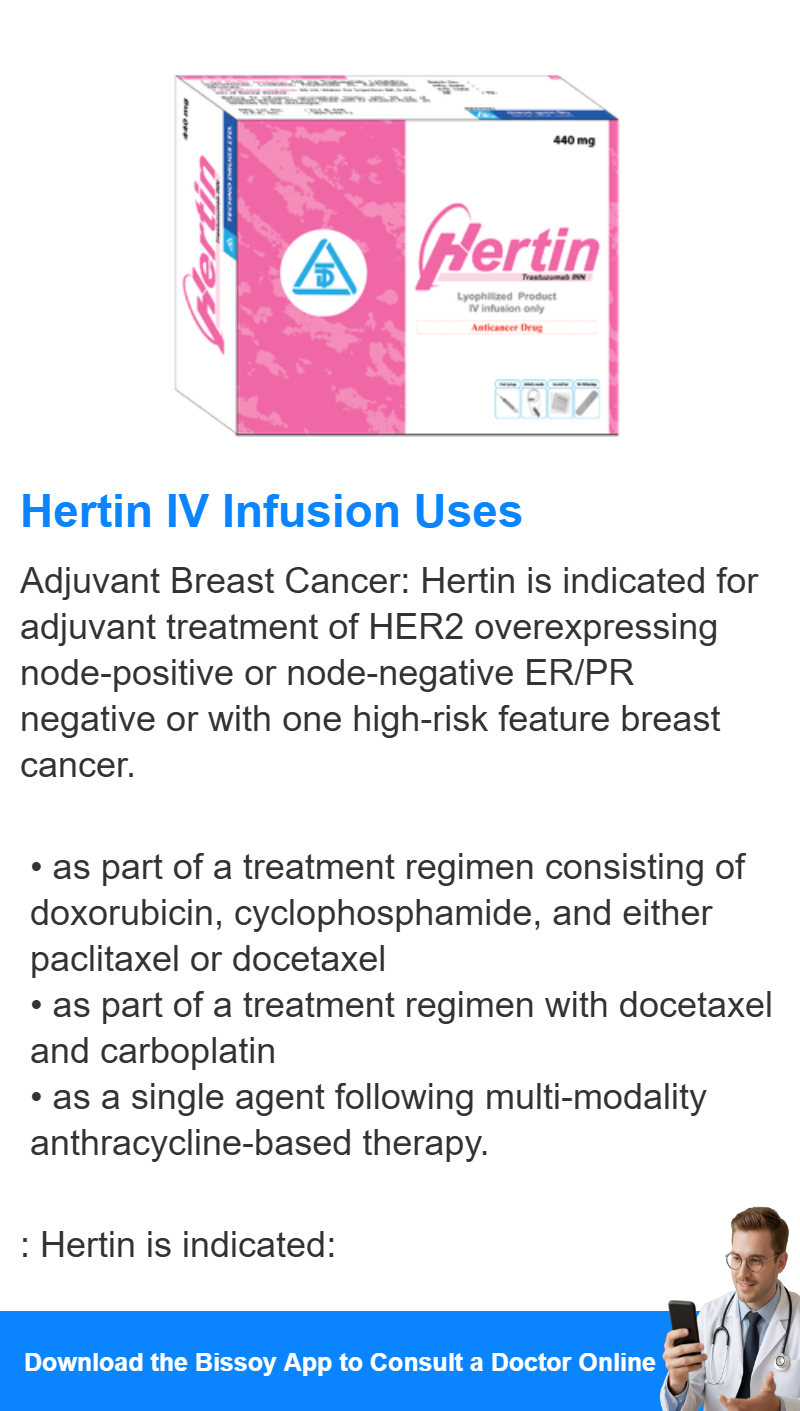
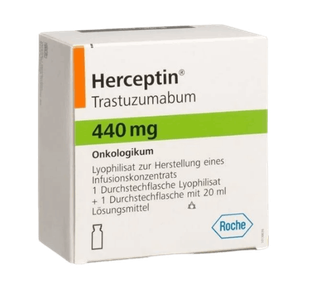
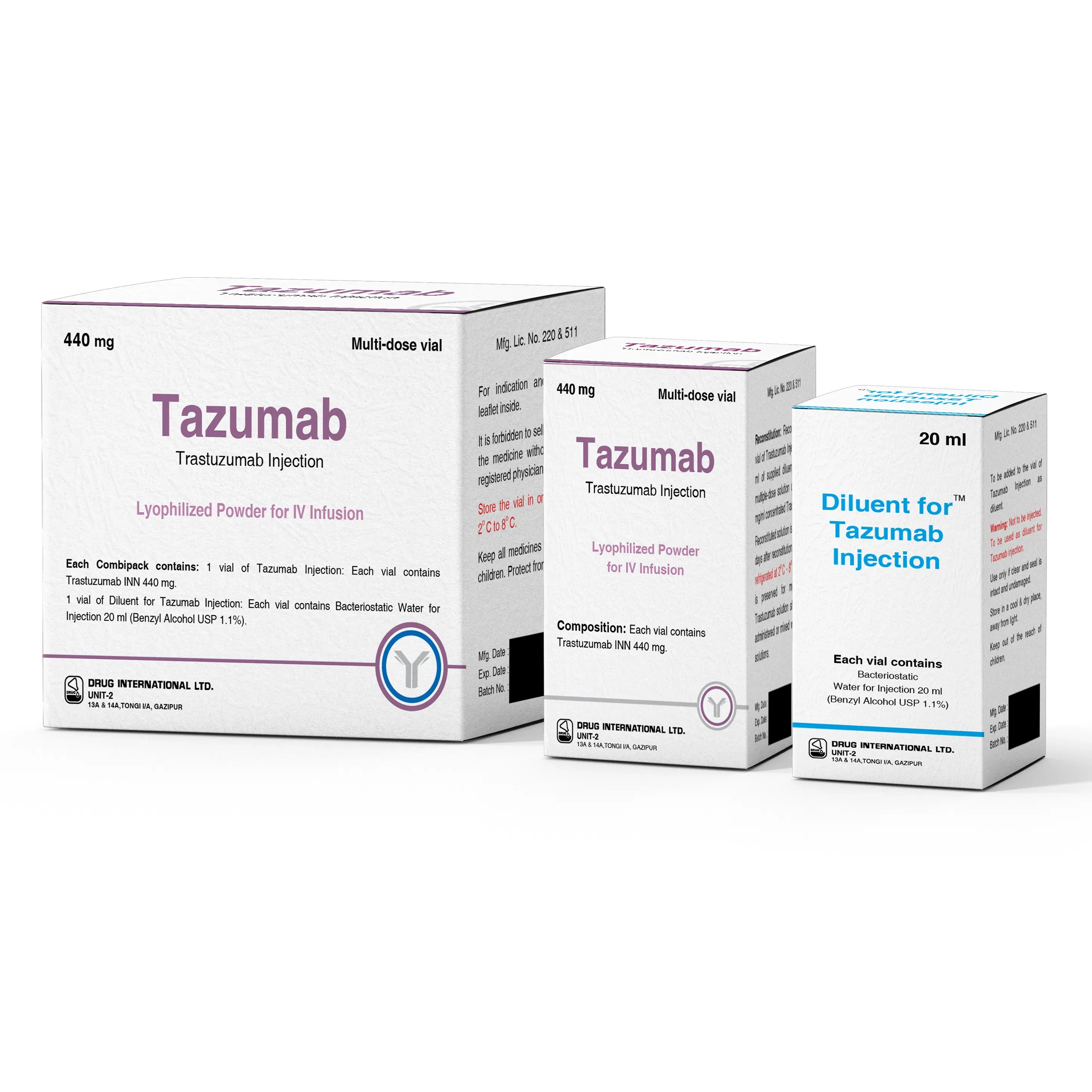
Produced in CHO cell cultures, trastuzumab is a recombinant IgG1 kappa, humanized monoclonal antibody that selectively binds with high affinity in a cell-based assay (Kd = 5 nM) to the extracellular domain of the human epidermal growth factor receptor protein (HER2). It is used as a treatment of human epidermal growth factor receptor (HER)-2+ metastatic breast cancer, where there is a proven amplification of the HER-2 oncogene or over-expression of the HER-2 protein in tumours. It is suggested that the overexpression or gene amplification of HER2 has been found in about 20–30% of breast cancers and elevated activation of HER2 triggers multiple downstream pathways leading to abnormal proliferation of cancer cells . Hertin IV Infusion 440 mg/20 ml binds to HER2 and suppresses cancer cells growth, proliferation, and survival directly and indirectly .
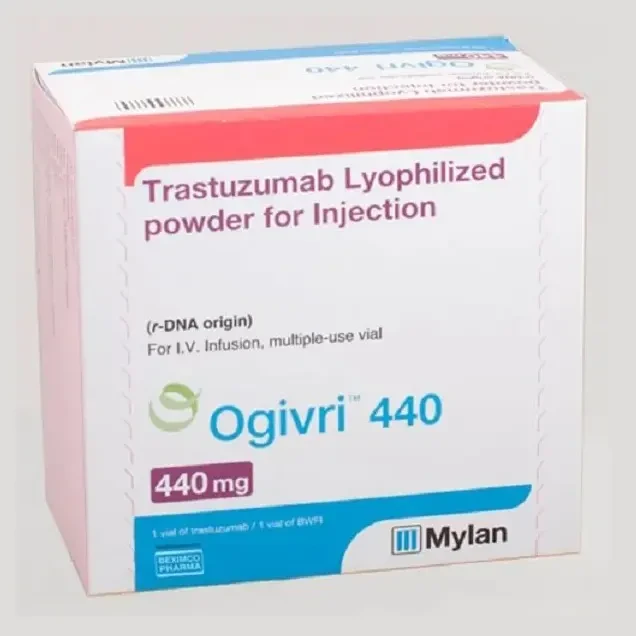
In December 2017, FDA approved Ogivri (trastuzumab-dkst) as a biosimilar to Herceptin (trastuzumab) for the treatment of patients with breast or metastatic stomach cancer (gastric or gastroesophageal junction adenocarcinoma) whose tumors overexpress the HER2 gene (HER2+). It displays biosimilar properties as Herceptin according to clinical data. While Ogivri is the first biosimilar approved in the U.S. for the treatment of breast cancer or stomach cancer, it is the second biosimilar approved in the U.S. for the treatment of cancer. Herzuma (trastuzumab-pkrb) is a biosimilar drug approved in December 2018 for the treatment of HER2-overexpressing breast cancer. KANJINTI (trastuzumab-anns) is another biosimilar approved by the FDA in June 2019.
Uses
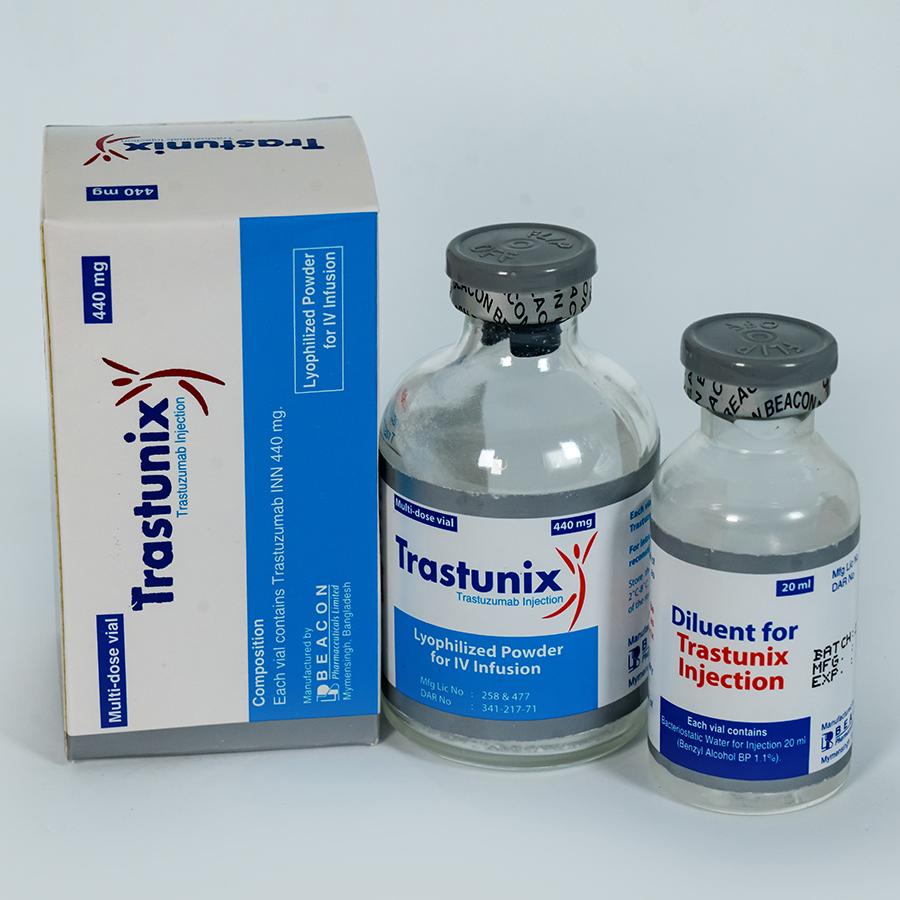
Hertin IV Infusion 440 mg/20 ml is a monoclonal anti-human epidermal growth factor receptor 2 protein antibody used to treat HER2-positive breast, gastroesophageal, and gastric cancers.
For the adjuvant treatment of HER2-overexpressing breast cancer, trastuzumab is indicated in several clinical settings: as part of a treatment regimen consisting of doxorubicin, cyclophosphamide, and either paclitaxel or docetaxel; as part of a treatment regimen with docetaxel and carboplatin; or as monotherapy following multi-modality anthracycline-based therapy.
Hertin IV Infusion 440 mg/20 ml is indicated as a first-line treatment, in combination with paclitaxel, for metastatic HER2-overexpressing breast cancer, and as monotherapy in patients who have previously received one or more chemotherapy regimens in the metastatic setting.
Hertin IV Infusion 440 mg/20 ml is also indicated, in combination with cisplatin and capecitabine or 5-fluorouracil, for the treatment of patients with HER2-overexpressing metastatic gastric or gastroesophageal junction adenocarcinoma who have not received prior treatment for metastatic disease.
Hertin IV Infusion 440 mg/20 ml is indicated for subcutaneous administration - in combination with either hyaluronidase or both hyaluronidase and pertuzumab - for the treatment of adults with HER-2 positive breast cancers.
Associated Conditions
Pharmacodynamics
Hertin IV Infusion 440 mg/20 ml exerts an antitumour activity and is used in the treatment of HER2-positive breast cancer. HER2 protein overexpression is observed in 20%-30% of primary breast cancers thus HER2 presents as a useful therapeutic target for the treatment of breast cancers. Hertin IV Infusion 440 mg/20 ml has been shown, in both in vitro assays and in animals, to inhibit the proliferation of human tumour cells that overexpress HER2. It works as a mediator of antibody-dependent cellular cytotoxicity, where it binds as an antibody to cells over-expressing HER2, leading to preferential cell death. Hertin IV Infusion 440 mg/20 ml was also shown to inhibit angiogenesis of tumor cells in vivo . Higher doses and longer dosing intervals show no significant benefit over standard dose schedules . In patients with HER2 positive solid tumours, trastuzumab did not exert any clinically significant QTc interval duration.
Mechanism of Action
Hertin IV Infusion 440 mg/20 ml is a recombinant humanized IgG1 monoclonal antibody against the HER-2 receptor, a member of the epidermal growth factor receptors which is a photo-oncogene. Over-expressed in breast tumour cells, HER-2 overamplifies the signal provided by other receptors of the HER family by forming heterodimers . The HER-2 receptor is a transmembrane tyrosine kinase receptor that consists of an extracellular ligand-binding domain, a transmembrane region, and an intracellular or cytoplasmic tyrosine kinase domain. It is activated by the formation of homodimers or heterodimers with other EGFR proteins, leading to dimerization and autophosphorylation and/or transphosphorylation of specific tyrosine residues in EGFR intracellular domains . Further downstream molecular signaling cascades are activated, such as the Ras/Raf/mitogen-activated protein kinase (MAPK), the phosphoinositide 3-kinase/Akt, and the phospholipase Cγ (PLCγ)/protein kinase C (PKC) pathways that promote cell growth and survival and cell cycle progression . Due to upregulation of HER-2 in tumour cells, hyperactivation of these signaling pathways and abnormal cell proliferation is observed. Hertin IV Infusion 440 mg/20 ml binds to the extracellular ligand-binding domain and blocks the cleavage of the extracellular domain of HER-2 to induce its antibody-induced receptor downmodulation , and subsequently inhibits HER-2-mediated intracellular signaling cascades. Inhibition of MAPK and PI3K/Akt pathways lead to an increase in cell cycle arrest, and the suppression of cell growth and proliferation . Hertin IV Infusion 440 mg/20 ml also mediates the activation of antibody-dependent cell-mediated cytotoxicity (ADCC) by attracting the immune cells, such as natural killer (NK) cells, to tumor sites that overexpress HER-2 . While the drug alone has a minimal potential to induce complement-dependent cytotoxicity (CDC), one study demonstrated increased therapeutic effectiveness and a synergistic effect on uterine serous carcinoma cells in vitro when used in combination with pertuzumab, which also has minor effects on CDC alone. This study showed that only the combination of both cell-bound antibodies would be sufficient to bind and activate the complement component 1q (C1q) required to initiate the complement cascade reaction.
Intrinsic trastuzumab resistance has been noted for some patients with HER-2 positive breast cancer. Mechanisms involving trastuzumab resistance include deficiency of phosphatase and tensin homologue and activation of phosphoinositide 3-kinase, and the overexpression of other surface receptors, such as insulin-like growth factor .
Absorption
Peak and trough plasma concentrations at steady state (between weeks 16 and 32) were approximately 123 and 79 mcg/mL, respectively. At the highest weekly dose studied (500 mg), mean peak serum concentration was 377 mcg/mL.
Route of Elimination
Following metabolism, the complex elimination of trastuzumab in humans is mediated by epithelial cells in a dose-dependent (nonlinear) fashion. The renal excretion of trastuzumab is very low.
Half Life
The terminal half-life is approximately 28 days, but may decrease with lower doses - at the 10mg and 500mg doses, half-lives averaged approximately 1.7 and 12 days, respectively.
Clearance
The predicted steady-state clearance of trastuzumab is 0.173 - 0.337 L/day, dependent primarily on the dosing regimen. The clearance rate for subcutaneously administered trastuzumab, formulated with hyaluronidase for improved subcutaneous absorption, is 0.11 L/day.
Toxicity
There is no experience with overdosage of trastuzumab in clinical trials - single doses >8 mg/kg have not been tested in humans. Hertin IV Infusion 440 mg/20 ml can contribute to the development of ventricular dysfunction and congestive heart failure, particularly when used in combination (or temporally adjacent) to other cardiotoxic chemotherapies such as anthracyclines.
Food Interactions
No interactions found.