Introduction
Multivitamins are supplements which contain combinations of vitamins and minerals essential for the normal functioning of the human body. Pediatric multivitamins are specifically designed to meet the nutritional needs of growing children. They contain a combination of vitamins and often minerals, herbs or other ingredients which are important nutrients for growth and development.
Uses For
Pediatric multivitamins are mainly used to supplement the nutrient needs of growing children. They are also used to treat deficiencies in particular nutrients. These deficiencies may be due to dietary inadequacies, illnesses or diseases of the gastrointestinal tract. Pediatric multivitamins are often used to prevent deficiencies in nutrients such as vitamin D, B vitamins and calcium.
Mechanism Of Action
Pediatric multivitamins contain different vitamins and minerals which have multiple mechanisms of action in the body. The exact mechanism of action depends on the type and amount of vitamins and minerals provided in the supplement. Generally, vitamins and minerals are essential for normal growth and development, metabolism and other essential processes in the body and thus supplementing the diet with these can enhance these processes.
How Long Does It Take To Work?
The effects of pediatric multivitamins depend on the type of vitamins present in the supplement. In general, vitamins and minerals are absorbed quickly and their effects are felt within a few hours or days. However, it may take several weeks to months for some vitamins and minerals to reach their maximum effect.
Absorption
The absorption of vitamins and minerals from pediatric multivitamins depends on the type and amount of the vitamins present in the supplement. Vitamins are generally absorbed through the small intestine but some can also be absorbed through the skin. Minerals are absorbed through both the small and large intestine and usually require specific transporter proteins for absorption.
Route Of Elimination
Most vitamins and minerals are eliminated from the body through the urine and feces. However, some vitamins can also be eliminated through the sweat and breath. Unused vitamins and minerals may accumulate in body tissues and can lead to toxicity.
Dosage
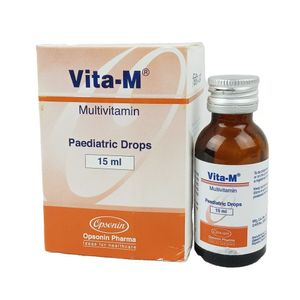
Below 1 year: 9-10 drops (0.3 ml)1 year and above: 23-25 drops (1.0 ml) once daily or as advised by the physicians.
Dosage of pediatric multivitamins depends on the child’s age and the number and type of vitamins present in the supplement. The dosage should be determined by a qualified professional and should be based on the individual needs of the child. Generally, pediatric multivitamins are taken once a day with food.
Administration
Pediatric multivitamins can be administered orally, as a liquid, chewable tablets or gummies. Some vitamins may also be administered through injection or infusion for certain conditions. The form of the multivitamin should be determined by the patient’s needs and preference.
Side Effect
Side effects of pediatric multivitamins depend on the type and amount of vitamins and minerals present in the supplement. The most common side effects include nausea, vomiting, headache, dizziness, constipation, and abdominal discomfort. More serious side effects can occur with megadose of some vitamins such as Vitamin A, D and B6.
Toxicity
Toxicity can occur with an overdose of vitamins and minerals. The most common toxic effects include nausea, vomiting, abdominal pain, diarrhoea, kidney damage, and liver damage. It is important to seek medical advice if one suspects a toxicity.
Precaution
Children should not be given pediatric multivitamins unless prescribed by a qualified healthcare professional. It is important to follow the dosage and administration instruction given by the healthcare professional. The supplement should be taken with food and it is recommended not to take with hot or cold drinks as this may affect absorption.
Interaction
Pediatric multivitamins may interact with other medications, supplements, or herbs. It is important to inform the healthcare professional of all medications, supplements and herbs taken by the child before starting with the multivitamin supplement.
Disease Interaction
Pediatric multivitamins may interact with certain medical conditions or diseases. It is important to inform the healthcare professional of any existing medical condition or disease before starting with the multivitamin supplement.
Drug Interaction
The vitamins and minerals in pediatric multivitamins may interact with certain drugs and it is important to inform the healthcare professional of all medications taken by the child before starting the supplement.
Food Interactions
Certain foods can interfere with the absorption of vitamins and minerals in pediatric multivitamins and it is important to avoid these foods when taking the supplement.
Pregnancy Use
Pediatric multivitamins supplement should not be taken by pregnant women. Pregnant women should seek medical advice regarding supplementing with vitamins and minerals.
Lactation Use
Pediatric multivitamins supplement should not be taken by breastfeeding women. Breastfeeding women should seek medical advice regarding supplementing with vitamins and minerals.
Acute Overdose
An acute overdose of pediatric multivitamins can result in serious symptoms such as nausea, vomiting, abdominal pain, diarrhoea, kidney damage, and liver damage. It is important to seek medical help immediately if an overdose is suspected.
Contraindication
Pediatric multivitamins should not be taken by people suffering from certain conditions and diseases. It is important to inform the healthcare professional about existing medical conditions before taking any multivitamin supplement.
Use Direction
It is important to follow the dosage and instructions of the healthcare professional when taking pediatric multivitamins. It is recommended to take with food, avoiding hot or cold drinks as this may affect absorption.
Storage Condition
Pediatric multivitamins should be stored in a cool and dry place and away from direct light. It is important to keep it away from small children and pets.
Volume Of Distribution
The volume of distribution of vitamins and minerals in pediatric multivitamins depends on the type and amount of the vitamins and minerals present in the supplement. Generally, vitamins and minerals are distributed throughout the body tissues. Some vitamins may be concentrated in certain organs such as the liver, kidneys or brain.
Half Life
The half life of vitamins and minerals in pediatric multivitamins depends on the type and amount of the vitamins and minerals present in the supplement. Generally, vitamins and minerals have a half-life of hours to days.
Clearance
The clearance of vitamins and minerals in pediatric multivitamins depends on the type and amount of the vitamins and minerals present in the supplement. Generally, vitamins and minerals are cleared from the body through the urine and feces.