Introduction
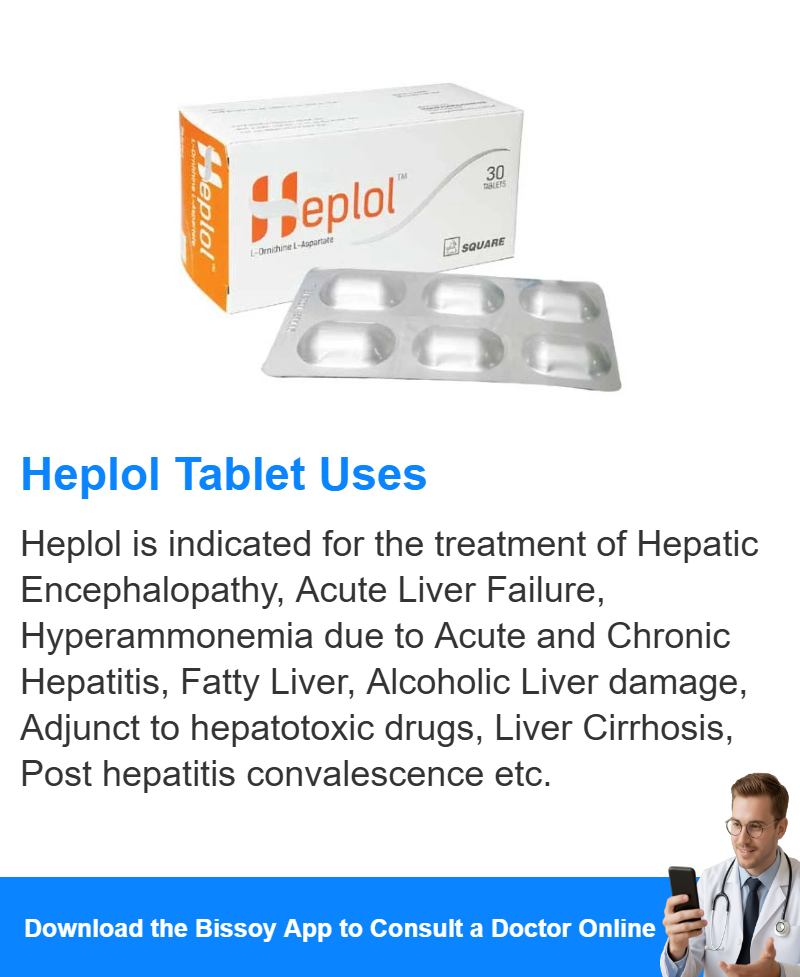
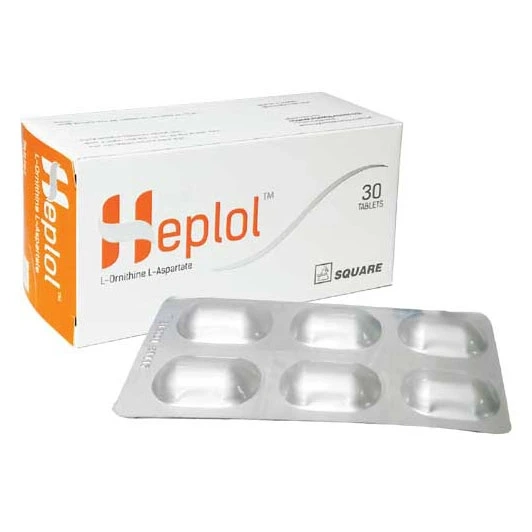
Heplol Tablet 150 mg (LOLA) is an amino acid derivative composed of both ornithine and aspartate molecules. It is commonly used to treat certain diseases and medical conditions related to the liver. Among its many benefits, it is known to help improve liver function and protect the liver from damage.
Uses for
Heplol Tablet 150 mg is commonly used in the treatment of certain liver conditions such as cirrhosis, hepatitis and fatty liver disease. It is also used to help improve detoxification, reduce inflammation, and increase energy levels.
Mechanism of Action
Heplol Tablet 150 mg binds to certain receptors in the body to help improve liver function, reduce inflammation and prevent damage to liver cells. It helps prevent accumulation of ammonia in the body and helps convert ammonia to other substances that are then excreted. It also helps reduce levels of free radicals that can cause liver damage.
How Long Does it Take to Work?
The effectiveness of Heplol Tablet 150 mg varies from person to person. Generally, improvements may be seen within two to four weeks, although some people may experience improvements in as soon as one week.
Absorption
Heplol Tablet 150 mg is well absorbed in the body, with up to 86% of the ingested dose being absorbed within 60 minutes. The absorption rate can vary slightly based on the individual and their individual characteristics.
Route of Elimination
Heplol Tablet 150 mg is mainly eliminated through the urinary system, with about 72% being eliminated within 12 hours of ingestion.
Dosage
Sachet: 1-2 sachets granules is dissolved in a large amount of fluid (e.g. in a glass of water or juice) and is taken orally 3 times a day during or after meals.Injection (Infusion Concentrate): The recommended dose is up to 20 gm (4 ampoules daily). In case of loss of consciousness (pre-coma) and clouding of consciousness (coma) up to 8 ampoules within 24 hours, depending on the severity of the condition.
The recommended dosage for Heplol Tablet 150 mg is usually 10-20g per day, taken in divided doses. It is important to consult a doctor for proper dosage as it varies from person to person based on individual characteristics.
Administration
Heplol Tablet 150 mg is usually taken orally, although it is also available in powder form that can be combined with liquid and taken in a liquid form. Some people also opt for intravenous administration.
Side Effect
Heplol Tablet 150 mg is generally safe and well-tolerated, with few to no side effects being reported. Some people may experience minor side effects such as nausea, vomiting, diarrhea, or stomach pain.
Toxicity
Heplol Tablet 150 mg is generally not toxic, but it is important to consult a doctor before taking the supplement, to ensure that it is suitable for individual use.
Precaution
It is important for people taking Heplol Tablet 150 mg to drink plenty of water and limit their alcohol intake. It is also important for them to not take any other supplements or medications without consulting their doctor.
Interaction
Heplol Tablet 150 mg can interact with some medications, such as non-steroidal anti-inflammatory drugs and antibiotics. It is important for people who are taking other medications to consult their doctor before taking Heplol Tablet 150 mg.
Disease Interaction
Heplol Tablet 150 mg may interact with certain diseases and can even exacerbate their symptoms, such as with heart failure and diabetes. People with any chronic medical condition should consult their doctor before taking any supplements.
Drug Interaction
Heplol Tablet 150 mg can interact with some medications, such as non-steroidal anti-inflammatory drugs and antibiotics. It is important for people who are taking other medications to consult their doctor before taking Heplol Tablet 150 mg.
Food Interactions
Heplol Tablet 150 mg can interact with some foods, such as dairy products or high-fat foods. People who are taking this supplement should avoid eating these types of foods to prevent any unwanted side effects.
Pregnancy Use
Heplol Tablet 150 mg is not generally recommended for pregnant women, as it can affect the developing baby. It is important for pregnant women to consult their doctor before taking any supplements.
Lactation Use
Heplol Tablet 150 mg is not generally recommended for lactating women, as it can affect the quality of the breast milk. It is important for lactating women to consult their doctor before taking any supplements.
Acute Overdose
There are no known acute overdoses associated with Heplol Tablet 150 mg. However, it is recommended to stop taking the supplement if any adverse effects occur and to contact a doctor for further advice.
Contraindication
Heplol Tablet 150 mg is contraindicated in people with a known allergy to this supplement, as well as in people who are pregnant or breastfeeding. It is also contraindicated in people with any chronic medical conditions.
Use Direction
It is important to follow the directions stated on the package when taking Heplol Tablet 150 mg. Generally, it is recommended to take it with meals or snacks.
Storage Condition
Heplol Tablet 150 mg should be stored in a cool, dry place away from direct light or heat. It should be kept in its original container and not exposed to extreme temperatures.
Volume of Distribution
Heplol Tablet 150 mg has a volume of distribution of approximately 8 liters, which corresponds to the volume of the body’s extracellular fluid.
Half Life
The half-life of Heplol Tablet 150 mg is approximately 1.2 to 1.5 hours. This means that the body can eliminate 50% of the substance within this timeframe.
Clearance
Heplol Tablet 150 mg has a clearance rate of about 0.7 liters/hour. This means that the body can clear this substance at a rate of 0.7 liters per hour.