Introduction
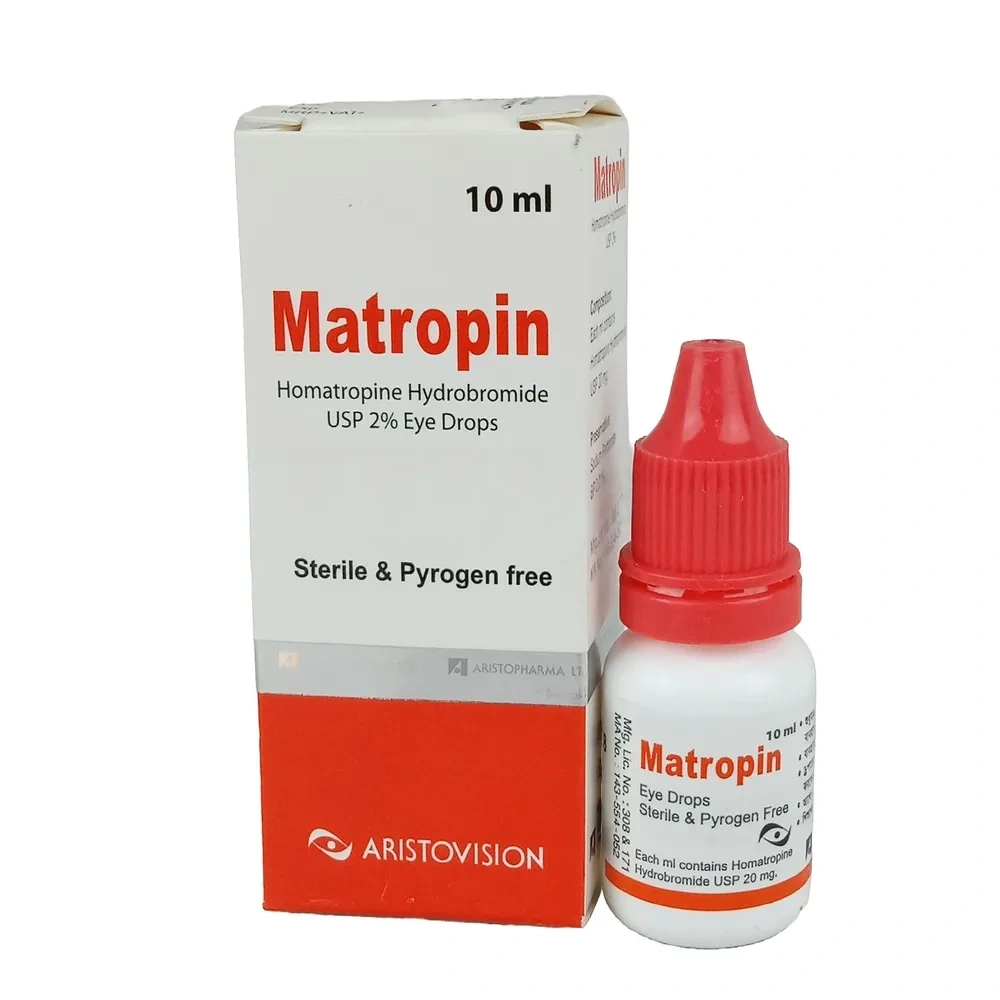
Homatropine is an anticholinergic drug that acts as an antagonist at muscarinic acetylcholine receptors. It is present in antitussives, under the trade name Hycodan, in combination with hydrocodone (dihydrocodeinone) bitartrate indicated for the symptomatic relief of cough as oral tablets or solutions. Homatropine is included in subtherapeutic amounts as homatropine methylbromide to discourage deliberate overdosage. Homatropine hydrobromide has been administered as ophthalmic solutions as a cycloplegic to temporarily paralyze accomodation, and to induce mydriasis (the dilation of the pupil).
Uses
Homatropine is an anticholinergic agent used to dilate the pupil, treat inflammation of the uveal tract, and suppress a cough.
Indicated as an overdose-rescuing agent in combination with hydrocodone antitussive .
Indicated for the induction of mydriasis in ophthalmic solutions.
Associated Conditions
Pharmacodynamics
Homatropine is an anticholinergic drug that produces typical anticholinergic effects inducing mydriasis and cycloplegia. Other effects of structurally-related atropine that could also apply to homatropine include inhibition of secretions, tachycardia, relaxation of smooth muscle and central nervous effects including excitation .
Mechanism of Action
Homatropine is a competitive muscarinic receptor antagonist with a bulky aromatic group in place of the acetyl group of acetylcholine. It is expected to act in similar manner as atropine, producing similar parasympatholytic effects. By blocking muscarinic receptors and cholinergic signalling pathways, homatropine blocks the response of the iris sphincter muscle and cause the pupil to become unresponsive to light upon dilation or mydriasis. It also blocks the accommodative muscle of the ciliary body to cholinergic stimulation .
Absorption
No pharmacokinetic data available.
Volume of Distribution
No pharmacokinetic data available.
Protein Binding
No pharmacokinetic data available.
Route of Elimination
No pharmacokinetic data available.
Half Life
No pharmacokinetic data available.
Clearance
No pharmacokinetic data available.
Toxicity
Acute oral LD50 is 1200 mg/kg in rat, 1400 mg/kg in mouse, and 1000 mg/kg in guinea pig . Systemic toxicity may occur following topical overdose of structurally-related ophthalmic atropine, particularly in children. It is characterized by flushing and dryness of the skin, blurred vision, a rapid and irregular pulse, fever, convulsions and hallucinations, and the loss of neuromuscular coordination. Abdominal distension may be observed with infants. Severe intoxication is manifested by central nervous system depression, coma, circulatory and respiratory failure, and death . Symptomatic and supportive treatment should be initiated. In case of accidental use or overdose in infants and small children, the body surface should be kept moist .
Food Interactions
No interactions found.
Dosage
For therapy: Instill 1-2 drops in the eye(s) every 3-4 hours.
Use in children: Should not be used in children below the age of 3 months.