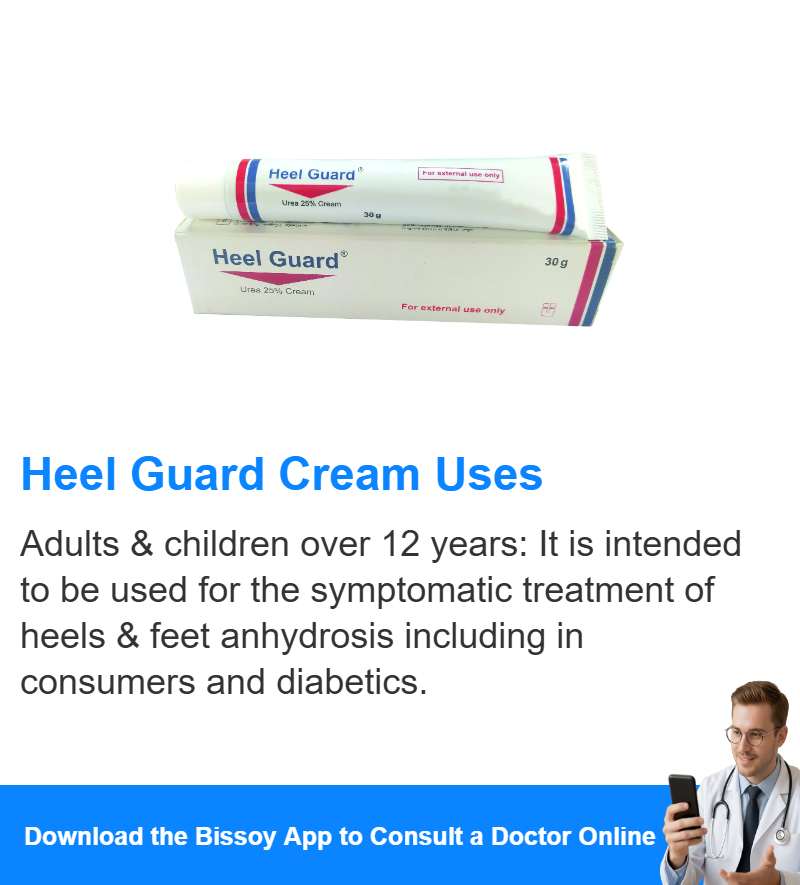
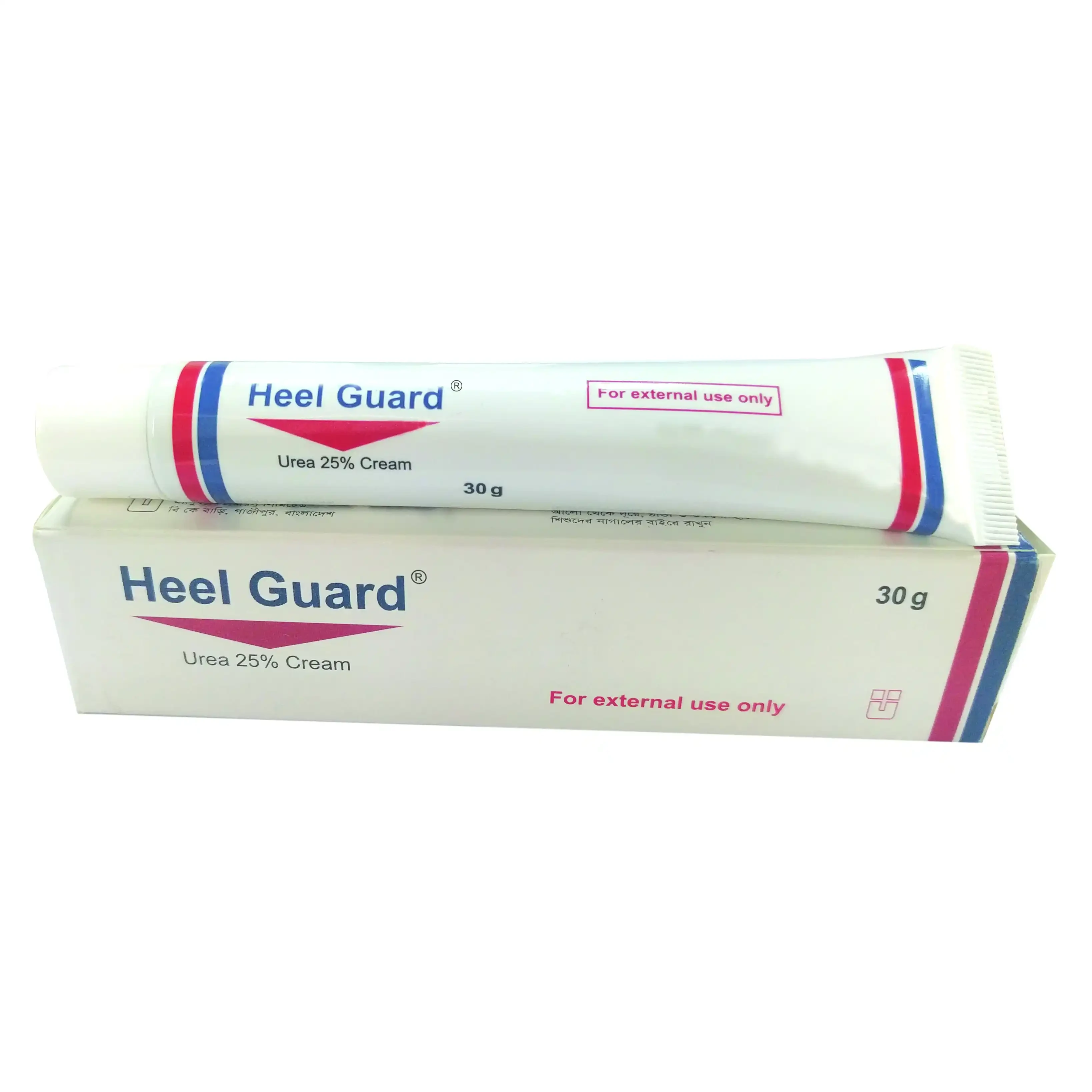
What is Heel Guard Cream 25% w/w?

Heel Guard Cream 25% w/w (NH2CONH2) is an organic compound in the form of a white, crystalline solid, also known as carbamide. Heel Guard Cream 25% w/w is one of the main components of urine and is produced in the liver. It is a diversion product of the body's metabolism and is filtered out through the kidney into the bladder.

Uses for Heel Guard Cream 25% w/w

Heel Guard Cream 25% w/w is used in a variety of medical and agricultural applications. It is a moisturizing agent for topical skin care products, and can also help reduce flaking and improve dry, irritated skin. It may also be used to remove damaged and discolored nails, and as a fertilizer to help increase crop productivity. Heel Guard Cream 25% w/w is also used in the manufacture of plastics, paints, and other chemical products.

Brand Name Heel Guard
Type Cream
Weight 25% w/w
Generic Urea
Manufacturer UniMed UniHealth
Available in English বাংলা

Mechanism of Action

Heel Guard Cream 25% w/w works by breaking down the proteins and keratin in dead skin cells, allowing them to be more easily washed away and enhancing skin hydration. This helps reduce flaking and improve dry, irritated skin.

How Long Does it Take to Work?

The effects of urea may vary from person to person, depending on the individual's skin type and condition, and can take 4 to 6 weeks to become noticeable. For optimal results, it should be used regularly over a period of time.

Absorption

Heel Guard Cream 25% w/w is rapidly absorbed through the skin, with peak concentrations achieved within 4-6 hours of topical application.

Route of Elimination

Heel Guard Cream 25% w/w is primarily eliminated from the body through the kidney, through urine.

Dosage

The recommended dose of urea for topical use is 10% to 40%. Higher concentrations are more likely to cause irritation and side effects, and long-term use should be avoided.

Administration

Heel Guard Cream 25% w/w is typically applied to the affected area of skin twice daily. It should not be applied to broken or irritated skin, and the affected area should be washed thoroughly after application.

Side Effects

The most common side effects of urea include skin irritation, redness, stinging, itching, burning, and dryness. These side effects may be more pronounced with stronger concentrations and longer-term use.

Toxicity

Heel Guard Cream 25% w/w is not expected to be toxic when used topically in the recommended doses. However, concentrations higher than 10% may be irritating, and long-term use should be avoided.

Precaution

Heel Guard Cream 25% w/w should not be used on broken or irritated skin. It should be used sparingly, applied to the affected area only, and kept away from the eyes, nose, and mouth. There is not enough information available to recommend the use of urea by pregnant women or nursing mothers.

Interaction

Heel Guard Cream 25% w/w may interact with certain medications, particularly those which can increase skin irritation or sensitivity, and may reduce the effectiveness of some topical medications. It is important to consult with a doctor or pharmacist before using any medications when using urea.

Disease Interactions

It is important to consult with a doctor or pharmacist before using any medications when using urea. Heel Guard Cream 25% w/w can irritate or worsen the symptoms of skin conditions, such as psoriasis, and may also interact with certain underlying medical conditions, such as diabetes or kidney disease.

Drug Interactions

Heel Guard Cream 25% w/w may interact with certain medications, particularly those which can increase skin irritation or sensitivity, and may reduce the effectiveness of some topical medications. It is important to consult with a doctor or pharmacist before using any medications when using urea.

Food Interactions

No food interactions have been reported with the use of urea.

Pregnancy Use

There is not enough information available to recommend the use of urea by pregnant women or nursing mothers.

Lactation Use

There is not enough information available to recommend the use of urea by pregnant women or nursing mothers.

Acute Overdose

There have been no reported cases of overdose or toxicity due to urea.

Contraindication

Heel Guard Cream 25% w/w should not be used on broken or irritated skin or on open wounds or cuts.

Use Direction

Heel Guard Cream 25% w/w should be applied to the affected area of the skin twice daily, with each application consisting of a thin layer spread over the affected area. It should not be applied to broken or irritated skin, and the affected area should be washed thoroughly after application.

Storage Condition

Heel Guard Cream 25% w/w should be stored in a cool, dry place away from light and moisture.

Volume of Distribution

The volume of distribution for urea is about 7 L/kg.

Half Life

The half-life of urea is 7 to 24 hours.

Clearance

Heel Guard Cream 25% w/w is cleared from the body primarily through the kidney, through urine.

See in details version Heel Guard Cream 25% w/w also Heel Guard Cream 25% w/w in bangla

Social card

Uses

Some Frequently Asked Questions About Heel Guard Cream 25% w/w

*** Taking medicines without doctor's advice can cause long-term problems.
Dr. Farhana Yasmin

Dr. Farhana Yasmin

Public Health (Community Medicine) Specialist

Call Doctor
Dr. Tanzila Fatema

Dr. Tanzila Fatema

Oral & Dental Surgeon

Call Doctor
Asst. Prof. Dr. Basudeb Chandra Pal

Asst. Prof. Dr. Basudeb Chandra Pal

Mental Disorder, Psycho-Sexual Disorder, Drug & Internet Addiction Specialist & Psychotherapist

Call Doctor
Related Medicines