Introduction
Iron, folic acid, vitamin A, vitamin C, and zinc are essential nutrients that play crucial roles in maintaining overall health. Combining these nutrients into a single supplement is designed to support various physiological functions, including immune support, blood health, and cellular function. This combination is often used to address deficiencies and support general well-being.
Uses
The combination of iron, folic acid, vitamin A, vitamin C, and zinc is used to:
- Support Hemoglobin Production: Iron and folic acid are critical for the production of red blood cells and hemoglobin, helping to prevent and treat anemia.
- Enhance Immune Function: Vitamin C and zinc are known for their roles in supporting the immune system and aiding in the body’s defense against infections.
- Promote Healthy Vision: Vitamin A supports vision health and helps to maintain good eyesight, particularly in low-light conditions.
- Support Cellular Function and Growth: These nutrients are involved in various cellular processes, including repair and growth.
- Prevent Nutritional Deficiencies: The combination helps address and prevent deficiencies in these essential nutrients.
Mechanism of Action
Iron is essential for the synthesis of hemoglobin, which carries oxygen in the blood. Folic acid supports DNA synthesis and cell division, crucial for red blood cell production. Vitamin A is necessary for maintaining healthy vision and immune function. Vitamin C acts as an antioxidant and enhances the absorption of iron from the digestive tract. Zinc is involved in numerous enzymatic reactions and supports immune function and wound healing.
How Long Does It Take to Work?
Improvements in symptoms related to deficiencies, such as increased energy or enhanced immune function, may be noticeable within a few weeks to months of consistent use. The exact time frame can vary depending on the individual’s nutritional status and health condition.
Absorption
Iron is absorbed in the small intestine, with absorption enhanced by vitamin C. Folic acid is absorbed in the jejunum, while vitamin A is absorbed in the small intestine with dietary fat. Zinc is absorbed in the small intestine and is influenced by the presence of other dietary components.
Route of Elimination
Iron is primarily eliminated through feces, with a small amount excreted through urine and sweat. Folic acid is metabolized and excreted in urine. Vitamin A is stored in the liver and excess is excreted through bile. Vitamin C is excreted through urine. Zinc is excreted through urine, feces, and sweat.
Dosage
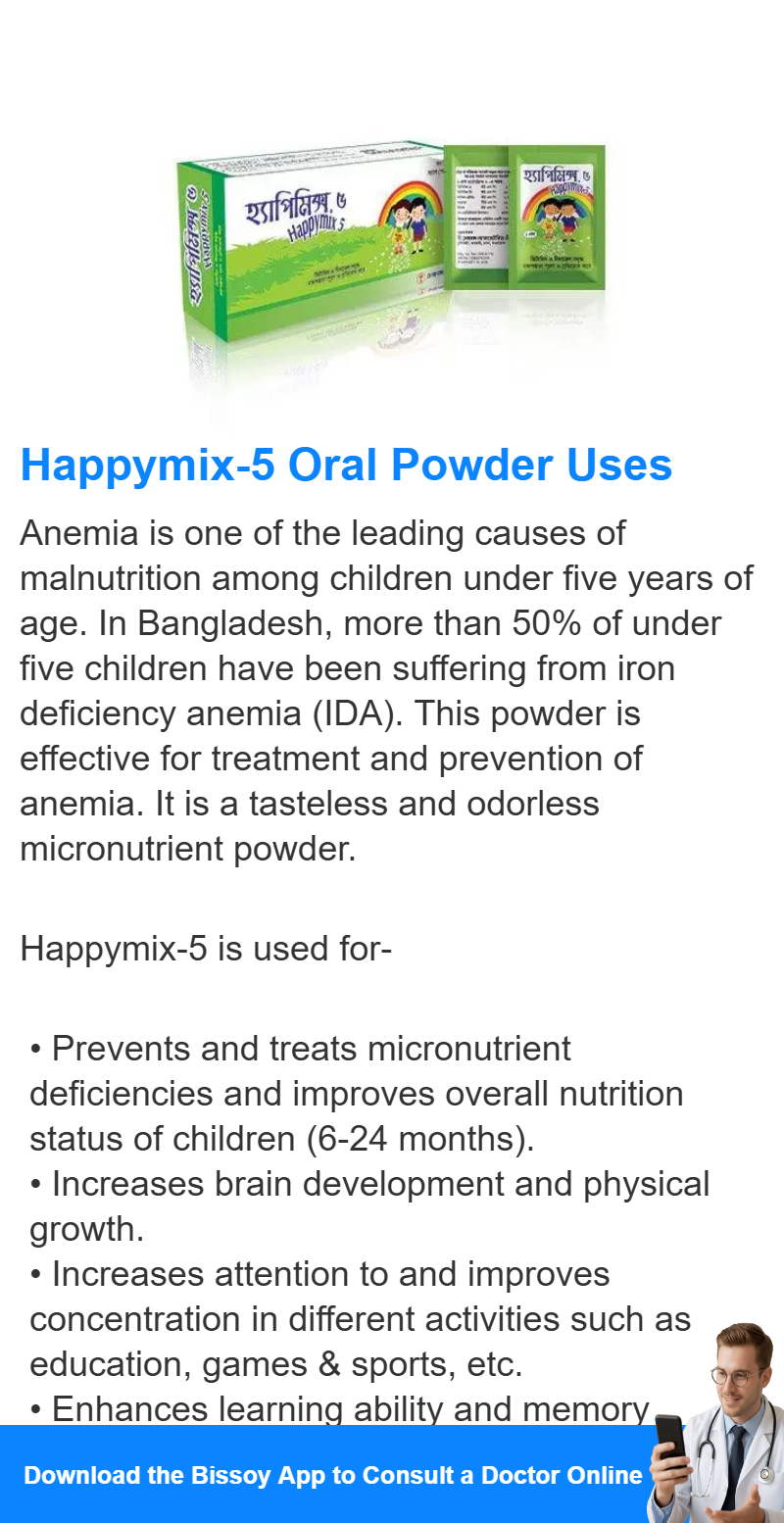
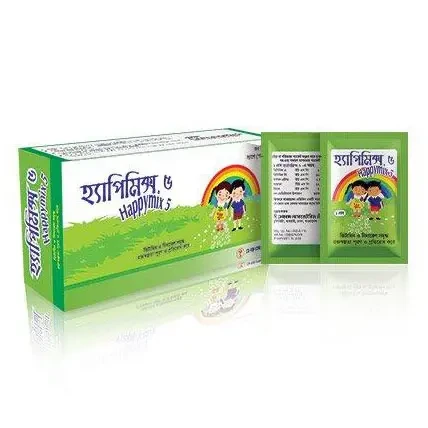
This is most suited to children from the age of 6-23 months. As recommended by WHO, this preparation is very effective in addressing iron and micronutrient deficiency anemia among under five children.The dose is-
- Feed this to children by mixing with semi-solid or soft food (rice, hotchpotch, suji etc).
- When child becomes hungry, mix one sachet of this preparation with a small quantity of child’s main meal of the day and feed it in full within half-an hour.
- Feed one sachet of this preparation to a child daily to be continued for 2 months, then 4 months interval and continue for another 2 months. Following same process, feed this preparation to children up to 59 months of age.
The dosage of this combination depends on the specific formulation and the individual’s age, sex, and health needs. Typical dosages might include:
- Iron: 18 mg to 27 mg daily for adults.
- Folic Acid: 400 mcg to 800 mcg daily for adults.
- Vitamin A: 900 mcg for men and 700 mcg for women daily.
- Vitamin C: 75 mg to 90 mg daily for adults.
- Zinc: 8 mg to 11 mg daily for adults.
Administration
This combination is typically available in tablet or capsule form. Follow the specific product instructions for dosage and administration. It is often recommended to take the supplement with food to minimize gastrointestinal discomfort and enhance absorption.
Side Effects
Possible side effects may include:
- Gastrointestinal upset, such as nausea or constipation
- Darkened stools due to iron
- Allergic reactions, though rare
Toxicity
Excessive intake of these nutrients can lead to toxicity. High doses of iron can cause gastrointestinal issues and more severe symptoms such as organ damage. Excessive vitamin A can lead to liver damage and other health issues. Vitamin C is generally safe but very high doses can cause diarrhea. Zinc toxicity can result in nausea and impaired immune function. Adhere to recommended dosages to avoid toxicity.
Precautions
Use with caution if the individual has pre-existing health conditions or is taking other supplements or medications. Consult a healthcare provider before starting this supplement, especially if there are any known allergies or health concerns.
Interaction
Iron absorption can be enhanced by vitamin C but may be reduced by certain medications or substances like calcium. Vitamin A may interact with certain medications and excessive vitamin A intake should be monitored. Zinc may interfere with the absorption of other minerals, such as copper. Monitor for potential interactions and consult a healthcare provider as needed.
Disease Interaction
Individuals with conditions such as hemochromatosis (a disorder causing excessive iron accumulation), liver disease, or kidney disease should use this combination with caution. Consult a healthcare provider to ensure the supplement is appropriate based on existing health conditions.
Drug Interaction
This combination may interact with medications that affect iron absorption, such as antacids or certain antibiotics. Vitamin A can interact with medications affecting liver function. Zinc may interact with medications for chronic diseases. Consult a healthcare provider for advice on potential drug interactions.
Food Interactions
Iron absorption is enhanced by vitamin C and can be reduced by high-calcium foods or certain compounds like tannins in tea. Vitamin A is better absorbed with dietary fat. Zinc absorption may be affected by high fiber or calcium intake. Follow specific dietary recommendations to optimize nutrient absorption.
Pregnancy Use
This combination may be used during pregnancy to support the increased nutritional needs of both the mother and the developing fetus. Ensure the dosage is appropriate and consult a healthcare provider to avoid exceeding recommended levels, especially for iron and vitamin A.
Lactation Use
This supplement may also be used during lactation to support the mother’s nutritional needs and ensure adequate nutrient levels for breast milk. Consult a healthcare provider to ensure the dosage is suitable and does not exceed recommended limits.
Acute Overdose
In the event of an acute overdose, seek medical attention immediately. Symptoms of overdose may include gastrointestinal distress, nausea, and more severe effects depending on the specific nutrient involved. Treatment generally involves supportive care and monitoring.
Contraindication
Contraindications include hypersensitivity to any of the supplement components. Consult a healthcare provider if there are known allergies or existing health conditions that may be affected by the supplement.
Use Direction
Follow the specific product instructions for dosage and administration. Ensure that the supplement is suitable for the individual’s age and health needs. Consult a healthcare provider if unsure about the appropriate dosage or if there are any concerns.
Storage Conditions
Store in a cool, dry place, away from direct sunlight and moisture. Keep out of reach of children. Follow any additional storage instructions provided with the product to maintain its effectiveness and safety.
Volume of Distribution
The volume of distribution varies for each nutrient. Iron, vitamin A, and zinc are distributed throughout body tissues, while folic acid and vitamin C are distributed in the bloodstream and tissues.
Half Life
The half-life of these nutrients varies. Iron is typically stored in the liver and has a longer half-life due to its storage. Folic acid and vitamin C have shorter half-lives and are excreted more rapidly. Vitamin A has a longer half-life due to its storage in the liver, while zinc also has a relatively long half-life.
Clearance
Clearance of these nutrients depends on their solubility and metabolic processing. Iron is cleared through feces, folic acid through urine, and vitamin A through bile. Vitamin C is cleared through urine, while zinc is cleared through urine and feces.