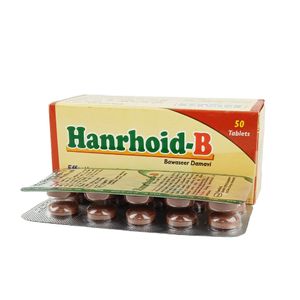
Introduction
Guggul (Commiphora wightii), Barberry (Berberis vulgaris), and Chebulic Myrobalan (Terminalia chebula) are traditional herbs used in various cultures for their therapeutic properties. Guggul is known for its lipid-lowering effects, Barberry contains berberine with antimicrobial properties, and Chebulic Myrobalan is recognized for its astringent and antioxidant effects. Together, they are used to support metabolic health and digestive function.
Uses
The combination of Guggul, Barberry, and Chebulic Myrobalan is used for:
- Cholesterol Management: Guggul is commonly used to help lower cholesterol levels and improve lipid profiles. This combination may support cardiovascular health.
- Digestive Health: Chebulic Myrobalan and Barberry help address digestive issues such as constipation, diarrhea, and indigestion. Chebulic Myrobalan aids in bowel regulation, while Barberry supports gastrointestinal health.
- Antimicrobial and Anti-inflammatory Effects: Barberry's berberine content provides antimicrobial and anti-inflammatory benefits, while Chebulic Myrobalan offers antioxidant protection.
- Detoxification: The combination is believed to support liver function and aid in detoxifying the body.
Mechanism of Action
Guggul contains guggulsterones, which help lower cholesterol by inhibiting the synthesis of cholesterol and increasing its breakdown. Chebulic Myrobalan's tannins provide astringent effects that regulate bowel movements and its antioxidants protect cells from damage. Barberry’s berberine acts as an antimicrobial by disrupting microbial cell function and has anti-inflammatory properties through modulation of inflammatory pathways.
How Long Does It Take to Work?
Improvements in cholesterol levels and digestive symptoms may be observed within a few weeks of consistent use. The full benefits of the antimicrobial and anti-inflammatory actions might take longer to become apparent. Overall, noticeable changes typically occur within 4 to 8 weeks of regular use.
Absorption
Guggul's active compounds are absorbed in the gastrointestinal tract, with some degree of metabolism occurring in the liver. Barberry's berberine is absorbed but has limited bioavailability due to first-pass metabolism. Chebulic Myrobalan’s active constituents are also absorbed in the digestive system, with variability in bioavailability depending on the formulation.
Route of Elimination
The active compounds of Guggul, Barberry, and Chebulic Myrobalan are primarily metabolized in the liver and excreted through the kidneys. Berberine and other active components are excreted via urine and feces.
Dosage
2 tablets twice daily or as prescribed by the physician.The dosage of the combined herbs may vary based on individual health conditions and product formulations. Commonly used dosages are:
- Guggul: Typically taken as a standardized extract, with doses ranging from 500 mg to 1,000 mg per day.
- Barberry: Extracts containing berberine are often dosed at 500 mg to 1,000 mg per day.
- Chebulic Myrobalan: Typically taken as a powder or extract, with doses ranging from 500 mg to 1,000 mg per day.
Administration
The herbs are usually administered in the form of capsules, tablets, or powders. They can be taken with water or as part of a herbal tea. Follow specific product instructions or consult a healthcare provider for personalized advice.
Side Effects
Possible side effects may include:
- Gastrointestinal discomfort, such as nausea or diarrhea
- Allergic reactions, though rare
- Barberry may cause yellowing of urine due to its berberine content
- Guggul may cause mild gastrointestinal upset or rash in some individuals
Toxicity
Both Guggul, Barberry, and Chebulic Myrobalan are generally considered safe when used as directed. However, excessive doses could lead to toxicity, especially if used in combination with other medications or supplements. Overuse may result in gastrointestinal disturbances or other adverse effects.
Precautions
Use these herbs with caution if you have liver or kidney disease, as they are metabolized and eliminated through these organs. Consult a healthcare provider before use if you are pregnant, breastfeeding, or taking other medications.
Interaction
Guggul may interact with medications affecting lipid levels or liver enzymes. Barberry’s berberine may interact with drugs metabolized by the liver or those affecting blood sugar levels. Chebulic Myrobalan may interact with other gastrointestinal medications. Always consult a healthcare provider for potential interactions.
Disease Interaction
Individuals with gastrointestinal disorders, liver disease, or kidney issues should use these herbs cautiously. They may also interact with conditions that require careful management of cholesterol levels or blood sugar levels.
Drug Interaction
Guggul may interact with cholesterol-lowering medications, and Barberry’s berberine may interact with drugs that affect liver enzymes or blood sugar levels. Monitor for interactions and consult a healthcare provider if combining with other medications.
Food Interactions
There are no specific food interactions for these herbs. However, taking them with food may reduce gastrointestinal discomfort. Avoid excessive alcohol consumption, which can affect liver metabolism and interact with these herbs.
Pregnancy Use
Guggul, Barberry, and Chebulic Myrobalan should be used with caution during pregnancy. There is limited information on their safety during pregnancy, so consult a healthcare provider before use.
Lactation Use
Similarly, use these herbs cautiously during lactation. Consult a healthcare provider to ensure they do not adversely affect breastfeeding or the infant.
Acute Overdose
In case of an overdose, seek medical attention immediately. Symptoms may include severe gastrointestinal distress or other adverse effects. Treatment typically involves supportive care and symptom management.
Contraindication
Contraindications include hypersensitivity to any of the herbs or their components, and severe liver or kidney disease. Consult a healthcare provider for a thorough assessment before use.
Use Direction
Follow specific product instructions for dosage and administration. Typically, the combination is taken in specified amounts per day. Adhere to recommended dosages and consult a healthcare provider for personalized advice.
Storage Conditions
Store in a cool, dry place, away from direct sunlight and moisture. Keep out of reach of children and follow any specific storage instructions provided with the product.
Volume of Distribution
The volume of distribution for the active compounds in these herbs is not well-documented but generally involves distribution throughout the gastrointestinal tract and systemic circulation.
Half Life
The half-life of Guggul's guggulsterones is not well-defined. For Barberry’s berberine, the half-life is approximately 4 to 5 hours. This affects how often the herb needs to be taken to maintain its therapeutic effects. Chebulic Myrobalan's half-life is not well-established but varies depending on the specific active components.
Clearance
The active compounds of Guggul, Barberry, and Chebulic Myrobalan are cleared through hepatic metabolism and renal excretion. The exact rates of clearance can vary based on individual metabolism and overall health.