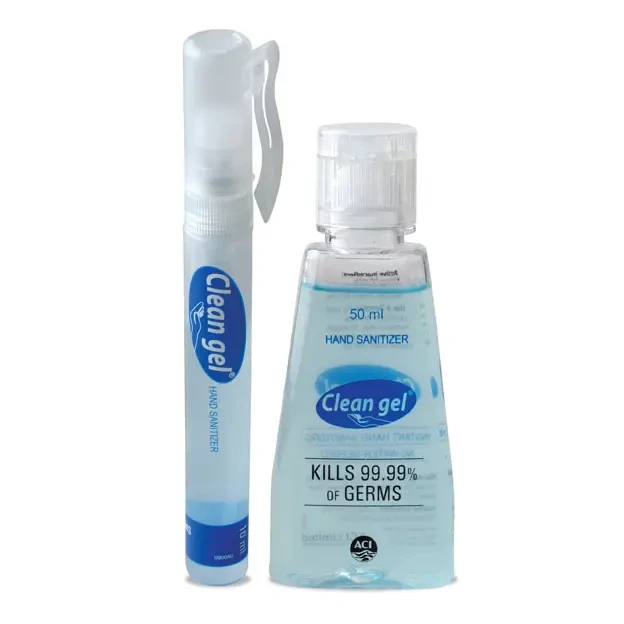
Ethanol + Isopropyl Alcohol Introduction
Ethanol + Isopropyl Alcohol is a combination of two types of alcohol – ethanol (also known as ethyl alcohol) and isopropyl alcohol. It is used as a disinfectant, rubbing alcohol, and antifreeze.
Uses For
Ethanol + Isopropyl Alcohol is primarily used in formulations as an antiseptic, disinfectant, and preservative. It is used to sanitize surfaces in homes, hospitals, and other places, to sterilize instruments before surgery, and as an antifreeze for automobiles and boats.
Mechanism of Action
Ethanol + Isopropyl Alcohol works by disrupting the cell membrane of microorganisms, causing leakage of key components such as proteins and other cellular components.
How Long Does It Take to Work?
The time frame for ethanol + isopropyl alcohol to work depends on the concentration of the product and the method of delivery. Generally, it should take between 30 seconds and 3 minutes for the product to work.
Absorption
Ethanol + Isopropyl Alcohol is rapidly absorbed from the skin and mucous membranes. It is rapidly metabolized in the liver and excreted as carbon dioxide and water.
Route of Elimination
Ethanol + Isopropyl Alcohol is eliminated through the kidneys, primarily as acetone.
Dosage
- শুকেনা হােতর তালুেত ১-২ বার ক্লিন জেল প্রয়োগ করুন।
- দুই হােতর তালু একসােথ ভােলাভােব ঘষুন।
- আঙুেলর মােঝ ও নেখর ভেতরেও প্রয়োগ করুন এবং না শুকােনা পর্যন্ত ঘষুন।
- কেয়ক সেকেন্ডর মধ্যেই হাত শুিকিয় জীবাণু মুক্ত হয়ে যাবে
For cleaning and disinfecting, a solution of 1 part ethanol to 9 parts of isopropyl alcohol is recommended. To sterilize surgical instruments, use 70% ethanol. For general hand disinfection, the recommended concentration is 90%.
Administration
Ethanol + Isopropyl Alcohol can be applied directly to the skin or mucous membranes, and can also be used on non-porous surfaces such as counters and instruments.
Side Effect
The use of ethanol + isopropyl alcohol solutions can cause mild skin irritation and dryness. In rare cases, it can cause contact dermatitis.
Toxicity
Ethanol + Isopropyl Alcohol solutions are generally non-toxic, but excessive or prolonged exposure may cause eye, skin, and respiratory irritation.
Precaution
- Ethanol + Isopropyl Alcohol solutions should not be used near open flame or fire.
- It should not be ingested.
- It should not be used on children under 12 years old.
- Eyes should be washed immediately with water if they come in contact with the solution.
- Proper protective equipment, such as gloves and safety eyewear, should be worn when handling the solution.
- The solution should be kept out of reach of pets and children.
Interactions
Ethanol + Isopropyl Alcohol interacts with other drugs, such as acetaminophen, which enhance its effects. In addition, its evaporation rate may increase when exposed to oxygen or carbon dioxide.
Disease Interaction
Ethanol + Isopropyl Alcohol has been shown to reduce the activity of enzymes associated with the metabolism of drugs. This may increase the risk of drug toxicity when used with hepatically metabolized drugs such as anticonvulsants, antidepressants, and antipsychotics.
Drug Interaction
Ethanol + Isopropyl Alcohol may interact with other drugs in the body. For instance, when ethanol is taken with acetaminophen, it may cause an increased risk of liver damage.
Food Interactions
Ethanol + Isopropyl Alcohol solutions may interact with food or drinks, leading to increased intoxication, increased toxicity effects, or decreased drug effectiveness.
Pregnancy Use
Ethanol + Isopropyl Alcohol should not be used during pregnancy as it may cause harm to the developing fetus.
Lactation Use
Ethanol + Isopropyl Alcohol should not be used while breastfeeding as it may be passed from mother to baby in small amounts.
Acute Overdose
Acute overdose of ethanol + isopropyl alcohol may lead to drowsiness, confusion, respiratory depression, and even coma in severe cases. Immediate professional medical help should be sought in cases of suspected overdose.
Contraindication
Ethanol + Isopropyl Alcohol is contraindicated in patients with known hypersensitivity to alcohol and any of its ingredients, in patients with liver cirrhosis, or in infants and children under the age of twelve.
Use Direction
The ethanol + isopropyl alcohol solution should be used according to the manufacturer’s directions. It should not be used for prolonged periods, and as much of the solution should be allowed to evaporate as possible.
Storage Condition
Ethanol + Isopropyl Alcohol should be stored in a cool, dry place, away from direct sunlight, and out of reach of children and pets.
Volume of Distribution
Ethanol + Isopropyl Alcohol has a volume of distribution of 66 liters/kg.
Half Life
The half-life of ethanol + isopropyl alcohol is 1.5-2 hours.
Clearance
Ethanol + Isopropyl Alcohol has a clearance of 99 ml/min.